avatarHermione Wilds Writes - Writer and editor

Free AI web copilot to create summaries, insights and extended knowledge, download it at here

1289

Abstract

ry, and hangs on a little longer through March, there is really no other flower that signifies this month of April for me, apart from the gorgeous red Camellia, which I used to have in my second garden right by the front door to greet me every day.</p><h2 id="951c">Anemone Blanda</h2><p id="e915">This anemone is anything but bland. It’s very blue, and unlike some flowers, it returns every year just as blue as before. The flower heads are a little small and more clustered together than the variety in my photographs.</p><p id="b4b3">You’ll see the woodland anemone wherever there is more shade and the ground is undisturbed. This one sports a yellow flower. If you have a shady plot, try planting some for yourself. (I will include a photograph when I update this.)</p><p id="afca">Seeds:</p><p id="7a6f">The anemone grows from woody looking seeds which need soaking before planting. I’ve tried growing these in lots of different areas, but underneath the birch is the favorite place for them to date in this climate.</p><figure id="6dd0"><img src="https://cdn-images-1.readmedium.com/v2/resize:fit:800/1*[email protected]"><figcaption>Photograph is by the author. Anemone flanked by bluebells and nigella</figcaption></figure><p id="de1c">They seem to enjoy some protecti

Options

on from direct sunlight, which the tree gives them. In fact, I had so much success growing flowers underneath the birch that I created a series on my gardening website, which you can find <a href="https://hermionelaakeloveslavender.wordpress.com/2022/05/20/underneath-the-birch-3/">here</a> for a few more months without adverts if you would like to check out my old posts from the past 3 years. (The link takes you out of Medium.)</p><p id="98b1"><i>(It is expensive to keep the site add free, so in a month or so, the site will revert back to showing you adverts that the algorithm chooses based on your history. I have no control over this.)</i></p><h2 id="10a6">Japanese Anenomes:</h2><p id="1500">There are also Japanese anemones which grow to at least 12 inches in height, and will return the following year, since they are perennials.</p><h2 id="6482">Tips:</h2><p id="25a1">Try to observe what sort of leaves your plants have to identify them when they start to shoot out of the ground in spring, to avoid trampling on them or overplanting. Some plants look very similar. The Japanese anemone reminds me of Cosmos. Although Cosmos can grow to great heights in summer and is not sold as a perennial in the UK.</p><p id="5fe5"><a href="">Hermione Wilds Writes</a></p></article></body>

The Anemone isn’t Bland

March and April’s flowers
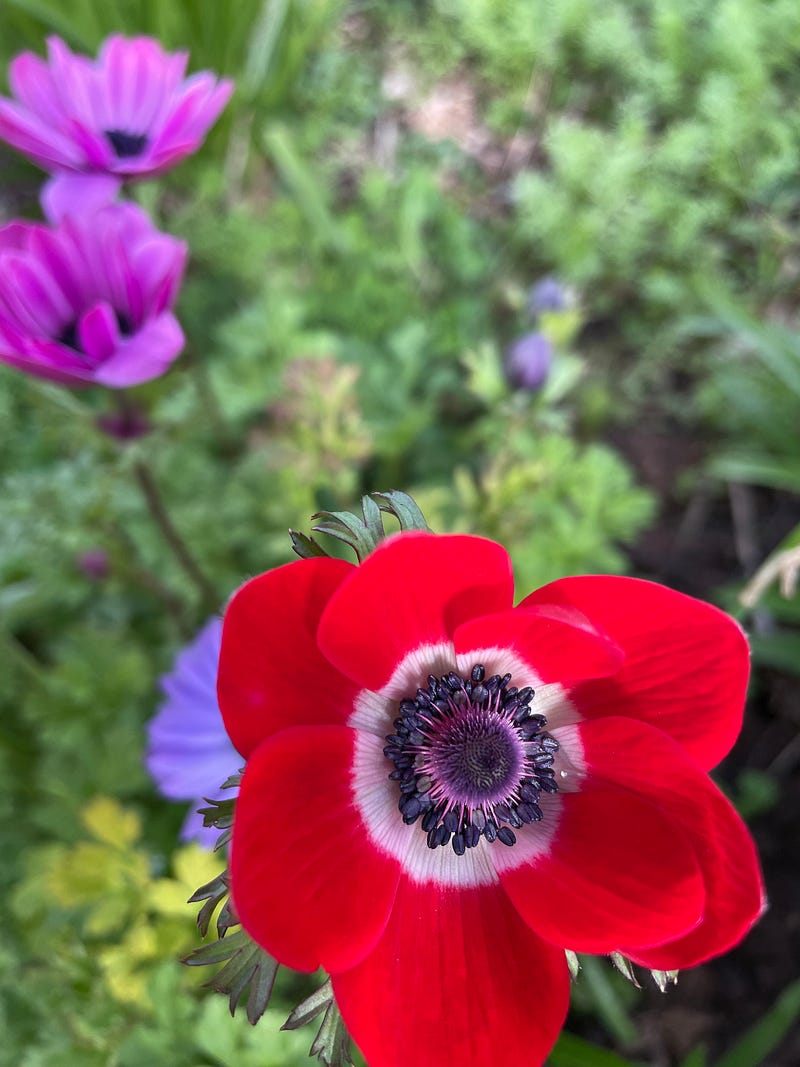
Photograph is by the author Hermione Wilds Writes

You’d think that not much grew but bulbs at this time of year, as the roses give forth shoots, and the leaves start to form on willow and birch in our gardens in the UK. The sticky buds of the horse chestnut are peeking through and we remember their radiant blossom. So many varieties.

Perhaps you know about the anemone. We used to learn about these as sea creatures at school (invertebrates), but this one is a flower for the garden, and although it grows from a pretty innocuous, dull brown seed, you will be rewarded in the spring by the vibrant colors.
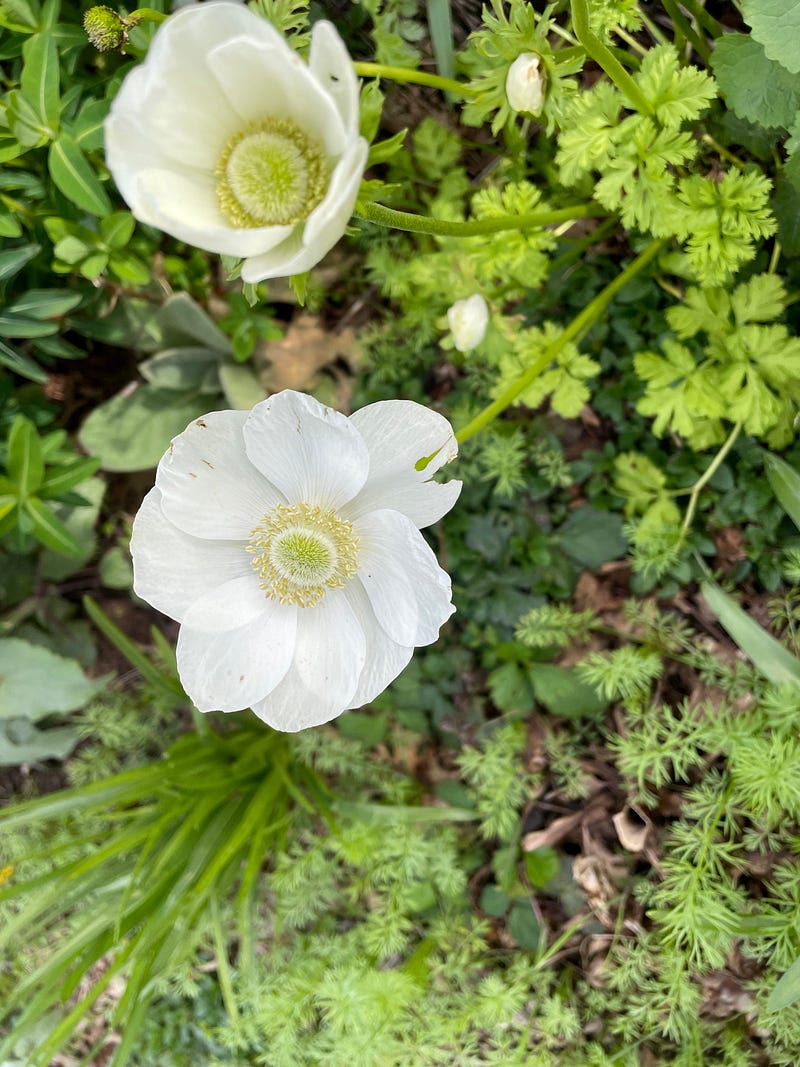
Anemone Coronaria de Caen. Photograph is by the author Hermione Wilds Writes

However, apart from the standard Helebores that balloon out like the skirts of ballerinas in a painting by Degas, in February, and hangs on a little longer through March, there is really no other flower that signifies this month of April for me, apart from the gorgeous red Camellia, which I used to have in my second garden right by the front door to greet me every day.

Anemone Blanda

This anemone is anything but bland. It’s very blue, and unlike some flowers, it returns every year just as blue as before. The flower heads are a little small and more clustered together than the variety in my photographs.

You’ll see the woodland anemone wherever there is more shade and the ground is undisturbed. This one sports a yellow flower. If you have a shady plot, try planting some for yourself. (I will include a photograph when I update this.)

Seeds:

The anemone grows from woody looking seeds which need soaking before planting. I’ve tried growing these in lots of different areas, but underneath the birch is the favorite place for them to date in this climate.
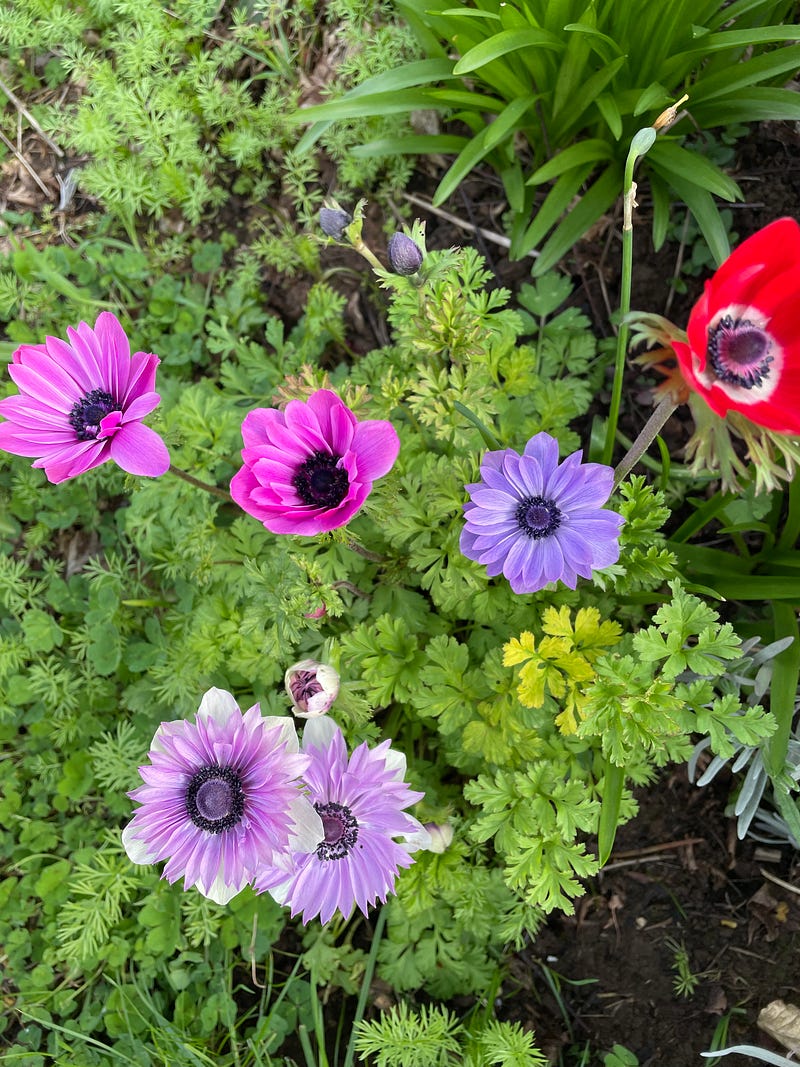
Photograph is by the author. Anemone flanked by bluebells and nigella

They seem to enjoy some protection from direct sunlight, which the tree gives them. In fact, I had so much success growing flowers underneath the birch that I created a series on my gardening website, which you can find here for a few more months without adverts if you would like to check out my old posts from the past 3 years. (The link takes you out of Medium.)

(It is expensive to keep the site add free, so in a month or so, the site will revert back to showing you adverts that the algorithm chooses based on your history. I have no control over this.)

Japanese Anenomes:

There are also Japanese anemones which grow to at least 12 inches in height, and will return the following year, since they are perennials.

Tips:

Try to observe what sort of leaves your plants have to identify them when they start to shoot out of the ground in spring, to avoid trampling on them or overplanting. Some plants look very similar. The Japanese anemone reminds me of Cosmos. Although Cosmos can grow to great heights in summer and is not sold as a perennial in the UK.

Hermione Wilds Writes

Gardening
Flowers
Photography
Diary
Prose
Recommended from ReadMedium