
Ancestor Veneration in the Akan Culture of Ghana
Dying alone does not earn one the prestigious honor
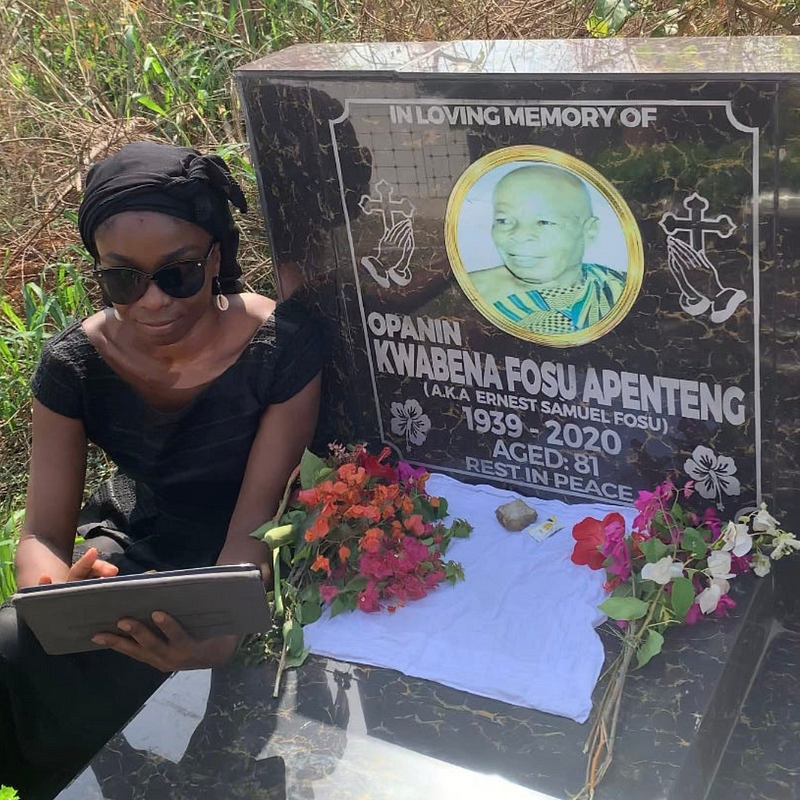
In the Akan culture, ancestral veneration relates to the belief that the dead continue to exist and can influence the fortune of the living. Death, according to the Akans of Ghana, is not the end of one’s life, but the transition from one state to another. Traditionally, it is an occasion when a deceased person travels to the spirit world where his ancestors have already gone. In death, one only changes his earthly mode of existence to another, in fact, a better one.
The ancestors are seen to be able to intercede on behalf of the living, acting as messengers between humans and God. It is believed that spirits who have previously been human are more able to understand human needs as they were once human themselves.
Ancestor veneration is not the same as ancestor worship.
The purpose of ancestral veneration in the Akan culture is not to worship ancestors. Ancestors are not worshipped because ancestors are not deities. They are the spirits of the departed elders who once lived extraordinary lives and are therefore revered, honored, and given a place among the gods, but they are not gods. Akans venerate their ancestors out of love and respect.
Some cultures believe that their ancestors should be provided for by their descendants, and they offer food, water, certain currencies, and other provisions as part of their practices. Others build altars and decorate them with photographs, candles, skulls, flowers, and other things that reminds them of their deceased loved ones.
Some others believe that ancestors are not aware of what their descendants provide for them, but that the expression of love and honor is what matters most to them.
As part of the Akan culture, people generally clean the graves of their ancestors, hold family gatherings on anniversaries, eat traditional food, and pour libation in honor of the deceased. The act of libation pouring involves pouring water, alcohol, or a beverage such as wine on the ground to invoke the spirits and to request their help.
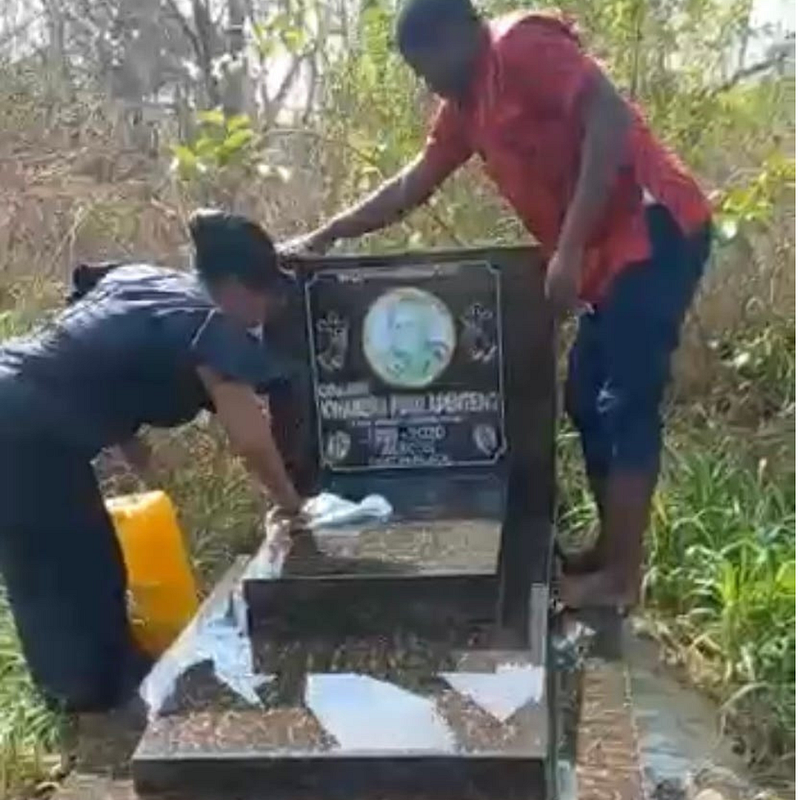
The sole purpose of ancestral veneration is to ensure those who came before us are never forgotten. It is holding deep reverence and remembrance of our ancestors through offerings and prayer.
The Akans believe in a hierarchy of beings with the supreme being, God, at the top. After God, there are various kinds of spirits (smaller gods and the spirits of ancestors). After these spirits, we have the human species, followed by animals, then vegetation. While acknowledging the existence of these beings, the Akans consider God to be the Supreme Being.
Supreme God, who is alone great, upon whom men lean and do not fall, receive this wine and drink. Earth goddess, whose day of worship is Thursday, receive this wine and drink. Spirits of our ancestors, receive this wine and drink (Gyekye 1995:68).
The quote above is a prayer said by the traditional Akan people of Ghana during libation. Libation is a common practice among the Akans. Whenever a libation is poured, the Supreme Being, personified as Kwame (Saturday), is first mentioned and invited to drink. The next to be called is the earth goddess, personified as Thursday Earth or Asaase Yaa. After these two come the other Akan deities (Abosom), ancestral spirits, (Nananom), etc. A drink is poured on the ground to refresh the deities and prepare them for hearing human petitions.
The prayer above provides an insight into the core beliefs of the traditional Akan people. They believe in God and also in the existence of supernatural beings, including the spirits of ancestors.
The Akans believe in a hierarchy of beings with the supreme being, God, at the top.
The Akans believe that spirits of deities can make their dwelling in nature including rivers, hills, forests, rocks, trees, mountains, and even animals, so whatever is considered the dwelling place of a spirit is designated as a sacred place where offerings are made to worship the deity. But the same is not done of ancestors, nor do ancestors require it of the living.
The Akans believe that God is the source of all life and the ultimate creator of all that there is. He is, thus, given the ultimate veneration and worship.
Rather than worshiping the ancestors, the Akans revere them as a kind of reverence or veneration. This reverence or veneration is nothing more than love and respect.
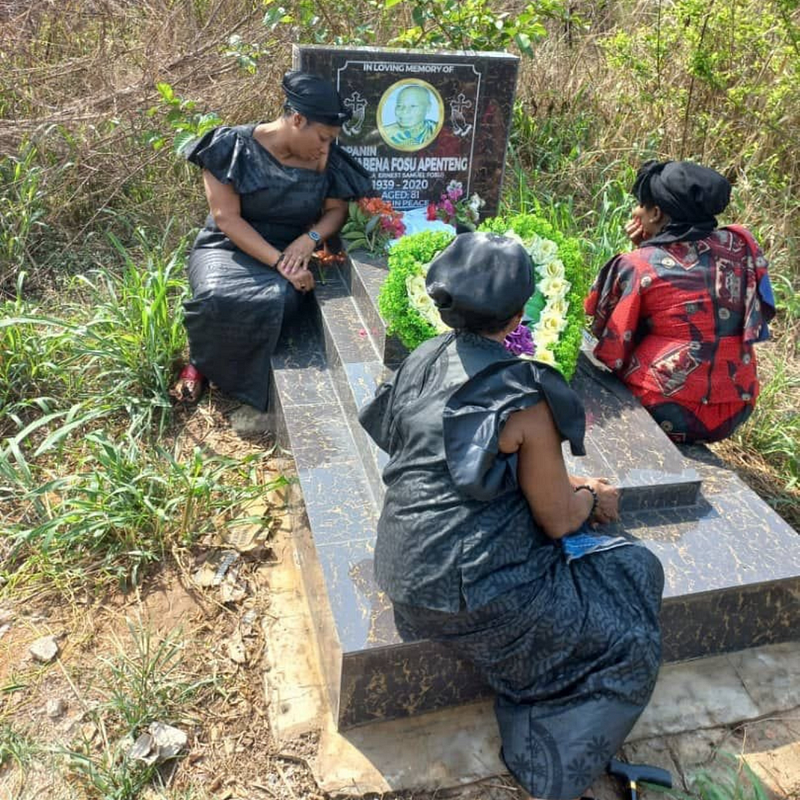
Being honored and venerated as an ancestor is the pinnacle of human existence. It is considered to be one of the greatest honors that can be bestowed upon a person. However, there is more to the desire of becoming an ancestor.
In order to be honored as an ancestor after death, one must meet certain conditions while alive.
As a moral title, nananom (Akan for ancestors) is earned by living a virtuous life before death. The concept of morality is concerned with right and wrong and serves as a guide for how people should live their lives.
As part of the Akan tradition, individuals must act in accordance with the moral values of the community in order to qualify as ancestors. The Akans place a high value on moral uprightness in order to become an ancestor after death.
Morally right, to the Akan people, is not what is commanded by God, what is in accordance with God’s will, or what is pleasing to any spiritual being. To be morally right, one must act in a way that improves the community and the well-being of all humanity. God and other spiritual beings only act as a motivation for people to live morally upright lives.
Among the Akan people, those who have been morally bankrupt are not eligible to be ancestors. The same applies to those who die prematurely, tragically, or through horrible diseases, such as leprosy or madness. The prestigious honor of being considered an ancestor is reserved for those who have lived exemplary lives.
Aside from the moral uprightness of a person, ancestors are given the power and authority to enforce the morality of the people. In doing so, they ensure that members of their ancestry do not engage in immoral behavior that would bring disgrace to their clan.
The Akans believe the ancestors have the power to bless those who do well and curse those who bring disgrace to the family by engaging in immoral behavior in the community.
However, the role of the ancestors is restricted to the affairs of the family, clan, or lineage. An ancestor of one family cannot interfere with the affairs of another. But if the ancestor was a ruler, his or her role might extend to all the lineages within his or her town or kingdom, but not beyond.
Moral uprightness is a strict requirement for becoming an ancestor after death among the Akans.
A desire to become an ancestor extends beyond the wish to have one’s name remembered; it is an opportunity to continue contributing to the welfare of one’s people, even after death.
The pursuit of a virtuous and morally upright life in one’s lifetime is not only motivated by the pursuit of ancestorship but also by the quest to please the spirits of the ancestors, who have already gone to the spirit world and will admit and welcome the deceased into the world of the ancestors.