The Amazon’s Lost Secret
A science fiction story — Part 2
Having an aristocratic name in France commands respect and arrogance from the day of conception. Jean-Luc De Bourbon was an only child, adulated by his parents; they instructed his nanny never to chide him. They lived in one of those French château lost in the countryside, surrounded by a lush Alsatian forest populated by wild animals. As a youngster, he loved exploring every creek, each boulder and all the different trees. He would bring home his latest find, were it a frog or a leaf and he would receive lavish praises. At school, Jean-Luc had the habit of interrupting other students who attempted to get attention. His teacher brought up this behavior to his mother, but she defended him, asserting that he was a wondrous child who merited all the admiration.
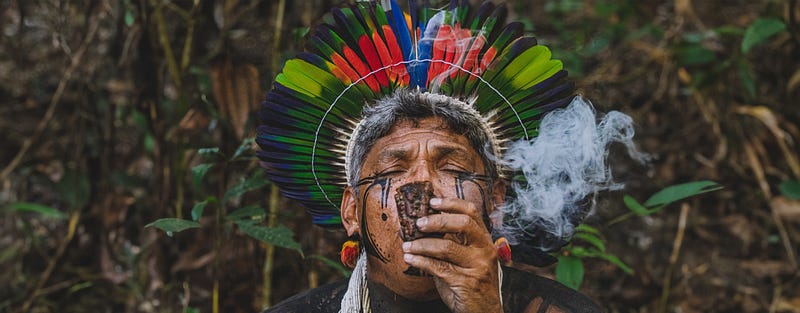
Now, he’s a tall good-looking young man with an outgoing personality that attracts women. He has a wide smile that charms everyone at first sight. He practices diction and speech delivery, in as much as he works as a freestyle reporter for one of the most prestigious French news media firm. He managed to convince his superiors to back an expedition to the Amazon to produce a documentary on an indigenous tribe that hasn’t yet been in contact with the rest of the world. Everything is going as expected. He got the idea from an Aborigine who befriended a member of the tribe named Aniflo, who revealed a shocking story to a local reporter. Jean-Luc wants to interview him to get the first rights. He expects this trek to become a turning point in his career, where he’ll get world fame.
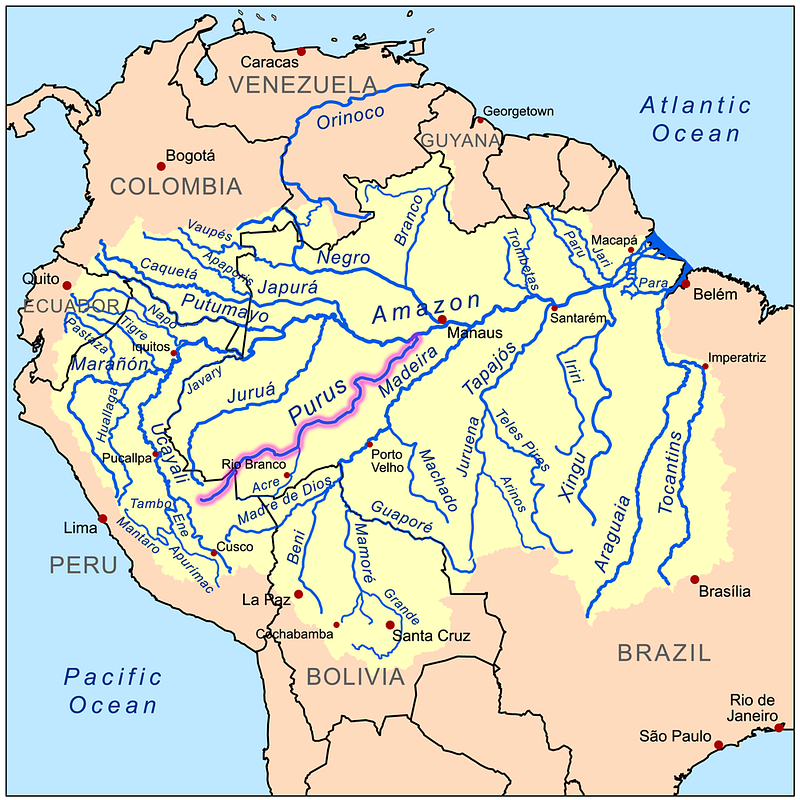
He and his camera operator plan to fly to Lima, Peru, and then to Porto Velho, Brazil, where he is planning to get in touch with Anflo. They would reach Labrea where they would embark a pirogue and follow the Purusi River until they encountered the tribe on the other side of the river.
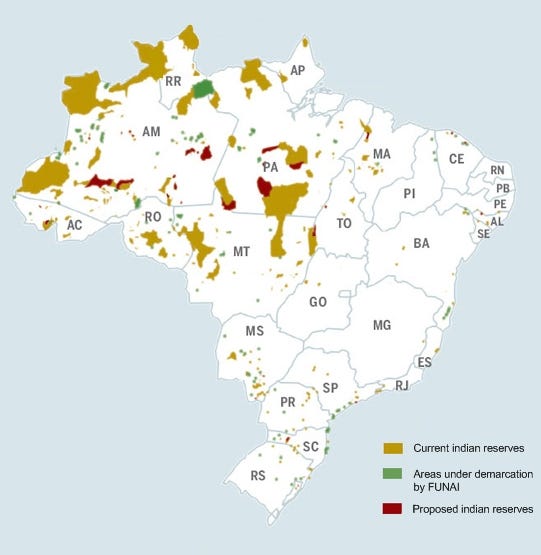
Jean-Luc recognized that is a unique opportunity to meet some indigenous people and to learn their secret before civilization gobbled them all up. The Brazilian government protects them by law; it signed the United Nations Declaration of Rights of the Indigenous People (UNDRIP) and it drew up its own laws in effect continuing to isolate indigenous people from being contaminated by civilization.
Jean-Luc and his camera operator arrived in Porto Velho, a city of more than half a million inhabitants with all the conveniences of civilization such as an international airport, shopping center and a university. It stands in one of the most deforested areas of the Amazon, a certified proof of progress. Jean-Luc phones his contact and he organizes a meeting with Anflo at the Secretaria Municipal de la Fazenda de Porto Velho tomorrow morning at nine.
Jean-Luc arrives a little early to setup the camera. He glances at everyone that comes near to see if he recognizes Anflo. After forty-five minutes, he turns to the camera operator:
— He’s late. I’m sure I’m at the right place and at the right time.
— This is Brazil. People often are late.
— I’ll check with the reporter.
He phones the reporter who phones Anflo and then phones back Jean-Luc.
— Anflo says he changed his mind. He doesn’t want to talk to reporters anymore.
— Offer him more money.
— I’ll try.
The reporter phones Anflo and offers more money, he phones Jean-Luc.
— That didn’t work.
— Money always works. Send me his phone number.
— OK.
As soon as he gets his number, Jean-Luc phones Anflo.
— Anflo, This Is Jean-Luc de Bourbon. I’ve come all the way from France to meet you. I’d like to film you because you have some very important information to tell the world.
— I’ve changed my mind. These indigenous people need to be alone; that’s the law, I don’t want to get into trouble.
— You won’t have to contact these people; I’ll do it with my camera. As soon as you point them out, you can go home.
— You won’t be able to talk to them. They speak in a Panoan language.
— Let me deal with that. We’ll pay you what you asked for. Just show me where they are.
— OK.
Jean-Luc came prepared. He had an electronic translator that includes the Custanáwa dialect of the Panoan language. He asks Anflo:
— Come and meet me, I’d like to know you better. We’ll be waiting for you.
— OK.
After waiting for more than an hour, Jean-Luc turns to his camera operator.
— I don’t know if he does this on purpose. Maybe he just wants to aggravate me?
After half an hour more, a beardless middle age man of short stature heads towards Jean-Luc.
— You must be Anflo, Jean-Luc says, offering his right hand.
They shake hands.
— So, you’re ready to show me where that tribe lives.
— Yes. I have to warn you. They hate white men. They might kill you for no reason.
— I’ll take my chance. Didn’t you tell our local reporter that they have a secret?
— Yes I did. The shaman is the guardian of secrets they have been keeping to themselves for hundreds of years.
Author’s note
I’ll continue writing this story, once I get 250 claps. Please encourage me.


