
MUSICAL GREATS
The Almost Forgotten Legacy of Art Blakey and the Jazz Messengers
He was a vital force in American music— a drummer who helped define the polyrhythmic offshoot of bebop known as hard bop jazz
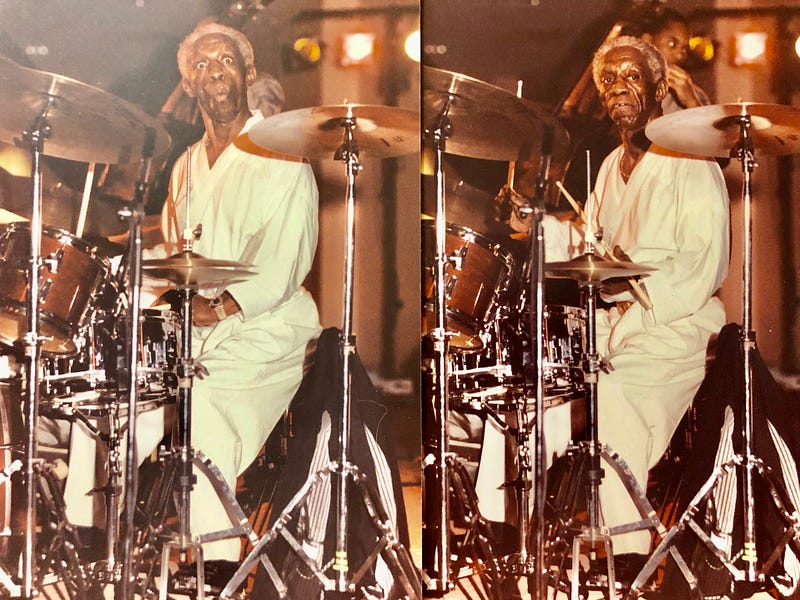
I was getting nervous about the turnout that evening. Advance ticket sales for Art Blakey and the Jazz Messengers had been so-so — and I was counting on a sold out concert at the 400 seat Peabody Alley.
The venue was part of The Peabody Hotel, an historical landmark that has carried the designation of “The South’s Grand Hotel” for many years.
During one of the several adventurous careers in my youth was that of director of event marketing for The Peabody and its sister properties in Orlando and other cities.
I booked and negotiated the contracts for entertainers ranging from The Neville Brothers, Tav Falco and Jerry Jeff Walker to Bo Diddley, The Impressions and Jamaica’s reggae group The Wailers.
For over a decade I’d served as regional director for the local chapter of The Recording Academy, so I was familiar with the business side of the music industry.
What I wasn’t sure of that evening was whether we’d fill the room with ticket paying patrons who typically spend another $30-$300 in drink sales or dining in one of the hotel’s high end restaurants.
Memphis is a funny town. If it rains or snows some people won’t show up for events even if they’ve prepaid their tickets. If it’s a popular venue they’ll wait until the last possible minute and then complain if it’s sold out.
This was mid-June — perfect weather — but we’d only sold just over half the room. The pro forma numbers swam in my head as I projected what a loss would look like with only 275 tickets sold by that afternoon.
Jazz in a rock ‘n roll and blues city
But by 6:00 PM ticket sales were jamming — and by 7:15 PM we were almost sold out. Whew! At eight o’clock, as the opening act for Art Blakey got underway, people were complaining that no seats were left.
At that time Memphis was primarily a blues and rock ‘n roll city. And pretty much remains so today, although there are plenty of venues featuring hard rock, soul, R&B, hip-hop, rap, country, and more.
Memphis has always been known for its vibrant music scene and its scores of songwriters, engineers, performers, and back-up artists.
I was taking a bit of a chance with Art Blakey, though.
There weren’t many clubs playing live jazz back then. Most of the serious jazz performers I knew — several of whom played on Grammy nominated or winning albums — performed in larger cities.
But I knew we had an avid jazz community. There was an all-jazz radio station and others that featured regular programs devoted to the music of people like Miles Davis, Charlie Parker and John Coltraine.
Other programs played contemporary — or smooth jazz. These catered to artists like Kenny G., George Benson and Richard Elliot.
If you ever want to see a fight break out between two grown men in business suits — rabid jazz lovers — just make a remark about what constitutes “real jazz” and what serves as “elevator music.”
The Billie Holliday/Miles Davis/Duke Ellington man will wrestle to the ground the guy who suggests Kenny G is of the same caliber.
I knew Blakey would attract jazz lovers in the former camp, but would Kenny G admirers also spend an evening with one of jazz’s greatest hard bop be-boppers?
That was the question.
Fortunately, my marketing of the event worked. Radio ads and interviews on the jazz station, lead-up pieces in local music publications, articles in the daily newspaper and business journals grabbed the attention of the small but fiercely devoted jazz aficionados.
The venue was perfect for the Blakey crowd. Most of the attendees were older professionals who preferred a smaller, more intimate setting.
They wanted valet parking and comfortable seating with waiters bringing drinks to them. And they didn’t blink at the higher-than-usual ticket price.
The evening was better than I expected— more on that later.
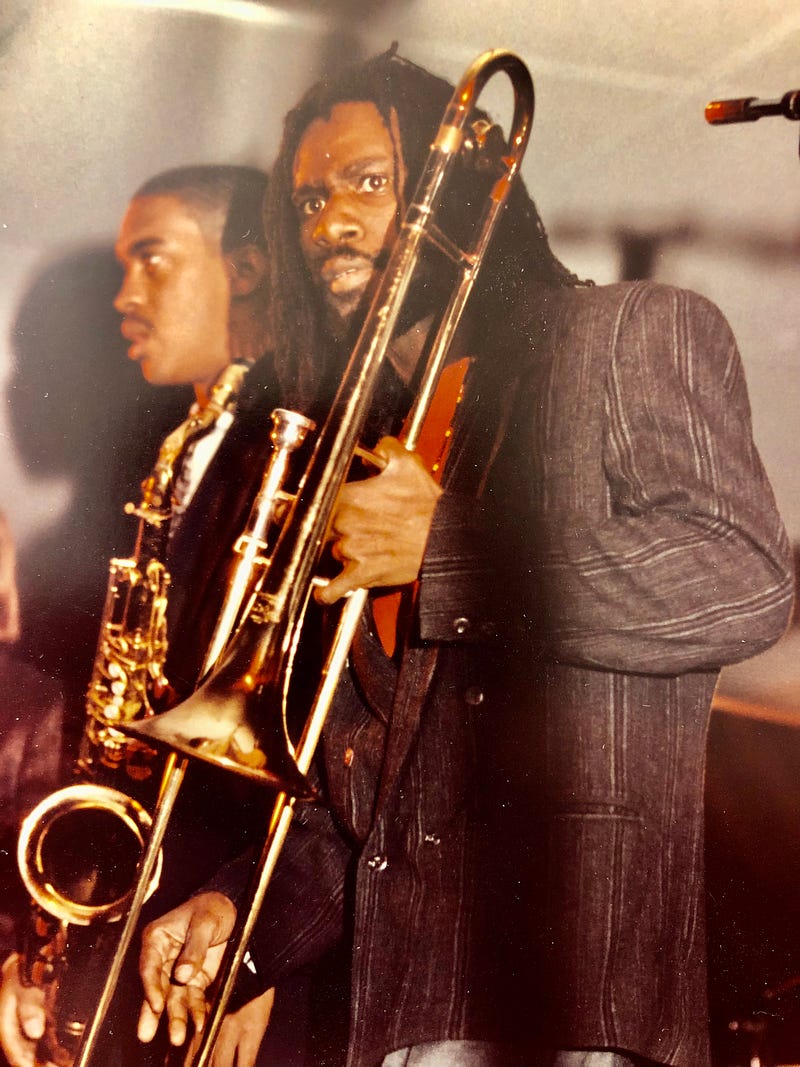
Brief backstory on the artist
Art Blakey was born in 1919, in Pittsburgh, Pennsylvania. It was a hard-scrabble life he wanted to break free of. He aspired to become a pianist but admittedly, he wasn’t very good. He played by ear and only in one key.
Whether or not it’s true, legend has it that one evening at a club some hoodlum threatened him at gunpoint if he didn’t sit down and start playing drums. Eventually, Blakey decided drums were more interesting than the piano.
By the time he was fourteen he was fronting bands and playing anywhere he could pick up a few dollars. He’d already been expelled from school and life in the steel mills wasn’t what he wanted.
Ten years later he was performing in bands that included the popular singer Billy Eckstine and other now famous names like Dizzy Gillespie and Charlie Parker.
In 1947 he traveled to Africa, which was life changing for Blakey. The trip influenced him not only to convert to Islam but to also incorporate some of the hard-driving, polyrhythmic syncopation he learned from musicians in Nigeria and Ghana.
When he returned to the U.S. Blakey created the Jazz Messengers with Horace Silver. By the mid-fifties he was the band’s leader, although individual Messengers varied throughout their 35 years of performing and recording a string of records for Blue Note Records.
Blakey’s discography consists of two soundtracks, 47 studio albums, 21 live albums, six compilations, and one boxed set. He was nominated for six Grammy Awards, and was winner of one. In 2005 he was posthumously given the Grammy Lifetime Achievement Award.
Among many things to remember about Art Blakey was that he was a generous mentor to upcoming jazz artists.
From the mid-1950s until his death in 1990, he took under his wing Wayne Shorter, Wynton Maralis, Donald Byrd, Woody Shaw, Curtis Fuller, and others — all of whom performed with the Messengers before striking out on their own.
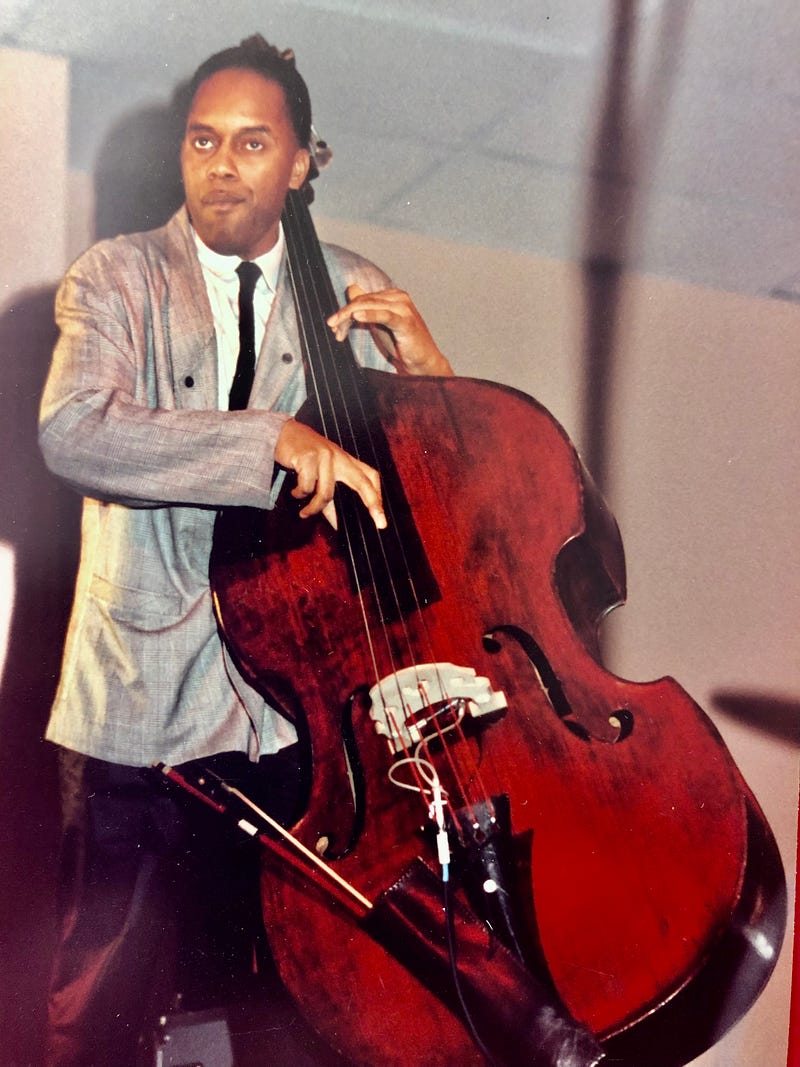
The evening at The Peabody was perfect.
The mood was filled with expectation as jazz lovers from Memphis and surrounding areas settled into the club for a spirited evening of music.
I greeted several local music journalists and critics covering the concert for their respective publications.
Blakey — who was close to seventy at that time — performed like a man in his twenties.
His rolling rhythms and driving, kicking pace was matched by his infectious spirit as he laughed, pulled faces and showboated for the audience.
Amazingly, Blakey had lost most of his hearing — something you’d never imagine watching him keep perfect time with his band, never missing a masterful beat.
Although he wore hearing aids as we chatted before his show, his explained that he always removes them before performing, preferring to keep time by “hearing” vibrations.
The group performed pieces from their most well known albums— “Dat Dere,” “Night in Tunisia,” “Somethin’ Else,” “Moanin’,” and “A Night at Birdland.”
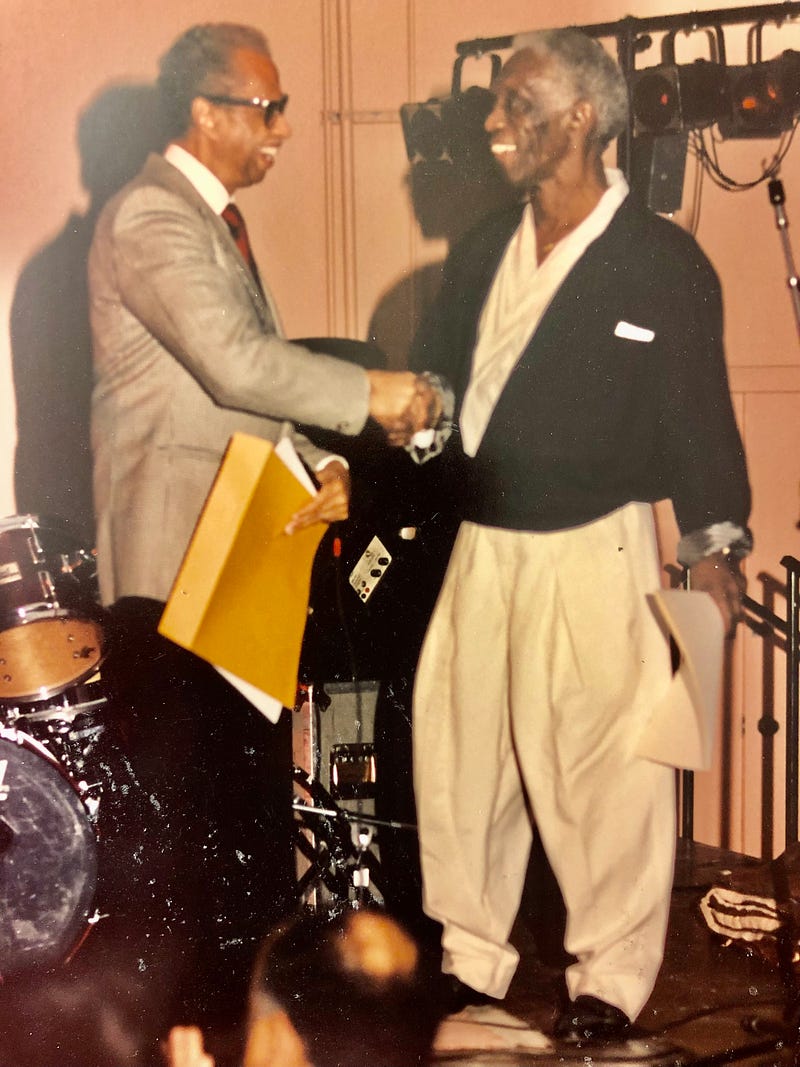
After the show County Commissioner Dr. Vasco Smith presented Blakey a certificate making him an honorary citizen of Memphis.
It was a great evening — everyone seemed reluctant to leave even though his show was almost two hours long with only a short break. Several admirers hung around for autographs which he happily obliged.
We were fortunate to book Blakey and his Jazz Messengers. In less than two years he passed away in New York City of lung cancer.
But his legacy — his indelible mark on jazz music — will always live on.
Listen below: There are NO microphones on the drums, but they’re captured perfectly in this video. This was recorded in Berlin in 1958 — Whoever engineered this did a spectacular job!