avatarJosh Bassett

Free AI web copilot to create summaries, insights and extended knowledge, download it at here

1891

Abstract

t reading the fine print.</p><p id="fa4a">However, the landscape for writers has shifted, particularly with the advent of social media, leading to a demystification of the creative process.</p><p id="2509">Influential figures, such as Margaret Atwood, Shonda Rhimes, and Stephen King, openly share insights into their writing methods, dismantling the romanticised notion of enduring suffering for one’s art.</p><p id="19b5" type="7">So yay! I got therapy and separated my mental illness from my artistry.</p><div id="5abb" class="link-block"> <a href="https://readmedium.com/failed-attempt-try-again-later-c892d04af7d"> <div> <div> <h2>Failed attempt. Try again later.</h2> <div><h3>When I was 23 I took a handful of pills and swallowed.</h3></div> <div><p>medium.com</p></div> </div> <div> <div style="background-image: url(https://miro.readmedium.com/v2/resize:fit:320/1*yotjkTyRQ8Tt84iiwm8Z3Q.jpeg)"></div> </div> </div> </a> </div><p id="12bf">But I found that my art suffered because I was getting better.</p><p id="9b34">I longed for the days spent in my dark room crafting art until it was something I was happy with.</p><p id="6488">However, upon further analysis through self-reflection, I understood that what had happened due to my mental illness was that the approach towards the writing process was unpredictable in a tortured artist kind of way.</p><p id="e489">So, it wasn’t so much that I was less creative; I just needed a new process based on a new set of ideologies.</p><h2 id="9063">Here are some strategies I employed</h2><p id="9e1e"><b>#1. Write at the same time every day.</b> Showing up consistently, without waiting for the depressed moments, made me appreciate my creativity. I understood that

Options

it was always there to be accessed whenever I needed it.</p><p id="e551"><b>#2. Established a Methodical Process:</b> a structured approach for moving work from one stage to the next — drafting, revising, or editing. This was mutable based on project size, but the structure ensured that I didn’t meander and become lost in the work.</p><p id="d255"><b>#3. Avoid becoming excessively attached to your creations. </b>While passion is crucial, allowing too much emotional investment can hinder objective evaluation. Excessive emotional attachment in the past had impeded my ability to objectively evaluate and improve my writing. With this approach, I was able to see past my tribalism to understand and utilise critiques from the reader.</p><p id="f0a6"><b>#4. Seek Community Support:</b> This artistic process does not have to be solitary; I don’t have to hide in the dark cave, drowning in whiskey. Having a supportive community can provide encouragement, valuable insights, and a sense of camaraderie that eases the weight of the creative struggle. I joined a local group that meets at the local library weekly.</p><p id="fab4" type="7">Key Message: Art is not a condition of a mental illness and to reduce it to that is an insult to your creative self.</p><p id="cf4e"><b><i>Thank you for reading!</i></b></p><div id="1b1d" class="link-block"> <a href="https://readmedium.com/my-father-told-me-i-wasnt-special-86477503aa46"> <div> <div> <h2>My father told me I wasn’t special</h2> <div><h3>undefined</h3></div> <div><p>undefined</p></div> </div> <div> <div style="background-image: url(https://miro.readmedium.com/v2/resize:fit:320/1*[email protected])"></div> </div> </div> </a> </div></article></body>

The Allure of Suffering as a Writer

The trade-off for true art
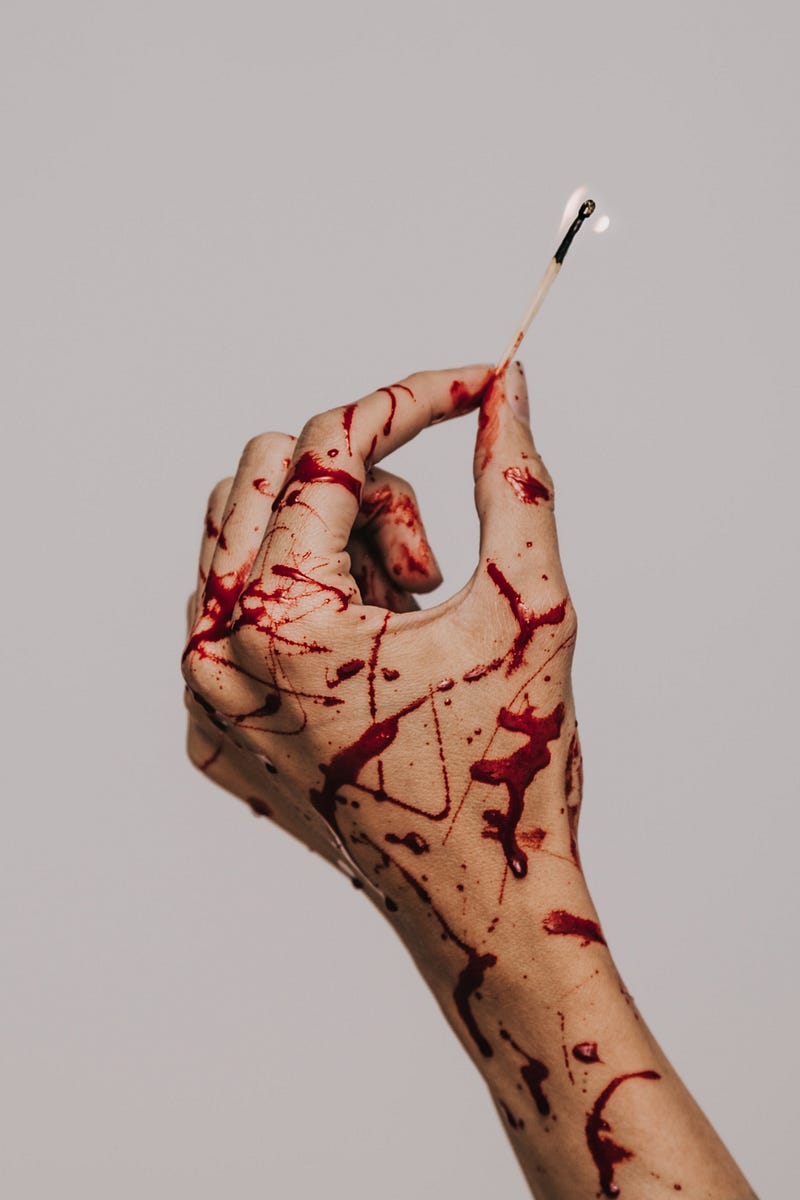
Photo by Maan Limburg on Unsplash

The idea of the suffering artist is deeply ingrained in society, almost as if it’s encoded in our collective DNA through stories of literary giants like Hemingway. Artists that sculpted their names in history: Victor van Gogh, and Beethoven, just to name a few.

True art, the deepest art, brings out something pure — a strong emotion in us.

So, it makes sense that we would believe it comes from somewhere extreme, something profoundly otherworldly. This is why the tortured artist trope was easily digestible by the masses. And when you heard that Stephen King was an alcoholic, it made sense, because how else would one possibly conceive a book like ‘Carrie’?

Growing up, I understood that I suffered greatly from mental health issues, but I always thought, at the back of my mind, perhaps this was the trade-off.
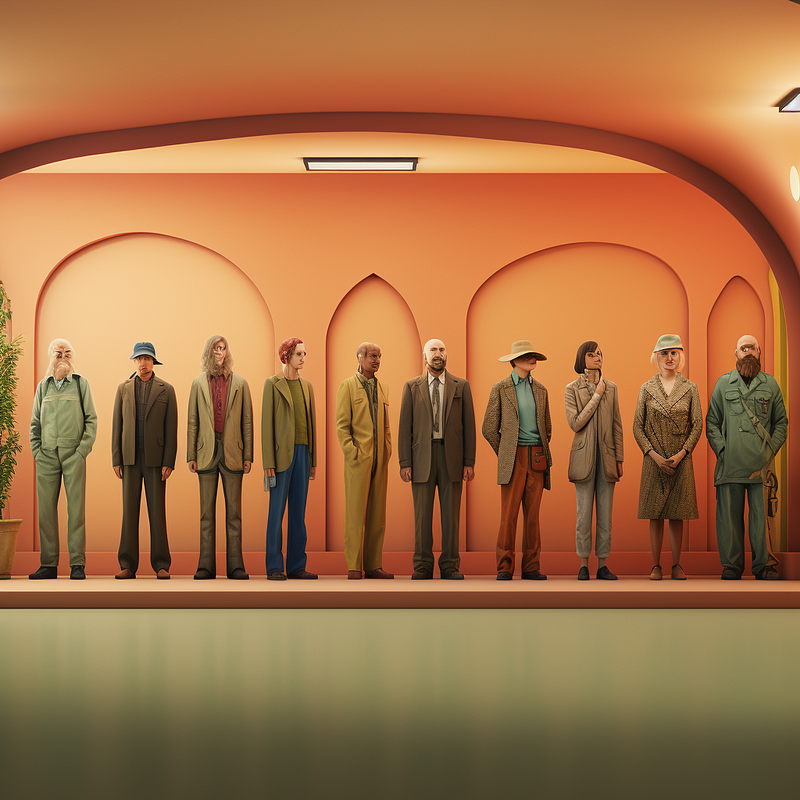
Generated : Mid Journey

When I explained it to people, I stood in that proverbial line where beauty, kindness, and other things were handed out. However, I chose creativity, and though they asked me to read the contract, I said yes and accepted without reading the fine print.

However, the landscape for writers has shifted, particularly with the advent of social media, leading to a demystification of the creative process.

Influential figures, such as Margaret Atwood, Shonda Rhimes, and Stephen King, openly share insights into their writing methods, dismantling the romanticised notion of enduring suffering for one’s art.

So yay! I got therapy and separated my mental illness from my artistry.

But I found that my art suffered because I was getting better.

I longed for the days spent in my dark room crafting art until it was something I was happy with.

However, upon further analysis through self-reflection, I understood that what had happened due to my mental illness was that the approach towards the writing process was unpredictable in a tortured artist kind of way.

So, it wasn’t so much that I was less creative; I just needed a new process based on a new set of ideologies.

Here are some strategies I employed

#1. Write at the same time every day. Showing up consistently, without waiting for the depressed moments, made me appreciate my creativity. I understood that it was always there to be accessed whenever I needed it.

#2. Established a Methodical Process: a structured approach for moving work from one stage to the next — drafting, revising, or editing. This was mutable based on project size, but the structure ensured that I didn’t meander and become lost in the work.

#3. Avoid becoming excessively attached to your creations. While passion is crucial, allowing too much emotional investment can hinder objective evaluation. Excessive emotional attachment in the past had impeded my ability to objectively evaluate and improve my writing. With this approach, I was able to see past my tribalism to understand and utilise critiques from the reader.

#4. Seek Community Support: This artistic process does not have to be solitary; I don’t have to hide in the dark cave, drowning in whiskey. Having a supportive community can provide encouragement, valuable insights, and a sense of camaraderie that eases the weight of the creative struggle. I joined a local group that meets at the local library weekly.

Key Message: Art is not a condition of a mental illness and to reduce it to that is an insult to your creative self.

Thank you for reading!

Midform
Short Form
This Happened To Me
Life Lessons
Writer
Recommended from ReadMedium