
The Ali I Knew
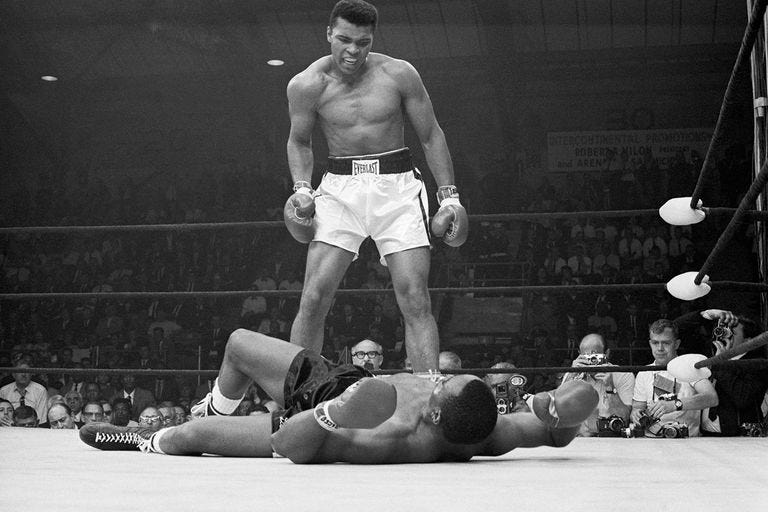
The world’s most famous man was bored.
Stripped of his title for the second time — this one taken in the ring by a gap-toothed, goofy Leon Spinks rather than a judge — he still immediately drew adoring crowds whenever he went out. At home on Chicago’s South Side, he was surrounded by his wife, Veronica Porché (a former model) and kids from various marriages. His younger brother Rahman lived nearby. Half a block away stood the home of his spiritual mentor, the Honorable Elijah Muhammad. It was still occupied by the Black Muslim hierarchy after their leader’s passing, three years earlier. Still, in mid-March 1978, six weeks after losing his championship belt to Spinks, Muhammad Ali was rotating in a very tight orbit.
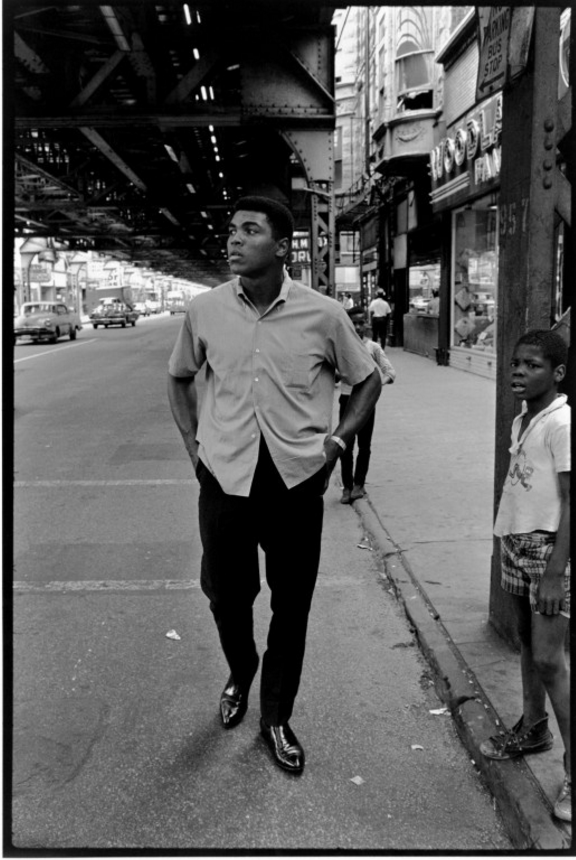
Although he didn’t know it yet, brothers in boredom were nearby: two young law students from the University of Chicago, facing their last Easter break and a seemingly-pointless final trimester before launching into legal practice and politics. Cyrus’s and my decision to scheme a way to meet the global legend didn’t start crazy. We knew Ali lived just a few blocks away from my apartment. If we could spend our remaining Chicago months working with him, we knew we’d leave Hyde Park with something more memorable than our last class in Principles of Federal Taxation.
I had been compelled by Ali’s career going back 14 years to the first Liston fight, when I was in 5th grade. My dad told me that Clay wasn’t just going to lose to The Bear — he was likely to get killed in the ring. I ran out of our driveway the next morning to get the Tribune, and there was irrefutable proof that my parents didn’t know everything: a full page shot of the triumphant post-fight Clay, proclaiming he’d “shocked the world”.
The religious conversion, name change, and association with the Nation of Islam quickly followed, and then a series of dominating title defenses, before Ali had his title stripped for refusing the Draft, and spent three and a half years bout-less. Three months before the Supreme Court would reverse his conviction, I slipped into to a seedy movie theater to watch a live telecast of Ali’s first fight against Frazier, and suffered through Ali’s first loss.
Incredible, punishing fights followed including the rematch against Frazier, and slugfests with Ken Norton. Then came Ali’s stunning upset of the giant George Foreman in the Rumble in the Jungle. The black David had felled Goliath, and recaptured the title belt. Ali remained champion for three and a half years, through 10 successful defenses … until Spinks.
It struck Cyrus and me over beers in my third floor, drafty and dangerously off-kilter apartment that the best thing Ali could do now was to entertain two overly-educated white guys. Maybe together we could pull off an event to pick the deep-pockets of the Windy City’s legal powers on behalf of the neighborhood’s poor.
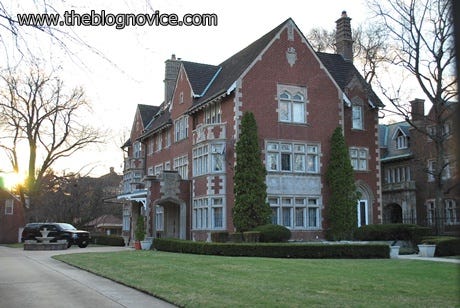
We already had driven by Ali’s house. It was an elaborate three-story red Tudor on Woodlawn about 10 blocks due north of the Law School. So we put on our three-piece wool interview suits and headed out, with the outline of a plan, and no sense of reality whatsoever.
The Ali mansion wasn’t gated then; we strolled up the driveway and rang the front doorbell. No cars in the round-about in front, no sound in the house. No answer.
Then I remembered that Elijah Muhammad’s home was up the block. Why not ask the Nation of Islam folks there when the Champ might be back? The house at the corner had a fence, but it was decorative and with Cyrus waiting at the curb, I went up the walk and rang the bell, oblivious of the cars with the dark-tinted windows parked on the other side of Woodlawn. I told the woman who answered the bell that we had gone to the Champ’s house for “a meeting”, and getting no answer there, wondered if she had a suggestion.
“Wait here.”
It was Chicago cold, but I was beginning to sweat out on that front porch, wanting to peek in the front windows to the left of the door, but pretty sure now that I was being watched. The woman returned. “I called the house. Go back. They’re waiting for you.”
We ambled back down Woodlawn feeling pretty pleased with ourselves, but the first time we rang the bell at Ali’s, there still was no answer. After a long pause, I rang it again, and then a third time. That was enough for Cyrus, who turned and walked out from the elaborate, covered archway from the front door. I had just done a 180 to follow, when I heard the door open behind me. When I whirled around, there was a tall black man in a black suit and black bowtie, with a smoothly-shaved head, and a pistol in his hand. Pointed at me.
“We rang the bell a few times ’cause we were afraid…” I stammered, intending to say “that nobody was home.”
But before I could complete the sentence, the man said, in a deep voice you only hear in horror movies and Barry White songs, “There is no reason to be afraid.”
Before Cyrus could come up behind me, the mystery man turned aside and said, “come on in.”
In we walked. Our greeter spun to the right of the door, opened the front hall closet, and set the gun on the top shelf. When he turned, I was taken aback — he looked to be our age, and he was smiling. “I’m Jesus,” he said.
We made full introductions, and learned that Jesus Muhammad-Ali was Elijah Muhammad’s grandson, helping the Champ for a while. We were in a large entry, at least twenty feet across. The floor was entirely white marble tiles with rich black veins running through each square. In the middle was a huge round wooden table, topped by the biggest bouquet of roses I had ever seen. There had to be a hundred flowers in that vase, and I leaned in to smell them. Nothing. What the?? I nearly touched a blossom with my nose when Jesus said behind me, “they’re silk.”
“Ah, yeah. Really convincing.”
On the other side of the entry, to the right, were the stairs going up to the second floor. They seemed Gone with the Wind-wide — maybe six feet across — and the carpet looked like red velvet. More immediately to our right was the formal living room; beautiful, but every piece of furniture was covered in plastic. To the left, a long hall led to what we later learned was the kitchen.
“So ….” Jesus said.
“We’re from the Law School and we have a charity idea we want to discuss with Rahman.”
“Wait — you ain’t here for the Champ?”
“Not exactly. Just Rahman. For now. We heard he was with the Champ. Right?”
“Maybe. You’d better wait.”
We looked around, and despite the room’s size, there were no chairs. “Sit on the stairs,” Jesus told us, and then headed off down the hall to our left.
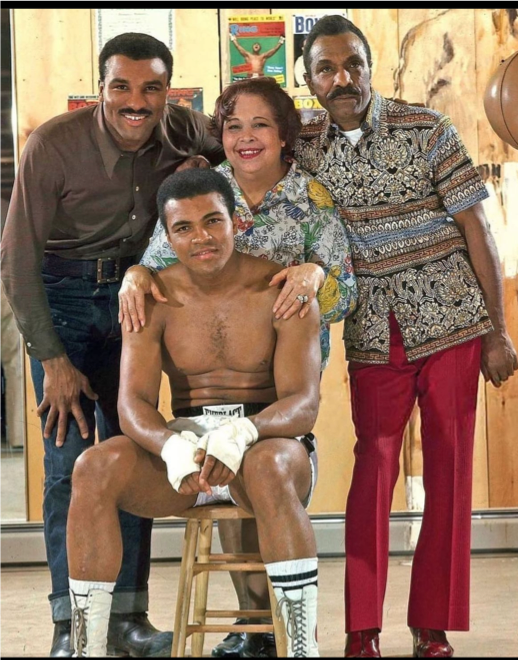
Cyrus and I were like little kids who hit Christmas months early. We scouted the room, rehearsed our pitch, and waited. And waited. It was probably 20 minutes before a phone rang deep in the house, and suddenly we could hear people scurrying down the hall, a car pull up in the pebbled driveway, and then the front door fly open. In walked a willowy, beautiful woman, moving fast but with a runway swagger. Barely even glancing at us, she disappeared down the hall. Veronica! We rocketed to our feet. Jesus rushed in, in her wake, with four boutique bags in each hand, and he too hustled off. There was a pause, and then through the door, winter sun behind him, came the Champ.
His glide was unhurried but he was clearly preoccupied. It took him a beat to register that there were two guys in suits in his entryway. He cocked his head as Jesus reappeared.
“They’re here for Rahman.”
“What?” said a voice I could have identified in a hurricane. Ali looked us up and down. “Whatcha want with Rahman?”
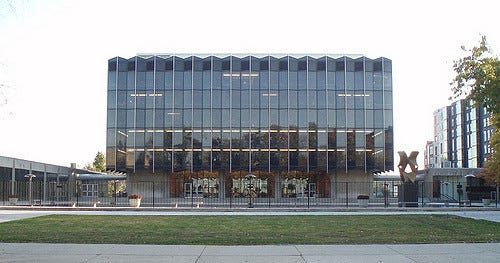
We launched into our pitch about arranging exhibition fights, with Rahman as the MC, and the money to go to a charity to help the residents of the desperate South Side. We stumbled through our rationale — our Law School sat in one of the worst slums in the country, but literally faced away from the neighborhood, with its south side a blank tinted glass, guarded by a chain-link fence. That was how the legal community faced the powerless parts of the city, too, but we thought we could pull them back for a special event, and raise meaningful money.
The three of us were standing to the side of the rose table, and Ali was watching us, trying to figure out what in the hell we were up to. “And you want Rahman for this?” he said, shaking his head.
“Well yeah, we figured he’d be a draw.”
“Rahman? How many lawyers know Rahman? You sure you don’t want me?”
“Well Champ,” I said in a rush, jumping on the opening we hoped we might get, “we know how busy you are, and we don’t wanna impose. We’re pretty sure we can pull this off, just with Rahman.”
“I think you boys need to sit down,” Ali said, pointing to the stairs. We sat on the second step, sinking back into the red carpet, and he joined us. “So how this gonna work?”
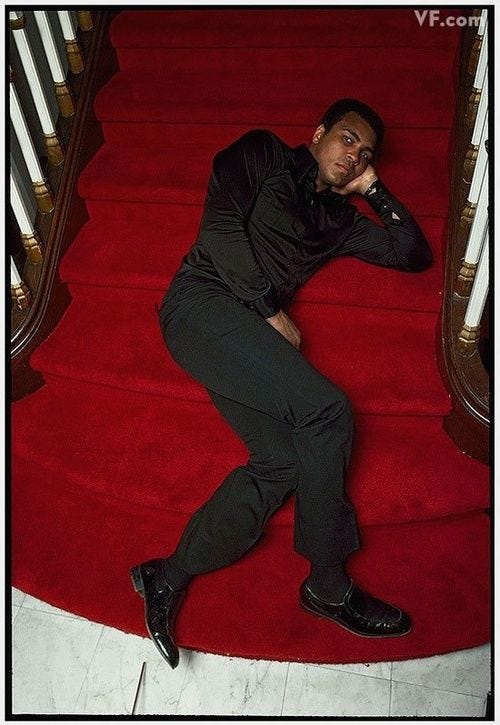
Thus began the strangest few weeks of our lives. Ali quickly “convinced” us that he’d be a much bigger draw for the event, and we started planning with him how it would all come together. Soon there was the smell of chicken cooking down the hall. Ten minutes later, a woman’s voice called out for him from upstairs. He seemed irritated, but said, “Alright. You boys figure this out and then come back to see me.”
Cyrus and I felt invincible as we let ourselves out. It took almost a block before we touched pavement. What had we just done? How were we going to pull this off?
The next morning, we wrangled an appointment with the Law School’s Dean, Norval Morris, a Kiwi who ran a school famous for its miserable student life — it was like the old movie The Paper Chase, but colder. It was Dean Morris, at the end of our First Year, who had approved our taking over the sedate Wine Mess — a Friday mingle of students and professors — and watched with amusement as we turned it into a giant weekly party. He also had let us commandeer the bartending for the School’s events, all with our best friend, Emo. We had cruised through Morris’ Criminal Law course, and to the best of his knowledge, had not been apprehended breaking any of the statutes he taught us.
We figured he’d be a bit skeptical of this Ali idea, so we came prepared for oral arguments, with assertions that we’d improve town/gown relations; entice alumni to return to the school and donate; cast the Law School as the cool leader of the University; and a slew of other “can’t miss” concepts. But we soon realized the perfect bait: “That would be a national media event,” Morris asked, “don’t you think?”
“Oh, global sir,” I said quickly.
“Ali is an iconic athlete known in every corner of the world,” Cyrus added, pointedly.
“Imagine an event set in one of the world’s premiere institutions.” We were machine-gunning our lines now, almost talking over each other, each afraid he’d burst out laughing if he looked at his co-conspirator.
“With the cream of the country’s legal profession in attendance…”
“For a charitable purpose…”
“It’s sure to draw the cameras, sir.”
Dean Morris was nearly levitating. We had his blessing, but we’d better bring that “national media attention”.
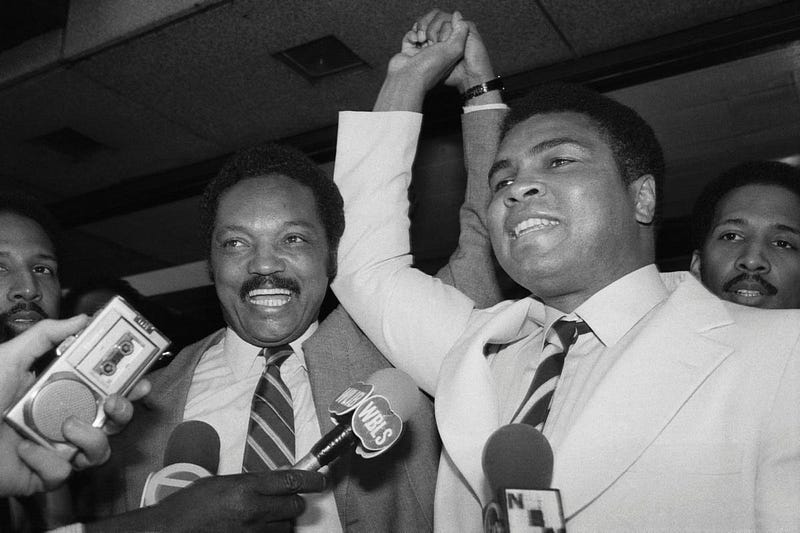
Next stop was nearby — the headquarters of Operation PUSH (People to Serve Humanity), to meet its founder, the civil rights leader, the Rev. Jesse L. Jackson. Once again, we ventured into unknown terrain in our three-piece suits, securing a meeting with veiled references to “an event with Muhammad Ali”.
In the decade since Dr. King’s assassination, Jesse had become the face of the civil rights movement. Growing up in the Chicago area, I had watched him on television, popping up wherever there was action. Now meeting him for the first time as he ushered us into his darkly-paneled office, I was most struck by how huge his hands were. Ali had big hands; Jackson’s were NBA-enormous. As I was looking down at them, Jackson flipped my tie up and out from behind my vest.
“Nice tie,” the Reverend said.
He quickly took to our idea. “The Champ has blessed this?” Jackson asked in his molasses tones.
“Oh yes sir. Completely. And the Law School is in. And we have reason to believe the big law firms downtown will be with us. We propose to give all of the net proceeds to PUSH.”
“With some adjustments, this could attract substantial press interest…” Jackson mused, his voice rising.
“Oh yes, sir. National media attention,” Cyrus and I said in unison. And nodding to Jackson’s secretary, our grins barely contained, out we walked, with Jackson’s support.
We couldn’t wait to tell Ali. He was smiling through our recap. We were again sitting on the red-carpeted steps leading up from his entry hall, Ali with an unplugged rotary phone in his hands.
“And we think we can get national media attention for this, Champ,” I said, returning to what had become our signature hook.
“You boys think I need help to get on TV?” Ali asked, his smile widening.
“No, no, ah. No. Of course not. It’s just that we thought …”
Ali’s voice, always soft, dropped further. “I don’t need more TV. Don’t you worry about that. We gonna help people?”
“Yes sir.”
“That’s it then. Help people. That’s what this is. Don’t go thinking ‘bout that other stuff.”
He sounded tired, so tired that it seemed an effort just to put the sentences together. We had noticed how unlike his public persona he usually was with us — talking barely louder than a whisper, short comments seemingly drawn from a great depth, and frequently slurring his words. Was he exhausted? Been hit too much? We couldn’t tell, but it was disconcerting.
Phones rang throughout the house. Ali plugged the phone he was carrying into a wall jack beside him, and never leaving the stairs, said “hello?” in a voice I’d associate with a man awakened suddenly from a very satisfying nap. It became clear that the other party was a reporter, and Ali reacted as if a switch had been flipped. His voice rose to a near shout, and a steady stream of rhymes and jokes flowed almost without a break nearly a minute. Finally, the reporter got in another question, and Ali was off, word-sparring again. I remember something about “the world gonna learn I’m still the only true champion. That poor boy knows the belts are mine. I’m coming to liberate ‘em.” Ali was animated, still seated, but his free hand slashed through the air with each line, and his eyes were twinkling.
Then he hung up. His shoulders drooped, and his voice barely registered as he turned back to us. “You doin’ good boys. Keep goin’.”
For over a week, the planned event became more and more grandiose, at least in my head. The exhibition matches would pit lawyers, who would bid for the privilege, sparring with local fighters (Rocky had won the Oscars’ the previous year, and every alpha male was harboring dreams of proving they weren’t bums). We’d lure a legit championship fight to the card in a lower, less-visible weight class.
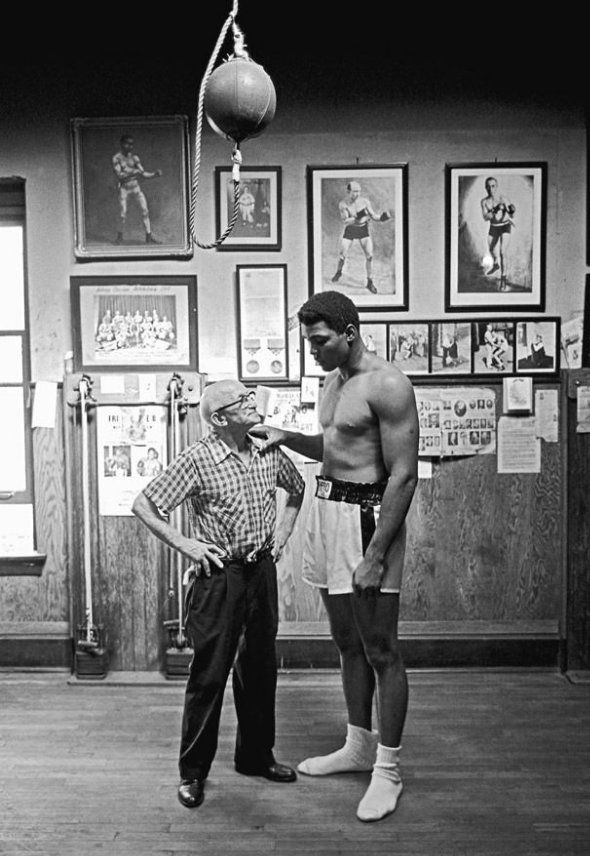
I thought I could get some leads from the Windy City boxing gym, a decrepit but historic 2nd floor walk-up space under the shadow of the elevated train tracks on East 63rd, where I occasionally trained. And since we’d be operating from the Law School, there’d be serious seminars on the role of the law in society. Jesse would preach. And over it all, Muhammad would preside. It was epic, it was gorgeous and it was just plain nuts.
At some point, we confirmed with Dean Morris that he’d reserve the school’s auditorium for whatever presentation element would anchor the event, on the late April date Ali had given us.
Privately, Cyrus was getting worried. He was five years older than me, with a Masters in Economics, and a firmer grip on reality. He ticked off all the things we didn’t have: a ring, refs, licenses and WBA sanctioning, doctors, ambulances, insurance … and despite my Windy City hopes, any committed boxers. But with the Law School’s auditorium, we could pull off a screening.
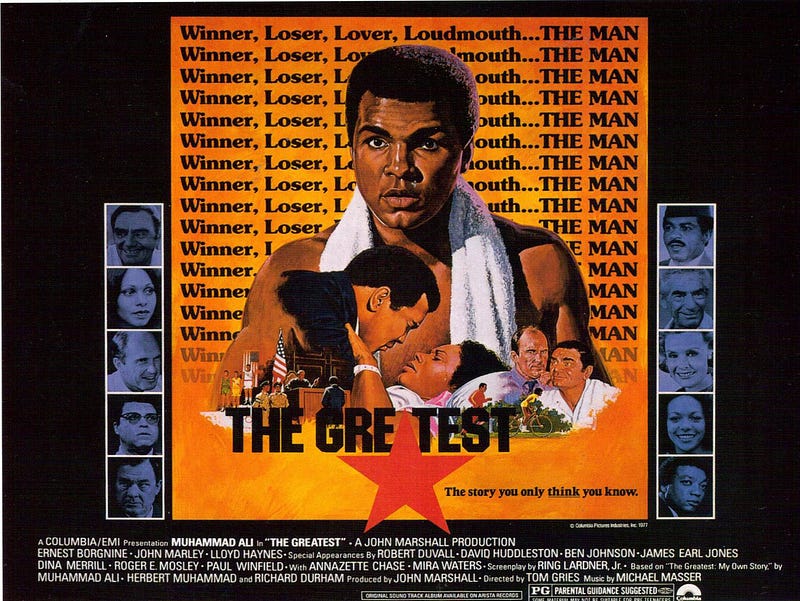
So on our next visit to the big house, we pitched Ali on turning things into a charity showing of The Greatest, a bio pic the Champ created and headlined. Released the year before to a slim box office, the film would benefit from the new attention. Ali liked the change, and that was all that mattered to us. He told us to call some studio guy in LA, tell him we were the Champ’s agents, and have him send us a print. Problem solved.
Our budding friendship with Jesus sometimes was more of a challenge. We had spent time with him on our various visits, and despite our first impression, unarmed, he was a shy kid a few years my junior. His isolation was a result of an upbringing that would have been tough for anyone: he was regarded by the Black Muslims as “an angel of god”, his natural curiosity deemed a divine gift. He let us know that he had come up with a new concept for propelling submarines, and had explained it to then-President Carter in a White House meeting. Knowing that Carter had been a protégée of Admiral Rickover, the founder of the Navy’s atomic sub program, we wondered how this all had gone over. It seemed clear that Jesus needed to get out more. So we decided to take him with us to the student gym.
On all previous occasions, we wore suits to Ali’s home. This time, we appeared on his doorstep in sweats. “Whatcha up to?” the Champ asked, ushering us in.
“Headed to the gym and came by to get Jesus.”
“Wait. You takin’ Jesus with ya?”
It suddenly occurred to us that maybe Angels of God weren’t supposed to sweat. And we liked to hit the speed and heavy bags. Pretty sure Angels didn’t box. We started back-pedaling with Ali. “Just gonna, ‘ya know, hang out.”
“And do what?”
“Oh I don’t know — shoot some baskets, maybe run a little. Lift weights.”
We were sitting on the entry stairs again, waiting for Jesus to meet us. I was sitting next to the Champ. Rahman (who retired after his own heavyweight boxing career six years before) wandered in and sat on my other side. “Wait — you lift weights?” Ali asked dubiously.
“Um yeah.” I was acutely conscious that I weighed about a buck seventy, and was sandwiched between the once and future heavyweight champion and his even-larger brother.
“Like what? Do ‘ya — you know what I mean,” Ali pantomimed lifting both arms out from his chest.
“Bench press? Sure.”
“How much you lift?”
“What — for a set or max?”
“Max.”
“Um I don’t know. Maybe two and a quarter.”
“Wait. A skinny little white boy like you?” Ali and Rahman both pivoted, and stared at me — two huge dumfounded book ends. “So how you do it?”
“What do you mean?”
“Hands — in close or out wide?”
“I don’t know — I guess just normally.” Ali made me show him.
“Ain’t never done that.”
“You’ve never lifted weights?? How can you be so big?”
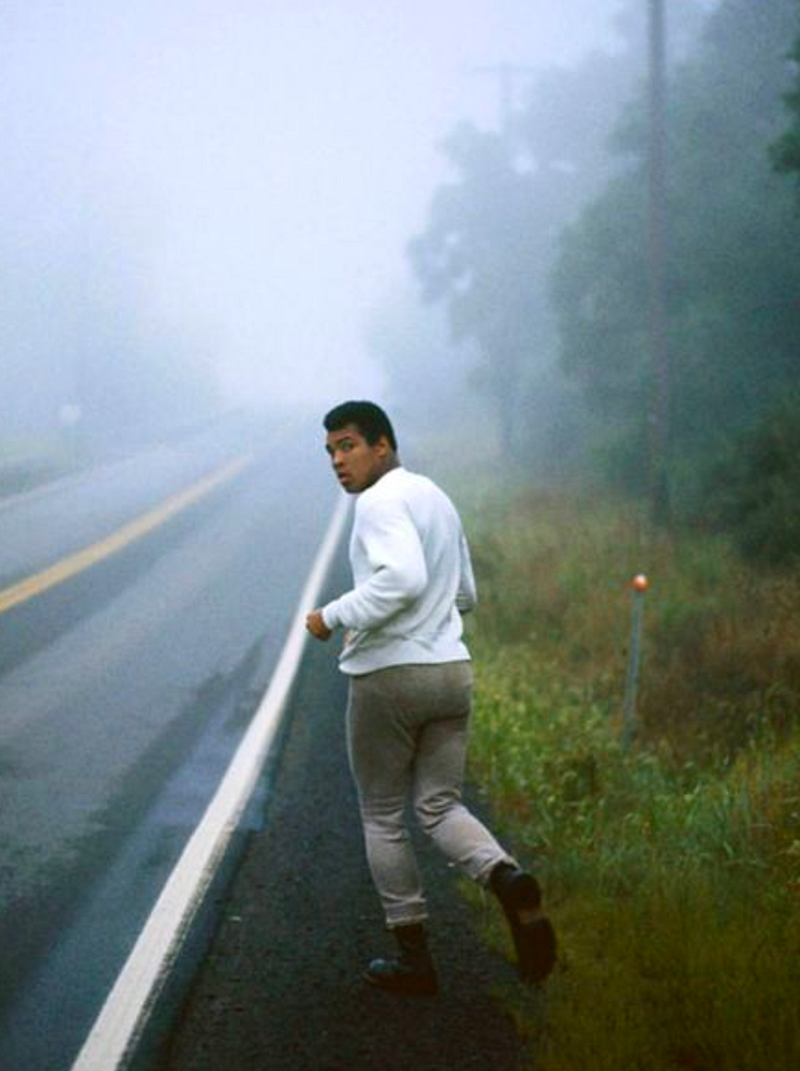
“Plenty of other ways to make muscle when you box. Run a lot. Sit-ups. So many sit-ups. Hit a bag. An’ at my trainin’ camp in Deer Lake, chop lot’s a wood.”
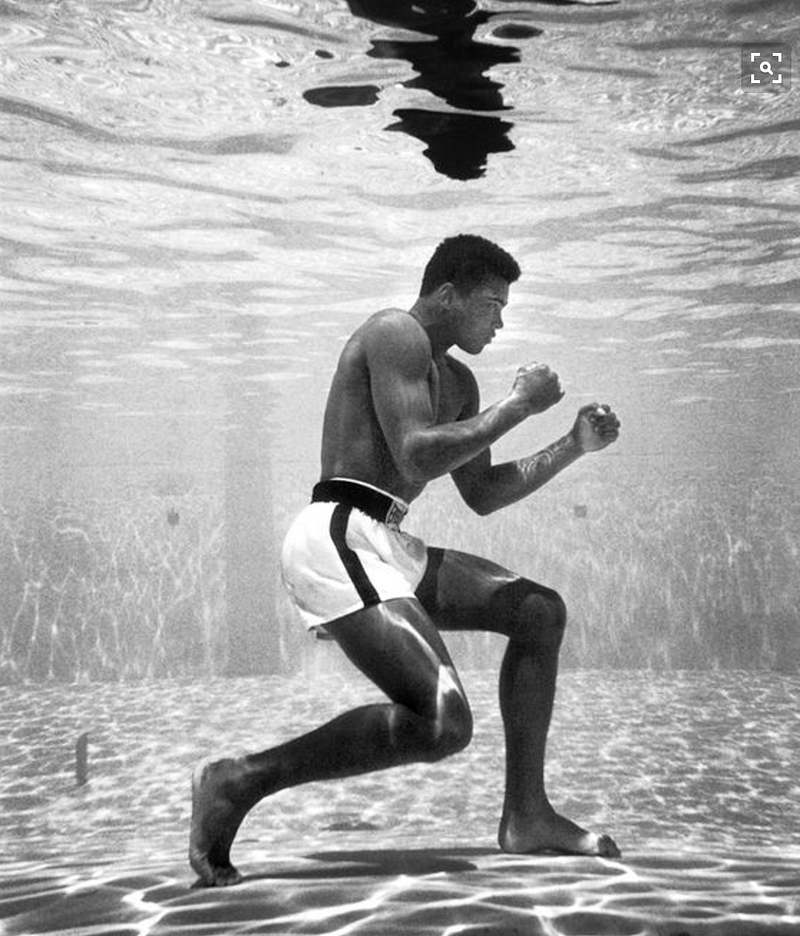
“Yeah — and I remember that you shadow box underwater,” I said, thinking of a photo essay that Sports Illustrated had run on him some years before.
Ali looked at me like I was a lunatic. “Whatcha talking about?”.
I explained.
“That magazine thing? Naah. Never did that. Made it up for the magazine man.”
“Holy smokes! I’ve been trying to do that underwater stuff for, like, 5 years and I can never stay on the bottom,” I confessed.
“It ain’t real.”
Now Jesus came in, so the impromptu fitness clinic was over. Once at the U of C gym, I went to scout out what of the meager equipment we could use. The gym was ancient, creaky, moldy and barely equipped even for jogging around the tiny, steeply banked indoor wooden track upstairs.
Meanwhile, in the locker room, changing into his own sweats, Jesus said to Cyrus, “You may have noticed that I have shaved all of the hair from my body.” Cyrus gave him a noncommittal “cool”, so Jesus explained: “It focuses my energy inside. No longer wasted on the unnecessary exterior.”
Then Jesus turned to one of my sparring partners, a graduate history student who was as white and suburban-bred as we were, and proceeded to explain the responsibilities of being an angel of god. Moments later, my friend interrupted me on the speed bag. “Ya’ know what that guy just told me?” he said, his own eyes wide.
“Um, probably, yeah. He’s had a weird life. Let’s just roll with it.”
We taught Jesus how to hit the speed bag, and he demonstrated on the heavy bag the only two punches he said we needed to know: a rabbit punch (to the back of the head) and a kidney punch. Illegal in the ring, but vital, he maintained, in his role as security for the Champ.
For more than a week thereafter, we were either rock stars at the Law School (as Morris in his excitement had leaked the news of our plan) or regarded as hanging with some really colorful characters. Either way, we were cruisin’.
Then we got a call from Jesus — we needed to come over to the house. We had never been summoned before — we just had found ways to show up, every few days. Somebody else answered the door. Someone we had never seen. There were a bunch of cars out front, and a bunch of people inside. We were taken downstairs, into a darkened, paneled kind of a mancave — a place we didn’t even know existed. A fat man in a leather jacket wearing a Mr. T-load of gold necklaces, who told us he worked for the Champ, was watching a big TV. We sat down. After a minute, he turned to us. “Champ gotta go to Deer Lake.” There was a long pause.
“Ah, when?”
“Before Russia.” We knew Ali had been invited by the Soviet Premier to visit, some time in June. Our event was to occur some weeks before.
“Well, we’ll work it so he can get in and out easy for the event. Camp’s not far” (that it was in Pennsylvania was the extent of our knowledge).
“Not gonna be no event.”
Cyrus and I got up. We weren’t going to hear this from some parasite in the entourage. When we reached the entry hall, people were looking busy and walking in all directions. Suddenly Ali appeared, saw us, and steered us to our usual spot on the stairs.
“Look,” he said, pulling out a small black leather calendar from his pocket. He showed me the months of April and May. All days had big X’s through their boxes, except one. Ours. A pristine box in a sea of cross-hatches.
“See, it’s all been cleared. I’m goin’ to Camp and start my training. Goin’ for three weeks. Secret. Nobody’s gonna know. They all think I’m washed up. They all think I’m comfortable.” He spat the last word out.
“Ain’t comfortable. That boy [Spinks] thinks I’m through. Gonna be surprised.”
“But Champ, there’s gotta be a way you can go to Camp, and then take, like, a day off and come in for the event. I bet we can get a private jet…” (I was in full, desperate free-style.) “We can make this work.”
Ali looked at us both. Cyrus was taking it professionally, but I felt I was falling down a well. Ali put a hand on my shoulder. “See, Camp is serious. I go ‘way and I don’t stop ’til I’m ring-ready. Gonna do this, secret, then go to Russia and play like I’m on vacation, and then be back in Camp until I’m so fast I can hit Spinks from all four sides at once.”
Ali continued: “You the only thing I haven’t moved. The only thing.”
The disappointment hit hard. Tears were welling, and Ali noticed. He rose from the stairs and turned down the light. As he withdrew his hand from the wall switch he almost sang, in perfect Ali cadence, “I KNOW you’re disappointed, and I don’t blame you. But think how disappointed I was when I heard the man say, ‘The NEW heavyweight champion of the world.’”
“I want my title back. I want my title back.”
We told him we understood, and that we wanted him to be Champion again as much as he wanted it. He said something about seeing us in the Fall, after his rematch, but Cyrus, Emo and I were all moving to LA in June, and so that was just a sweetener to a sad goodbye. We stumbled out into the cold, under the kind of slate sky that is as much a Chicago mainstay as deep-dish pizza. The nine blocks to our apartment, which we normally covered almost at a run, now felt endless.
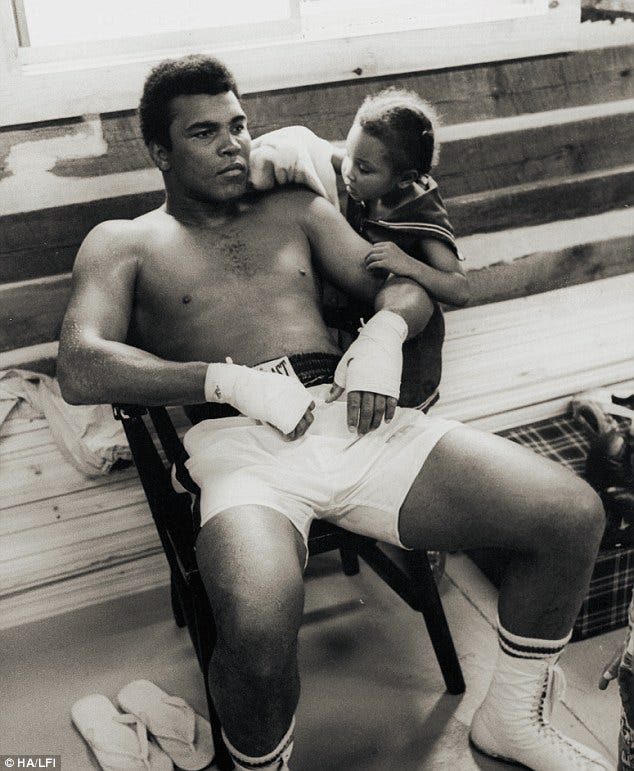
There was no media coverage of the secret training period, but Ali indeed worked hard in Deer Lake. In June he went to Russia and made news daily. We graduated, despite having broken Dean Morris’ heart, and set up in LA to study for the Bar Exam. Amidst sunshine and prep class cramming, we followed the hoopla for the Champ’s rematch with Spinks.
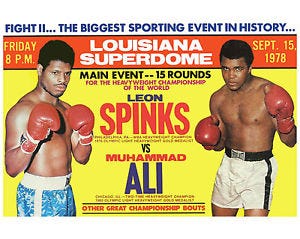
The last day of our first week as baby lawyers, half the country away in the New Orleans Superdome, Ali got his title back. After the fight, Spinks said, “He is still my idol.”
And Ali remained my idol as well. Nearly 13 years later, my life revolved more around board rooms than boxing gyms. On January 28, 1991, however, I was ringside at LA’s Forum for a televised bout between my friend and sparring partner, David Kilgour, and Bobby Quarry, the youngest brother of Ali’s one-time challenger, Jerry Quarry. My guest was Gold Medal-winning heavyweight Lennox Lewis, who would later become the undisputed Heavyweight Champion.
At a break between undercard fights, we noticed a commotion on the other side of the Forum. The stadium announcer, with obvious excitement, intoned “ladies and gentlemen, we are fortunate tonight to have one of boxing’s legends among us. Olympic Gold Medal winner, and the only 3-time Heavyweight Champion of the world, Muhammad Ali!” The fans erupted.
Lennox leaned over to me, and yelled over the uproar: “He’s why I’m a fighter. That’s who I wanted to be. And I’ve never met him.”
“You’re kidding? Never?” Years before, I would have sprung to some hustle. But as long ago as it had been for me, the years since ’78 had been far longer for Ali. His now-diagnosed Parkinson’s had left him shaking, silent, and seldom seen.
“This is probably a bad idea,” I told Lennox, “but let me try something.”
I picked my way past excited spectators around the ring apron, while keeping an eye on the press of people centered on Ali. I could feel myself sliding back into being 24 again.
Ali was surrounded by security, his pace along the stadium floor deliberate, as fans rushed down the steep steps to try to shake his hand or get his autograph. Ali never looked up. Eyes on his faltering feet, he kept moving, every so often extending a playing card-sized slip with a Koranic verse, for a lucky fan to take out of his left hand. I remembered an image from my childhood copy of Swift that had haunted me that last day with him and his entourage in Chicago. It was an old woodcut drawing of Gulliver, on his back on a beach, tied down by hundreds of Lilliputians.
Now, 13 years later, he seemed even more to be a colossus restrained. Heartbroken, I still decided to take my shot. I positioned myself ahead of Ali’s path, on his right side, away from the security and the crowd. He slowly shuffled by.
“Champ, you probably don’t remember, but my friend and I worked for you back in ’78 in Hyde Park.” I couldn’t have felt more foolish.
The Greatest of All Time slowed, cocked his head to his right, and looked me up and down. “You dressing a lot better these days,” he said. And his eyes twinkled.
Then he dropped his gaze, continued his labored path, and slowly was swallowed up by his entourage.
© C. Richard Allen, 2017