
The Alchemist’s Apprentice
Transforming the ordinary into the extraordinary

Throughout the ages, many have dreamed of turning base metals into gold, or of finding a universal elixir of life. While this may have been a futile quest, medieval alchemy was the forerunner of the modern science of chemistry.
Leaving aside some of its quasi-mystical aspects, the early alchemists, with their methodical approach of measurement and combining elements, inspired a more scientific modern approach. While we still cannot create gold from base metals, many of modern-day products like graphene, plastic or carbon-fibre would have seemed magical to our ancestors, and remarkably modern science can now manufacture diamonds, with one company offering “ethical” gems that avoid some of the dubious practices involved in mining them in a traditional way.
Writers as alchemists
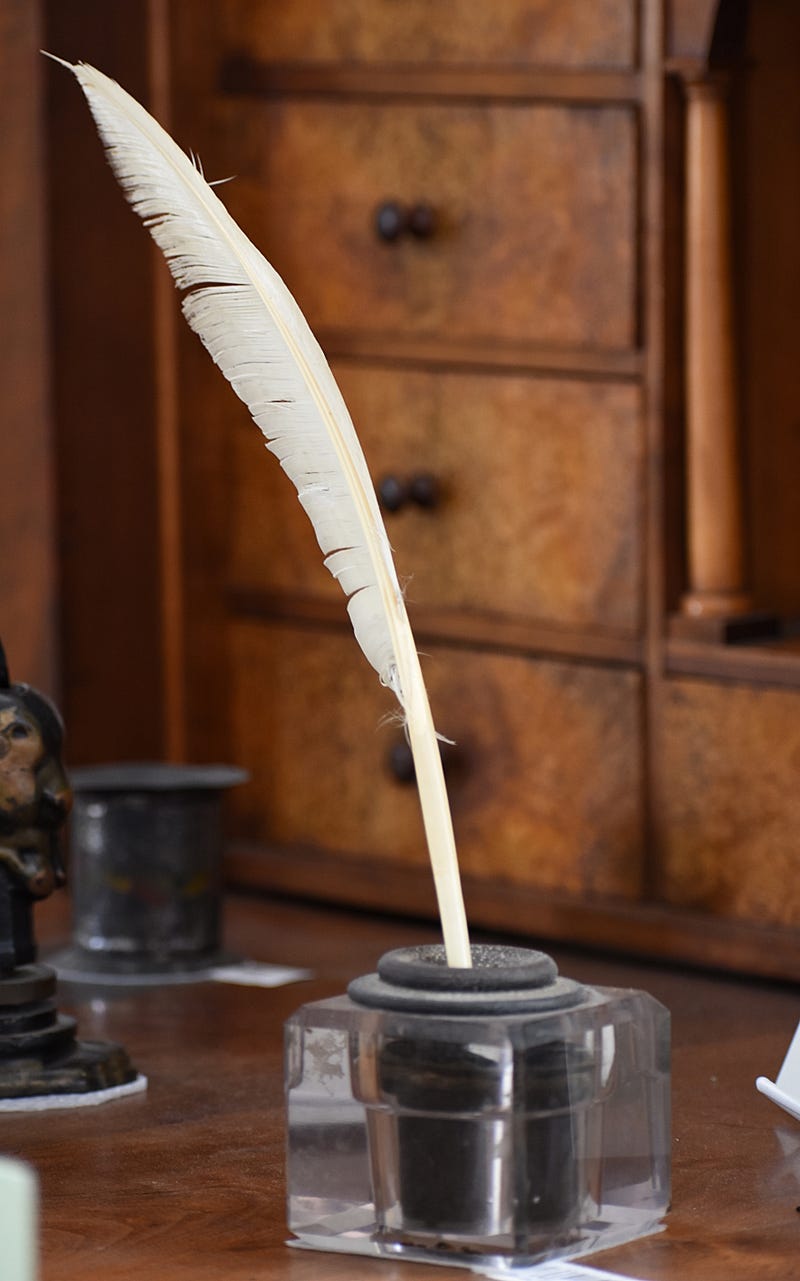
As writers we are involved in much the same process of alchemy, taking a raw collection of words, concepts and phrases, swirling in the primordial soup of our brains, and recombining and transforming them, hopefully turning base ideas into something original, polished, shiny and lucrative, rewarding for the reader and writer alike.
We may dream of emulating the lyrical prose of Laurie Lee, the skilled semantic choice and verbal dexterity of Jay Griffiths, the insight of risk expert Nassim Nicholas Taleb, the political clarity of Orwell or sparse precision of Hemingway, the breadth of vision, skilful turn of phrase and literary references of environmentalist Paul Kingsnorth, the clinical subject analysis of Michael Lewis, the nature-infused zest for life of Raynor Winn, the culinary zest of Joanne Harris, or the excitement of a novel by Robert Harris or Alan Furst. We all have our own favourites, and as apprentice alchemist wordsmiths, may envy their skill, hoping one day to hone our ability to emulate their golden output.
Following a dream

Of course one of the most influential books in the self-help genre is “The Alchemist”, by Paolo Coelho, an allegorical fable about transforming one’s life by finding and following one’s passion, which for many of us on Medium, will be a love of writing. Rather like Orwell’s “Animal Farm”, this book is a simple story on one level, but with a deeper meaning and purpose, that has inspired many to follow their dream.
Some favourite literary alchemists

I thought it might be of interest to share a few of personal favourite literary alchemists, who show particular skill in transforming their material into something to treasure.
Laurie Lee
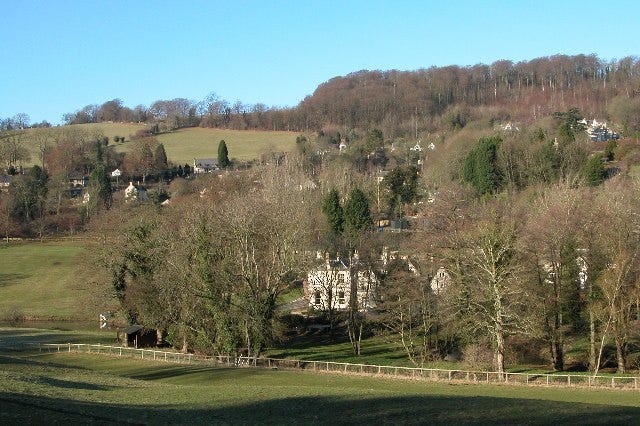
Laurie Lee was born and raised in Slad, near Stroud, a town at the confluence of several valleys, surrounded by the beauty of the Cotswolds, and his prose reads like poetry. He is most famous for “Cider With Rosie”, part of a trilogy with “As I Walked Out One Midsummer Morning” and “A Moment of War”. The later books recount the fascinating story of how he set out as little more than a vagrant, walking to the South coast, busking with his violin and working on building sites, later to travel to Spain to fight with the International Brigade in the Civil War, survive capture, and his return to the UK to eventually become an author.
Jay Griffiths
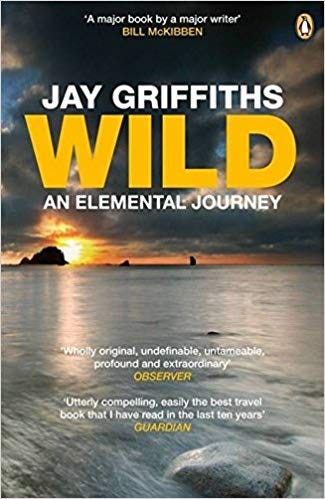
Not for the easily offended due to the sometimes “earthy” language, Jay’s writing takes the craft to another level, displaying a fluency with words and phrases that is as extraordinary as her description of the natural world, a rarely matched verbal dexterity and semantic choice. Her book “Wild” is one of the most remarkable books I have read, based on years of her travels and honing her craft, this gives just a tiny flavour:
“Life. What are the chances? Wildly improbable. That in the wastes of space, there is this one wild and living planet, the complex stonking grace of the thing: there is life here, now, and how it spins. Earth the feast in the famine of space, the festival in the desert. And even if Earth were home to just one iridescent dragonfly for just one morning, reeling one waltz over just one stream, it would still be enough, the flicker of grace. But lives gives it more: another dragonfly, another stream, another pitcher plant, another Mozart. Life gives it extra, just for fun. Generous, promiscuous, have another one.”
An alchemist par excellence.
Nassim Nicholas Taleb
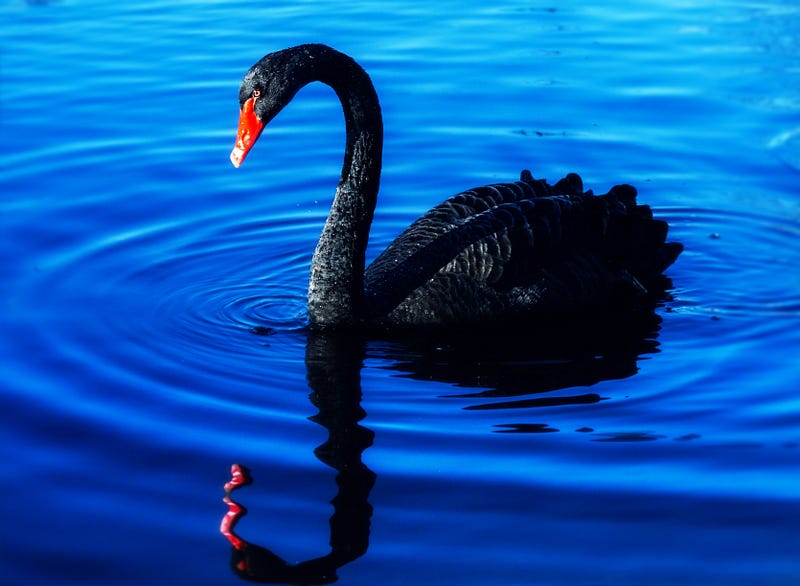
Nassim popularised the concept of a “black swan” event after the financial crash of 2008, a type of event so improbable that it is “off the radar”, but turns up unexpectedly to catch us out. A former options trader, his intellectual yet accessible style walks us through the business of risk assessment and “unknown unknowns”, in a way that makes the reader feel the subject is not as incomprehensible as it may seem. As well as “The Black Swan” he is author other books including “Fooled by Randomness” and “ Antifragile”. His non-technical writing style mixes semi-autobiographical narrative with philosophical tales, combined with historical and scientific commentary. One of those authors, a bit like scientist Richard Dawkins, who can take complex subjects and explain them well, who briefly make one feel more intelligent.
Ernest Hemingway
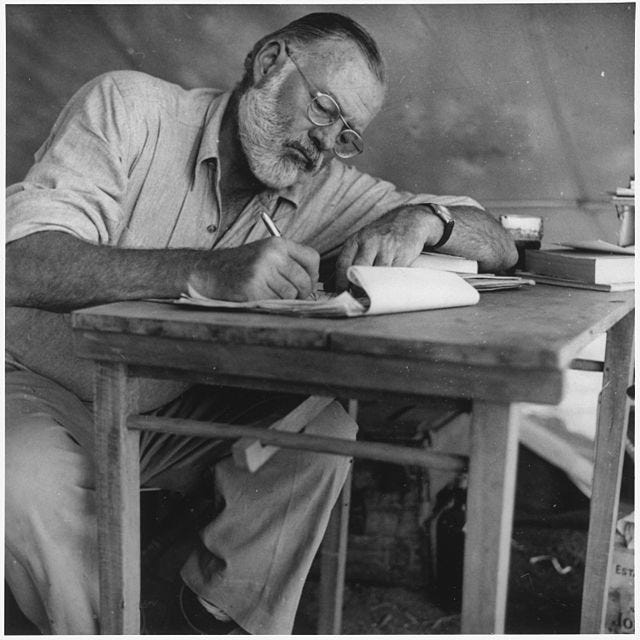
Hemingway had a colourful life, which like Laurie Lee and Orwell, included involvement in the Spanish Civil War, though in his case as a journalist rather than combatant. His writing style is renown for its minimalist simplicity, something he called his “iceberg theory” or “theory of omission”, so stripped down it exemplifies how to express things in the fewest words possible, while the action scenes in “For Whom The Bell Tolls” are as evocative and exciting as a Jason Bourne film.
Raynor Winn
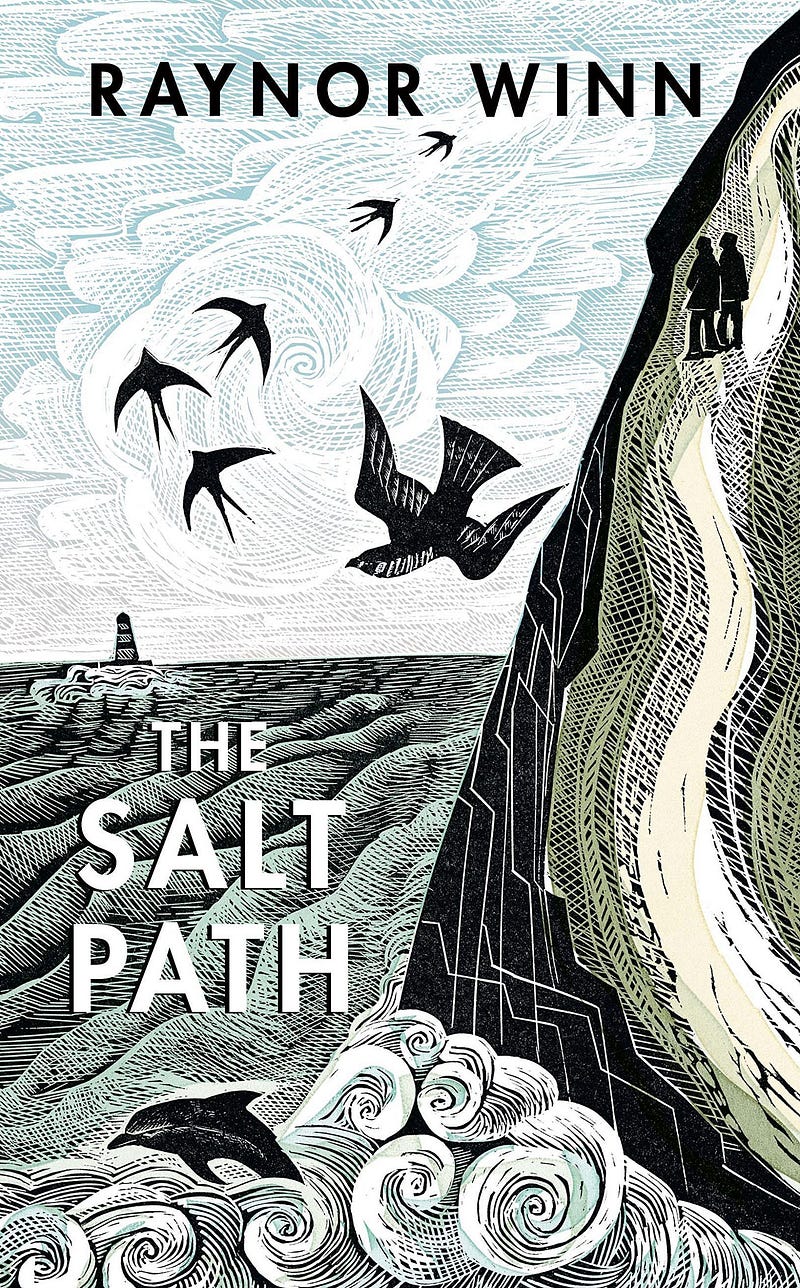
Raynor wrote out of a mixture of necessity and by accident when she and her beloved husband Moth made the worst of financial decisions that ended with them losing both their business and their home, just as he was diagnosed with an incurable and progressive illness. They say that bad luck comes in threes and they certainly had their share, but they turned this round, and followed a dream with little more than a tent, putting misfortune behind them to walk the South West Coastal path of the UK, wild-camping and finding redemption and the kindness of strangers along the way. Raynor’s writing in “The Salt Path” paints a vivid picture that demonstrates her connection with the natural world, and her love for Moth, in a way that is evocative, inspiring and touchingly beautiful, continued in her more recent books “The Wild Silence” and “Landlines”.
George Orwell
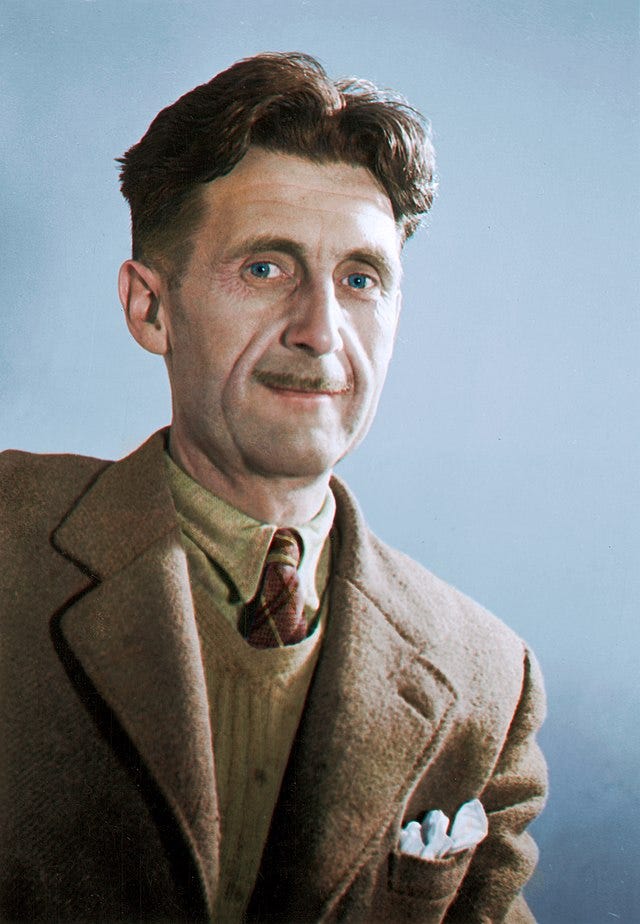
Best known for his chilling and prophetic “1984” and allegorical “Animal Farm”, Orwell was another survivor of the Spanish Civil War, much studied for his political views and literary skill, rarely using two words when one will do, and able to replicate on the page the feeling of living under the dark shadow of dictatorship, that must be familiar to residents of modern-day autocracies.
Orwell proposed the following six rules to guide writers in clarity and truth, a formula for creating gold, and his lasting legacy to the modern-day literary alchemist:
1. Never use a metaphor, simile, or other figure of speech which you are used to seeing in print.
2. Never use a long word where a short one will do.
3. If it is possible to cut a word out, always cut it out.
4. Never use the passive where you can use the active.
5. Never use a foreign phrase, a scientific word, or a jargon word if you can think of an everyday English equivalent.
6. Break any of these rules sooner than say anything outright barbarous.
Michael Lewis
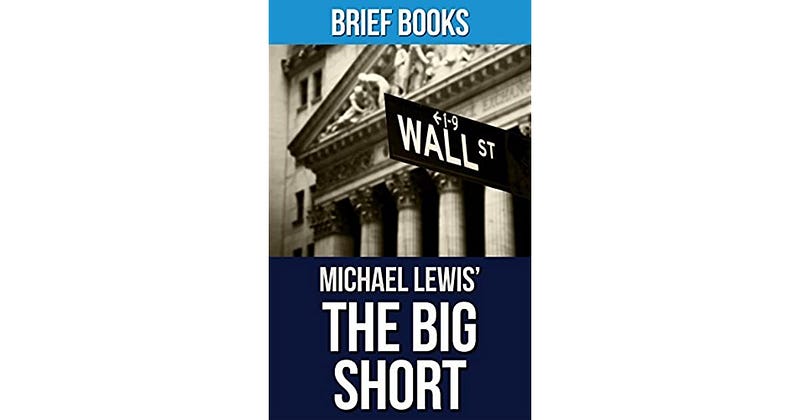
Michael tackles what could be the driest of subjects around the arcane financial products that caused the financial crash of 2008, in “The Big Short”, bringing it to life with his lively and engaging description of the characters behind it. Another gem is “Flash Boys: A Wall Street Revolt” which exposes the extraordinary scandal of the practice of “front-running” by high-frequency traders.
Joanne Harris
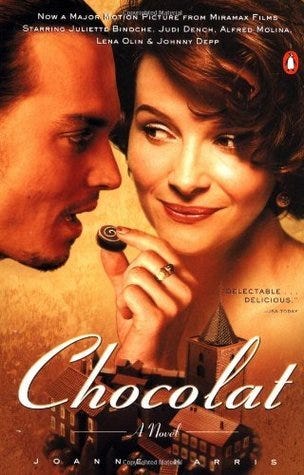
Joanne’s writing in “Chocolat” and other novels is richly infused with French culture and a love of cuisine, bringing out the warmth of humanity with a hint of the magical and mystical. “Blackberry Wine” and “Five Quarters of the Orange” also make lovely reading.
Paul Kingsnorth
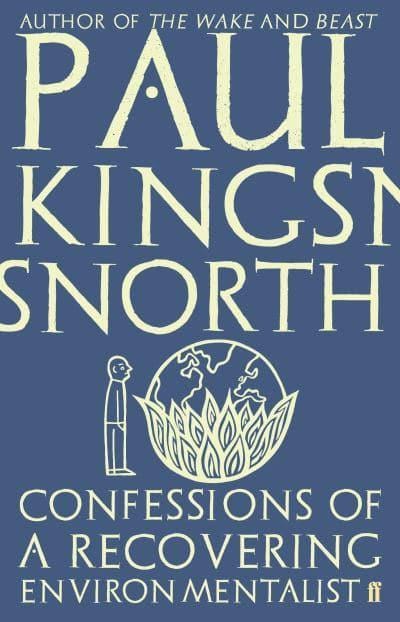
Paul is an eloquent and well-read author, described as one of the finest of his generation, though seems to have retreated from the modern world, leaving us his excellent collection of essays in “Confessions of a recovering environmentalist”, skilled in rhetoric and polemic, and has produced a manifesto decrying how humanity has lost its way in destroying our planetary home in “The Dark Mountain Manifesto”.
Robert Harris
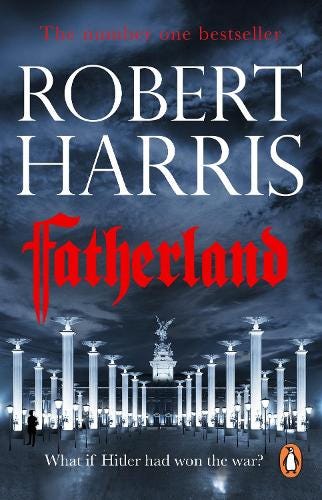
Another author who can bring history to life in his novels, including the chilling “Fatherland” based on Nazi Germany, and creepy “Archangel” about the cult around Stalin.
Alan Furst
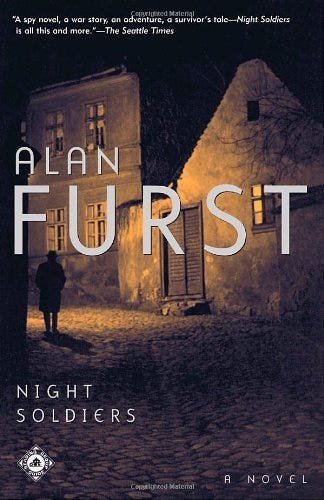
If you love spy novels, Furst provides some of the best, brilliantly evoking the feel of war-time Europe, with crisp prose and sequential narrative, that makes easy reading and carries the reader off to a different era, capturing the feel of Paris under occupation, snow swirling on cobbled streets, and the duplicity of the spying world with breathless ease and fluency.
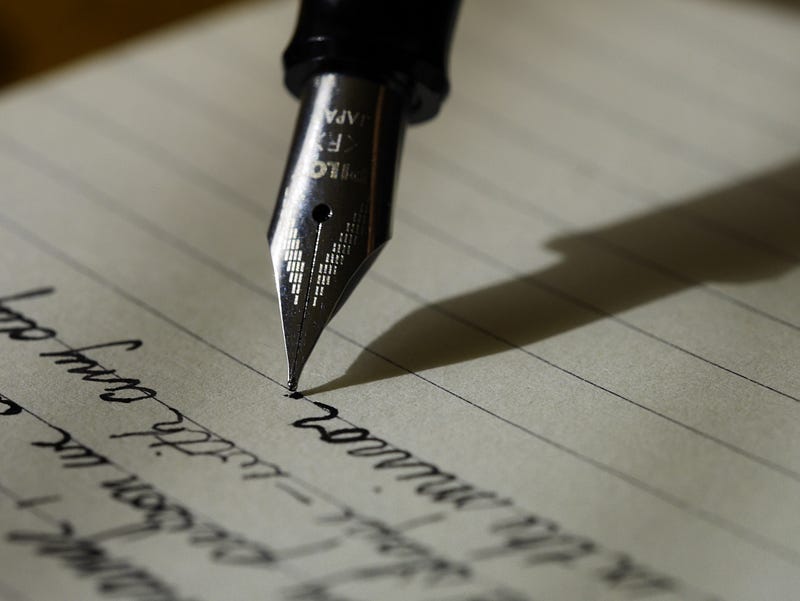
Like the medieval alchemists before them, these are just a few of the many literary alchemists who have the skill to take the raw material of words, phrases and ideas, mix them in the crucible, and transform them into a golden elixir for us to treasure and enjoy.
Do share some of your own favourite authors in the comments.
To join a new Facebook group “Medium Matters” where writers can support each other and share articles.


