
The Alchemist is a Book About Spiritual Capitalism
Apparently, having your cake and eating it is now a spiritual practice.

A short time ago, I fell for the fable that good writers are good readers.
Since I was attempting to write a novel, I figured I might try to read some fiction.
But for the last twenty years, I have found it difficult to read fiction. Mostly it was because I found a lot of it to be boring horseshit with too much ‘exquisite prose’.
I also realised that my mind had become impatient because fiction was make-believe and, therefore, worthless in my mind.
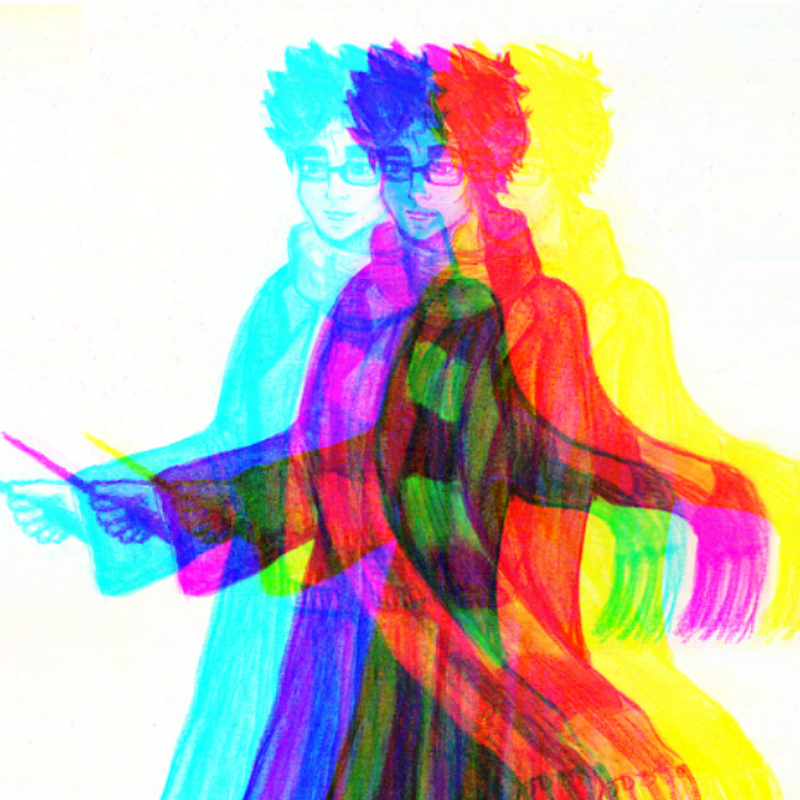
So the only fiction books I had managed to crawl through over two decades were the Harry Potter series and the collected works of JD Salinger.
Writing snobs might go: Oh yes, Salinger, mmmm, and then proceed to talk down the Potter series.
Personally, I found that the Harry Potter books emit a sense of positivity that is nothing short of downright healing. Their success is not down to literary tricks or exquisite prose. It’s real damn magic.
Anyway, I started my newfound enthusiasm for fiction by reading Candide by Voltaire.
I liked the idea of reading Voltaire because afterwards, I could speak to intellectuals at dinner parties and name drop Voltaire forcing the scholars to accept me as one of them.
Candide is a grim tale of dastardly events one after another, interspersed with amazing character rebirths.
I wondered how this was considered a comedy and had to have it explained to me by my wise cousin Mark Latham. He made me realise that the exaggeration and the unbelievable rebirths of the dead characters are comedic. It’s like literary slapstick.
I appreciated Voltaire after that.
Next, I was staring at Bukowski’s Ham on Rye, sitting next to my bed waiting to be read. Nobody had recommended it to me. I just had a feeling.
That’s when a bastard friend (Who will remain nameless) advised me to read ‘The Alchemist’ by Paulo Coelho.
I reasoned that the book was quite short with spiritual themes, and it was hugely popular at the time, so it must be good, right?
It took me a day and a half to read it.
Did I enjoy it? Kind of. But in hindsight, I have to look back at the experience and wonder if it was just camel dung.
The book seems to have a magical, spiritual flavour, and Coelho (in combo with the English translator) has a real knack for storytelling.
The Alchemist sucks you in with beautiful descriptions of exotic places and this promise of some life-changing secret that will come as long as you get to the end of the book.
It is like the literary version of the Landmark Forum.
The trouble with the Alchemist (Like the Landmark Forum) is that it teaches you fuck all.
Its main message is:
Keep trying hard to get what you want in the world because that is the meaning of the spiritual path.
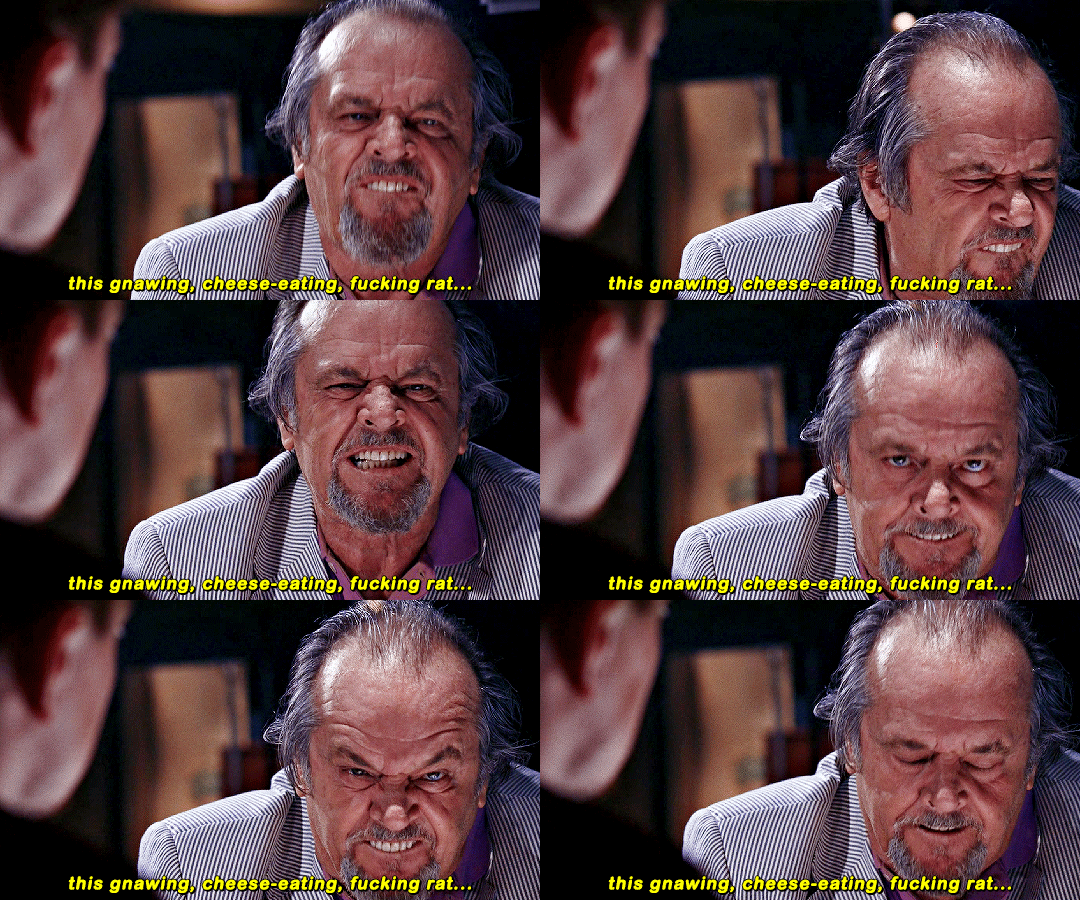
I SMELL A FUCKING RAT
People have described this book as life-changing.
- Before reading the book, these people desperately desired to have what they wanted in the world.
- After reading the book, these people desperately desire to have what they want in the world.
The only thing that changed was the tense.
And that they now think they are doing the work of God by being a selfish prick.
Let me be clear. I’m not besmirching the story. It was enjoyable, but let’s not pretend that it is anything more than a story.
The Alchemist is not a self-help book.
It’s not going to change your life, although you may think it will.
And in six months, when you have forgotten that The Alchemist exists, you will still be the same selfish turd that you always were.
Coelho is a good storyteller, and his translator was also good. The success of The Alchemist is at least partly due to that.
Having said that, I can see why our go after your dreams, marry the prom queen, real estate portfolio society might enjoy this book.
It permits you to keep chasing your desire and touts it as a spiritual practice.
After abusing my friend for recommending The Alchemist, I picked up Ham on Rye by Charles Bukowski.
To me, that was much more of a self-help book.
Observe the way Bukowski reveals his soul without any fear or hang-ups, and you will start to come closer to what it means to be authentic, which is another name for God.
If ya think this was alright, sign up for my free newsletter. That’s where I put all the really good shit.
Also, do you like books, kind Sir/Madam/Other? How about bald, penis rocket spacemen who sell books? If so, visit my author page at the cracked head gasket of the economy AKA cockrocket.com.
More from Frank T Bird (That’s me):


