
The Alarming Asian Obsession With Light Skin and Skin-Lightening Products
The skin lightening industry is worth over $24 billion….
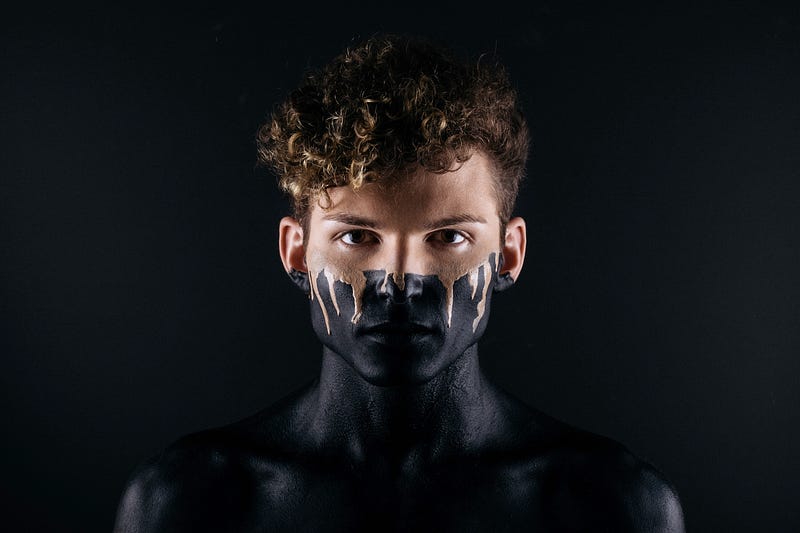
Across Asia, there is a growing obsession for light skin. Light-skinned celebrities are splashed across thousands of magazines and skin-lightening creams are in high demand.
I come from India, a country in Asia that emphasizes the beauty of light skin, especially for women. By the standard of Indian society, light skin is considered beautiful whereas dark skin is not. As a dark-skinned female, it can be uncomfortable and even embarrassing at times when I visit back home.
Of course, I know that my skin tone is not something to be ashamed of, but looking at shelves of skin-lightening creams advertising a simple solution to get fair and relatives talking about how much I’ve tanned, it can easily get embarrassing.
Over the years I have learned a simple lesson…dark is beautiful too. Your skin color cannot define your beauty or worth.
I have learned this essential lesson, but millions of girls, women, and even men are still determined to change the color of their skin by taking drastic and harmful measures.
Many people subconsciously look down on dark skin. Skin color, in many Asian societies, is seen as a sign of social class. When Western and European countries started colonizing Asia during the late 1800s and 1900s, they had light skin. This immediately became a sign of higher social status.
These colonizers preferred light-skinned Asian workers to do jobs. Even to this day, though minimal, preference for a job based on skin color exists.
Skin-Lightening Products and Health Concerns
A World Health Organization survey found that nearly 40 percent of women polled in nations including China, Malaysia, the Philippines, and South Korea said they regularly used whitening products.
These countless products that claim to lighten your skin complexion, have been met with high demand in the Asian market.
Skin-lightening products and skin bleaching to get a paler skin tone raise numerous health concerns. Not only do they contain harmful chemicals such as mercury and hydroquinone, but they have unpredictable side effects.
Products that contain harmful amounts of chemicals are banned in most countries, but that doesn’t stop people from smuggling and selling them illegally.
Dove & Fair and Lovely by Unilever
It may be surprising to some, but many of the companies and brands that sell skin-lightening products, are popular in the United States and western countries, such as Nivea and L’oreal.
Dove is a brand popular in the United States, owned by a company named Unilever. Dove launched its Dove Campaign for Real Beauty, which is a worldwide marketing campaign, aiming to build self-confidence in women and children.
Unilever is also the company that owns Fair and Lovely, a popular fairness product in India, which promises to lighten and brighten your skin. Halfway around the world, the same company that is encouraging women and children to celebrate their uniqueness, is advertising a fairness cream to lighten your skin to be “lovely.”
Unilever was contradicting its own statements between two different consumer markets.
Campaigns
Several campaigns have been launched to promote the message of anti-colorism in Asia and worldwide. One of such campaigns is Dark is Divine.
Dark is Divine was founded by Fatima Lodhi, who faced discrimination and low self-esteem because of her skin color. She faced bullying and criticism as a teenager and was handed creams to lighten her complexion to get a good husband and job, by elders.
Determined to change the beauty ideals of societies worldwide, Lodhi started a worldwide campaign that embraces and celebrates dark skin. Though she was met with numerous rejections and was told that colorism was not an issue, she persevered to get her message across and went on to advocate many other issues such as suicide prevention.
During a time where there is an outcry for change with the Black Lives Matter movement, it is essential to understand that discrimination because of skin color is inhumane. Discrimination because of the color of one’s skin is occurring around the world in different forms, and it is our duty to take a stand against it.
In also crucial that a person should not feel pressured to use products to lighten their skin complexion. Not only are the majority of products that claim to lighten skin dangerous, but many also have unhealthy side effects harmful for health.