Summary
The text is a poetic reflection on the interconnectedness of nature, human emotions, and the passage of time, expressed through the elements of air, sea, and sky.
Abstract
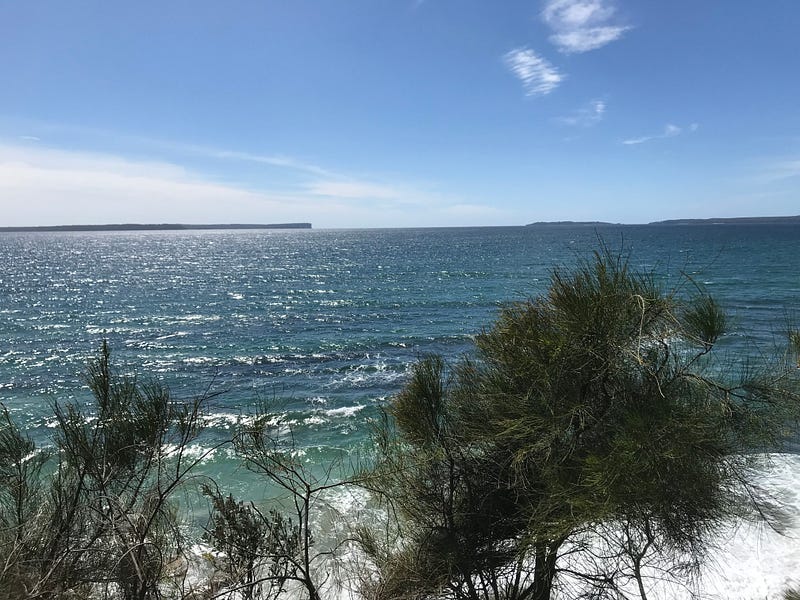
The poem "The Air the Sea and Sky" by David Rudder, published in 2022, is a contemplative piece that evokes the serene and liberating aspects of nature. It describes the air as soft, sweet, and filled with care, suggesting a deep connection between humans and their environment. The sea is depicted as a symbol of freedom and beauty, with its shimmering surface likened to dancing diamonds and a path to true liberty. The sky, with its ever-changing clouds, prompts the speaker to ponder life's journey and the transient nature of moments. The poem emphasizes the constancy of nature's presence, whether in crisp or cloudy weather, and the enduring feelings it inspires. The speaker finds solace in the morning breeze, the opening of the day, and the surprises nature whispers. The poem concludes with a note of gratitude to the reader, encapsulating a reverent appreciation for the natural world.
Opinions
- The author expresses a profound love and appreciation for nature, viewing it as a source of freedom, beauty, and emotional solace.
- Nature's elements, particularly the air, sea, and sky, are personified, suggesting they are active participants in the human experience.
- The poem conveys a sense of wonder and contemplation about the passage of time and life's journey, as seen in the changing formations of clouds and the progression of days.
- The speaker feels a deep emotional connection to the natural world, which is depicted as a constant and reassuring presence in their life.
- The use of imagery, such as "dancing diamonds" for the sea and "crisp and clear" for the air, highlights the author's appreciation for the sensory experiences provided by nature.
- The poem suggests that nature's beauty and the emotions it evokes are timeless and enduring, providing a sense of continuity and stability amidst life's changes.