
The Agony of Lurking Grief
The only way to prevent loss is to avoid being altogether
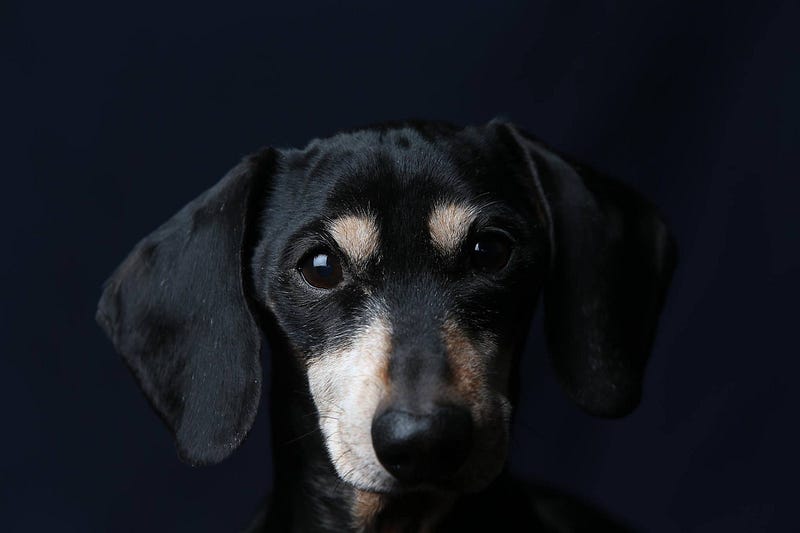
Pi had been going downhill for several weeks. The night before, he stopped eating.
“I think tomorrow’s the day,” Lisa said. The catch in her voice made her meaning unmistakable. I stood and held her.
He’d been with us five years by then, a rescue Lisa arranged who, we were assured, would be docile enough to cohabitate with our senior dachshund, Willie. He was, too. He was a sweet boy, focused entirely upon eating and cuddling with his new mom.
The vet appointment was just after twelve. But he declined fast. As Lisa passed him to me so she could get ready, I realized he wasn’t breathing.
We were both sad.
Then I went to the garage, to my workshop, to build a coffin for him. I started crying then. I couldn’t stop.
My father died in 2016. On May 23, 2019, I went to wake my son, Aaron, who came up from North Carolina to visit after he learned I’d been diagnosed with cancer. He was sleeping on the couch because we’d transformed his room into storage. Only he wasn’t sleeping. He was dead. Had been for several hours. Our only child was gone as if he’d never existed, and there I was, not two years later, crying over a dog.
Grief is like cancer; it grows, metastasizes into a vast malignancy that envelope and strangles the subject.
More than anything, I’d like to say it gets better, that we learn to cope with loss. But I don’t think that’s true.
It only gets worse.
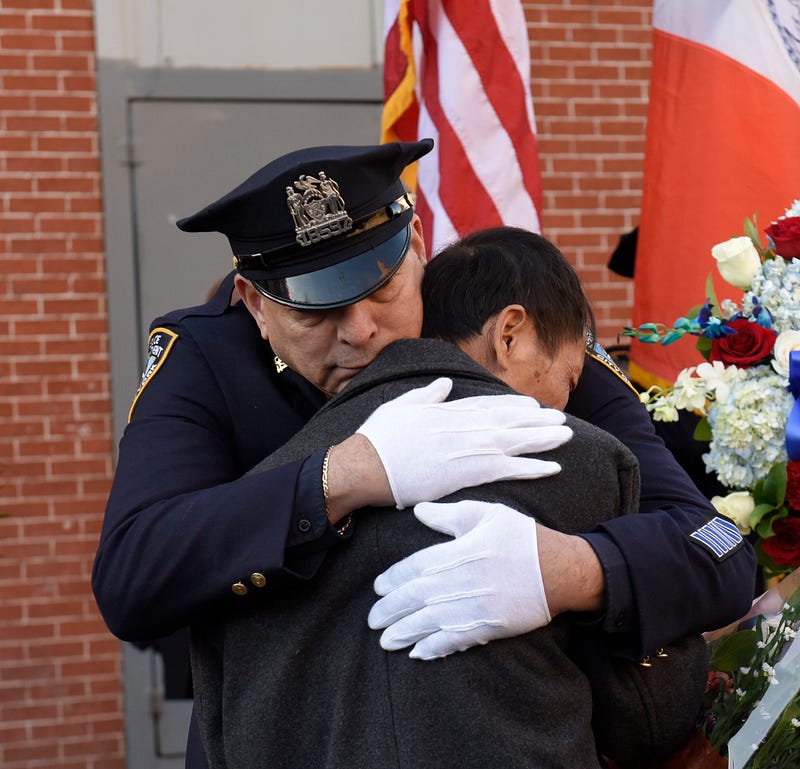
Maybe God’s testing us. Or maybe God doesn’t have anything to do with it. I know people who insist God will never give you more to carry than you can bear. Nonsense. Two Capitol cops have taken their lives since the insurrection.
What were they carrying?
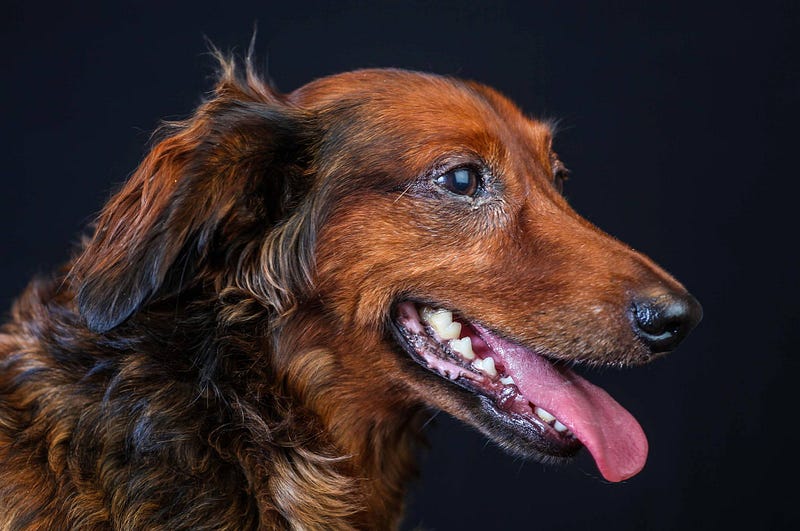
Our senior dog, Willie, is nearly fifteen now. He might be in trouble. He has an abdominal growth we hope is benign. But it might not be. And a sore on his mouth we hope will respond to antibiotics.
But it might not.
I confess part of me hoped my cancer would settle things and prevent me from enduring more loss. Of Willie. Or his little adoptive sister, Sophie. Or God especially forbid, Lisa.
But that’s the worst of cop-outs.
Willie and Sophie shaped our lives. Lisa found places—cabins in forests of Woodstock, houses alongside the Susquehanna River—where we could bring them for vacations. Life there was good. So when the time came to leave NYC we searched along the same river, upstate, and that is where we live now.
Binding our lives to another’s—by marriage, or having a child, or picking up a stray off the street and taking it into your home—entails obligations. We have no choice but to be front and center. Even unto that last hour when you sit by their side or they lay in your arms—aware, maybe not—and the pain is so great it suffocates you. You want to run. Find someplace to hide.
But how do you hide from yourself?
The potential for loss is built into every relationship. It’s no more optional than seatbelts or taxes. When Aaron was little, I felt nothing but mind-numbing terror at the possibility of losing him. There was no afterward. No Plan B. I wondered how families with several children could bear the loss of one.
But then I think I always knew the answer: They bore it because they had no choice. “If it hurts it hurts,” Kilvensky tells Dorothy in The New Centurions, “whether he can take it or not.” Granted, the pain in question was physical—a shotgun blast to the stomach will do that to you. But the principle is the same.
Whether grief is God’s way of bringing us closer to Him, or just a bad roll of the dice in a universe that regards us, in the words of Richard Dawkins, with blind, pitiless indifference is of no importance. Either view produces the same outcome.
Obligation propels us through the miasma of endless sorrow.
We’re needed. Somewhere. By someone.
Don’t let’s forget that.


