The Agile Way. Agile PMO — Project Intake Process
Agile PMO
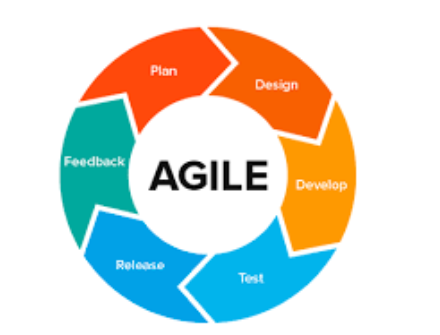
The project intake process for an Agile Project Management Office (PMO) is a critical step in ensuring that projects align with organizational goals and are managed effectively using Agile principles. Here’s a step-by-step guide for creating a project intake process for an Agile PMO:
- Define PMO Objectives and Agile Principles:
- Start by clearly defining the objectives and mission of your Agile PMO. Understand how Agile principles align with these objectives.
2. Create an Intake Form:
- Develop a standardized project intake form that captures essential project information. This form should include details such as project name, business case, objectives, stakeholders, expected outcomes, and a high-level scope.
3. Submission Process:
- Establish a clear submission process for project requests. Determine who can submit project proposals and how they should do it (e.g., through a designated portal or email).
4. Initial Screening:
- Review incoming project requests to ensure they align with the organization’s strategic goals and fit within the PMO’s capacity. Assess whether Agile principles are appropriate for the project.
5. Prioritization:
- Implement a project prioritization framework, such as a scoring system or value stream mapping, to rank project requests based on their strategic importance and potential value.
6. Portfolio Management:
- Consider the organization’s capacity to undertake projects. Limit the number of active projects to ensure teams can maintain their Agile focus.
7. Resource Allocation:
- Assess resource availability and allocate cross-functional Agile teams to projects based on their capacity and skill sets.
8. Project Charter:
- Once a project is approved for execution, work with the project team to create a detailed project charter. The charter should include objectives, scope, stakeholders, roles, and Agile-related details like sprint length and ceremonies.
9. Continuous Review:
- Regularly review the project portfolio to ensure that it remains aligned with the organization’s strategic goals. Be prepared to reprioritize or terminate projects if necessary.
10. Agile Coaching and Training:
- Provide Agile coaching and training to project teams as needed. Ensure that they have the necessary skills and tools to work effectively in an Agile manner.
11. Feedback and Retrospectives:
- Continuously gather feedback from project teams and stakeholders to identify areas for improvement in the intake process and Agile practices. Conduct retrospectives to reflect on and enhance the PMO’s Agile approach.
12. Documentation and Knowledge Sharing:
- Maintain detailed records of project intake and execution, making them accessible for future reference. Encourage knowledge sharing across teams to foster a culture of continuous improvement.
13. Communication and Transparency:
- Communicate the status of projects, changes in prioritization, and any resource constraints transparently to all stakeholders. Ensure that everyone is informed about the progress and challenges.
14. Adapt and Evolve:
- Agile processes are all about adaptation. Be open to evolving the intake process and Agile practices based on real-world experiences and changing organizational needs.
15. Metrics and Key Performance Indicators (KPIs):
- Define and track relevant KPIs to measure the success of projects and the effectiveness of the Agile PMO’s intake process. Use these metrics to drive continuous improvement.
By following these steps and regularly refining your project intake process, your Agile PMO can effectively prioritize and manage projects to achieve strategic goals while staying true to Agile principles.