
The Ageless Era Japan’s Shift Towards a Boundless Lifestyle

Embracing Life at Eighty: The Joy of the Ageless
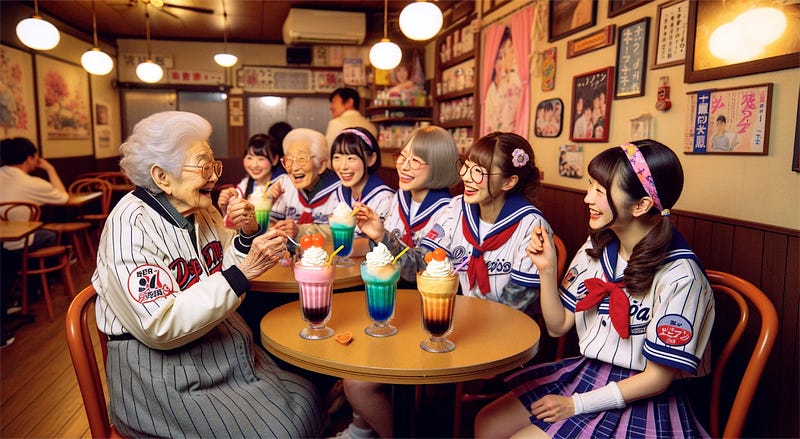
In a recent encounter at a café, the lively conversation of a group of octogenarians revealed a surprising perspective on aging. One mentioned finding her eighties as the happiest years of her life, free from parental duties and cherished by her family. Another expressed a desire to relive life starting from 80, highlighting a vibrant and active lifestyle that defies traditional age stereotypes. These women, riding bikes, donning trendy Uniqlo gear, and even discussing pop bands like BTS, represent a growing trend in Japan: the phenomenon of “agelessness.”
Defining Agelessness: Breaking Age-Based Stereotypes
“Agelessness” refers to the fading of characteristics traditionally associated with age, where lifestyle choices are no longer dictated by one’s birth year. This shift is evident in popular culture, with TV shows like “Restart Life” and “Inappropriate, But To A Degree,” resonating across diverse age groups. These dramas blend elements of the Showa era with modernity, attracting audiences ranging from those in their forties to younger generations in their teens and twenties. According to a 30-year longitudinal study by Hakuhodo DY Institute of Life and Living, people’s preferences and behaviors are increasingly diverging from traditional age-based patterns.
The Freedom from Age Constraints
This phenomenon stems from the liberal attitudes of those who were young 30 years ago and are now entering their sixties. With the advent of the internet, access to a wealth of services and information has fostered a sense of confidence that “anything is possible,” irrespective of age. This digital connectivity has demolished the barriers separating different age groups, allowing everyone to explore their interests freely. The fashion magazine industry is a prime example, where models nearing fifty are styled to look decades younger, and this acceptance of age fluidity is celebrated.
TOKYO FM’s Ageless Approach in Broadcasting
TOKYO FM’s “TOKYO SPEAKEASY,” hosted by Yasushi Akimoto, exemplifies this trend. Initially targeting the 20–34 age group, the show redefined its audience to include those aged 18–49. Akimoto’s approach reflects the belief that demographic segmentation by age is becoming irrelevant in our highly digitalized society, where people no longer age in traditional ways. This broader audience allows for a wider range of topics and musical choices, freeing producers and guests from the constraints of catering solely to a younger demographic.
The Benefits of Broadening the Target Audience
Expanding the target audience has led to increased listener engagement across all age groups, with particularly notable growth among those in their fifties and sixties. This shift aligns well with the current trend of content distribution across various platforms, where the attributes of advertisements differ based on the medium, such as radio versus YouTube or podcasts. This strategy ensures that the advertising content is more closely aligned with the median demographic of each platform’s users.
In conclusion, the ageless era in Japan marks a significant shift in marketing strategies. As the internet erodes age-based content barriers, the ability to swiftly adapt and cater to a diverse audience becomes crucial. This trend not only enriches the cultural landscape but also heralds a more inclusive and dynamic approach to consumer engagement, transcending traditional age boundaries.
#Agelessness #ShowaEra #DigitalTransformation #JapaneseYouth #YukiUchida #AkimotoYasushi #TOKYOFM #Podcasts #JapaneseMediaTrends #CrossGenerationalAppeal