
The African Roots of American Rice: A Historical Perspective
Unearthing the African Roots of American Rice Cultivation
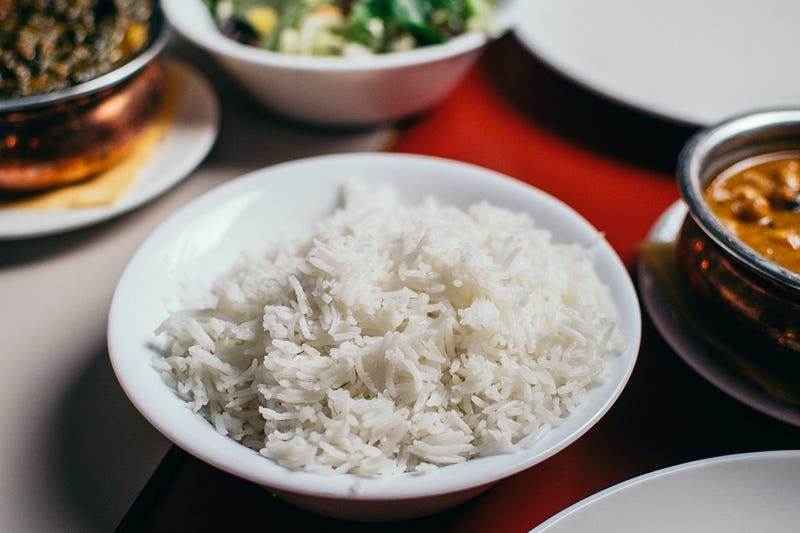
Rice, one of the world’s most widely consumed staples, has a rich and complex history. For centuries, it has been synonymous with cultures from Asia to the Americas, but the origins of rice cultivation in the Western Hemisphere have often been overshadowed by narratives that predominantly credit European explorers for introducing rice to the Americas. However, a groundbreaking research paper titled “The Role of African Rice and Slaves in the History of Rice Cultivation in the Americas” by Judith A. Carney challenges this conventional wisdom and unveils a compelling narrative of African contributions to American rice cultivation during the 16th and 17th centuries.
The African Rice Species:
The research begins by introducing the concept of African rice, specifically the species Oryza glaberrima. Unlike the familiar Asian rice varieties, African rice stands out with its distinctive red outer shells, smaller grains, and remarkable resilience in the face of adverse conditions such as salty water, drought, and floods. Its unique attributes made it well-suited for cultivation in the Americas.
Origins of African Rice:
Carney’s research delves into the origins of African rice, which dates back over 3000 years to West Africa, specifically from the region stretching from Senegal to the Ivory Coast. Historical accounts reveal that rice was cultivated in regions like the Niger River’s inland delta and along the West African coast, and Portuguese mariners even purchased rice surpluses. Yet, European scholars and botanists of the time predominantly attributed the origins of rice to Asia, overlooking its African roots.
The Role of African Slaves:
A pivotal aspect of this research is the central role played by African slaves in the establishment of rice cultivation in the Americas. Carney points out that rice cultivation in South Carolina began at the same time as the arrival of African slaves between 1670 and 1730. The English and French Huguenot planters were unfamiliar with rice cultivation, and the African slaves, who brought with them knowledge of African rice, were instrumental in making it a success.
African Techniques and Practices:
The paper highlights the unique techniques and practices associated with rice cultivation in Africa, such as specific water and soil management methods. These practices included rainfed cultivation, inland swamps, and tidal floodplains, which were adapted in the Americas, contributing to the success of rice cultivation in the New World.
Processing Methods:
In addition to cultivation practices, the research sheds light on the processing of rice. Before the advent of mechanized milling, rice processing in the Americas was done by hand, similar to African methods. The use of wooden mortars and pestles for hulling and winnowing, using woven fanner baskets, echoed the practices of West African rice regions.
The Cape Verde Connection:
A particularly fascinating aspect of Carney’s research is the role of the Cape Verde Islands. These islands, initially settled in the 15th century, served as a crucial link in the transfer of crops and agricultural practices between West Africa and the Americas. They were used to provision European ships heading to the New World, facilitating the introduction of American crops such as maize and manioc to West Africa. This active trade in rice and other crops challenges the conventional narrative that rice cultivation in the Americas solely originated from Asian varieties.
Conclusion:
In conclusion, Judith A. Carney’s research paper, “The Role of African Rice and Slaves in the History of Rice Cultivation in the Americas,” opens a new chapter in our understanding of the history of rice cultivation in the Western Hemisphere. It underlines the essential contributions of African rice species, Oryza glaberrima, and the knowledge brought by African slaves to the success of rice farming in the Americas. This paper redefines our understanding of the origins of rice in the New World, emphasizing the important role that African crops and African people played in shaping the culinary and agricultural landscapes of the Americas. This rediscovery of history not only illuminates the past but also honors the enduring legacy of African contributions to American culture.
REFERENCE :
1. The Role of African Rice and Slaves in the History of Rice Cultivation in the Americas — Judith A. Carney
2. Allston, F. R. W. (1846). Memoir of the introduction and planting of rice in South Carolina. — Debow’s Review I: 320–57.
3. Acevedo, R. (1997). A Escrita do História Paraense. NAE/UFPA, Belém, Brasil, pp. 53–91. Alden, D. (1959). Manoel Luis Vieira: An entrepreneur in Rio de Janeiro during Brazil’s eighteenth century agricultural renaissance. Hispanic American Historical Review 39