
The Absolutely Exhausting Period Spent Staying at Home
What staying home in isolation for an entire month taught me
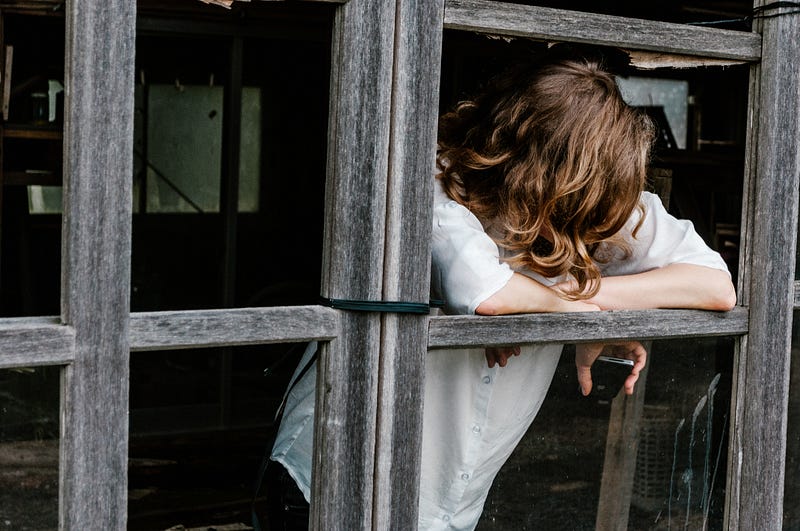
As the coronavirus pandemic sweeps across the world, affected countries have all been enforcing social distancing and stay home measures. Since I was working at a café, I found myself staying at home amidst the closure of all non-essential services. Listening to the advice of the experts, I decided to stay indoors and keep myself in self-isolation. Combined with the fact that I didn’t have to venture out to purchase essentials (relying on deliveries and grocery shopping done by other family members), it has already been a month (30 whole days!) since I stepped foot out of the door.
If I told my past self that there would be an entire month where I could stay home without worry, I would probably have been really overjoyed and excited. I mean, think of all the shows I could watch and free time I had to work on my hobbies. Yet, as the past month dragged on, I found myself reaching this state of ennui, stranded at home with the novelty of unlimited Netflix and gaming time wearing out much faster than I could have anticipated. The first week was easy, as I started to watch numerous recommended shows that I didn’t have time to watch before. Yet, as the second week of isolation crept in, the monotony of staying home without anything to look forward to creeped in. There was only so much Netflix I could binge before I was exhausted. At the same time, having so much free time while staying home meant that procrastination became easy and I wasn’t as motivated to complete any work (for there will always be more time to write tomorrow).
Another factor that I didn’t account for was the waves of bad news. I wanted so badly to catch up on my world news that I constantly found myself on news sites at the start of my isolation. It was a terrible idea. The news was constantly swamped with news related to Covid-19 and almost all of them painted a bleak near future (vaccine won’t be coming soon, more events cancelled, more countries with increasingly large numbers of infections). All they served to achieve was to remind me that I would probably have to self isolate for much longer and that my life wouldn’t be returning to normalcy anytime soon. Even as I tried to avoid the grim news by spending my internet time elsewhere, I found that my social media was also drowning in pandemic content. Friends were sharing posts and messages related to the virus, talking about plans cancelled, and displaying their ability (or lack thereof) to adapt to the constantly updated new measures. With the unthinkable act of completely shutting out the internet being the only method of avoiding the news, it’s no wonder I find myself constantly anxious and worrying about my friends and relatives. Even after talking to them and knowing that all is good, the constant worry that someone close to me might be affected negatively by the virus was a burden that never really went away. This drained so much of my energy that for the best part of the first two weeks, I wasn’t able to get much work done before feeling drained.
After spending the first two weeks of April doing nothing productive but feeling exhausted, I realised that self-isolating was taking a toll and I had to do something before I eventually lost it. I spent hours reading advice from experts and tried out various psychological tricks to help myself cope better. I told myself that even if they didn’t work, I had so much free time that it definitely wouldn’t hurt to try.
The first trick that helped me was to simply readjust my expectations. Before this, I never realised how much time I spend worrying about the future and wondering if there would even be a chance for everything to return to how they were before. But by simply reminding myself and accepting the fact that my worrying would do absolutely nothing to speed up the recovery process, I was able to relax and focus my energy on other productive tasks. At the same time, I set certain simple goals for myself to achieve during this period. They ranged from the simple wake up early and doing some static exercises to various levels of milestones related to writing. By doing so, I was able to make better use of my time instead of simply ponder and deliberate on when I would be able to meet up with my friends at my favourite café again. After all, I told myself, no one would know even if I beat myself up worrying about an unknown future that no one could predict. Why not spend the time creating and reaching mini achievements that I could talk about with those I care for after isolation ends (I now have so much to talk about to so many different people).
Another thing that helped me was creating routines for myself to follow. While the routines weren’t strict timetables that I had to stick to, they gave my life a certain structure and helped me to have various things that I can look forward to despite being stuck at home (e.g. a small dessert after dinner). A fixed sleep schedule, sticking to an exercise schedule (different days for legs, arms, core, and rest), and regular mealtimes helped me to stay relatively healthy at home. Time dedicated to both entertainment and work keeps me on task and prevents me from overworking or procrastinating too much. Combined with the mini-goals I set myself, I even grew a newfound appreciation for local musicians and started to listen to more local music (I set a goal to find new musicians to listen to and dedicated some mornings to finding new things to watch on YouTube).
Of course, all things aside, I still find myself feeling anxious and exhausted from staying at home all the time. After all, humans are social creatures (even introverts need a certain amount of interaction), and being cooped up at home during a period of negativity and uncertainty does have detrimental mental health effects. If I had a choice, self-isolating for 30 days would be something that I wouldn’t choose to do. Yet, in times of crisis such as this, self-isolating is necessary for the situation to improve. As such, it’s all I can do to make this period slightly more bearable and productive. Hopefully, everyone else staying home will be able to find various methods to keep yourself from feeling too exhausted.
You may also be interested in reading: