
TRAVEL ALPHABET
The A -Z of My Favourite Travel Destinations — Japan
I fell in love with everything Japanese
My daughter lived and worked in Japan for 10 years from 2000 to 2010. As many young university graduates do, she signed up with Nova to teach English for a year. She hadn’t had enough of Japan after a year and landed a job teaching English at a private school. She loved it! She loved the lifestyle. Classes didn’t start until the afternoon and after classes, she would either meet up with friends or privately tutor Japanese businessmen. This involved their taking her out to dinner and learning English mostly informally. The money she earned this way, she set aside for travel.
During her 10 years, I only visited twice — once in 2004, and once in 2006.
Highlights from my First Visit
This was an unplanned visit — yes, I know — totally unlike me. I saw a frequent flyer special 35,000 points return to Tokyo. Bargain — so I hopped online and booked it for the coming Saturday! I called Stacey to let her know I was coming but she wasn’t going to be able to get time off work at such short notice.
I spent more time getting lost than anything else in the two and a half weeks I was there, but the Japanese people are so friendly, I didn’t ever feel threatened or in danger even though I had to deal with crushing crowds every day.
Stacey lived in Honmachi, a residential district of Shibuya, Tokyo, not too far from the famous Shinjuku.
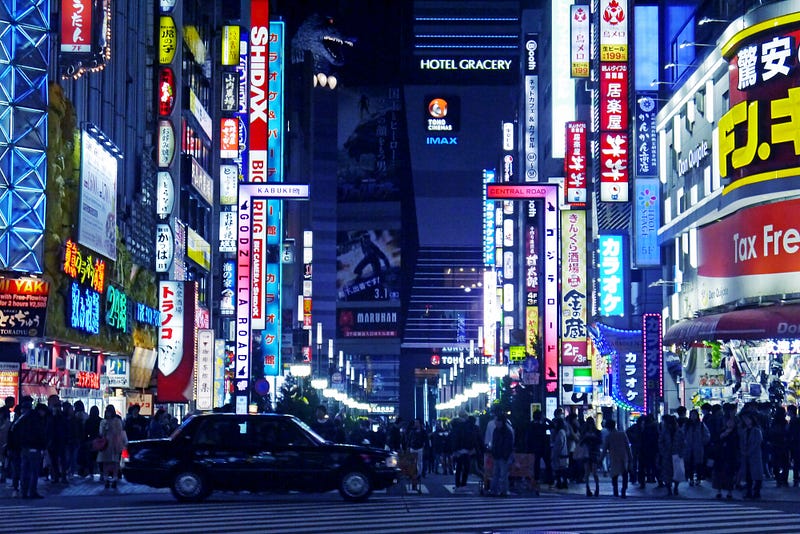
The streets are so narrow I thought they were only for pedestrians and bikes, but there are actually cars (quite large 4WDs) parked in carports just off the street itself. I have no idea how they manoeuvre themselves in and out!
There are hot and cold beverage machines every few paces, but nowhere to pee!
Yoyogi Park We took a picnic lunch and enjoyed the fresh air and sunshine. Just as we were finishing our picnic, we were surrounded by people “trance dancing” to the music. I had never seen this before.
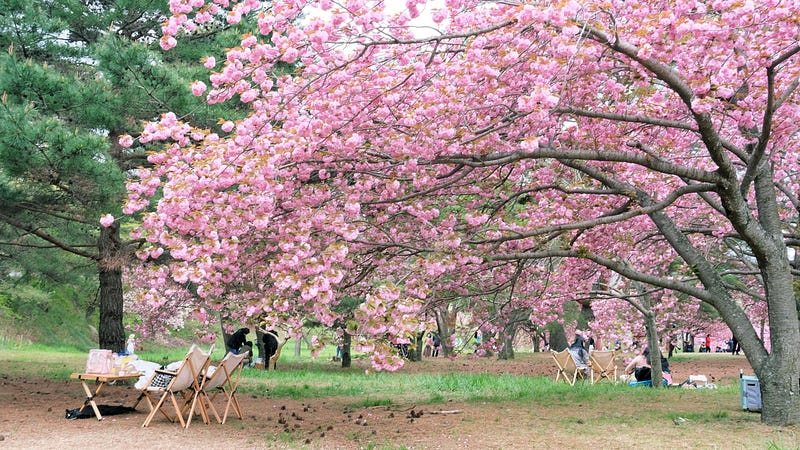
Shinjuku Imperial Gardens Once I walked in, I was surrounded by a beautiful sense of calm. The cherry trees were in full bloom and I spent all afternoon photographing the sakura.
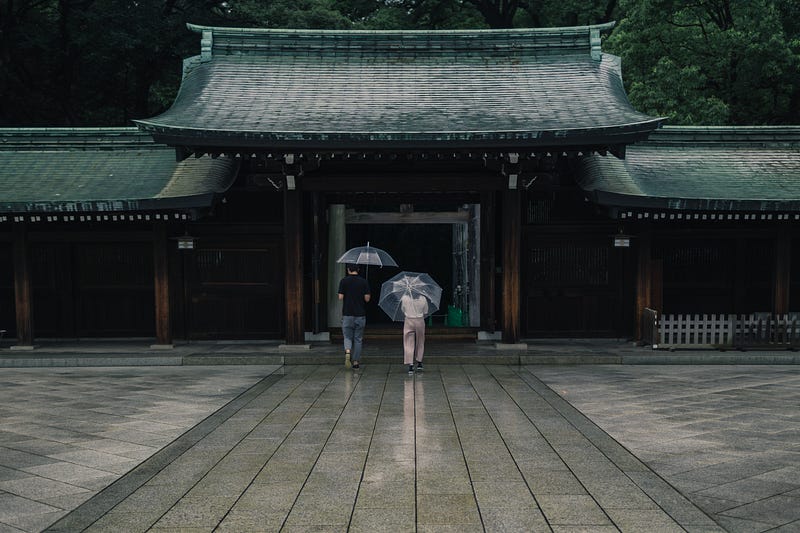
Meiji Shrine is the only one I visited in Tokyo. It is a large Shinto shrine between Yoyogi Park and Shinjuku Imperial Gardens.
Edo Museum Edo is the ancient word for Tokyo. This museum was fascinating. I joined an English-speaking tour with three others from Seattle. I learned about the nihonbashi (Japanese bridge), the history of Edo, the art, the fires, the war, and the paper balloons. An afternoon well spent!
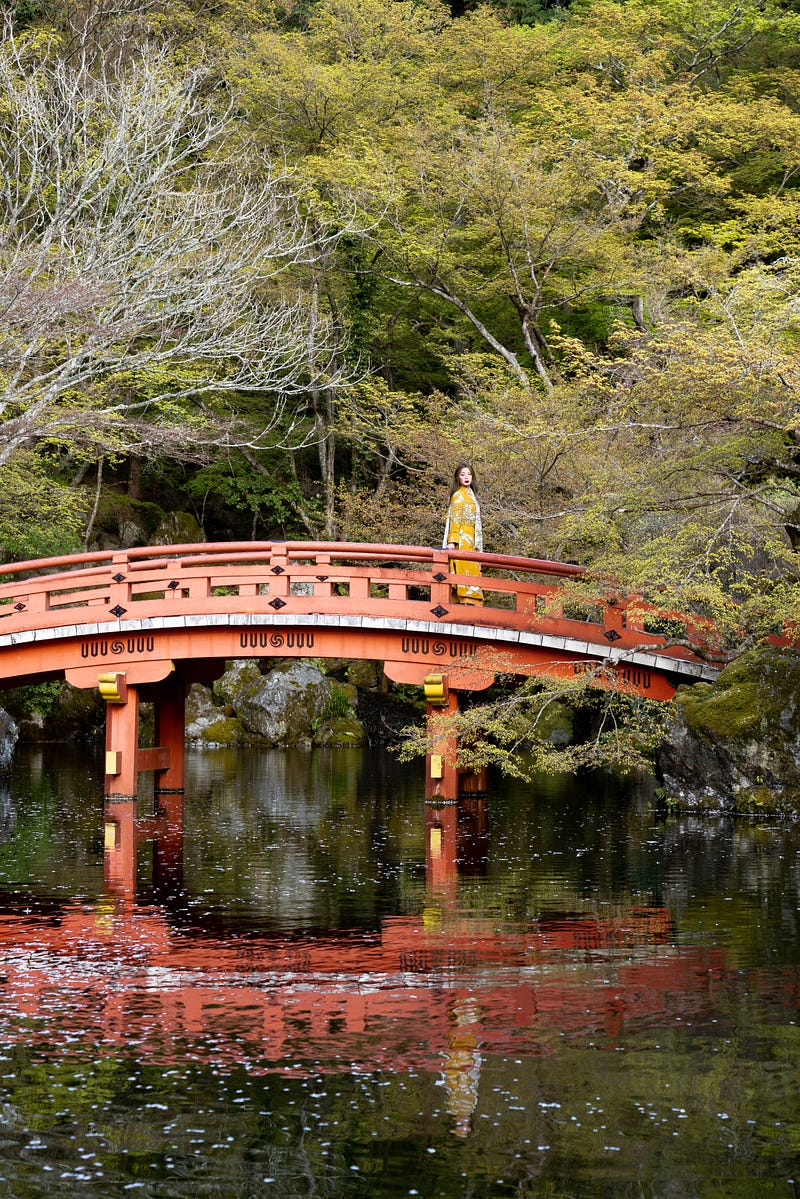
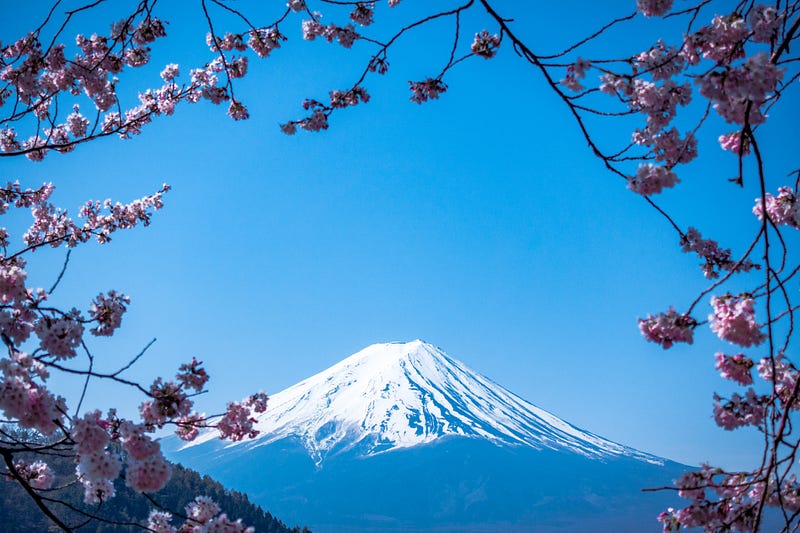
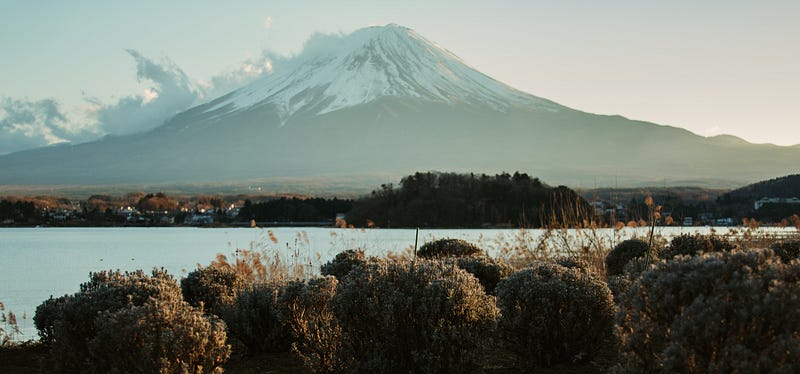
Fujisan I caught the train to Kawaguchiko on the lake. As we turned a curve, I caught my first glimpse of Fuji. Now I understand the Japanese people’s reverence. It was breathtaking in its beauty and no amount of photos can do it justice. It rose above all of the surrounding mountains and was covered with snow. I took a cruise on the lake and the cable car to a vantage point simply to take photos of Fuji. Unfortunately, all of these photos are on a very old external hard drive somewhere. I remember them clearly though.
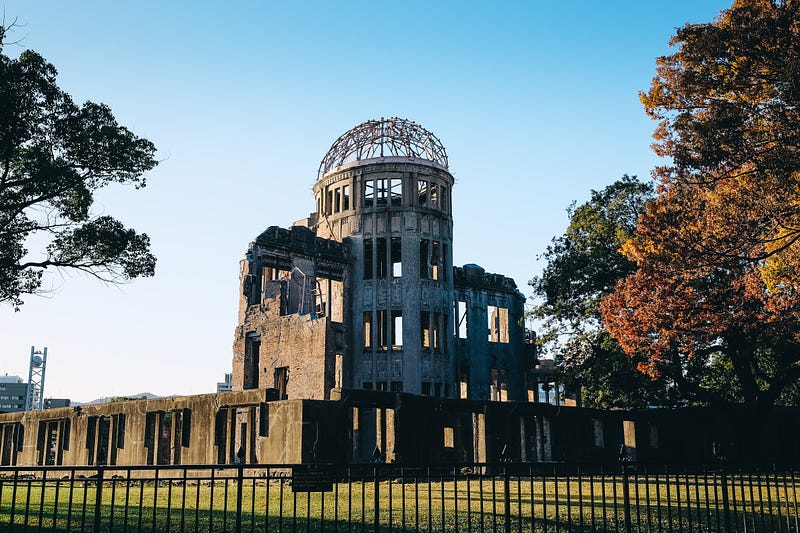
Hiroshima
What I knew of the dropping of the atomic bomb on Hiroshima was from the Allied perspective. “Little Boy” was dropped on Hiroshima at 8.15 am August 6, 1945, from a B29 bomber, named Enola Gay.
What I didn’t know was that not everyone was killed instantly. Many children aged 12–13 who were working on the streets to clear fire breaks either died instantly or within days. More than 140,000 were dead by the end of 1945 — mostly from radiation poisoning. Not everything was wiped out and trees and plants regenerated quite quickly even if they were badly scarred.
The Peace Park was beautiful — one old building had been preserved to remind the world of the horrors of war. The Peace Museum was beyond sad. I cried a few times during the audio tour. Man’s inhumanity to man was uppermost in my mind the whole time.
Highlights from my Second Visit
This visit was planned — Stacey knew I was coming — so she borrowed a car from a friend for us to do a road trip of northern Honshu. That was as far as the planning went. My daughter likes travelling “by the seat of her pants” — that is to say, let’s start driving and see how the day goes. We were looking for installations of the Echigo-Tsumari Art Field Triennial. In addition to this, all we had to do was find food to eat, an onsen to soak in and a place to lay our weary heads — any ryokan (hotel)or minshuku (guest house) will do.
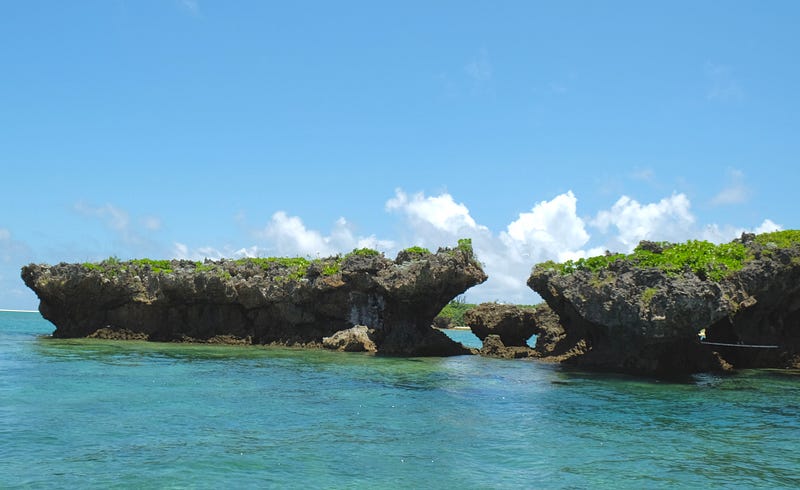
During this road trip, I discovered the kindness and generosity of the Japanese people that I have never found anywhere in the world before or since. The fact that Stacey spoke Japanese may have helped, but we found nothing but beauty in the people we met. Apart from the art installations, we discovered some hidden gems, onsens and waterfalls high in the mountains, and the weird-looking islands of Matsushima.
In the A-Z of our favourite travel destinations here’s Anne Bonfert’s H.
And Sam Millichap is up to Q!
And here’s my most popular A-Z destination so far!


