
The 7 Hidden Benefits of Pacing Yourself in Life and Business
The secret to preventing burnout and failure
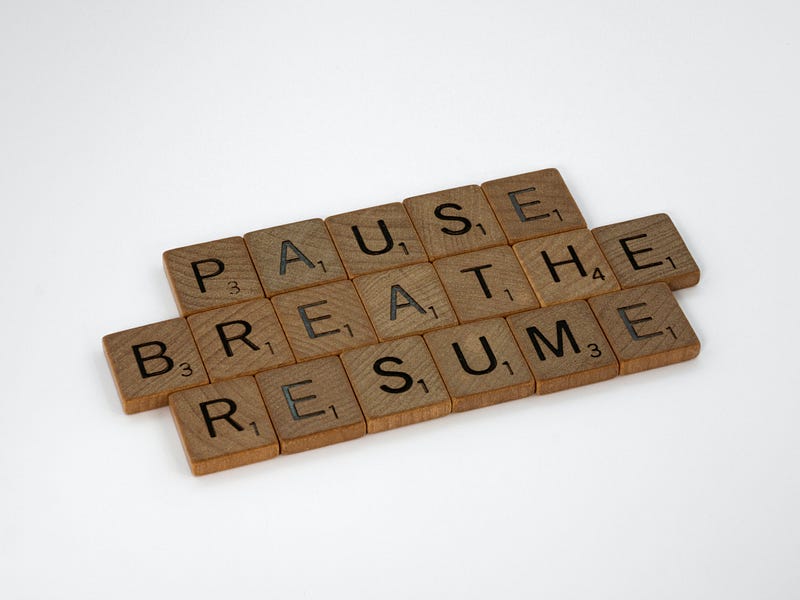
“You need to pace, plan and prioritise…” the occupational nurse advised.
Oh, here we go again!
I’d heard these words before two decades ago, when I was diagnosed with Myalgic Encephalomyelitis (ME). Now struggling with Long Covid, I again was told to pace.
The problem? I work full-time, I have a side hustle, I’m a mum, a wife and my mum’s carer. I don’t have time to blooming pace!
But I wanted to feel better. Reluctantly, I started to prioritise my life and business, plan meticulously, and pace.
What is Pacing?
In the context of chronic illness, pacing (otherwise known as activity management) is an approach to balancing activities with rest to avoid symptom exacerbation.
Pacing should include realistic goals, monitoring of physical, cognitive and social activities, and their effects on energy levels — World Physiotherapy
Pacing is essential if suffering from an energy-limiting condition, for example, ME, cancer, COPD, and heart disease. Pacing is usually combined with prioritising and planning, making it more effective in doing what matters most to you.
In everyday life, work, and business, I’ve left the overachieving multitasking hustler behind and embraced the need to pace. As I do so, I’ve noticed the benefits, not just for people like me suffering from chronic illness, but for everyone.
The 7 Benefits of Pacing
1. Prevention of Burnout
Burnout is a state of emotional and physical emotion resulting in procrastination, persistent tiredness, and feelings of defeat, self-doubt, and negativity. A recent survey reported that 40% of people with a desk job suffer from burnout.
Entrepreneurs are particularly prone to burnout as they often work long hours, take financial risks, and suffer from fear of failure. Whilst business owners still face high risks, introducing pacing whilst building a business could reduce the adverse effects of overwork.
2. Maintaining Motivation
When first setting a goal, you feel excited and motivated. You work hard towards your goal but start missing out on other aspects of life and become demotivated. Pacing allows you to soak up the experience as you progress steadily towards your goals. Maintaining a balance between work and play will help keep motivation levels raised.
3. Pacing Creates Time and Boundaries for Yourself and Others
Pacing requires prioritisation and planning for a well-balanced life. It forces you to view your upcoming week and make time for what matters most.
When introducing pacing, you don’t just diarise your meetings and work. You also timetable social events, including coffee with friends and date nights. Whilst working towards your work and business goals, you can then maintain your significant relationships and build in time for self-care.
4. Pacing Reduces Overwhelm
Have you ever set a big goal and then baulked at the enormity of all that needs to be done to achieve it? Fear kicks in.
Step back from the goal, imagine what it will feel like when you accomplish it, and break it down into baby steps; pace yourself and take your time!
5. Pacing Makes Your Goals Realistic
You aim to set SMART goals — Specific, Measurable, Achievable, Realistic and Time-constrained.
I know you’re eager to meet your aim, but if you set an unrealistic goal within too tight a timeframe, you might trigger overwhelm. Instead, set a completion date that builds in the need to pace. Do a little bit daily, and the desired outcome will be yours.
6. Pacing Brings You Joy
Life is about the journey, not the destination — Ralph Waldo Emerson
A famous quote reminding you to soak up and enjoy the journey towards your goals. Without taking your time to seek joy as you progress through life and business plans, the meaning in life becomes diluted and has less resonance with your purpose.
7. Pacing Keeps You Focused on Your Purpose
“If we want to feel an undying passion for our work, if we want to feel we are contributing to something bigger than ourselves, we all need to know our WHY.” ― Simon Sinek
If you don’t pace yourself, you risk losing sight of why you set a desirable goal. Get clear on your purpose or why.
Take your time — pace — and your purpose will remain focused and clear.
“To get through the hardest journey, we need take only one step at a time, but we must keep on stepping.” — Unknown, Chinese Proverb
No, I didn’t want to pace.
But now that I must pace, despite my chronic illness, I’ve realised that I can still set realistic goals in my life, work, and business. I’m doing this with purpose and clarity while still taking good care of myself and my relationships with my friends and family.
I’m maintaining motivation and enjoying a more balanced life, hidden benefits I never expected to feel from pacing.
To receive my free workbook on how to discover your business mission, vision, and values, and to subscribe to my email list, please CLICK HERE.