The 6 Benefits of Cooking at Home
Something positive the pandemic has brought us
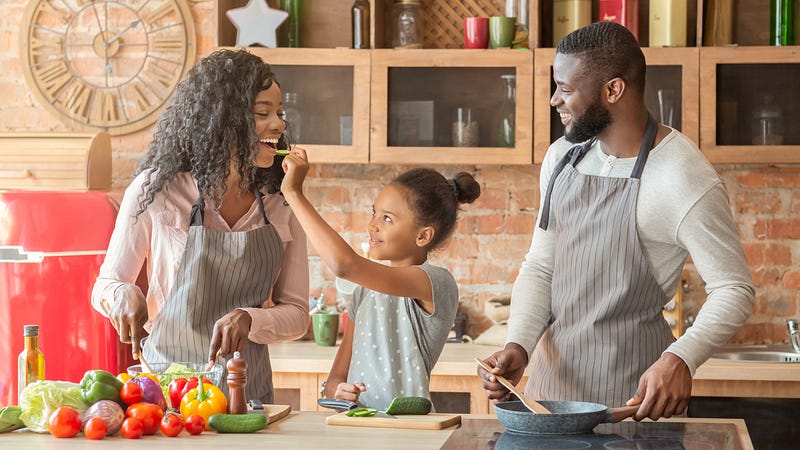
Many Americans have been cooking at home for the past several months more than they ever have before. When the COVID-19 pandemic resulted in nationwide lockdowns, there wasn’t any other choice than to start cooking at home. Along the way, some surprising things have been discovered of this unexpected turn of events.
Here’s some food for thought. According to a study of more than 9,000 people by Public Health Nutrition, November 14, 2014, they found that people who frequently cook dinner at home consume fewer calories than those who cook less. The results concluded that the more you cook, the healthier you live.
You don’t need to be a celebrity chef to create delicious, nutritious meals. What you do need to learn are a few techniques that you can then use for many different recipes.
- How to chop, dice and slice vegetable
- how to make simple soups, salads, and healthy salad dressings
- how to make a few whole-grains like brown rice, whole oats, farro, quinoa, and other whole grains. They make great additions to many dishes and salads, or as a side dish.
- How to make healthy versions of things you would normally order out
- How to make meals that include beans, greens, grains, and legumes
When you are going to cook at home, you become more aware of what you are buying. You get to choose what ingredients will go into a dish, and be pleased at the knowledge of what won’t be going in it. You will have full control over what you will be eating. When dining out, you don’t typically have that luxury. Even if you request for an ingredient to be added or omitted, that doesn’t always happen. This becomes a very serious issue when it comes to food allergies.
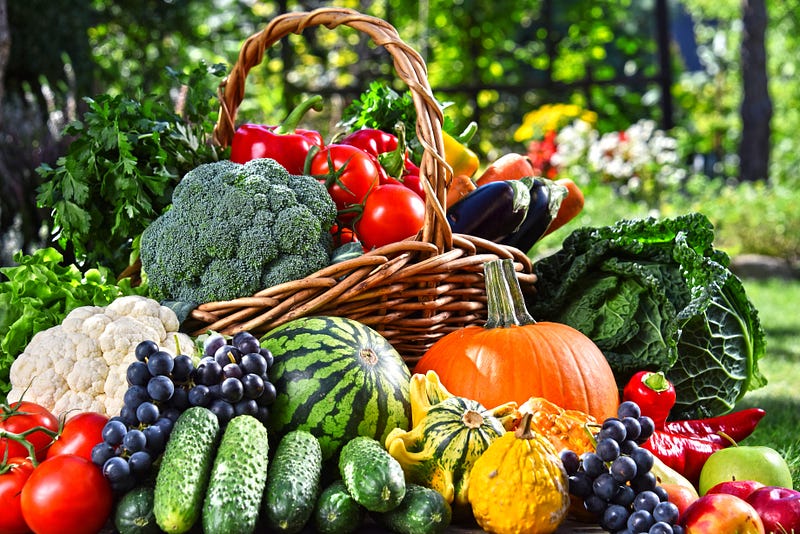
Cooking your own food also gets you thinking about shopping for locally sourced ingredients such as visiting a farmer’s market on a Saturday morning. At peak season, the produce often is harvested fresh right that very morning. This provides you with the most nutritious fruits and vegetables you can get. Plus it’s fun to wander around the market, often finding vegetables you had not even thought of, giving you ideas for another recipe.
You will probably find that you get more interested in trying new recipes as you get more comfortable preparing meals. Perhaps cooking always seemed like a chore, but soon it may become a source of great pleasure. Then you’ll be asking yourself, “why didn’t I start cooking at home a long time ago?” The possibilities are endless for tapping into your creative side you never knew was there!
Cooking meals at home gets us off our screens, on our feet, and gets our creative juices flowing. Even if you make the same sort of foods each day, cooking can be a time for quiet reflection — a simple daily ritual that can help you develop mindfulness. I personally look at cooking as a great therapy. It takes your mind off other things as you focus on the food preparation.
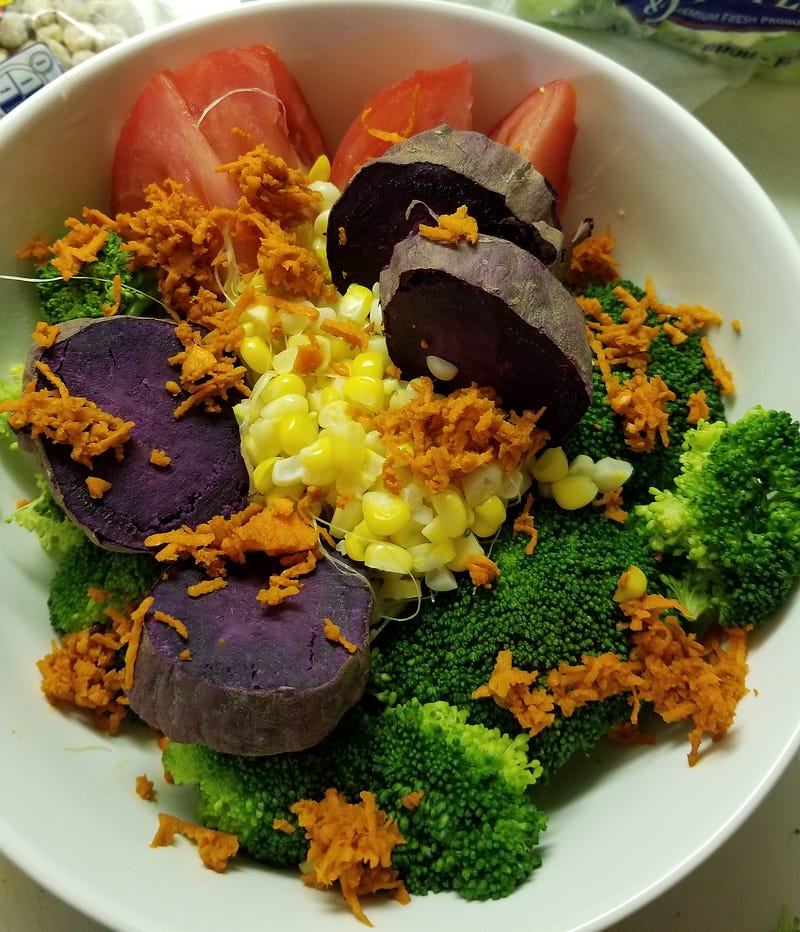
Here’s something I love to do. As a vegan, my meals consist of beans, greens, grains, and legumes. I eat the rainbow everyday, meaning I incorporate many different colors of fruits and vegetables into my meals. Part of the pleasure of preparing food is looking at each ingredient, at the rich and vibrant color, the texture, the smell, and of course the taste. I’m always popping a morsel of whatever I’m chopping, dicing, slicing into my mouth to enjoy as I cook.
1. Cooking at home contributes to healthier diets
Most commercially prepared foods are high in fat, sugar, and salt. When you prepare your own food, you are in total control of what goes into the meal. If you have a favorite meal that you get at some restaurant, or a prepared convenience food, you can make it your own way, with far less of the bad stuff, and make it taste just as good, but a whole lot healthier.
It helps to create a week’s worth of meal ideas for each coming week. This will help you to know what to add to your grocery list.
2. When you cook at home, you can also control portion sizes.

America has grown into the super-sized burgers and sugary soft drinks which has created super-sized waistlines. This in turn has led to skyrocketing numbers of Type 2 Diabetes, obesity, and heart disease. Did you know that Type 2 Diabetes used to be called adult-onset diabetes? Now there are so many young children and teens who are obese and developing the condition, it was changed to Type 2 Diabetes. Oh yes, another fact is that diabetes isn’t caused by sugar and carbohydrates. It is caused by fats, specifically saturated fats.
COVID-19 has brought the spotlight onto underlying health conditions because individuals with any one disease, or multiple health problems often has complications from the virus, and they are the ones most likely to die from it.
The diet that is the healthiest one that can prevent, treat, and often reverse common diseases is the plant-based diet.
By controlling portion sizes, you will decrease calorie consumption, which can help with weight loss, in addition to better health. Many restaurants serve huge portions, often leading you to eat more than you normally would.
3. Cooking at home can save you money
While many enjoy eating out in restaurants or picking up food to go, there’s another price to pay besides those unwanted, unhealthy ingredients. It costs nearly double of meals you get out compared to food you cook at home. Think about it. Even fast food is expensive. Restaurants even more. When we eat at a restaurant, what you are paying for is not just the food. You’re helping pay the electric bill, water, the building, and all other incidentals. You have to leave a tip, so there’s that expense too. Same holds true for frozen food. You are paying for the manufacture of it, the packaging, shipping.
Here’s a few ideas to save money:
- Plan a week’s worth of meals. If you have a plan, most of the time you’ll stick to it. If you want to spend one day a week to prepare everything for the coming week you will be even more prepared. You can freeze food and have meals any time you need it, on a day you get home late from work and just don’t feel like cooking. Bada-Bing! You have a delicious, nutritious meal in minutes!
- By planning ahead and making a grocery list, it helps you avoid buying extra food.
4. Cooking at home can bring you joy
Think of cooking at home not only as practicing mindfulness, but as bonding time with family members. Our society has evolved into people spending excessive time on their mobile devices, and hardly interacting with others. Get the whole family involved in meal preparation. It’s a great way to relieve stress, create conversation, laugh, have fun, make lasting memories. All of these things contribute to your overall health and well-being. If you have kids, this is a great opportunity to help out in some way, depending on their age. It encourages trying new foods, learning healthy eating habits, and good manners too. In several studies conducted by the University of Michigan they found that families which eat together at the dinner table are associated with fewer psychological issues and higher academic success in children and promoted sociability within the family.
Here’s a few ways to get the kids involved:
- Under supervision, you can have them mix ingredients in a bowl
- Read out loud the ingredients, and directions
By getting them involved in meal preparation, they will take an interest in food, and develop lifelong healthy eating habits.
And, spending time with family members goes a long way in developing a healthy relationship that can help keep them from getting into trouble with drugs or a bad crowd. While you are cooking, you can ask your kid how was their day. Every kid loves that.
5. Avoid food allergies and sensitivities
Common food allergies include nuts, gluten, and shellfish. Sometimes these incredients are in meals in restaurants that you are not even aware of. By preparing your food at home you are in control of what ingredients you use, thus you never have to worry about ingesting something that might make you violently sick, or have a serious allergic reaction.
6. Food safety
According to the CDC, foodborne illnesses affect 1 in 6 Americans every year from contaminated foods and beverages, and 3,000 die. Cooking at home will give you the peace of mind knowing how the food has been handled, thoroughly cooked, and in clean conditions. It is vital to keep your hands clean by frequently washing your hands, all utensils, and food preparation surfaces.
It is also imperative to wash all fruits and vegetables prior to preparing them.
Cooking at home isn’t just good for your health and our planet — it’s great for your mental health too!
Have you ever heard that old saying, “the way to a man’s heart is through his stomach?” There’s more to that than just a romantic relationship! Cooking at home is love and nurturing. Whether it’s just you alone, or with others, it makes everyone feel happy, peaceful, content, and nurtured. It brings families together. In these highly stressful times, we all need this more than ever.
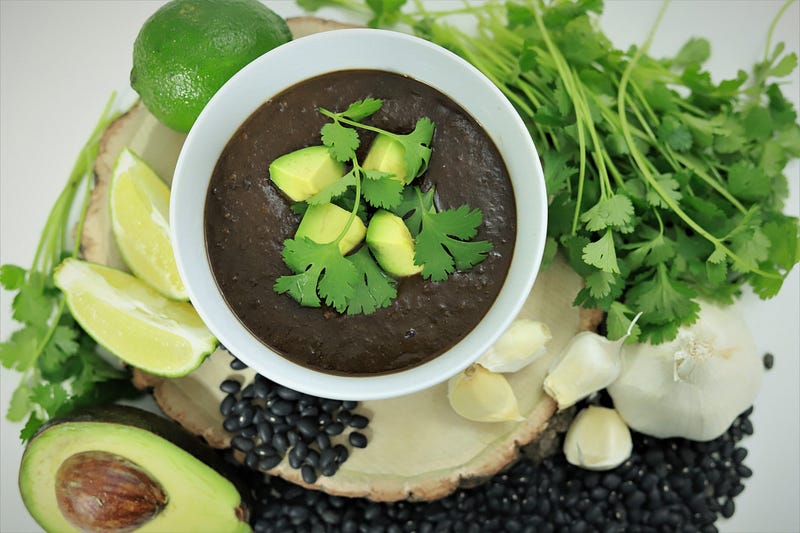
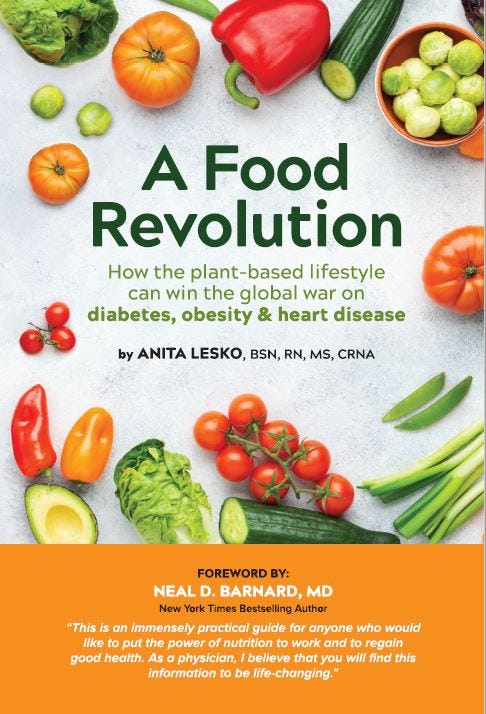
From my book A Food Revolution, I’m sharing with you this delicious recipe for some hearty Black Bean Soup. You can make a big pot of it and freeze it in individual containers for one of those crazy busy days you just want a great meal but are too tired to cook! It’s easy and delicious, nutritious, and the whole family will enjoy!
- 2 pounds dried black beans (about 5 cups)cooked or from a can, drained and rinsed
- 1 large onion, chopped
- 4 carrots, washed, peeled, chopped
- 4 cloves garlic, finely chopped
- 1 Tablespoon ground cumin
- 1 Tablespoon ground chili pepper
- 1 teaspoon cayenne pepper
- 1 teaspoon dried basil
- 1 teaspoon dried oregano
- 1 bay leaf
- pinch of cinnamon
- 1/2 teaspoon sea salt + more to taste
- 1/2 teaspoon ground black pepper + more to taste
- 8 cups vegetable broth (low sodium)
- for serving: chopped fresh cilantro, avocado and lime wedges
- In a large soup pot, heat over medium heat for about 2 minutes. Add onions, carrots and garlic. Add a tablespoon water or the broth to saute the vegetables. Season with a little sea salt and cook, stirring frequently, until onions are translucent and starting to brown, about 10 minutes. Add more water/broth as needed just to keep everything from sticking in pot.
- Add all the other ingredients to the pot, except the lime, cilantro and avocado. Stir to make sure everything is combined. Bring mixture to a boil before reducing the heat to medium and letting the soup simmer for about 25 minutes. Remove bay leaf.
- At this point you can either keep the beans whole or puree using an immersion blender or traditional blender to your desired texture. I like to leave the beans intact for a nice texture when eating.
- Taste soup and season with additional salt and pepper, if needed. Spoon soup into bowls for serving and garnish with avocado and cilantro. Serve with a lime wedge.
Dig in!
I’m a plant-based diet expert, as well as a success story! After adopting a plant-based lifestyle, I reversed my Type 2 Diabetes, got rid of high blood pressure, and lost 70 pounds. You can start your own journey to great health today!
Visit me at www.yourwfpblife.com
Anita Lesko, BSN, RN, MS, CRNA


