
The 300 Years of Tragedy Behind One of the Best Selling Records of All Time
The serial killers, revolutionaries and concentration camps that made this modern jazz classic
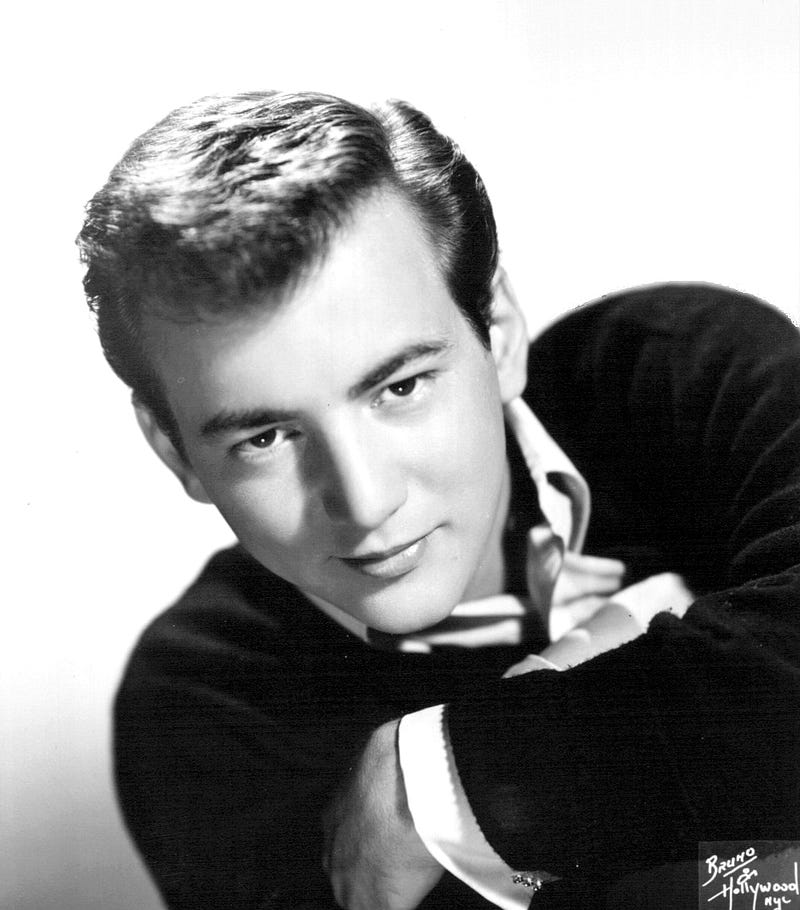
As classic songs go, there are not many that are more famous than “Mack the Knife”. The song is synonymous with Bobby Darin, a singer who worked across multiple genres but was most famous for his big band swing records of the 1950s.
The song was Bobby Darin’s best selling single and is now part of the fabric of modern music. It was the biggest hit of 1959 and is the third most successful song ever according to Billboard magazine, ahead of modern classics such as Bruno Mars’ “Uptown Funk”.
The lyrics tell the tale of a debonair serial killer ruthlessly ticking off his victims one by one. The tune, however, is upbeat with a catchy melody and big brass instrumentals, typical of the decade.
Hearing the track in 2020, it feels as punchy as the day Darin recorded it sixty-two years ago.
However, it’s history is much longer than this, and Darin’s version is just the tip of the iceberg.
Could that someone be Mack the Knife?
In 1702, ‘Honest’ Jack Sheppard was born into poverty in a rapidly-changing London.
Growing up as an apprentice carpenter with a stutter, Jack Sheppard was swayed by the temptations of the tavern. He eventually took to a life of crime and blamed booze and prostitutes for his downturn.
In 1724, after committing multiple burglaries over the course of two years, Sheppard was caught and sentenced to death. Prior to this, he had previously escaped from prison four times, making him infamous in London.
He was executed for his crimes at the end of the year and cemented his place as a working-class folk hero.
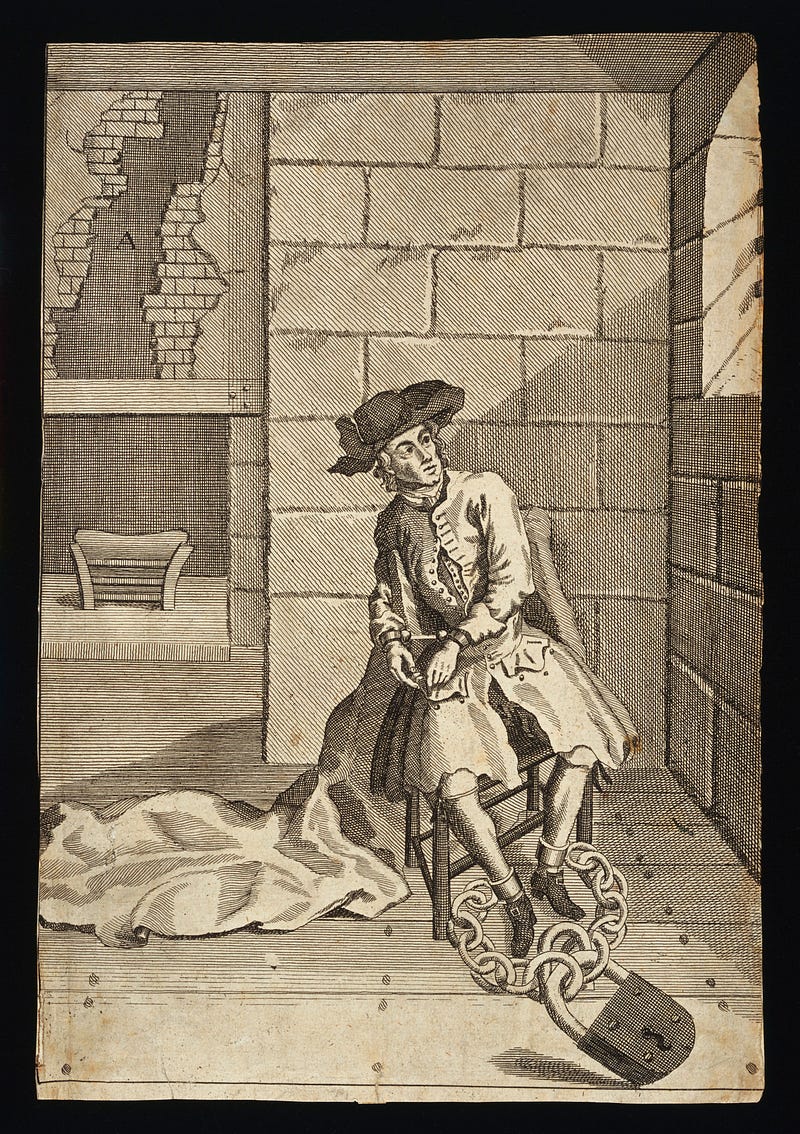
His story was told in a novel shortly after his death which many suspect was written by Daniel Defoe, the author of Robinson Crusoe.
Sheppard’s famous life then served as the basis for the main character in The Beggar’s Opera, which was thought to be the most popular play of the 18th century.
This level of fame has led many to believe that Sheppard is the most likely origin of the phrase “jack the lad”.
The famous story of Jack Sheppard, the loveable rogue, would go on to be the inspiration for the serial killer in the song, “Mack the Knife”.
Macky’s back in town
More than 150 years later, the German poet and playwright, Bertholt Brecht, saw the satire of The Beggar’s Opera as the perfect vehicle to parody the repulsive capitalist system as he saw it.
In Brecht’s version of The Beggar’s Opera, the Jack Sheppard character was named Macheath, a knife-wielding crime lord pursuing the police chief’s daughter.
Brecht called his version The Threepenny Opera and it was first performed in 1928. It is seen today as the basis for modern musical theatre.
Many songs from the opera have remained popular to this day but the most popular was the opening tune, “Die Moritat von Mackie Messer” (The Ballad of Mack the Knife). Brecht himself wrote the lyrics but the music was written by Kurt Weill.
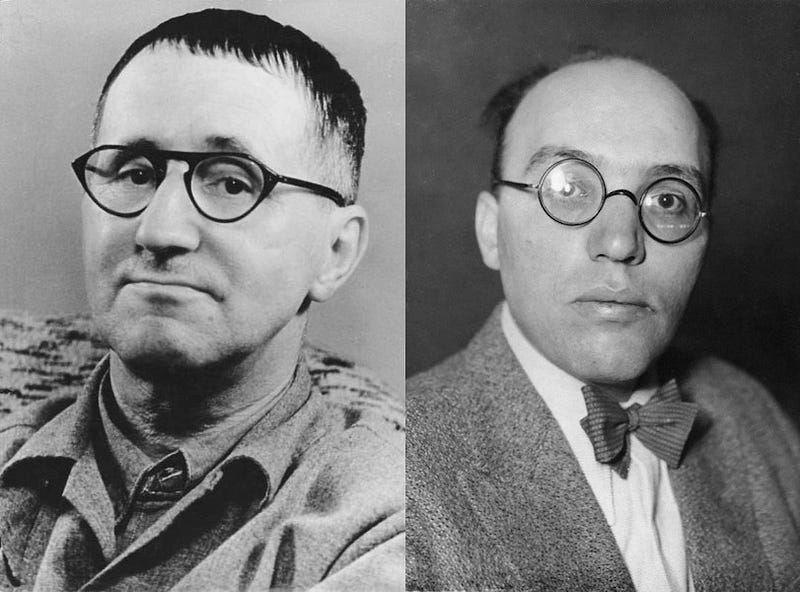
The play was a smash but the song was a late addition. Written just before opening night, it was brought in due to the demands of the actor playing Macheath, Harald Paulsen. He believed that his character should have a musical introduction so Brecht and Weill hastily wrote the song.
Following this success in Germany, the Threepenny Opera was reproduced all over the world, eventually hitting the United States in 1954.
However, before reaching the US, the song travelled through unbelievable cruelty via the concentration camps of Nazi Germany.
Scarlet billows start to spread
In Brecht’s 1928 premiere of The Threepenny Opera, Harald Paulsen was the one playing MacHeath. However, it was Kurt Gerron’s character that sang “Die Moritat von Mackie Messer”.
Gerron was already a famous German Jewish actor and director by the time he performed in The Threepenny Opera but the song would become his signature tune.
His recordings survive as the definitive version of the song at this time.
Gerron’s success as a theatre actor would be cut short by the rise of the Nazis in Germany. In 1933, he fled to Amsterdam where he continued to star and direct in films. He was eventually captured and sent to Theresienstadt, a concentration camp for ‘prominent Jews’ used as a propaganda tool by the Nazis.
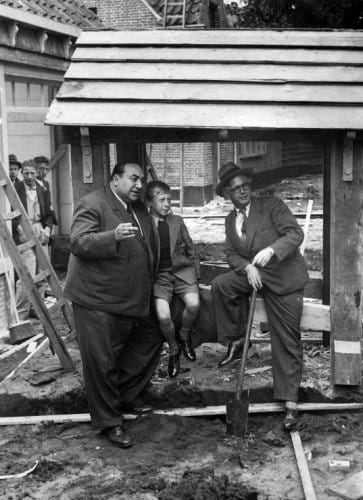
The guards at Theresienstadt humiliated Gerron and forced him to perform the song for their entertainment. They also made Gerron, alongside other prisoners, create a propaganda film aimed at showing the ‘positive’ nature of the concentration camp to the outside world.
Shortly after making the film, the majority of the prisoners working on it, Gerron included, were sent to Auschwitz and would not survive the war.
Look out Miss Lotte Lenya
The song would survive Jack Sheppard, Bertholt Brecht and Kurt Gerron, eventually making its way to the US after the war.
Marc Blitzstein, an American composer, is the man credited with writing the English lyrics for “Mack the Knife” in an off-broadway performance of The Threepenny Opera in 1954. His lyrics would be the ones eventually made famous by Bobby Darin.
The American version of the opera did retain connections to the original 1928 version. Most notably, Lotte Lenya, the wife of original composer Kurt Weill, starred in both the German production and the 1954 English version.
It was the music producer George Avakian who recognised the wider potential of the song. Having seen the 1954 off-Broadway version of The Threepenny Opera, he was convinced “Mack the Knife” could become a popular hit and pitched it to every artist he could think of, eventually getting Louis Armstrong onboard.
Armstrong fell in love with the tune and immediately recorded his own version. The All-Stars, Louis Armstrong’s band at the time, put their signature jazz sound to the track and effectively created the big swinging tune that it is today.
During the recording, Lotte Lenya was present in the studio and Armstrong improvised the line “look out Miss Lotte Lenya!” The line stuck and has been used in every version since.
Lenya and Armstrong did record a version together that was never officially released. The two voices together provide an odd contrast in styles with mixed results.
Could it be our boy’s done something rash?
Just three years later, Bobby Darin would cover “Mack the Knife”, keeping Armstrong’s improvised line about Lotte Lenya, and that’s when the song became a huge hit.
Initially, Darin was reluctant to record the track. He believed a song from an opera would not appeal to his fanbase. Yet, he was proven wrong as it went on to reach number one in 1959 and has since been included in endless lists of the top tunes of all time.
However, there is another footnote to this 300-year-old tale, which goes back full circle to its German roots.
Look out old Macky is back
Whilst touring Europe in 1960, Ella Fitzgerald, the legendary jazz artist, recorded a live version of “Mack the Knife” in Berlin. Inspired by the recent success of the track, she decided to perform the song without much rehearsal.
Disaster struck just two minutes into the tune as Ella forgot the lyrics. In true Ella style though, she finished the tune, improvising the lyrics to rest of the song.
The recording would go down in history, winning her Best Vocal Performance at the third Annual Grammy Awards and proving that you simply cannot keep a good song down.
Officially, there are 429 different versions of “Mack the Knife”, and although Bobby Darin is synonymous with the tune, he shares the 300-year history with a long list of characters who either influenced or were influenced by this undeniable classic.



