
The 3 Lessons I Learned From The Psychology of Money:
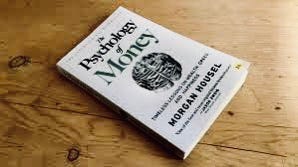
At the current time towards the end of 2023, the book “The Psychology of Money” has probably been one of the most popular financial books of the last several years. I really enjoyed reading this book and would like to share my insight on the three biggest lessons I learned from my reading.
1. Behavior Is More Important Than Intelligence:
In this book, the author describes that how we spend and invest our money (behavior) is more important than how smart we actually are. I never really thought about it but he is right. You do not have to be smart to be frugal and invest your money in an 8–10% return per year fund and retire a millionaire or close. Although I would personally advise to include other ways of investing, it’s still very good advice anyone can follow.
2. Know When You Have Enough:
I think this might be one of the more important and unspoken rules in all of finance. Whether it’s greed or high risk, it’s important for a couple of reasons. First, you obviously don’t want to lose money when you get closer to the finish line (no matter your age) and you at least want to enjoy some of your money at an older age before you may not have the opportunity to do so. I have personally seen many people I know who could retire (or take a lesser role of work) put off retirement or any certain time generous situation that won’t be there forever, just to get a little bit more money.
3. Don’t Take Unnecessary Risks:
This last lesson follows up with the previous one but I think it still deserves its own spot. The author describes a few stories where an investor gets lucky and makes a lot of money in the stock market, so he thinks he can do it again and loses it all. Another example I can think of is someone at a casino winning a bunch of money, and then slowly losing it all by the end of the night. Overall, I think the message of this lesson is straightforward and that is to cash out when a lucky and statistically unlikely event happens instead of thinking the luck will occur again. The last line could be used in many other life lessons as well.


