
The 2008 Stock Market Crash: Lessons Learned and the Potential for a Repeat in 2023
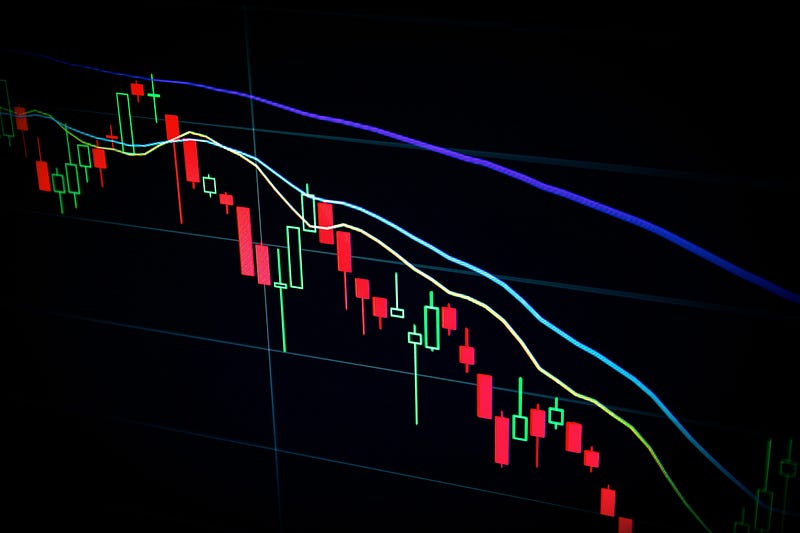
The 2008 financial crisis was a period of immense economic turmoil that shook the global economy to its core. The crash led to the collapse of major financial institutions, massive government bailouts, and deep recessions in various countries. As we stand in 2023, it is important to analyze what happened in 2008 and consider whether the same situation could occur today.
The 2008 Stock Market Crash: What Happened?
Housing Bubble and Subprime Mortgages
The 2008 stock market crash was precipitated by the collapse of the housing bubble in the United States. This bubble was fueled by an increase in housing prices, driven by low interest rates and easy access to credit. Many financial institutions began offering subprime mortgages to borrowers with poor credit history, which led to an unsustainable surge in demand for housing.
Financial Institutions and Securitization
Financial institutions further exacerbated the problem by creating mortgage-backed securities (MBS) and collateralized debt obligations (CDO), which were comprised of these high-risk subprime mortgages. These complex financial instruments were then sold to investors worldwide, spreading the risk throughout the global financial system.
The Collapse
As housing prices began to plummet, many borrowers found themselves underwater on their mortgages, with homes worth less than the outstanding balance on their loans. This led to a wave of foreclosures, which further depressed housing prices. The value of the MBS and CDOs held by financial institutions began to decline sharply, causing massive losses and leading to the collapse of several major institutions, such as Lehman Brothers and Bear Stearns.
Government Intervention
In response to the crisis, governments worldwide implemented a variety of measures, including massive bailouts for financial institutions, lower interest rates, and stimulus packages to revive their respective economies. These interventions helped to stabilize the financial system and prevent a complete collapse, but the effects of the crisis were felt for years to come.
Can the Same Situation Occur in 2023?
While it is impossible to predict the future with absolute certainty, there are several factors that suggest that a similar crisis is less likely in 2023.
Stricter Regulation
One of the key lessons learned from the 2008 crisis was the need for stricter regulation of financial institutions. Since then, governments and regulatory bodies have implemented a range of reforms, such as the Dodd-Frank Wall Street Reform and Consumer Protection Act in the United States. These measures have increased capital requirements, limited risky lending practices, and enhanced transparency and oversight, which should help to prevent a repeat of the 2008 crisis.
Improved Risk Management
Financial institutions have also learned from the mistakes of the past and have implemented more robust risk management practices. This includes better assessment of credit risk, more conservative underwriting standards, and the use of stress testing to ensure that institutions can withstand adverse economic conditions.
Diversified Economic Growth
Since the 2008 crisis, there has been a shift towards more diversified economic growth. Many countries have worked to reduce their dependence on sectors that were hit hardest by the crisis, such as housing and finance, and have focused on fostering innovation and growth in other industries.
Conclusion
While the possibility of a similar financial crisis in 2023 cannot be ruled out completely, the reforms and lessons learned from the 2008 stock market crash have made the global financial system more resilient. However, it is crucial for governments, regulatory bodies, and financial institutions to remain vigilant and proactive in monitoring and addressing potential risks to prevent future crises.