avatarKannan Natesan

Free AI web copilot to create summaries, insights and extended knowledge, download it at here

2277

Abstract

e bird couples has been exaggerated to grandiose proportions in the old verses.</p><p id="f27b">A pair flying around the two sides of a flower, to avoid a collision, come together in a passionate embrace unable to bear the ‘split-second’ separation — marvels a poet, at the birds’ intimacy.</p><p id="4b35">In another evocative poem, the mistress awaiting her lover’s return asks her companion: “Would he, my beloved, worry about my getting distressed, being alone by myself, by the shrill calls in the stillness of the night, of the <i>Andril</i> mating with its hen, happy in its nest?”</p><figure id="636c"><img src="https://cdn-images-1.readmedium.com/v2/resize:fit:800/1*vVo8L5T5ujPdb3kFpUwYrw.jpeg"><figcaption>A Red-naped Ibis surrounded by Tridax daisies — Photo by <a href="https://www.pexels.com/@roshan-dadhe-55954452?utm_content=attributionCopyText&amp;utm_medium=referral&amp;utm_source=pexels">Roshan Dadhe</a> from <a href="https://www.pexels.com/photo/red-naped-ibis-on-stone-9349851/?utm_content=attributionCopyText&amp;utm_medium=referral&amp;utm_source=pexels">Pexels</a></figcaption></figure><p id="2fc3">What follows is a poem in Tamil script — circa 300 BCE by <i>Madurai Maruthan Ilanaagan — </i>song number 160 in an anthology called <a href="https://en.wikipedia.org/wiki/Ku%E1%B9%9Funtokai"><i>Kurunthokai</i></a>, and my English translation.</p><p id="5dec">In response to comforting words assuring her lover’s return, the mistress asks her companion in mock rhetoric, “Is this his homecoming you spoke about?” — her suitor is away in pursuit of a livelihood and has not returned even late into this month of the chilly winds that aggravate her pining and yearning.</p><p id="2822">நெருப்பின் அன்ன செந்தலை அன்றில், இறவின் அன்ன கொடுவாய்ப் பெடையொடு, தடவின் ஓங்கு சினைக் கட்சியில் பிரிந்தோர் கையற நரலு நள்ளென் யாமத்துப் பெருந்தண் வாடையும் வாரார், இஃதோ தோழி, நம் காதலர் வரைவே.</p><p id="2542"><b>— Madurai Maruthan Ilanaagan (மதுரை மருதன் இளநாகன்)</b></p><p id="e3e9">His nape as red as blazes, the Ibis nests with his mate — her beak as curved as shrimp — o’er the peepul* branches high, from where he cries, deep into the night to the despair of the pining and the separated. Is this my dear, the homecoming, of my suitor who won’t return, even

Options

to this onset of the chilling northern winds?</p><p id="2d43">I’d like to imagine that I have managed to bring some music in my translation, which, needless to say, fades in elegance compared to the original.</p><p id="0de0"><i>*Some might contend it is not the peepul tree that the poet refers to, but I have my reasons.</i></p><p id="cd5d">The ethereal loftiness of poetic imagination, painting a larger-than-life picture of a common bird is not what I want to extol. Rather, what is heartening is the groundedness in the reality of the everyday scenes and sounds that the poet uses to make it a song of the soil. It connects one to their land and becomes much more endearing.</p><p id="69cb">It is also to our great relief — amidst the doomsday predictions — that these birds still keep calling just as their ancient ancestors did, thanks to the largely unaffected ecosystems and habitats. These (and other) birds are the indicators of the health of the ecosystems they inhabit. That they go about their lives around us as they have for all these years signifies that everything is well with the world, to borrow a line from <a href="https://englishverse.com/poems/pippas_song">Robert Browning’s <i>Pippa’s song</i></a>:</p><blockquote id="7710"><p>THE year ’s at the spring, And day ’s at the morn; Morning ’s at seven; The hill-side ’s dew-pearl’d; The lark ’s on the wing; The snail ’s on the thorn; God ’s in His heaven — All ’s right with the world!</p></blockquote><p id="a579">The following post has a wonderful write-up accompanied by lovely photographs, of the American White Ibis that takes on the vigil over the world from its eastern cousin, as the <i>Andril </i>goes to sleep.</p><div id="bfae" class="link-block"> <a href="https://medium.com/wildlife-trekker/american-white-ibis-313209693"> <div> <div> <h2>American White Ibis</h2> <div><h3>The University of Miami Mascot</h3></div> <div><p>medium.com</p></div> </div> <div> <div style="background-image: url(https://miro.readmedium.com/v2/resize:fit:320/1*_PlE8re7Z7L-Zyg-cAwHaA.jpeg)"></div> </div> </div> </a> </div></article></body>

The 2,000-Year-Old Vigil Of The Sickle-Nosed

My translation of a 2,000-year-old Tamil poem and a message of hope
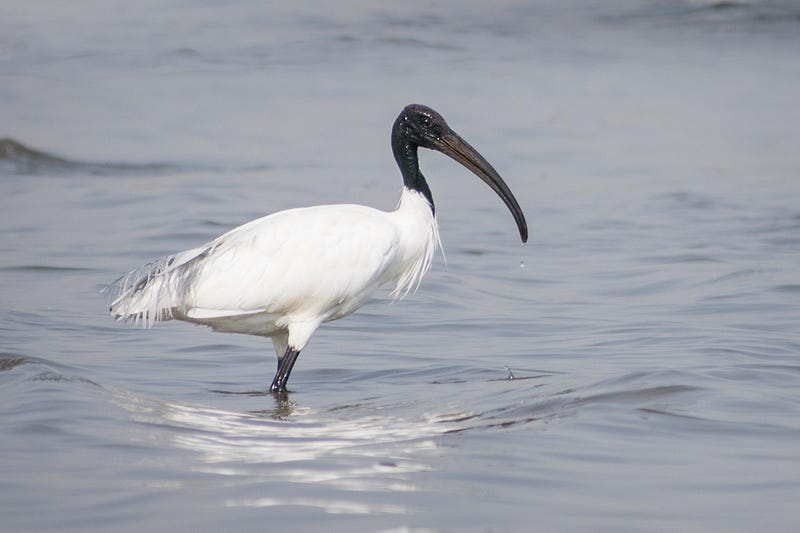
Black-headed Ibis on the hunt — Photo by Sonika Agarwal on Unsplash

The Black Ibis or the Red-naped Ibis is a remarkable bird and is endemic to India.

Living in small groups, nesting atop trees like the Palmyra and Peepul, the Red-naped Ibis has a dark brown and black plumage with a bright red patch on its nape.

The Tamil (தமிழ் — an ancient race and language in the south of India) name for Ibis is Arivaal Mookkan (அரிவாள் மூக்கன்) or the Sickle-nosed, describing its most significant feature — the long, curved beak. Apart from the Red-naped Ibis, India is also home to the Black-Headed Ibis and the Glossy Ibis.

The Red-naped Ibis — called Andril (அன்றில்)— has featured regularly in Tamil literature all along the last twenty centuries, haunting its poets, embellishing its epics and poems. The bird has served as a muse in other literary traditions of India too.

The Andril has long been the darling of romantic poets, as they leaned on the bird to bring a sense of authenticity and a streak of passion to their verses eulogizing fidelity and intimacy. This is owing to an age-old belief that the Andril mates for life. That it pines for its pair when it loses one, and that it dies soon after, has captured the imagination of the poets all these years. This has no research-backed evidence, but when has that deterred a romantic?

Always (believed to be) found in pairs, the inseparability of these bird couples has been exaggerated to grandiose proportions in the old verses.

A pair flying around the two sides of a flower, to avoid a collision, come together in a passionate embrace unable to bear the ‘split-second’ separation — marvels a poet, at the birds’ intimacy.

In another evocative poem, the mistress awaiting her lover’s return asks her companion: “Would he, my beloved, worry about my getting distressed, being alone by myself, by the shrill calls in the stillness of the night, of the Andril mating with its hen, happy in its nest?”
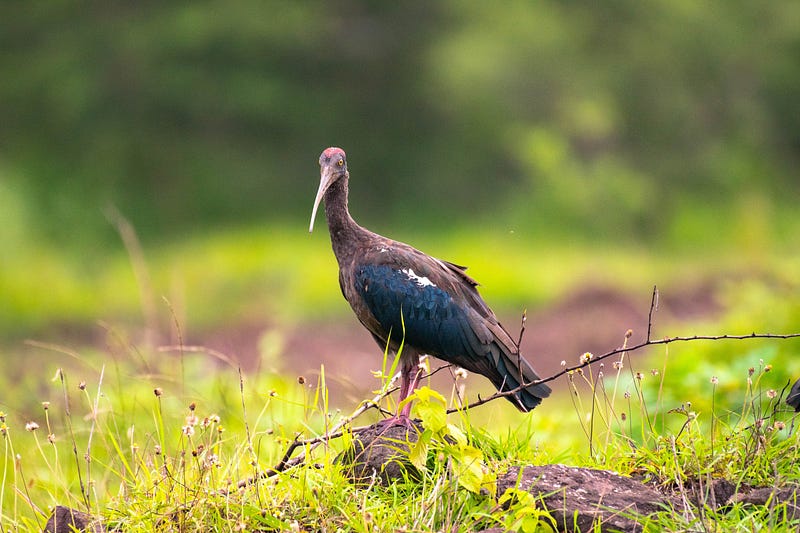
A Red-naped Ibis surrounded by Tridax daisies — Photo by Roshan Dadhe from Pexels

What follows is a poem in Tamil script — circa 300 BCE by Madurai Maruthan Ilanaagan — song number 160 in an anthology called Kurunthokai, and my English translation.

In response to comforting words assuring her lover’s return, the mistress asks her companion in mock rhetoric, “Is this his homecoming you spoke about?” — her suitor is away in pursuit of a livelihood and has not returned even late into this month of the chilly winds that aggravate her pining and yearning.

நெருப்பின் அன்ன செந்தலை அன்றில், இறவின் அன்ன கொடுவாய்ப் பெடையொடு, தடவின் ஓங்கு சினைக் கட்சியில் பிரிந்தோர் கையற நரலு நள்ளென் யாமத்துப் பெருந்தண் வாடையும் வாரார், இஃதோ தோழி, நம் காதலர் வரைவே.

— Madurai Maruthan Ilanaagan (மதுரை மருதன் இளநாகன்)

His nape as red as blazes, the Ibis nests with his mate — her beak as curved as shrimp — o’er the peepul* branches high, from where he cries, deep into the night to the despair of the pining and the separated. Is this my dear, the homecoming, of my suitor who won’t return, even to this onset of the chilling northern winds?

I’d like to imagine that I have managed to bring some music in my translation, which, needless to say, fades in elegance compared to the original.

*Some might contend it is not the peepul tree that the poet refers to, but I have my reasons.

The ethereal loftiness of poetic imagination, painting a larger-than-life picture of a common bird is not what I want to extol. Rather, what is heartening is the groundedness in the reality of the everyday scenes and sounds that the poet uses to make it a song of the soil. It connects one to their land and becomes much more endearing.

It is also to our great relief — amidst the doomsday predictions — that these birds still keep calling just as their ancient ancestors did, thanks to the largely unaffected ecosystems and habitats. These (and other) birds are the indicators of the health of the ecosystems they inhabit. That they go about their lives around us as they have for all these years signifies that everything is well with the world, to borrow a line from Robert Browning’s Pippa’s song:

THE year ’s at the spring, And day ’s at the morn; Morning ’s at seven; The hill-side ’s dew-pearl’d; The lark ’s on the wing; The snail ’s on the thorn; God ’s in His heaven — All ’s right with the world!

The following post has a wonderful write-up accompanied by lovely photographs, of the American White Ibis that takes on the vigil over the world from its eastern cousin, as the Andril goes to sleep.

Poetry
Tamil
Translation
Birds
Nature
Recommended from ReadMedium