
The #1 Diet to Lose Fat For Good
The simplest, most practical, research-based diet principles to lose and keep fat off.
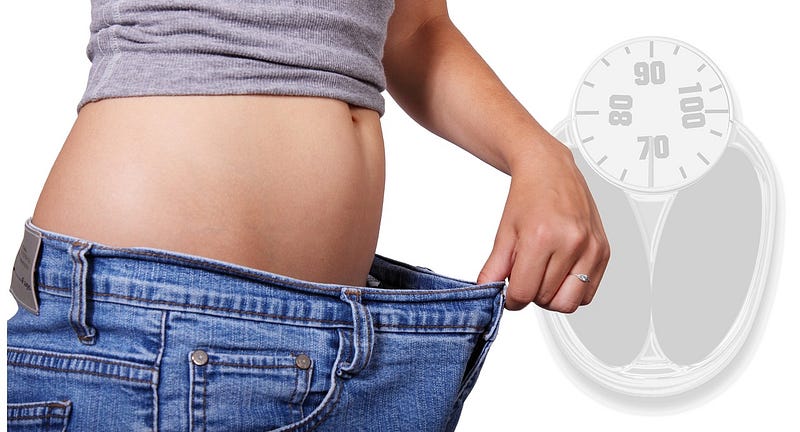
If you have tried to lose fat before, you must appreciate how difficult it is. It is even more difficult with the ridiculous amount of misinformation on the internet. Additionally, some popular weight loss diets have more cons than pros. Let us cut through the BS and discuss the most practical diet tips to shed fat and achieve a leaner physique.
#1. Eat More Protein
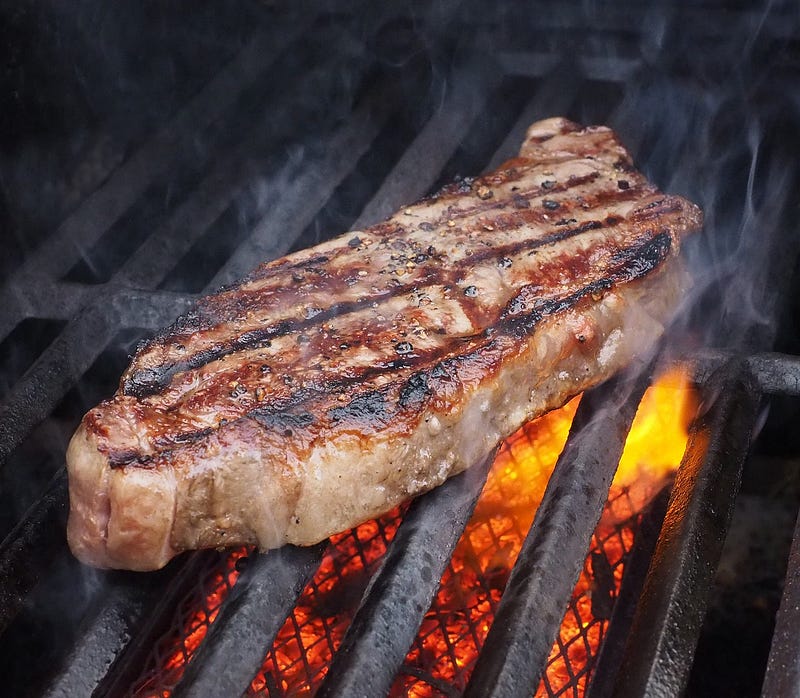
Protein is crucial in building and maintaining muscle, but does eating more lead to fat loss?
In a 2005 study, participants were randomly assigned to either a high-protein or a high-carbohydrate diet for 12 weeks.
The high-protein group consumed twice the amount of protein (30% of total energy intake) compared to the high-carbohydrate group (15% of total calorie intake).
After 12 weeks, the high-protein diet group lost about 10 pounds of fat. The main reason for losing fat is because protein is extremely filling leading to the subjects consuming fewer calories.
Another study published in 2020 in the Journal of Obesity & Metabolic Syndrome concluded that eating more protein leads to fat loss and prevents you from regaining fat after the diet is over.
You can therefore enhance your fat loss by increasing your daily protein consumption.
The most popular protein sources include canned tuna, boiled eggs, cooked salmon, lentils, shrimp, chicken breast, Greek yoghurt, chickpeas, cottage cheese, lean ground beef, whey protein, and tofu.
However, if meeting your protein requirements with whole foods proves challenging, consider whey protein supplements as a practical alternative.
It is a convenient, efficient way to hit your protein targets, supporting your body’s fat loss and muscle maintenance efforts without consuming large quantities of food.
#2. Cut Back Your Carbs But Don’t Eliminate Them
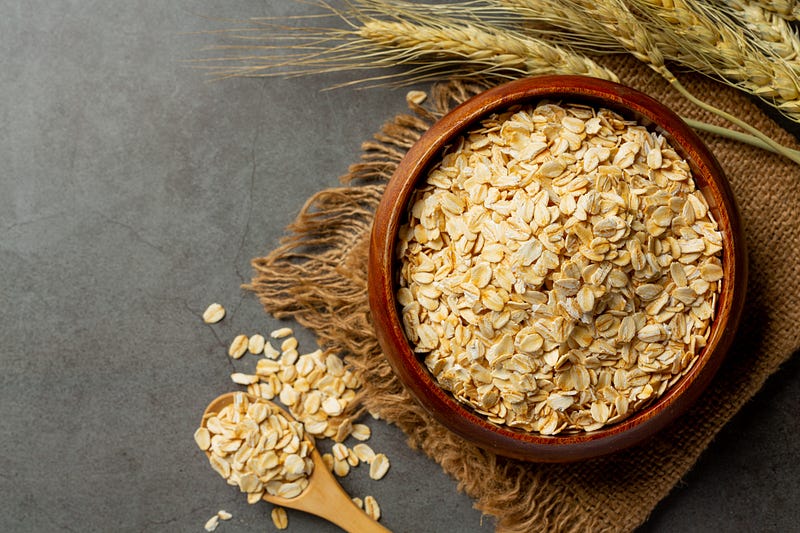
Carbs are essential for energy, particularly for fueling workouts, but excess intake can lead to unwanted weight gain. Does this mean you should cut them off totally? No.
Rather than cutting carbs out entirely, which leads to low energy levels and affects gym performance, it’s smarter to scale back on them and opt for less processed varieties.
For instance, choose whole grains like quinoa, brown rice, and barley over white bread or pastries. Swap out sugary snacks for fruits, and incorporate starchy vegetables such as sweet potatoes or butternut squash instead of fries or chips. Beans and lentils are also good because they have carbs and protein.
These choices offer more sustained energy and help you feel fuller for longer. This will help you maintain a calorie deficit without feeling deprived.
#3. Moderate Your Fat Intake
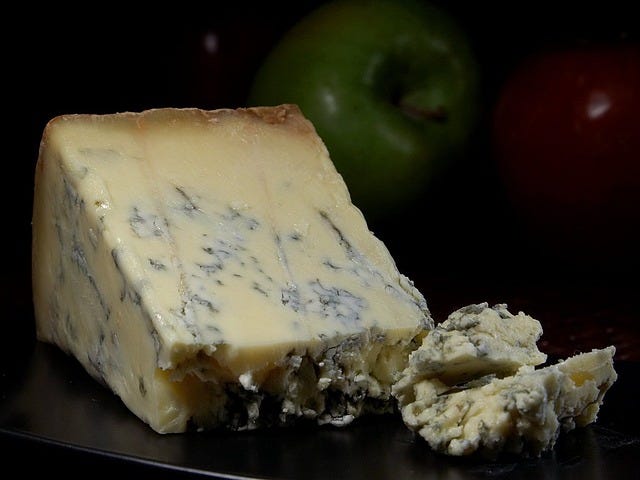
While fats contain more calories (9 calories per gram) than proteins and carbs, they’re essential for a balanced diet, hormone production and overall health. Yet, their high-calorie count means you might overconsume without noticing.
This doesn’t mean you should cut fats out of your diet completely. Just like carbs, eat them in moderation and choose more healthier options. Be aware of both obvious and hidden fat sources.
Desserts, fried foods, and some dairy products are well-known sources of fat but many people don’t realize how rapidly calories from “hidden” fats, such as salad dressings, cooking oils, and spreads, add up.
Simple changes can help you efficiently manage your fat intake. For example, choose thinner cuts of meat, low-fat or fat-free dairy products, and cooking spray instead of oil straight from the bottle.
Additionally, including healthy fats, like those from avocados, nuts, seeds, and fish, can help you feel fuller longer and make it easier to stick to your calorie goals.
#4. Adopt the Balanced Plate Concept
Strict meal plans don’t always work. Most people who adopt strict diets often regain fat once the diet is over.
The most practical and effective approach to plan out your meals is the balanced plate concept. The concept involves dividing your plate into sections to ensure a healthy and balanced meal.
The general idea is to include one-quarter of proteins, one-quarter of carbohydrates, and half of vegetables on your plate.
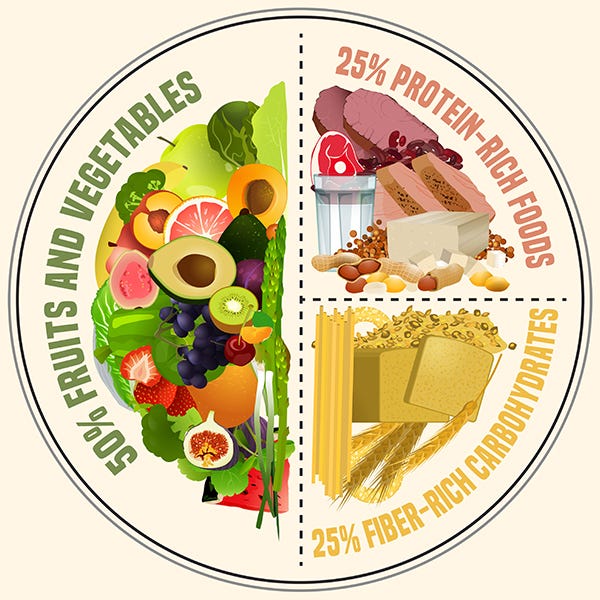
This approach has been proven to promote weight loss among individuals with overweight and obesity according to this 2022 study.
This is a manageable and sustainable approach to fat loss rather than choosing a strict meal plan.
#5. Adopt a Regular Eating Schedule
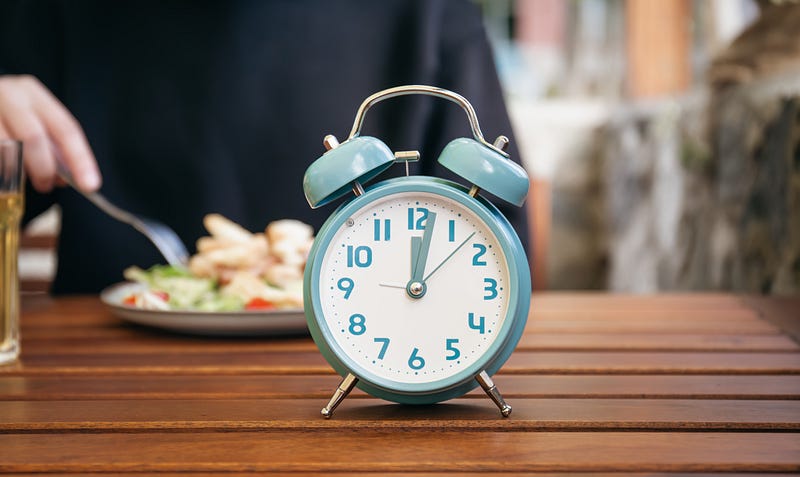
Eating consistently throughout the day will help you maintain sustained energy levels and prevent overeating. It also keeps your metabolism steady.
In addition, skipping meals seems a quick way to reduce calorie intake, but it often backfires. By the end of the day, the overwhelming hunger can lead to poor food choices and overeating.
Instead, aim for three to four balanced meals spread throughout the day, with the addition of one or two healthy snacks if needed.
Here is an example of a regular eating schedule:
- Breakfast: (Estimated time: 7:00 AM)
- A.M. Snack: (Estimated time: 10:00 AM)
- Lunch: (Estimated time: 12:30 PM)
- P.M. Snack: (Estimated time: 3:00 PM)
- Dinner: (Estimated time: 6:00 PM)
While intermittent fasting is effective for some, it’s not a one-size-fits-all solution. It works by confining your eating to a specific window, which can simplify calorie control.
However, the most important thing is finding an eating pattern that fits your lifestyle and is something you can stick with long term.
Conclusion
In conclusion, these simple, evidence-based principles are effective and sustainable for fat loss.
Increase your protein intake to feel full and maintain muscle, cut back on carbs without eliminating them for balanced energy, moderate your fat intake to avoid excess calories, adopt the balanced plate concept for well-rounded meals, and maintain a regular eating schedule to stabilize your metabolism and prevent overeating.
Finally, stay consistent and monitor how your body responds to make necessary adjustments.
Subscribe to My Email List to Stay Up to Date With New Health and Fitness Content.
https://medium.com/@kiplimode/subscribe


