avatarDr. Seema Patel (PhD)

Free AI web copilot to create summaries, insights and extended knowledge, download it at here

1254

Abstract

om/v2/resize:fit:800/1*VaP28c2Q7_9ma-V7Md6wJg.jpeg"><figcaption>Ixora: Image by author</figcaption></figure><p id="84c5">The mango trees never failed to give fruits. Year-round we relished the mangoes, raw in chutneys and side dishes, the ripe ones as fruits or desserts, and the rest as pickles.</p><figure id="4eeb"><img src="https://cdn-images-1.readmedium.com/v2/resize:fit:800/1*tA90ponGJMvBx3EGJGP7aw.jpeg"><figcaption>Mango: Image by author</figcaption></figure><p id="ed9b">I remember my sister bringing one foot-long plumeria stalk from a friend. In my last visit, it was a 20-foot giant with thousands of flowers on it. It was spectacular and the lovely flowers are fragrant.</p><figure id="8666"><img src="https://cdn-images-1.readmedium.com/v2/resize:fit:800/1*zWMUiSLHGJwbNqeuhD0sow.jpeg"><figcaption>Plumeria: Image by author</figcaption></figure><p id="5905">The pumpkin vine was a tiny one, but came monsoon, and it became enormous, spreading over the entire part of the backyard. The area used to be cow dung compost site, so the nitrogen in the soil made the vine grow huge.</p><p id="2b0a">Luckily, we eat the pumpkin stalks as different recipes. It’s delicious and nutritious.</p><figure id="66b8"><img src="https://cdn-images-1.readme

Options

dium.com/v2/resize:fit:800/1*ObDM1brksMPD4CTjqw8asg.jpeg"><figcaption>Pumpkin: Image by author</figcaption></figure><p id="5300">It’s custard apple flowers. I loved watching as they bloomed in spring. I even ate a few. My mother would ask me not eat too much or I will get nauseous. It turns out many plants of this family has a neurotoxin annonacin. Yes, every plant has some defense molecules, which can be dangerous for humans. That’s why moderation in consumption is needed.</p><figure id="1747"><img src="https://cdn-images-1.readmedium.com/v2/resize:fit:800/1*79YTq1w4HoxJF3weEAgXOg.jpeg"><figcaption>Custard apple flowers: Image by author</figcaption></figure><p id="11d4">Papaya plants grow pretty much like weeds in our regions. Each plant is loaded with so many fruits. From curry to ripe as fruits, they have so many uses.</p><p id="529c">Recently, I learned that papaya leaves are in demand as dengue cure.</p><figure id="64c0"><img src="https://cdn-images-1.readmedium.com/v2/resize:fit:800/1*mp13_IH1TjlNDtYc_Ll9Sg.jpeg"><figcaption>Papaya: Image by author</figcaption></figure><p id="804f">I hope you loved reading this plant's story.</p><p id="16ae">Love and recognize the plants. It’s important for a fulfilling life.</p></article></body>

That’s The Botanical Opulence, I Grew Up With

Reminiscing the plants in our yard, Part 1
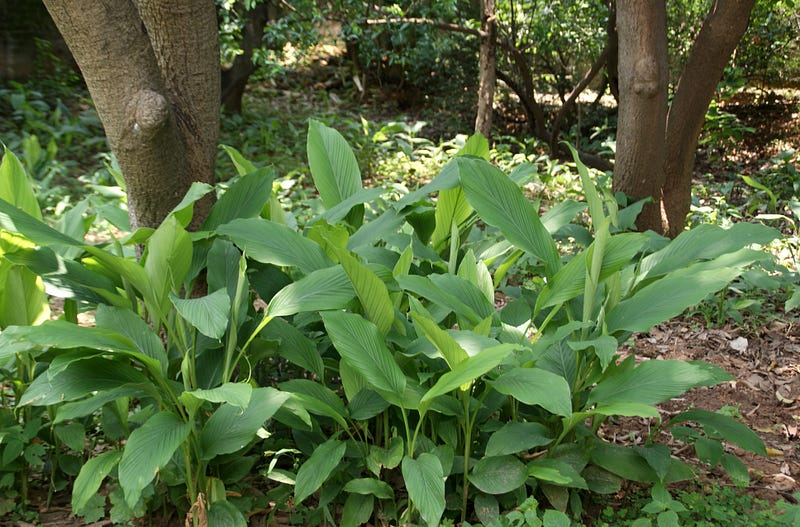
Turmeric: Image by author

As a teacher’s daughter in a small village, privileges were rare.

But I grew up with immense botanical opulence. A sprawling backyard with a variety of plants.

They made sure I grew up with physical and mental well-being.

Let’s see the plants.

Above picture is a turmeric patch. They thrive under the mango trees. Their flowers were also pretty and fragrant. Apart from the rhizomes, the leaves were used as wrappings for savory dishes, just like tamales are wrapped in corn husks.

Ixora (West Indian jasmine) shrubs thrived in the yard. Their flowers are lovely and attract butterflies. Garden lizards live on it, and I have discovered a bulbul bird nest in this shrub. This shrub belongs to the coffee family (Rubiaceae). I saw it's coffee-berry-like fruits and totally believed it.
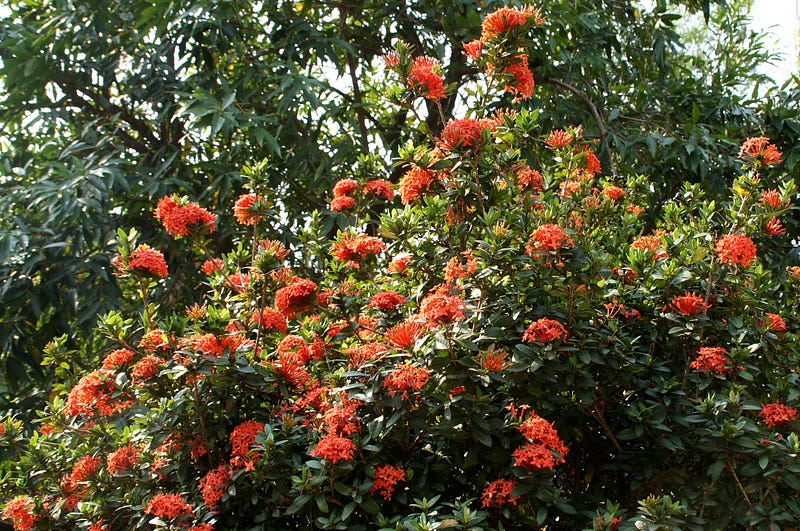
Ixora: Image by author

The mango trees never failed to give fruits. Year-round we relished the mangoes, raw in chutneys and side dishes, the ripe ones as fruits or desserts, and the rest as pickles.
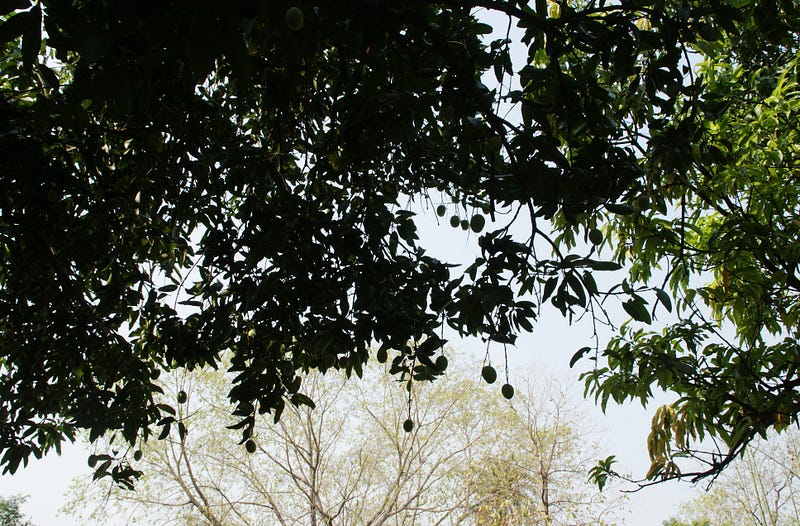
Mango: Image by author

I remember my sister bringing one foot-long plumeria stalk from a friend. In my last visit, it was a 20-foot giant with thousands of flowers on it. It was spectacular and the lovely flowers are fragrant.
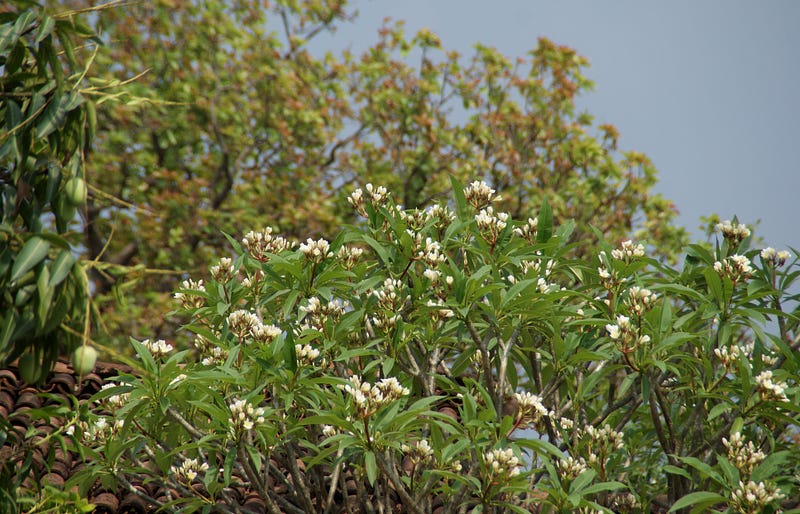
Plumeria: Image by author

The pumpkin vine was a tiny one, but came monsoon, and it became enormous, spreading over the entire part of the backyard. The area used to be cow dung compost site, so the nitrogen in the soil made the vine grow huge.

Luckily, we eat the pumpkin stalks as different recipes. It’s delicious and nutritious.
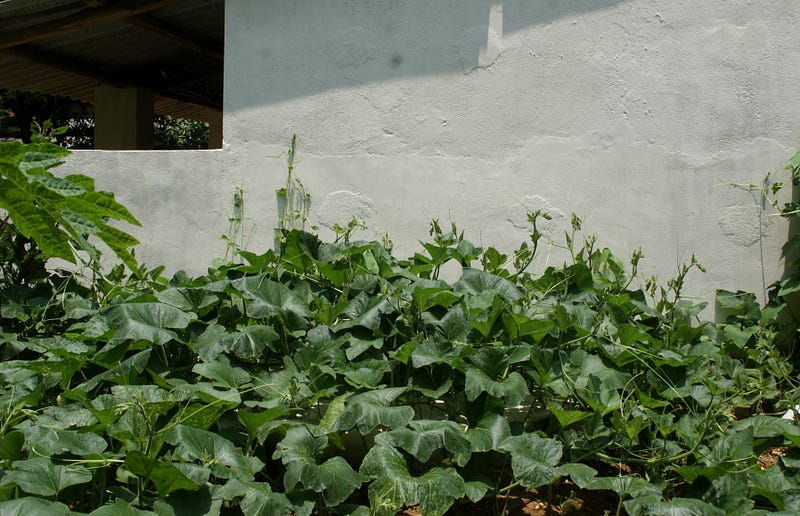
Pumpkin: Image by author

It’s custard apple flowers. I loved watching as they bloomed in spring. I even ate a few. My mother would ask me not eat too much or I will get nauseous. It turns out many plants of this family has a neurotoxin annonacin. Yes, every plant has some defense molecules, which can be dangerous for humans. That’s why moderation in consumption is needed.
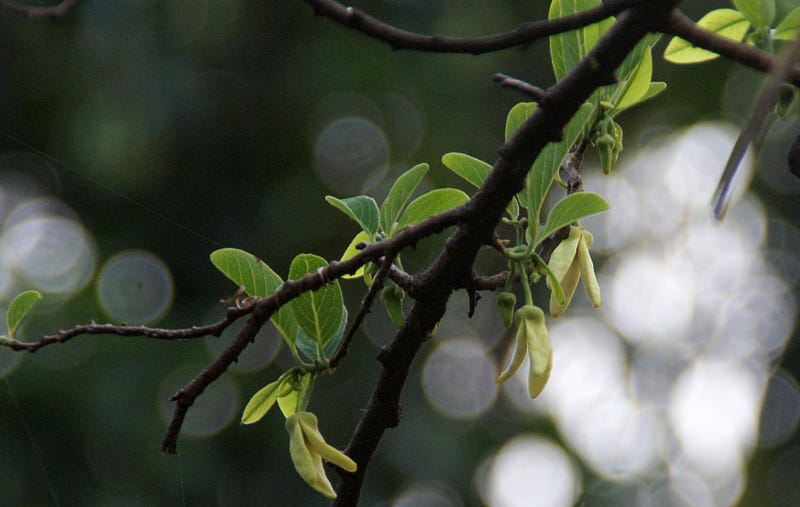
Custard apple flowers: Image by author

Papaya plants grow pretty much like weeds in our regions. Each plant is loaded with so many fruits. From curry to ripe as fruits, they have so many uses.

Recently, I learned that papaya leaves are in demand as dengue cure.
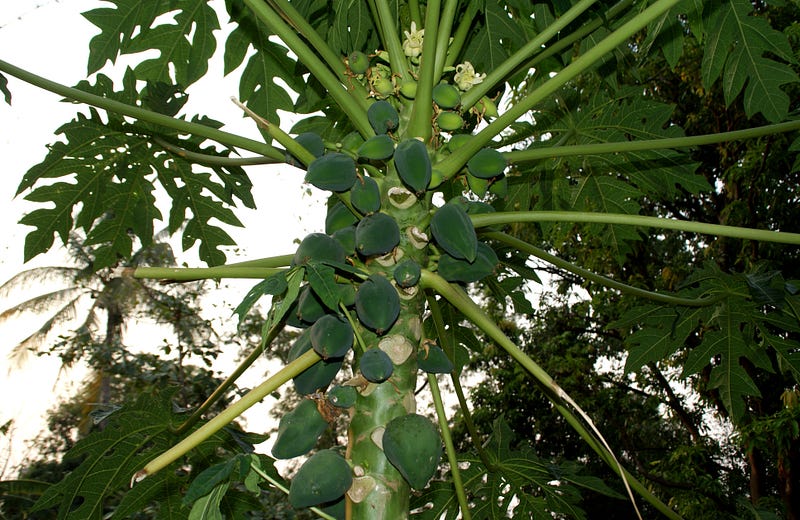
Papaya: Image by author

I hope you loved reading this plant's story.

Love and recognize the plants. It’s important for a fulfilling life.

Garden
Backyard
Plants
Nostalgia
Happy Childhood
Recommended from ReadMedium