
Why Am I Hearing Less And Less About Black Lives Matter?
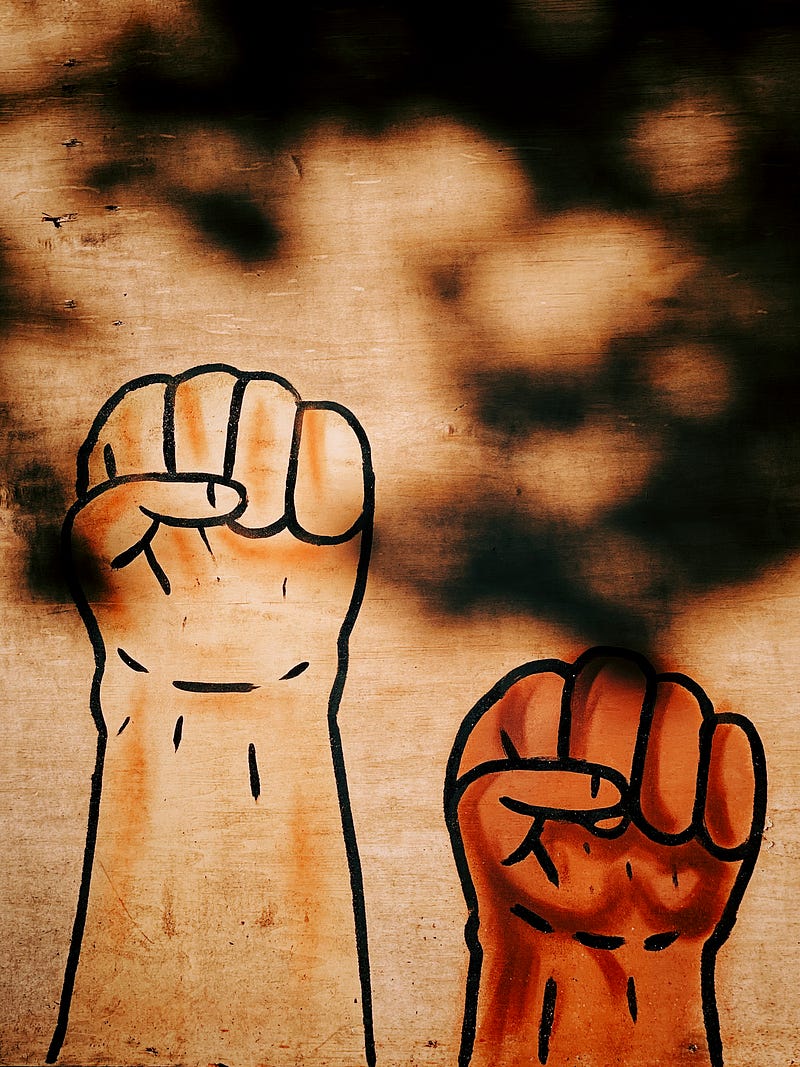
I write this article with a certain amount of cynicism lurking at the very back of my mind. For the last few weeks, I have not so much as seen a major news headline or heard a sound byte about Black Lives Matter in mainstream and social media. It seems like the movement has died off.
I mean, are there any more protests? Are there any more streets or avenues getting renamed after the movement? Are there any more racist statues getting pulled down in dramatic fashion like the Edward Colston one in Bristol, England? Folks, I have no clue because this information is no longer being reported on by major international media.
No more black squares on social media
I’m not even seeing the little black squares on social media anymore. Yes, I did criticize all that performative allyship because some of it was so damn hypocritical and fake. But now I’m even beginning to miss that fakery because it at least brought some continued visibility to the BLM movement.
Don’t tell me the short collective attention span of the world has already relegated BLM to the annals of history — don’t tell me that the global protests were in vain, don’t tell me that we have already forgotten George Floyd? We can’t have.
Major news media outlets have moved on
In fact, I don’t think anyone has forgotten. The images of Floyd taking his last breathes were traumatic on so many levels for black, brown, and white people. Like the 9/11 terrorist attacks, those images are deeply buried in the collective psyche and cannot be forgotten.
But, and here comes the but, the ruling hegemony, the people that own the main channels of dissemination, i.e. the CNNs, the BBCs, The Daily Mails, The New York Times, and many others, want you to forget. They no longer care. And this in my view is an example of systemic racism at work.
Silent censorship of BLM content
Systemic in the sense that the system — in this case, exemplified by the media, is working against Black Lives Matter. Let me deconstruct this a little: all major global media corporations belong to white people — they are the ruling class. They have decided, they have had enough. They no longer want to run BLM content and a type of silent censorship takes place whereby all that content is now put aside.
After all, BLM doesn’t make for pleasant dinner time conversations does it? Many white people don’t like the feelings of discomfort, fragility, self-doubt, and guilt that it creates within them. And this is not to say that all white people are racist — no far from that. But a painful subject like racism and the negative impact it has on so many people’s lives makes it an unpopular topic for many to engage in. So there is less demand to hear these stories, and the media de-prioritizes them.
Racism destroys lives
The reality, however, is that racism affects and destroys so many lives. It is important, it is not fleeting. We have to face it, unlearn it, get rid of it. It’s not going to go away because we don’t talk about it. Racism is complicit with silence, it grows exponentially in the comfort of silence. We should expose it, usher it out of its hiding place by speaking up, and making more noise. The media has a huge role to play in making this happen.
And in fact, the media owes this much to black people. For years it was and still is complicit in nurturing racism sentiment itself. TV reality shows like COPS played a huge role in colporting and reinforcing negative and harmful stereotypes about black people to audiences across America and the world.
The media has been complicit with racism
The media has helped build negative perceptions of black people and should now play a major role in dismantling this negative discourse. They should be actively involved in anti-racism, in helping to exterminate this insidious social construct — they should be leading the charge, not suppressing black voices even more.
Also, it is important for more black people to own some of the channels of communication. Tyler Perry Studios is a good start to this. We need more. Black people need to control their narratives. They need to run studios, television stations, newspapers, streaming services, and social media. They need to be able to speak directly to black and white audiences. Black lives can no longer be experienced through the oftentimes biased eyes of a white filmmaker or narrator. Black people need to be able to tell their own stories. We can no longer rely on white-owned media to allow us to speak once in a while.
Biased algorithms
Even in my own little corner of the world, I feel the tenets of oppression bearing down upon me in the forms of algorithms. Social media is not prioritizing algorithms about blackness any longer. Readership of the articles I write about my blackness is quickly declining. How can we train these algorithms to show these stories even if people are trying to ignore them? Truth be told, I’m not even sure this piece will get much visibility either. Let’s treat this as an experiment and see what type of audience reach it will get.
As I write these words, I remember an exchange I had with another writer a few days ago after I expressed my frustration at the years lost in educating and preparing my mixed-race children for a racist world. She responded that fighting racism was a multi-generational undertaking. How depressing to even envisage generations and generations of my blood continuing to fight this evil foe when we have the tools to defeat it today.
How can black people return to their lives of pain and injustice?
So even if I am feeling a little discouraged right now, disappointed because Black Lives Matter’s visibility is decreasing, I am reminded that as the spotlight on the movement painfully fades away, black people all over the world are left with the same prejudice and discrimination like before.
As black people, our hopes were riding on this moment in time. Now we will begrudgingly return to our lives — the pain and suffering, the anger, the frustration, the injustice. It’s as though we have been conned.
The mission is even more important now than ever
But I can’t despair. The mission is now even more important than ever. We can’t let the media forget this movement, we can’t let our communities forget this movement, we can’t let you forget this movement. We have to find innovative ways to keep it alive for as long as it takes. Any ideas, anyone?
It’s a long road ahead, but we need to continue the long journey toward healing and reconciliation between all human beings regardless of whatever color or hue they may be.
Thanks for reading my perspective.


