
That Shawl Which Embraces Our Soul
That dupatta which was missed
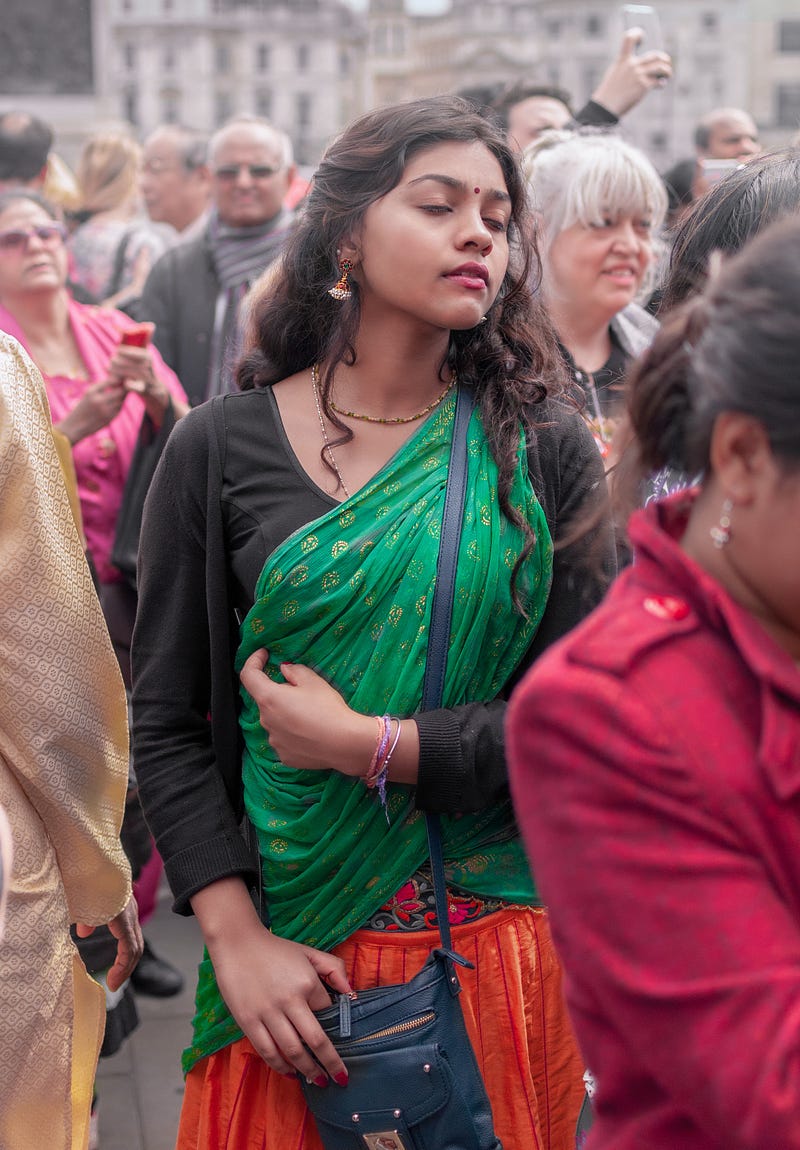
That dupatta which was missed
Photo by Viktor Forgacs on Unsplash
Today I forgot the dupatta, in India if you wear salwar kameez, the dupatta is a must, I remember how my sister used to go to school with pinned dupatta. That year our school uniform was changed, from a blue pleated skirt and white shirt it was blue kurta, white salwar and white dupatta. Think of Linus clinging to that blanket, it’s something similar to that which you need to carry with you if you are wearing Indian clothes.
In our culture, the significance of dupatta is thought to a girl at a very young age, a piece of cloth which you need to carry with you to cover your modesty.
I don’t know who invented this dress code for women or who made this rule for us, sometimes I feel why this book of rules is only for a woman.
Coming back to today’s post I had to go to school with my son today to collect his books, the anxiety of taking a cab after such a long time was there.
To feel good I thought of Indian Colours but thanks to two bags which I was carrying one had umbrella the other had my wallet and other essentials I forgot about the dupatta.
I noticed in-cab about that missing piece of cloth but felt free too, it would have been an added responsibility to carry that piece of fabric with me along with two bags. The additional weight of the cloth mask was already there which was making me suffocated.
While waiting for him outside the school gate I met another friend, she too was in Indian Colours but without dupatta maybe she has become used to going out without that shawl wrapped around her like a shield, for me today it was different I felt free but I missed it.
I think because of the upbringing rooted in our mind, in summer if we would be out the same piece of cloth would be used as a mask to cover our face and protect it from sun rays, in winter it becomes that comfort which reminds us of our mother’s love, in dreams it becomes that edge which we hold when we are anxious that pallu of our mother’s saree and in real life it becomes that shield which protects us when we are travelling imagine travelling alone and stuck somewhere that same piece you can use as a pillow or as a cover. The many dupatta’s each holding a story, the many colours will be precious for me but my reasons are different.


