
That Cry by the door!
a fictional haibun on destiny
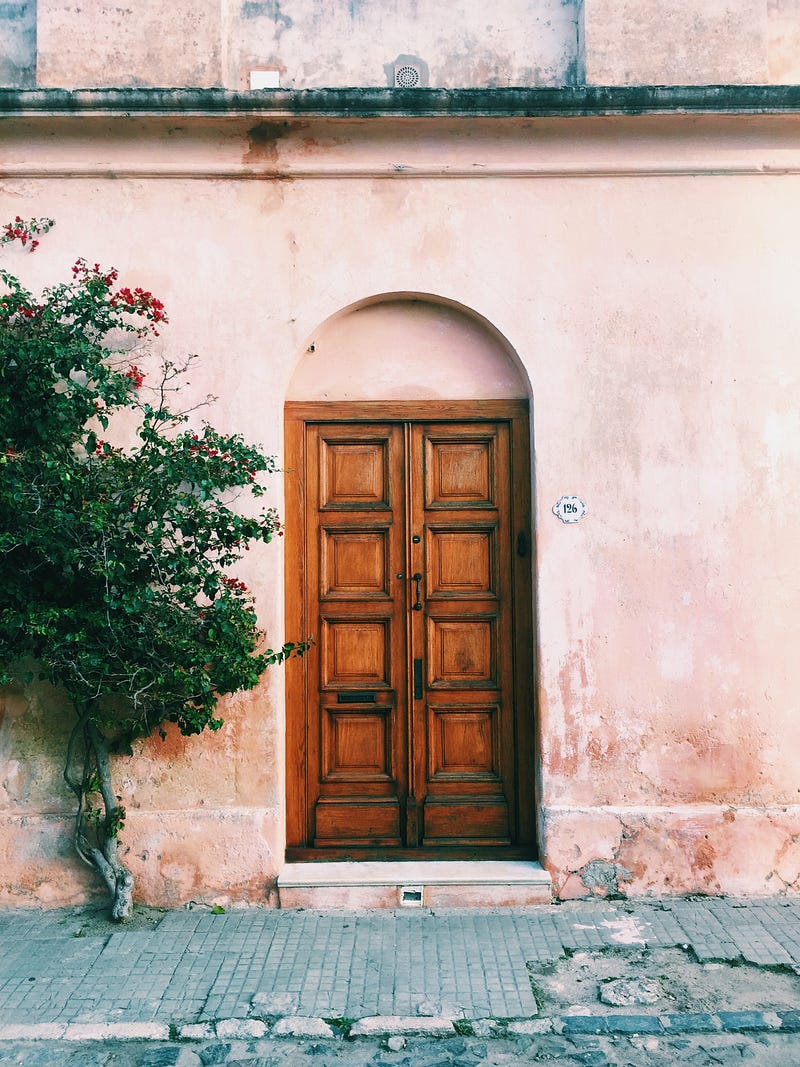
He stood by the family, of unpurposeful items at his scrapyard! All his life’s plannings never really materialized, and instead of flesh and blood, these non-living beings, disposed of from places unknown, found shelter under his roof. His senses, accustomed to the deadness, and so engrossed in the daily five minutes of introspection, failed to hear a cry, a faint cry, from, the outside of his door!
She knew she had to let go of her little baby. Her curse of being born as a girl child. They will come after her. A final kiss. Her eyes found the nearest door! We’ll meet again, someday, we’ll meet again…
and life seems stagnant, surprise cry at the doorsteps, changes direction!
She stood in front of her restaurant. Filled with pride, here eyes navigated to the insides, where her dad was busy doing the arrangements for the opening. Who knew, a scrapyard could get transformed into something like this? She only missed her mother. So much more today. A mother she had never met, her heart ached whenever she remembers her. Her eyes met that old woman’s gaze again sitting by the tree. She comes by, sometimes, looking at the building for a couple of moments and goes away. Does she need food? She always smiles at her but she turns her back and goes away whenever she sees her. Her eyes kept looking at the receding figure and towards the orange glow of the horizon amongst the floating clouds.
Her eyes could not believe what they saw. A restaurant. But her almost faded memories remember that it was a scrapyard. She sat on the footpath and like every week, since the last few months she has come to this city, tried to force her mind to think. Her bout of dementia had damaged her brain, but she knew there’s something, something belonging to her, at this particular place. And she’ll keep coming back unless she remembers. She saw a middle-aged, graceful looking woman looking at her. She always does whenever she sees her. Time to go now, and come back again next week. She quickly started walking to the opposite direction, her eyes perched on the orange glow of the horizon amongst the floating clouds.
we’re destiny’s child, who we’ll meet in the next turn, we do not know of!
Haibun is a prosimetric literary form originating in Japan, combining prose and haiku. The range of haibun is broad and frequently includes autobiography, diaries, essays, prose poems, short stories, or travel journals.
Thanks a lot, Dr. Mehmet Yildiz and all the editors at Illumination for sheltering a lot of my stuff, here!


