
That BS Called People Pleasing
And why it is time you stopped doing it
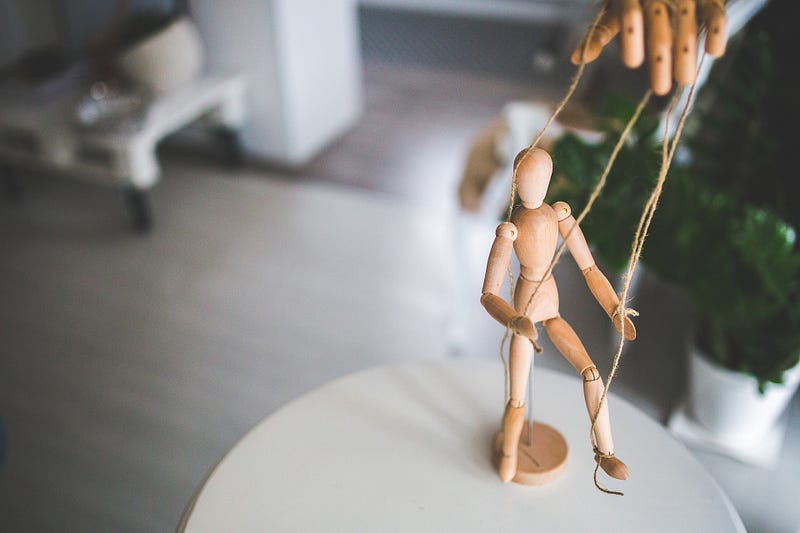
People pleasing. Putting others’ needs before ours.
Who hasn’t done it? That isn’t necessarily a bad thing. After all, as humans, we are all wired to want to feel loved and accepted and when we go with the flow, it feels good.
But when people-pleasing becomes second nature, it is a great way to let stress take over our lives and let our own well-being go to hell.
Yes, I am guilty of being a people pleaser. I’d love to say was, but I know I am still not fully out of it. It is a hard habit to break.
At work, I was known as the person who could never say no, and not in a complimentary way.
As an example, back in 2001, I worked a part-time job — convenient because I could drop my toddler off at playschool and pick him up on the way home. On his birthday and we had planned a small get-together with the kids in the block where we lived. Aware of this, my boss asked if I could stay a little late to take care of a consignment that had to leave that day. I agreed.
I knew I should have said no, but I went ahead and said yes because I didn’t want to hurt the boss’s feelings. The feelings of a person who did not care that I wouldn’t be home in time for my son’s third birthday party. Sure, the office work got done, but I have never stopped feeling bad about that day because I could have avoided saying yes.
People-Pleasing Is Like A Disease
My upbringing and the silly notion that the elderly can never be wrong was partly the reason I was a people pleaser. In our culture, the elders in the house are revered, and talking back to them is unheard of. We wouldn’t dare to say no even if it meant making ourselves miserable.
I can uncomfortably recall several instances when I did not have the courage to do what I wanted to.
I couldn’t say no even to my friends . . . they trusted me, right? Looking back, I know they wouldn’t have minded if I had said no.
People pleasers cannot stop themselves from:
- Feeling bad to hang up the phone on someone even when they know they’ve got to rush somewhere.
- Cutting off a conversation with someone who’s holding them up from keeping an appointment.
- Hesitating to disagree with someone because they don’t want to rock the boat.
- Taking on something when they know it means overloading themselves simply because they feel bad to say no.
Sound familiar?
As recently as six months ago — although I knew I couldn’t finish a writing assignment within the impossible deadline, I agreed to take it up. And stayed up all night finishing it because my ego wouldn’t let me say no.
Allowing someone to push us around is downright stupid. But not standing up for ourselves, worse.
Do we care so little for ourselves that we’d put up with just about anything to please someone else? More often than not, that someone might have been happy with an honest answer.
- Do we not deserve our own love and attention?
- How hard is it to realize that it is okay to put ourselves first?
- Why the desperate need for others’ approval?
People-pleasing is often a personality type that develops during childhood when we find it safer to say yes because it makes us feel loved. We want to be cooperative and avoid conflict. This becomes a habit. Sadly, we end up paying the price. It never occurs to us to be assertive even when we must be. By the time we realize it, we’re too far gone to want to do anything about it.
People-pleasing is the best way to be bullied. Not a nice feeling, wouldn’t you say?
How to Find Out If You Are a People Pleaser?
If you answer yes to more of these questions than you care to admit, you are a people pleaser.
1. You feel guilty or assume you’ve let someone down if you say no.
2. You are the go-to person for family and friends.
3. You agree to help people even if you don’t have the time or resources.
4. You are often pressed for time or late for things.
5. You are scared of being called selfish.
6. You tend to avoid conflict and confrontation.
7. You often feel that your relationships or friendships are one-sided and that you are the one who does most of the work.
8. You are afraid that people may not like you or want to be your friend if you say no.
9. You feel that people take advantage of you.
10. You often feel angry and resentful when someone asks for help, but refrain from saying anything.
Can You Stop Being One? Can You Reclaim Yourself?
You can change, yes. You can do it without hating yourself for it. It is okay to put yourself first on your priority list. Practice self-care. That way you’ll please more people even as you set an example. When you look after yourself, you are in better shape to look after others.
Take care of you
Admit it. When you please people, you feel all warm and happy inside as a result of saying yes. You feel appreciated. But when you get addicted to being the yes (wo)man, you will pay a hefty price that’s just not worth it. Saying no is uncomfortable. But get used to it. Find another way to feel good — try exercise or go for a walk. Set boundaries. It is not easy, but necessary.
Think before you speak
Before you readily agree to do something, pause for a moment to reflect on why you are saying yes.
- Must you sacrifice something just so someone else is happy?
- Will you feel resentful later?
- Is the give and take equation between you and the other person balanced?
Stop saying yes and practice saying no. The world will carry on, regardless. And no, you don’t have to explain yourself. Don’t give in to negotiation.
Buy yourself some time
If it freaks you out, buy time. Don’t let people treat you as their go-to with their perceived emergencies. Just because they do not have a backup plan does not make you responsible.
Be assertive
It is tough to change yourself overnight — but how about asserting that you are in the middle of something and will consider their request after you finish? Oh yes, you’ll face some fury and hurt feelings, but it is time to stop being manipulated.
Be firm. Recognize emotional blackmail for what it is. People will get used to it. Even better, they’ll simply go find someone else.
Those who matter don’t mind. And those who mind don’t matter.
To Sum Up
People-pleasing can be a good thing so long as we make sure we take care of ourselves.
First, ask yourself the questions listed under how to find out if you are a people pleaser.
Then, to stop being one, make sure you do the following:
- Take care of you
- Think before you speak
- Buy yourself some time
- Be assertive
When you stop people-pleasing, you reclaim your time, your self-respect and enjoy better relationships. After all, the people who really care about you would understand and appreciate it, won’t they?
Vidya Sury, Collecting Smiles ❤ Did you smile today?