
Thanks to Baby Boomers, Technology Today is Flourishing in Ways Never Imagined
The work we did in the past set the stage for progressive technology
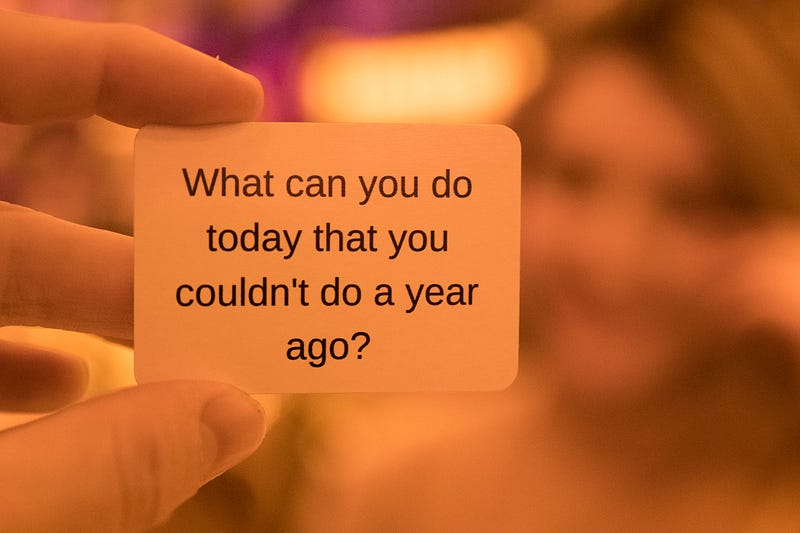
Boomers unite! There’s more to our generation than we remember, and it’s time to reflect, celebrate and recalibrate for the future.
Many of us remember growing up in the 60s and 70, but few remember the impact of our careers and being part of the generation that revolutionized technology.
Our contributions were varied, with firm commitments and rapid accomplishments. Whether your chosen career was part of the high-tech world, where you either helped develop and support innovation or were a user and benefitted from it, there was no escaping the tech advancements made in the 80s and 90s.
Our parents brought us mainframe computers, color television, transistors, microwave ovens, silicon chips, the space industry, and more.
Baby boomers, improving what our parents started, introduced laptops, smartphones, tablets, and advanced weather radar. Along with the internet, cell phones, the Space Shuttle, gaming, virtual reality, cutting-edge medical research, and many more technologies intended to close the gap between the Jetsons and our lifestyles.
The generation revolutionized environmental awareness, brought social change to the forefront of attention, developed DNA sequencing, and knocked down the Berlin Wall. And let’s not forget the introduction of Starbucks, Apple, Microsoft, Oracle, and many spin-off organizations dedicated to producing products and services supporting the tech revolution.
And who were the people that drove this level of innovation? They were baby boomers, born between 1946 and 1964, combined with the efforts of older corporations driven to innovate and compete.
In the 80s and 90s, the combination of talent and creativity ushered in an era that was the wild frontier of innovation.
Baby boomers developed the foundations for the systems and technology we use today. Amazon wouldn’t exist without the internet; the gaming industry would not be as mature without the work on microprocessor development and video technology, and social media would be slower to develop without universal connectivity.
Most everything touched and utilized is driven by customizable apps and software, with touchscreens or voice-activated response systems. These technologies were embryonic thoughts in the 80s and 90s, as future quests on innovation vision boards.
Gen X and millennials are now chartered with carrying the gavel of progress, developing artificial intelligence apps, working on electric vehicles, deploying 5G cellular, and improving crop production and medical diagnoses with technology. This is the generation born into a digital world, typically handed smartphones or iPads at early ages. They are loosely described as the software-defined generation.
Interestingly, something unusual happens as boomers pass the gavel of careers to the younger generations and begin shifting into retirement or less tenuous jobs.
There is a tendency to become less tolerant and more fearful of technology. It is as if many hit a tipping point and become afraid to try new apps and work with updated smartphones, tablets, and laptops. It’s a trend detrimental to personal growth and stability.
According to Science Daily,
Despite increasing numbers of older adults accessing the Internet, and many recent retirees using computers during their careers, the digital divide between older adults and younger people still exists. Older adults use significantly fewer digital applications and spend less time online than younger adults.
I know people who were CXOs, vice presidents, and leading engineers of major technology firms, still using old cell phones and 15-year-old laptops. Their eyes glaze over at the mention of new apps, better processors, high-speed communications, or the latest iPhone features. Their attitude is they don’t need to modernize because they are old and tired.
Technology is not going away. It is improving daily, with enhancements and apps designed to enrich our lives. It is not intended to be overly confusing or a barrier to personal growth. There is a lot of thought now into user interfaces and the availability of help through manufacturer’s websites, chat lines, and frequently asked questions.
Additional resources are available through onsite or online classes, videos, books, instruction guides, and sometimes private tutoring to help as needed. Community centers, the YMCA, and local community colleges also offer technology instruction with reasonable pricing. There is little reason not to use technology due to a lack of help and support.
My secret in any confusion encountered with new software or a device: my first stop is YouTube.
My friend, who is a high-level technology consultant, always tells his clients:
Either endorse digital transformation or stagnate.
© All rights reserved-March 2023 LJBentch


