
Thanks for the Views, Lou
He helped to frame the skyline in downtown Pittsburgh.
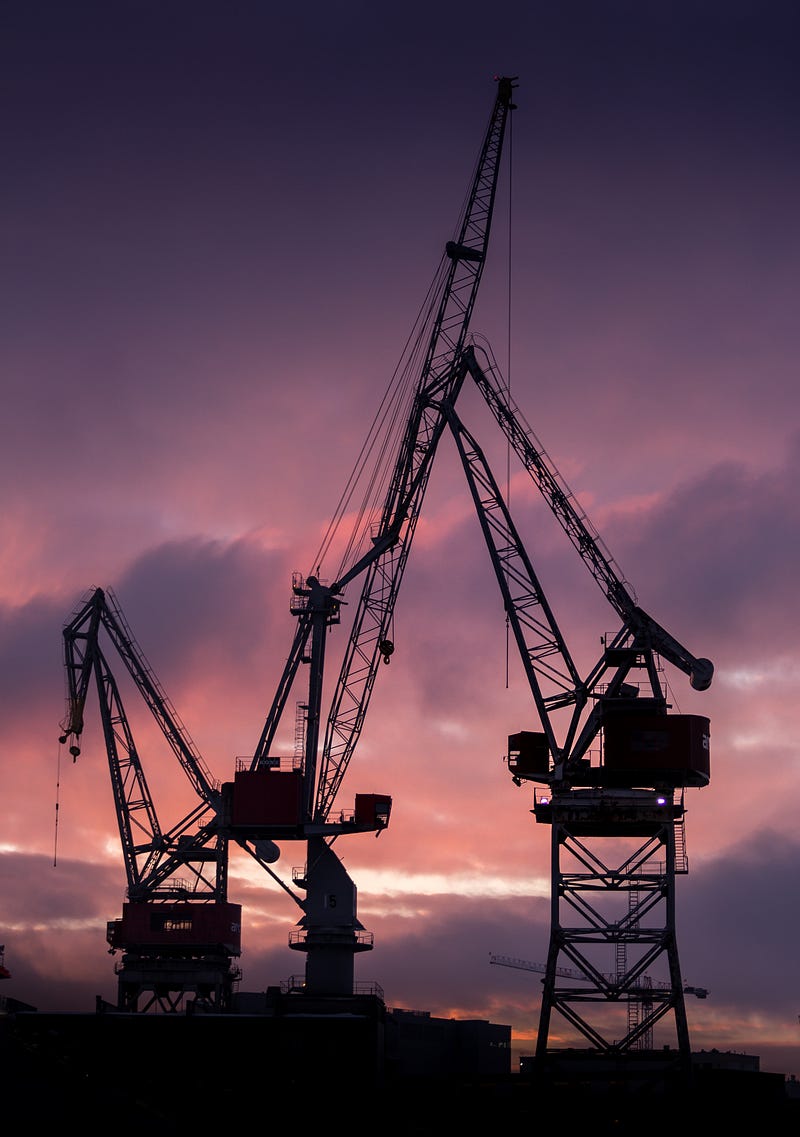
It’s not unusual for people to pull their cars over onto the side of a berm or into a parking lot to watch a crane pick up a bar of steel as it’s set on the next level, high in the air, layer upon layer of open framework resembling a metal Erector building set for children. The casual observer is fascinated by these gigantic, majestic machines, really simple levers, which build complicated structures. The boom (usually 150 feet long) on a crane at times resembles a leg, red and skinny, on a robot being from a Star Wars movie. It reaches up in the sky speaking its own language, scraping and swinging, in dancing rhythms, letting the wind force it, swaying at great heights, turning in circles, almost waving as the boom lifts and drops, lifts and drops, delicate from afar, gently tapping an air conditioner unit into place on the roof of a building, yet close up showing herculean strength in picking up a twenty ton bulldozer.
Cranes are the marvels of engineering with their lines of cables and levers, struts and booms. A delicate touch of the hand controls these giants. An inch off can make all the difference in a successful or disastrous pick. Precision, placement, skill, patience — it takes a competent person to hold the lives of so many in his or her hand.
What do the US Steel Tower now the UPMC Building, a few schools, PNC Park, and the following bridges: Joe Montana, Liberty, Panhandle, Smithfield Street, West End, McKees Rock, Jack’s Run all have in common? Lou Mosurak set or repaired the steel for all of these structures. And like the steel he sets, Mosurak manifests toughness, dependability, and strength. He has to be as a crane operator.
Lou’s handiwork is visible everywhere, whether looking out from Mount Washington at the many bridges, or down near 600 Grant Street where the UPMC, housing 44,000 tons of structural steel, looms. This titan casts its shadows on the Strip, nodding to nearby restaurants and shops, and can be seen some fifty miles away. Why did he want to be a crane operator? “It was a good life, a good living, and I earned good money.” Lou had no fear of heights, and the work was steady.
Lou worked on that UPMC tower building, the tallest building in Pittsburgh and also the tallest one he had ever set steel for, for three years. On a good day, Lou would set between thirty and forty pieces of steel.
On a typical day, Lou rode the trolley in from Bethel Park to the site. He took the man elevator up as far as he could and then climbed a ladder up to the cab. This entire process took fifteen minutes; the cab, at its highest, was around 900 feet in the air. Dressed in a pair of jeans, work shoes and baseball cap, Lou would fire up his radio, put his lunch bucket off to the side, get situated in the bucket seat, and wait for orders from the iron worker in charge of the building. Once in his cab, he never left until the end of his ten hour day. Most operations were auditory. Hands on the levers, his touch was in charge of tons of steel.
Lou’s oldest son, also named Lou, shared his perspective of the long hours his dad worked. “Growing up in the 1980s, I remember the sacrifices my father made to provide for our family, including the many nights of overtime worked in the summertime on the many building and transportation projects he helped construct.
“In those days before cell phones, and owing to the fact that phones on job sites were not readily available except for emergencies, I recall many evenings when my mom, brother and I and even my grandmother, who lived next door, would anxiously await his return home. Only years later as an adult do I fully begin to appreciate the important and sometimes dangerous work that was my dad’s career.”
While working on the Liberty Bridge, Lou and the 25 ton crane fell about three feet through the bridge floor. No one was hurt but it is a reminder of the dangers a crane operator faces. “It caught my attention,” he stated.
Lou retired at age 62, some twenty-two years ago. Now this army veteran and his wife split their time between Pittsburgh and Florida.And instead of setting steel, he enjoys watching other operators on job sites do the heavy lifting. Loquacious, smart, and still strong for his age, Lou proudly talks, as he sits under the chickee hut by the pool, dressed in cargo shorts and sandals, about the many buildings and bridges he helped to build in the great city of Pittsburgh.
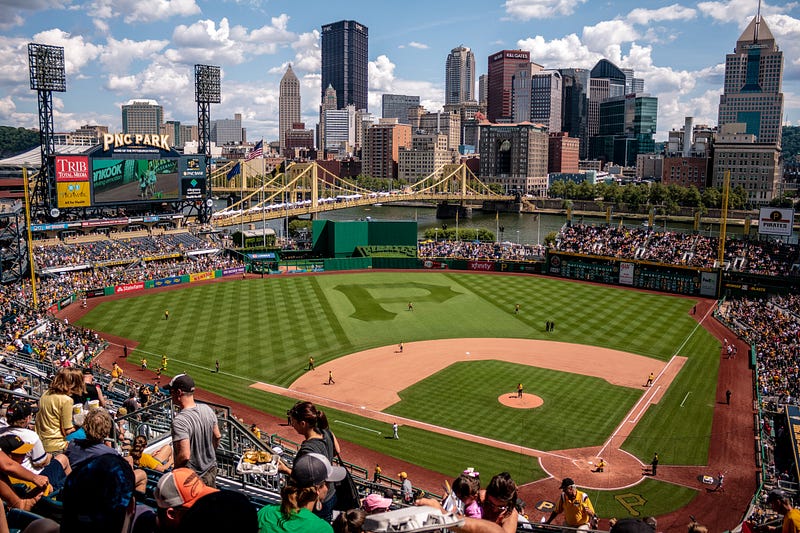
His son Lou adds a final thought: “I also see the impact of my dad’s work in the buildings he helped to construct. Often times, while tailgating with friends prior to a Steelers or Pirates game, I am in the parking lot just below the Community College of Allegheny County Building on the North Side and think of dad when I look up and see that building on the hillside. Those tailgating events are right near the spot where Three Rivers Stadium once stood, which is now a parking lot, but where a marker commemorating one of the Steelers’ most memorable plays — Franco Harris’s Immaculate Reception — occurred in 1972, just a few years after dad worked on setting the steel for the stadium in the late 1960s.
“When at a Pirates game in PNC Park, I see the tallest building on the city, the US Steel Building, as it towers over Downtown and frames the beautiful city skyline. His work helped form the views that not only myself but so many other baseball fans enjoy anytime they attend a game.”

And as the sun meets the horizon, the buildings and bridges in silhouette against the bluish- gray sky streaked with cotton candy swirls, we thank Lou for helping to mold this scene, never taken for granted, captured by many cameras, and so loved by the people of Pittsburgh.


