avatarTimothy Key

Free AI web copilot to create summaries, insights and extended knowledge, download it at here

2026

Abstract

ge from the typical Texas seed.</p><p id="42fc">Eventually both Arkansas and California began to grow rice and ultimately surpassed Texas in production to jointly lead the nation in production of rice today. However, rice remains a strong agricultural product of Texas with an international market that continues to support production.</p><h2 id="e822">What We Can Learn from Rice Production in Texas</h2><p id="324c">What put Texas at the forefront of rice production in the early 20th century was an intersection of three concepts: resources, networks and flexibility</p><p id="7208">Cheap land and the nearby access to rice mills were resources that prompted growth of the industry. A network of rail lines as well as a network of irrigation canals and pumps fueled the growth. And, finally the incorporation of foreign ideas and practices made production explode.</p><p id="d6d8"><b>Take home points:</b></p><ul><li><b><i>Be aware of unexpected opportunities.</i></b><i> When you think of Texas you think of oil, sagebrush and cattle. Pretty much an antithesis for an agricultural product that needs a lot of water.</i></li><li><b><i>Leverage your networks.</i></b><i> The intersection of transportation and irrigation networks allowed rice production to flourish.</i></li><li><b><i>Embrace foreign ideas and culture.</i></b><i> The inclusion of Japanese farmers into the rice production industry in Texas produce a rice “boom”.</i></li></ul><p id="0a34">Is there an opportunity that you never considered right under your nose? What resource networks exist around you that might make a seed of an idea take off? What if you shifted your thinking to include ‘foreign’ ideas and philosophies?</p><p id="1ff8" type="7">The results could be unexpectedly spectacular.</p><blockquote id="d983"><p>By the way, if you thought (like I did) that Rice University in Houston might somehow be a namesake of the industry in the state, that is not the case. <a href="https://en.wikipedia.org/wiki/Rice_University">William Marsh Rice,</a>

Options

who chartered the initially tuition-free institute in 1891 made his fortune from <b>cotton</b>.</p></blockquote><p id="c92d"><b>If you liked this article, you may also like:</b></p><div id="071f" class="link-block"> <a href="https://readmedium.com/the-biology-of-a-female-christian-rap-star-6a1cf43af1c8"> <div> <div> <h2>The Biology of a Female Christian Rap Star</h2> <div><h3>The key lies in her soul</h3></div> <div><p>medium.com</p></div> </div> <div> <div style="background-image: url(https://miro.readmedium.com/v2/resize:fit:320/0*_u-jnFRAqzAISkk4)"></div> </div> </div> </a> </div><div id="0b8e" class="link-block"> <a href="https://readmedium.com/the-difference-between-cryptocurrency-and-blockchain-1d8c27282943"> <div> <div> <h2>The Difference Between Cryptocurrency and Blockchain</h2> <div><h3>A completely non-technical explanation</h3></div> <div><p>medium.com</p></div> </div> <div> <div style="background-image: url(https://miro.readmedium.com/v2/resize:fit:320/1*iE7XPG2gKjlkcRTwBGzgDw.jpeg)"></div> </div> </div> </a> </div><p id="71e9"><i>Timothy Key spent over 26 years in the fire service as a firefighter/paramedic and various fire chief management roles. He firmly believes that bad managers destroy more than companies, and good managers create a passion that is contagious. Compassion, grace and gratitude drive the world; or at least they should. Follow me on <a href="https://www.instagram.com/key3writer/">Instagram</a>, <a href="https://www.facebook.com/keytimothy242/">Facebook</a>, and <a href="https://twitter.com/keytimothy242">Twitter</a>, and join the <a href="https://mailchi.mp/a35d63b4962a/timothykey">mail list</a>.</i></p></article></body>

Quantity with Quality

Texas is One of the Pioneers of Rice Production in the United States

How did that happen?
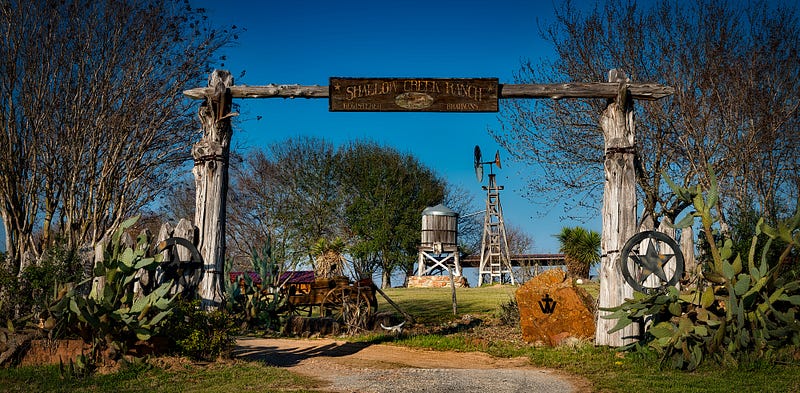
Photo by David Mark on Pixabay

This is my next story in a series of articles responding to Dr Mehmet Yildiz’s challenge to produce a short quality article with three take home points each day for thirty days.

I have chosen to use Wikipedia’s main page as inspiration, choosing one topic from the “Did You Know” section as topical encouragement.

The production of rice in Texas began 1853 by William Goyens. By 1863 the first major rice farm was established in Beaumont, Texas a town in the southeast corner of the state. Within a few decades Texas and Louisiana were producing over 99% of rice in the U.S. jointly cultivating over 600,000 acres of the crop.
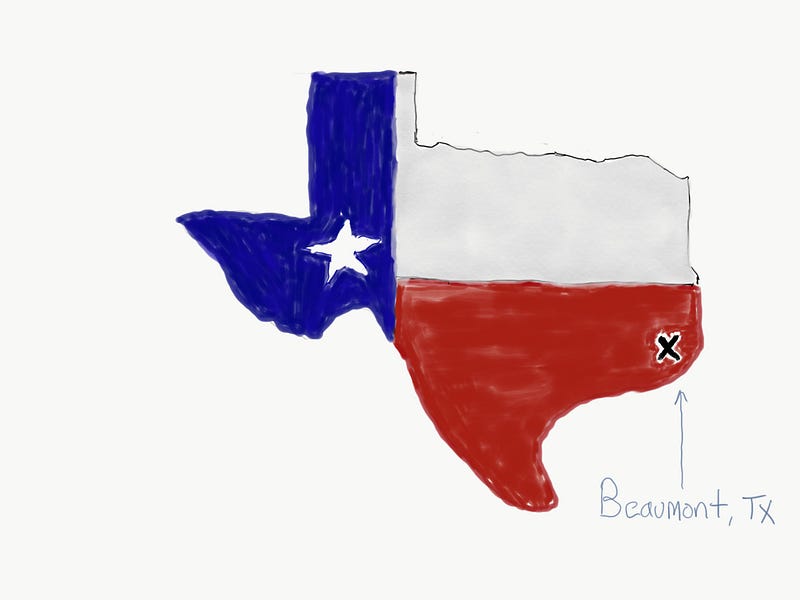
Illustration by Author

The transportation infrastructure, especially the Southern Pacific Railroad, significantly fostered rice production in Texas along with the availability of cheap land and construction of rice mills in the area.

Rice cultivation along the gulf coast of Texas was further enhanced by an infusion of Japanese farmer families that acted as consultants and advised local farmers on the best techniques to improve crop yields.

Introduction of Japanese rice seeds and farming techniques provided an average of 34 barrels of rice per acre compared to the 18 to 20-barrel average from the typical Texas seed.

Eventually both Arkansas and California began to grow rice and ultimately surpassed Texas in production to jointly lead the nation in production of rice today. However, rice remains a strong agricultural product of Texas with an international market that continues to support production.

What We Can Learn from Rice Production in Texas

What put Texas at the forefront of rice production in the early 20th century was an intersection of three concepts: resources, networks and flexibility

Cheap land and the nearby access to rice mills were resources that prompted growth of the industry. A network of rail lines as well as a network of irrigation canals and pumps fueled the growth. And, finally the incorporation of foreign ideas and practices made production explode.

Take home points:

  • Be aware of unexpected opportunities. When you think of Texas you think of oil, sagebrush and cattle. Pretty much an antithesis for an agricultural product that needs a lot of water.
  • Leverage your networks. The intersection of transportation and irrigation networks allowed rice production to flourish.
  • Embrace foreign ideas and culture. The inclusion of Japanese farmers into the rice production industry in Texas produce a rice “boom”.

Is there an opportunity that you never considered right under your nose? What resource networks exist around you that might make a seed of an idea take off? What if you shifted your thinking to include ‘foreign’ ideas and philosophies?

The results could be unexpectedly spectacular.

By the way, if you thought (like I did) that Rice University in Houston might somehow be a namesake of the industry in the state, that is not the case. William Marsh Rice, who chartered the initially tuition-free institute in 1891 made his fortune from cotton.

If you liked this article, you may also like:

Timothy Key spent over 26 years in the fire service as a firefighter/paramedic and various fire chief management roles. He firmly believes that bad managers destroy more than companies, and good managers create a passion that is contagious. Compassion, grace and gratitude drive the world; or at least they should. Follow me on Instagram, Facebook, and Twitter, and join the mail list.

Leadership
Innovation
Business
Self Improvement
Quality
Recommended from ReadMedium