Test Pilot School
Have you dreamed about flying through the sky supersonic in a T-38? Have you dreamed out about becoming a test pilot flying X-class planes? Welcome to the future friends!
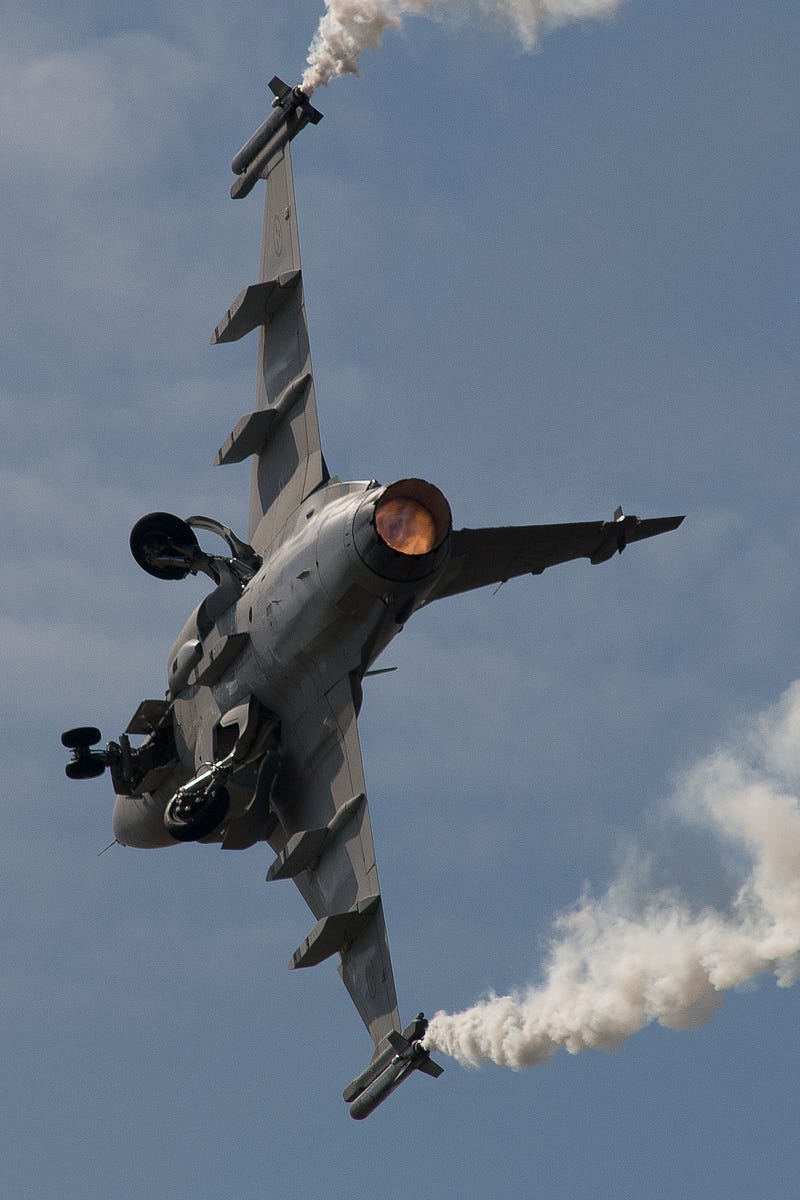
There are a lot of requirements to be able to go to test pilot school and become a test pilot engineer. To earn your masters in science you will have to pass the course at Edwards Air Force Base, the 412th test wing, NAV, or at National Test Pilot School. They all fly similar planes to test you on different types of aircraft. Anything from the Cessna which a lot of trainee pilots start at to a Bell UH-1N, a rotor helicopter.
To be able to qualify to go to these schools there are a few requirements that each candidate has to have. Firstly, you have to have a Bachelors's in engineering, math, or physics. From this point, you have to have varying degrees of flight hours depending on what you're going in for. You can go in for Experimental test pilot, experimental test RPA pilot (drones), CSO ( Combat Systems Officer), or an Experimental Flight test engineer. Each one of these different courses has different requirements in order to qualify. I will leave the link below to find the pdf for the USAF pdf.
Experimental Test Pilot
Less than or equal to 9 and 1/2 years of service, 12 months AC in MWS, 750 hr or IP(MWS), 1000 hr if dual IP, 250 hrs of manned non-MWS may be included
Experimental RPA pilot
Less than or equal to 9 and 1/2 years of service, IP in RPA MWS or at least 750 hrs(250 hrs in a manned MWS may be included)
CSO
Less than or equal to 9 and 1/2 years of service, IP in CSO MWS or at least 500 hrs in MWS, excluding student time
Experimental Flight Test Engineer
Less than or equal to 8 years (includes guard and reserve), Technical Master degree highly desired, greater than 2 years in an engineering AFSC(air force jobs), class three physical
In addition to the above requirements, you have to pass altitude chamber tests a flight physical 2 or 3 for an engineer, and centrifuge training. The altitude chamber at NASTAR can go up to 100,000 ft, max ascent rate 12,000 ft/min, and an automated flight system. NASTAR also has a centrifuge which is the spinning thing in the movies. It puts G’s, or centrifugal force on the passenger.
“Everything is awesome about flying a helicopter, but they are slow. If your looking to get somewhere a plane is the way to go”
- Testimonial
https://www.edwards.af.mil/Portals/50/documents/AFD-131008-020.pdf?ver


