Teresa, Queen of the Castle
We visit my beloved’s father’s childhood village
“Be sure to see the Pillory. And the Cave behind the Castle. You won’t find it on your own. Get someone to show you…”
Teresa (my beloved spouse) had not heard her 88-year-old father this excited on the phone in some time. She and I were headed to the village where he was born, in the remote border town of Penha Garcia in the Portuguese mountains near Spain. José spent the first 10 years of his life there, from 1935–45. Teresa says he remembers swimming in the quarry behind the mountain with his friends: a happy childhood, despite his family’s grinding poverty. That ended when he was ten and his parents sent him to Lisbon to work as a delivery boy for a pharmacist. He slept on the pharmacy floor at night, but mostly recalls the fun he had riding his bike through Lisbon delivering medicines all day, every day.
As a young man, José switched driving his bike to driving a city bus. He married a young woman from another remote village near his hometown. Like him, Angelina was sent to work when she was ten— as a child-servant in a rich family’s home. Their stories are not unusual for children born during Portugal’s Salazar regime. The dictator wanted to keep his country rural and isolated. Like millions of others, José and Angelina wanted a better life for their family — which included a young daughter named Teresa, and so in 1965, they emigrated, first to Canada, then to the USA, where a second daughter, Maggie was born.
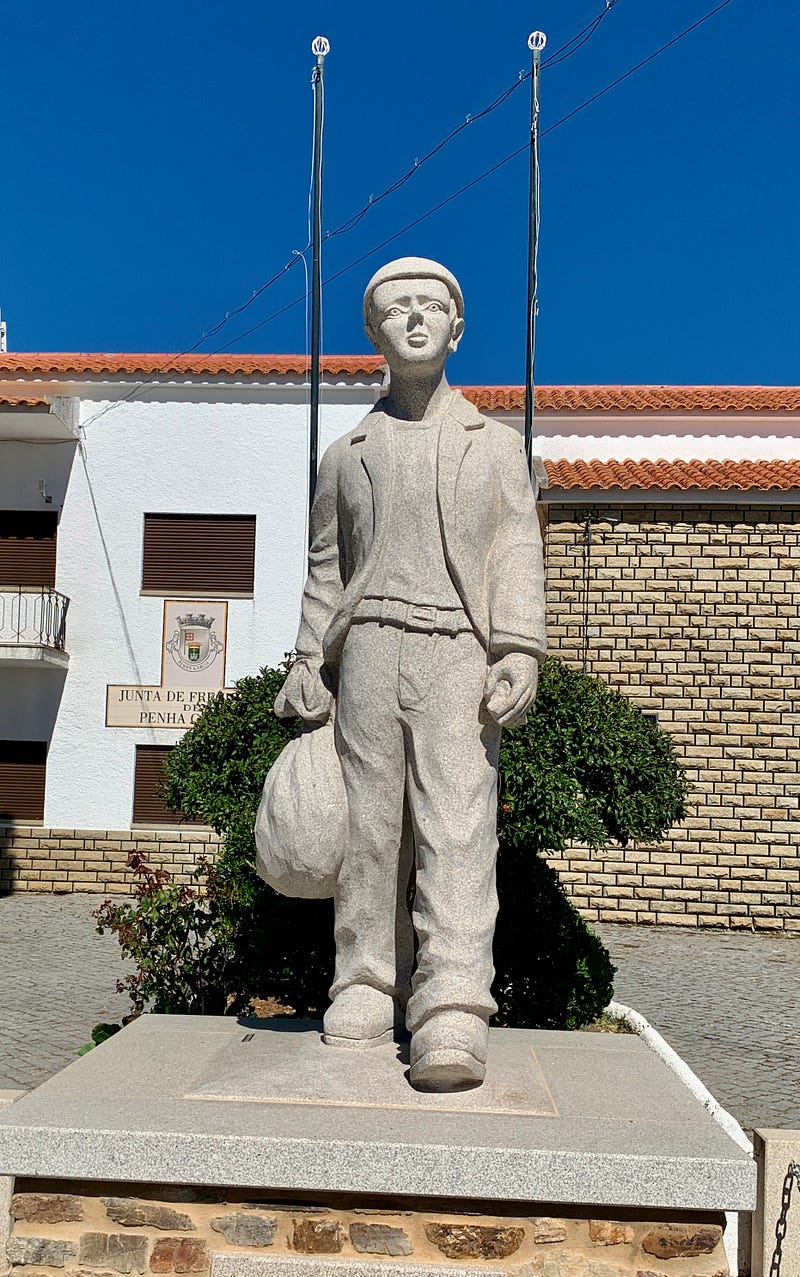
There is actually a monument to emigrants at the entrance to Penha Garcia. It shows a young man with a sack of belongings and a hopeful yet scared look on his face. He has no idea what the future holds, but he chooses the unknown — the promise of adventure and a better life. It could well be a statue of José.
When Teresa was a child, her family used to come back to Portugal in the summers, visiting both her mother’s and her father’s villages. She often told me how beautiful Penha Garcia was, with its castle ruins and the houses built with many-colored local stones. And, so, on our drive from France to Lisbon, we decided to stop over for one night. It has been forty years since her last visit.
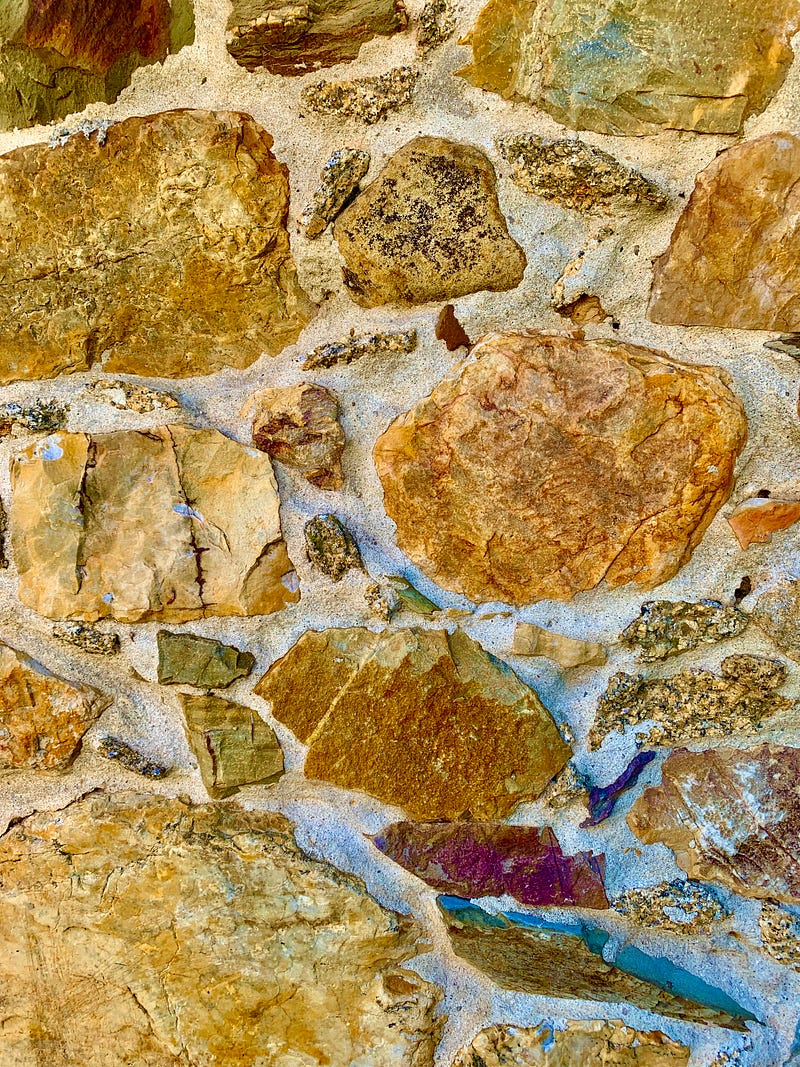
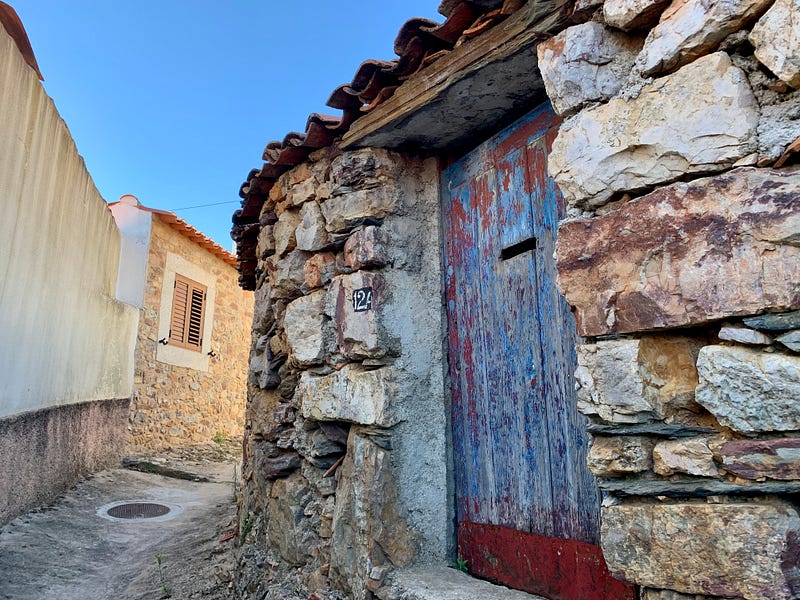
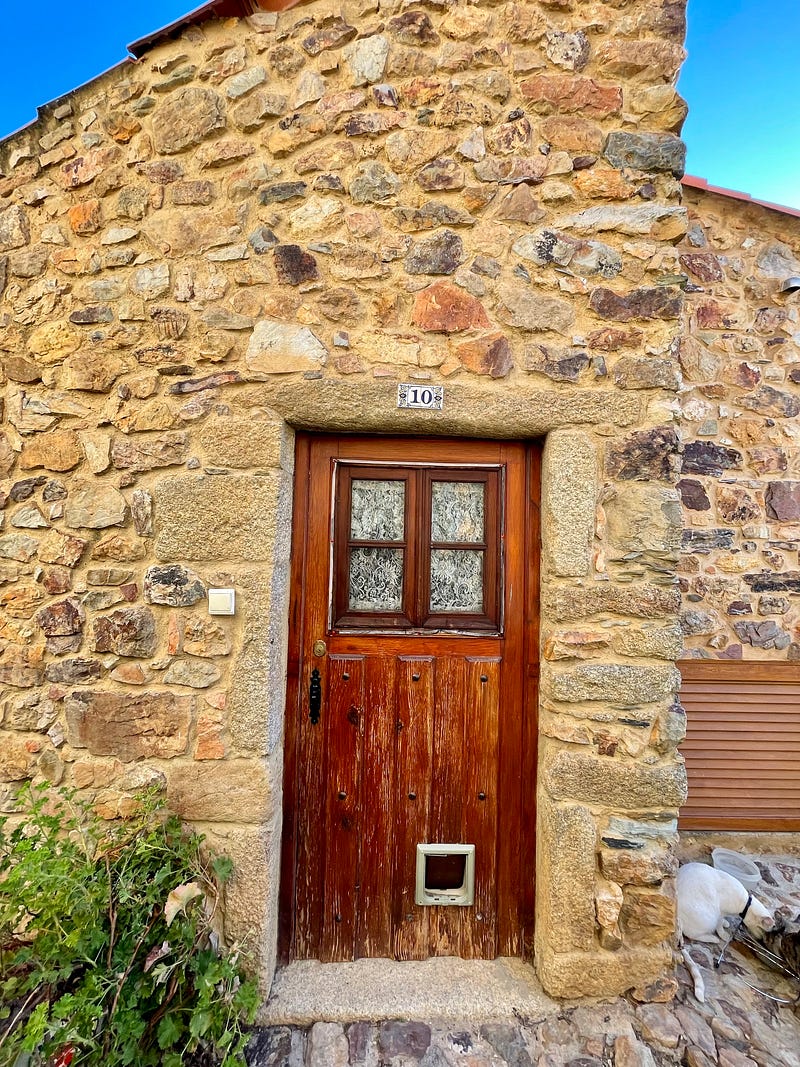
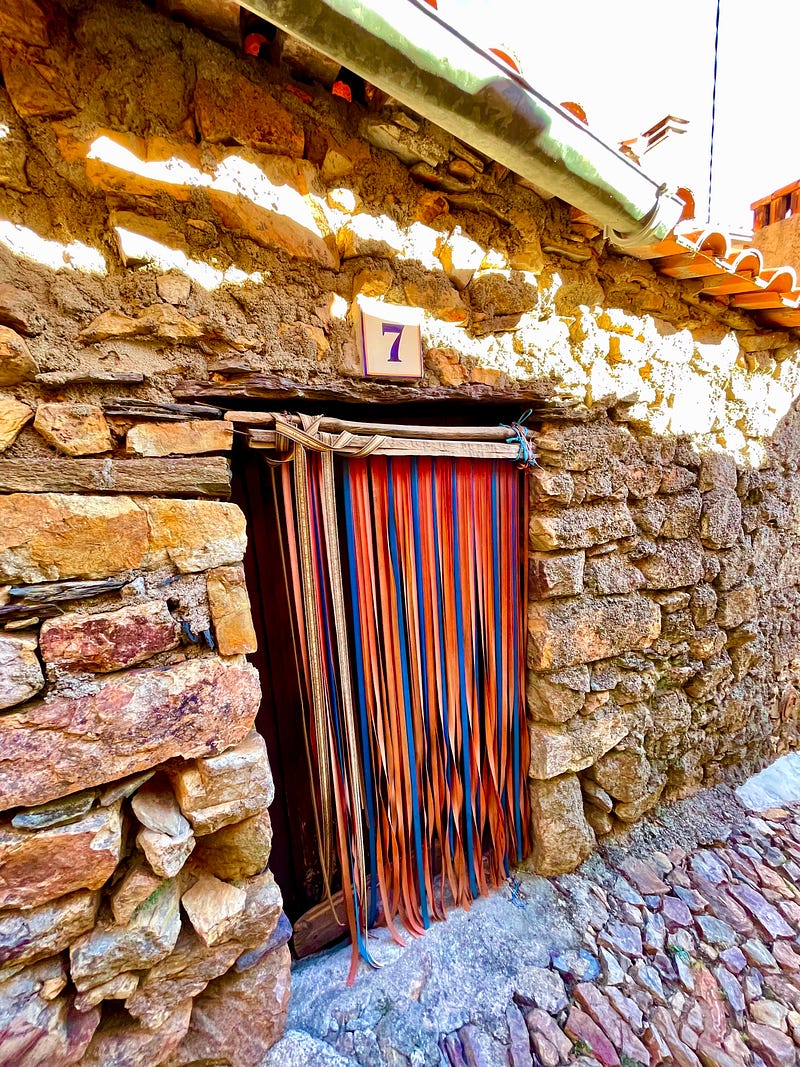
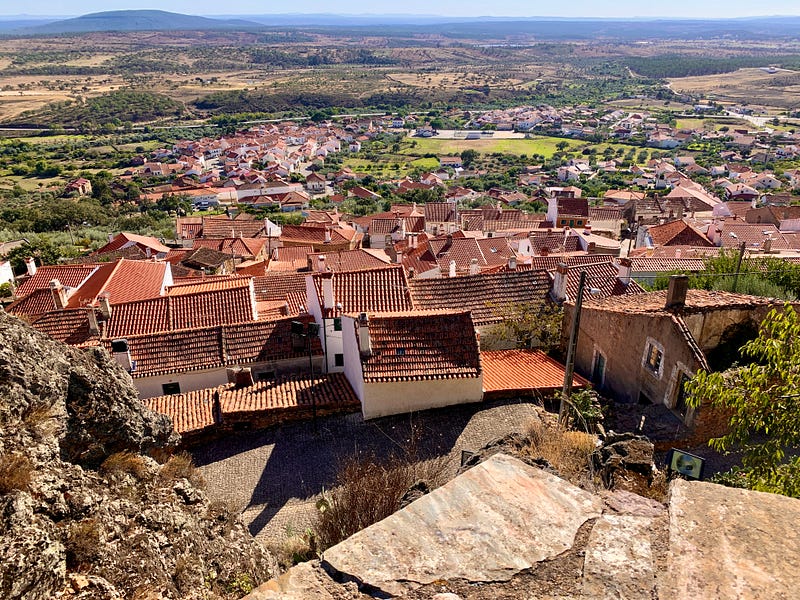
The village is no longer poor, as attested by the many modern stucco houses among those still made of stone. But it is suffering from the depopulation of the countryside that plagues much of rural Portugal. Many homes are shuttered tight, if not for sale they are outright abandoned. José and his brothers (there were no sisters) all emigrated, and after their parents died, the brothers sold their ancestral home for a paltry 10,000 euros. But the buyer could not afford to renovate, so it is slowly mouldering into a state of decay.
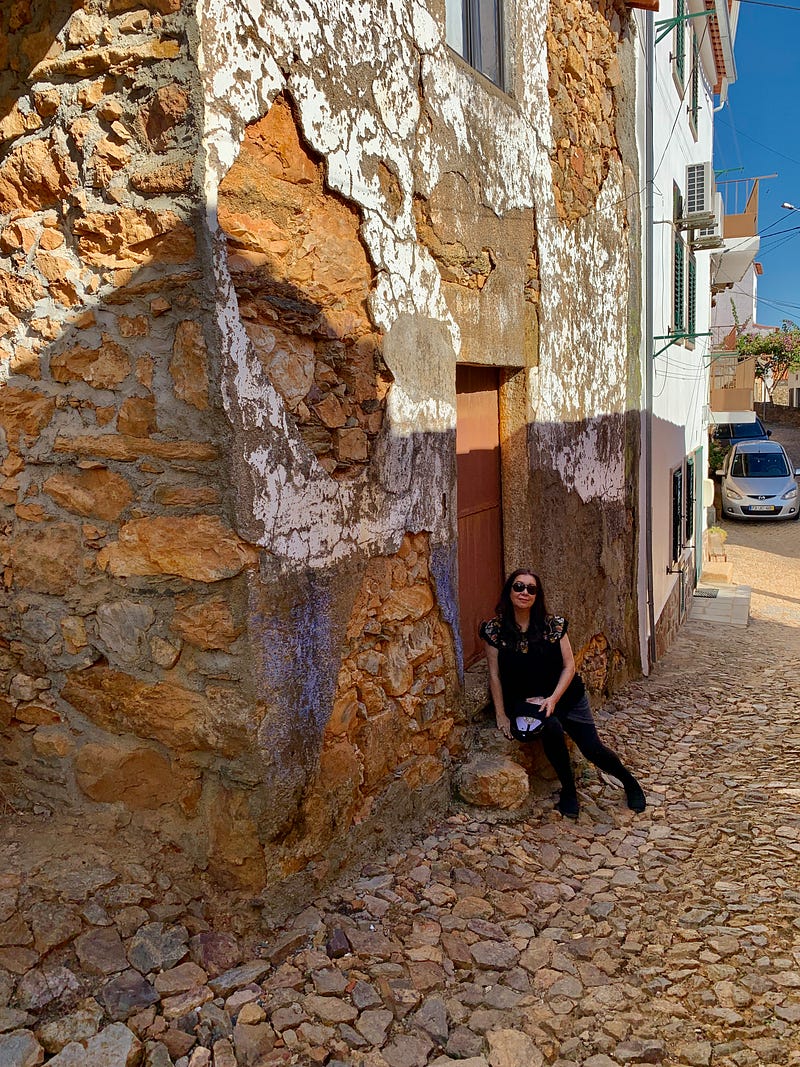
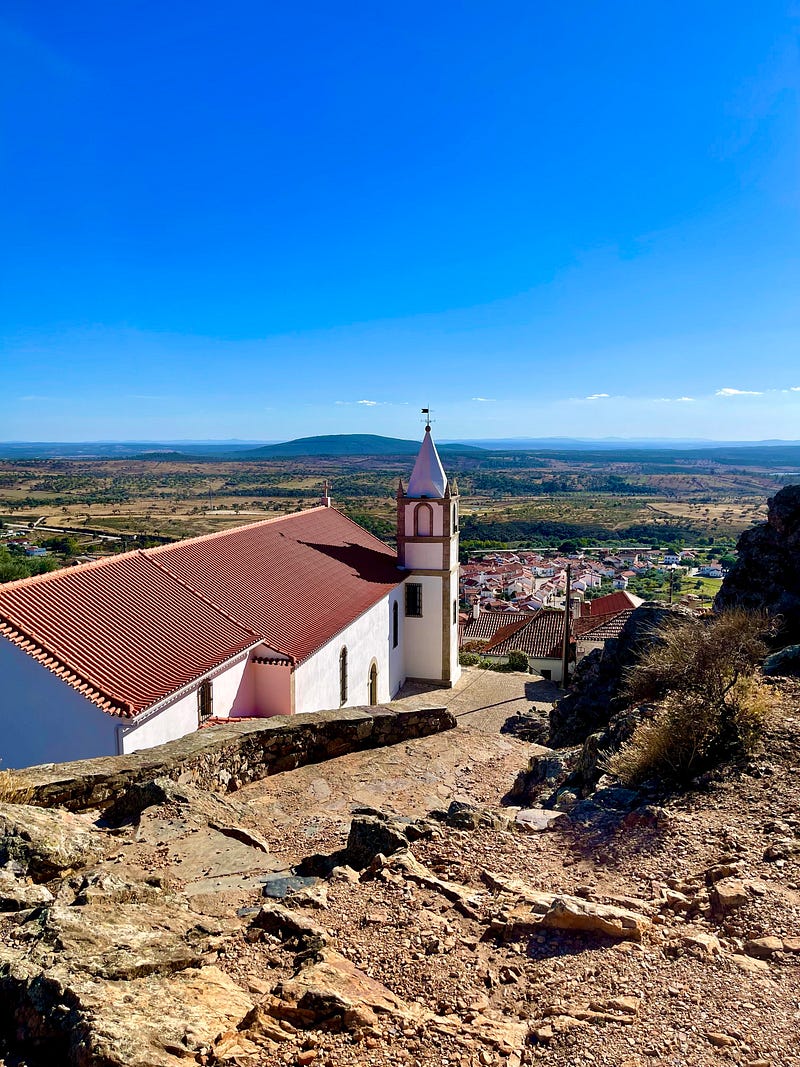
Penha Garcia is charming. It is also surprisingly ancient. Archeologists have determined it was settled in the Neolithic, later becoming a Lusitanian fort and then a Roman village. In Medieval times, the castle walls were built to help defend Portugal from Spanish invaders, and then in the 14th century, it was turned over to the Knights Templar. Perhaps the repeated threats of violence are why the older houses are clustered so high up the hill, right next to the castle, with the newer ones spread out along the edge of the agricultural valley below.
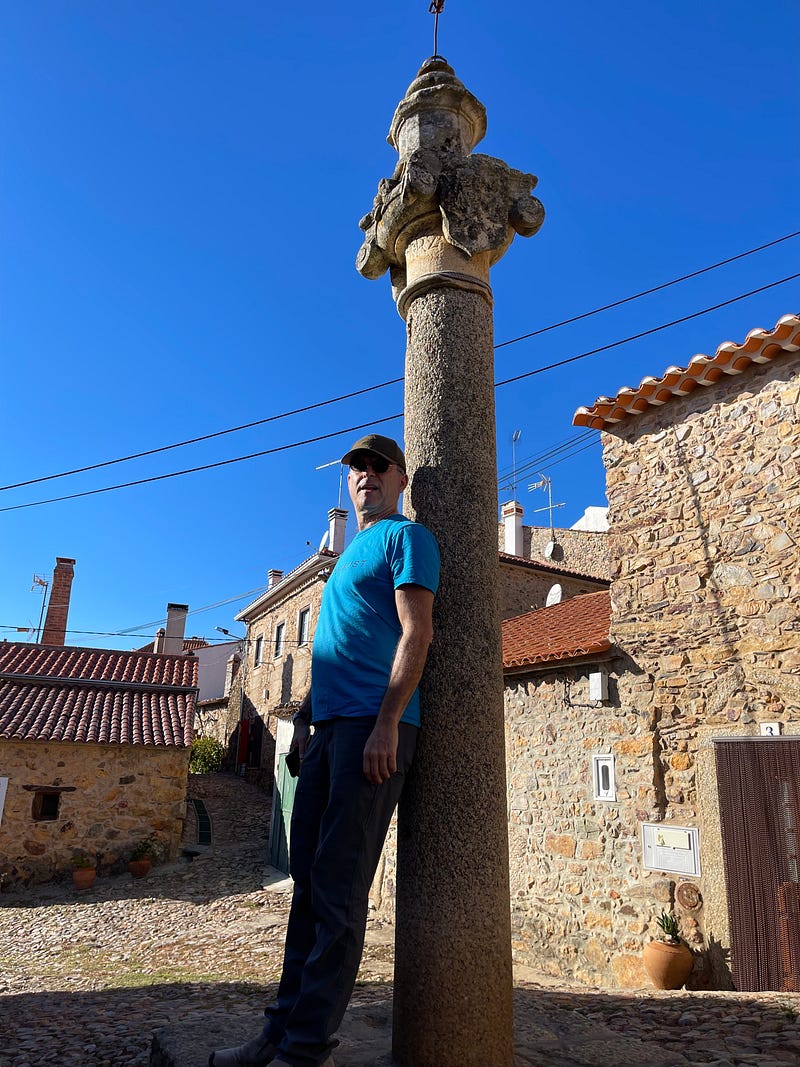
Teresa and I walked up from our B&B in the lower village to the castle, and on the way, we came across the pillory, where lesser criminals were tied by the neck to the stone pillor to be whipped, or perhaps simply exposed to public ridicule and shaming. We still speak of politicians being figuratively “pilloried” by the media when they have done something wrong. I thought I would try it on for size:
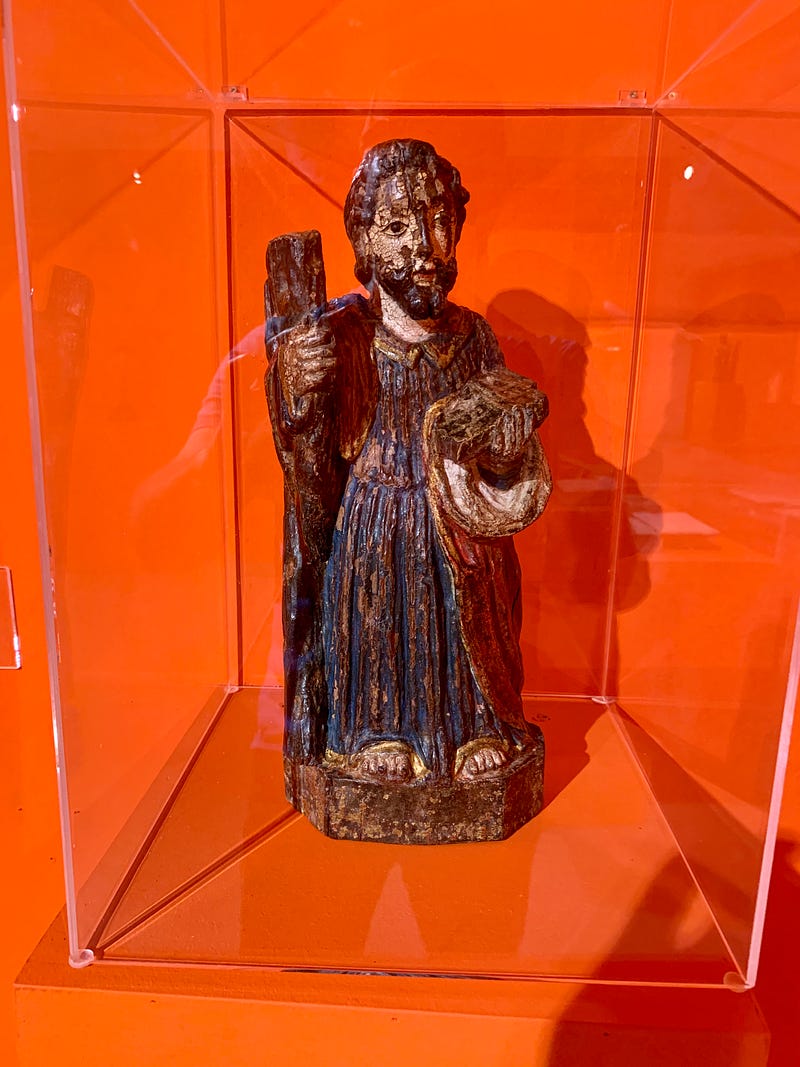
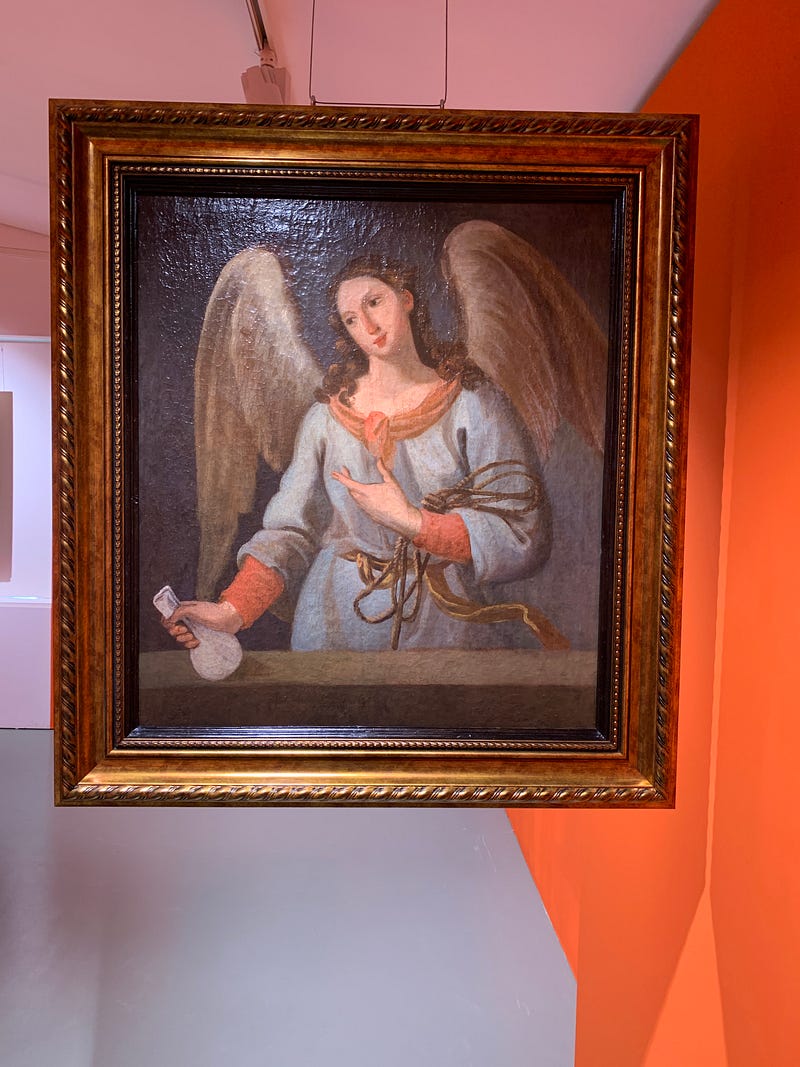
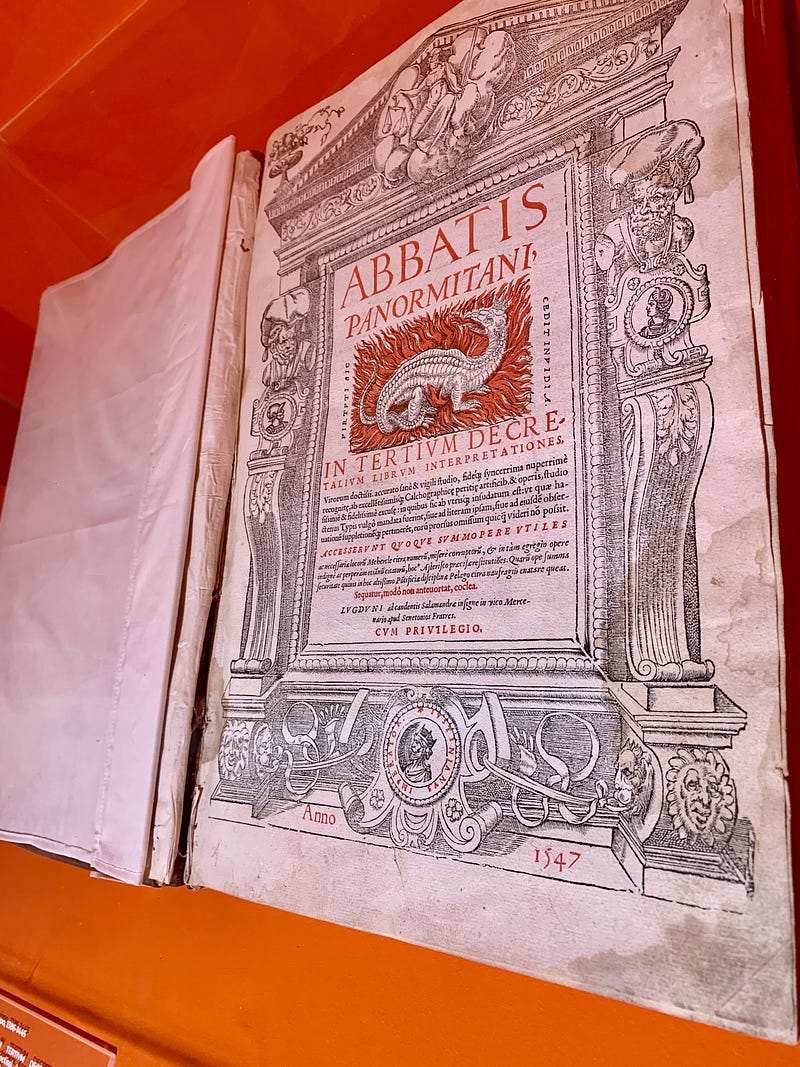
Higher up the hillside we found a tiny museum that housed the collection of antique statues, books and art from the former village priest. “I bet my father remembers him!” Teresa told me. These were exquisite, mostly from the 15th Century. Sooner or later, some larger museum will come along and claim them as part of Portugal’s cultural heritage, but for now, this little village proudly displays them, for free.
The walk to the castle on the mountaintop was breathtaking — both for the steepness of the climb, and then again, for the beauty of the view:
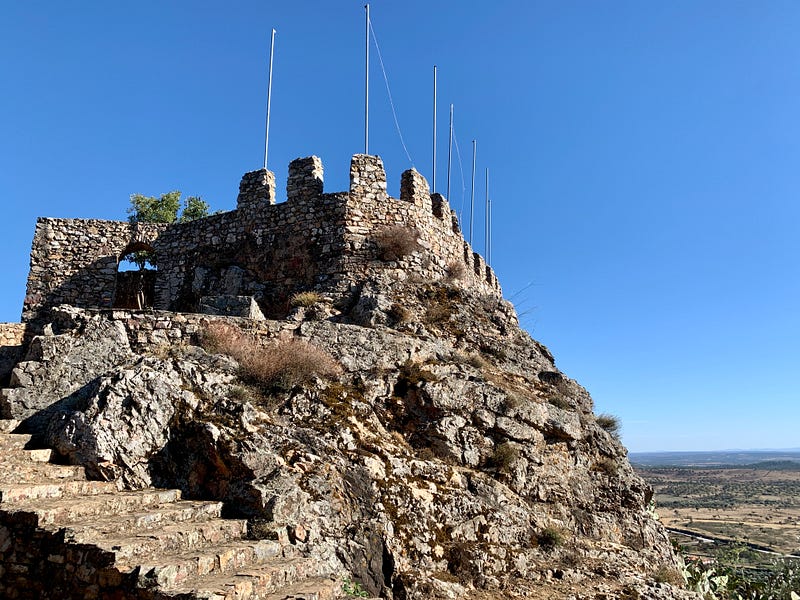
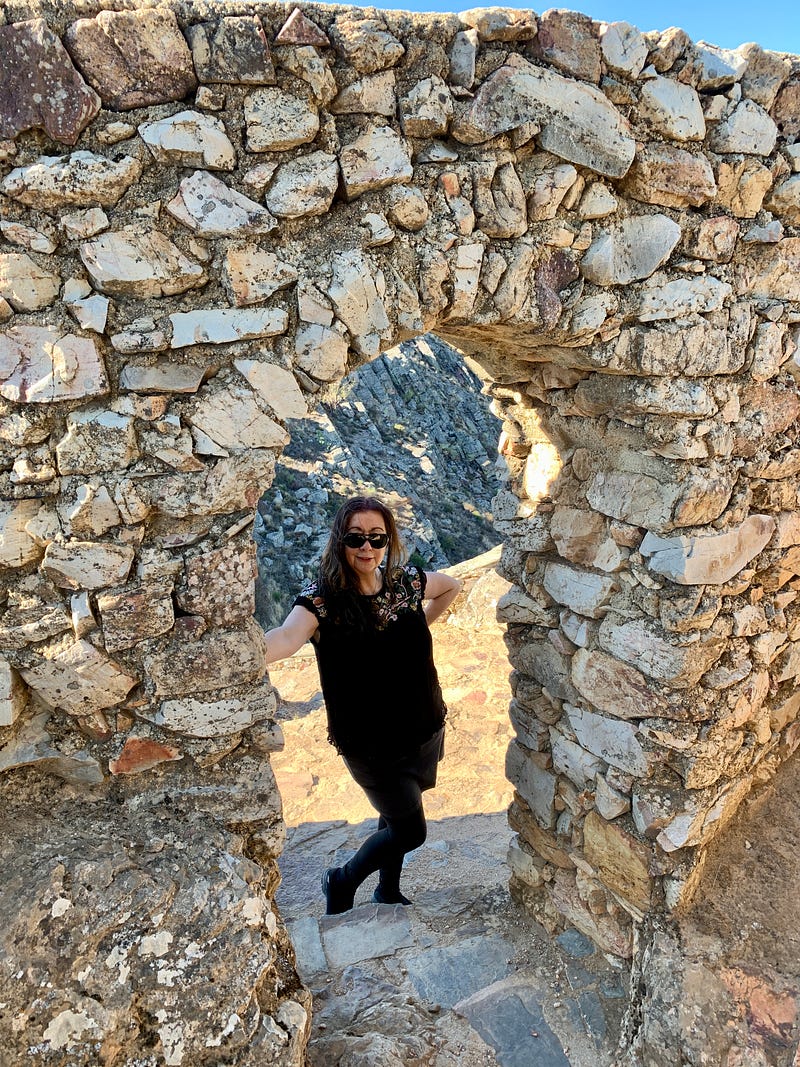
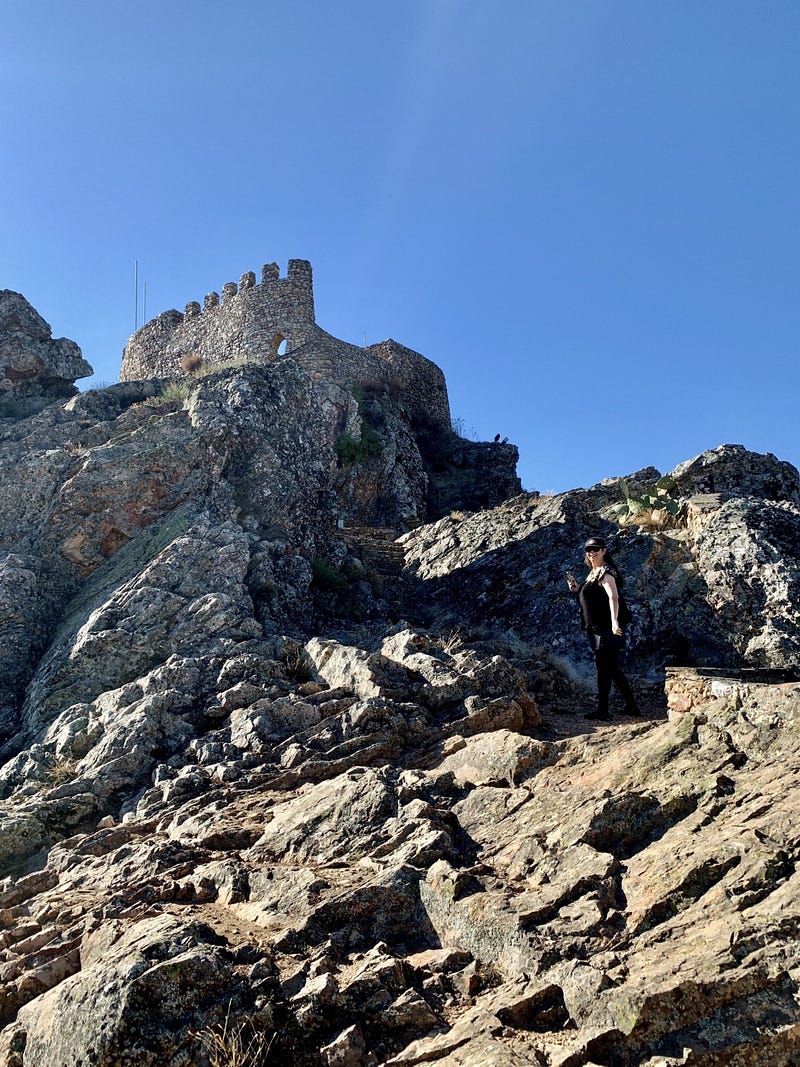
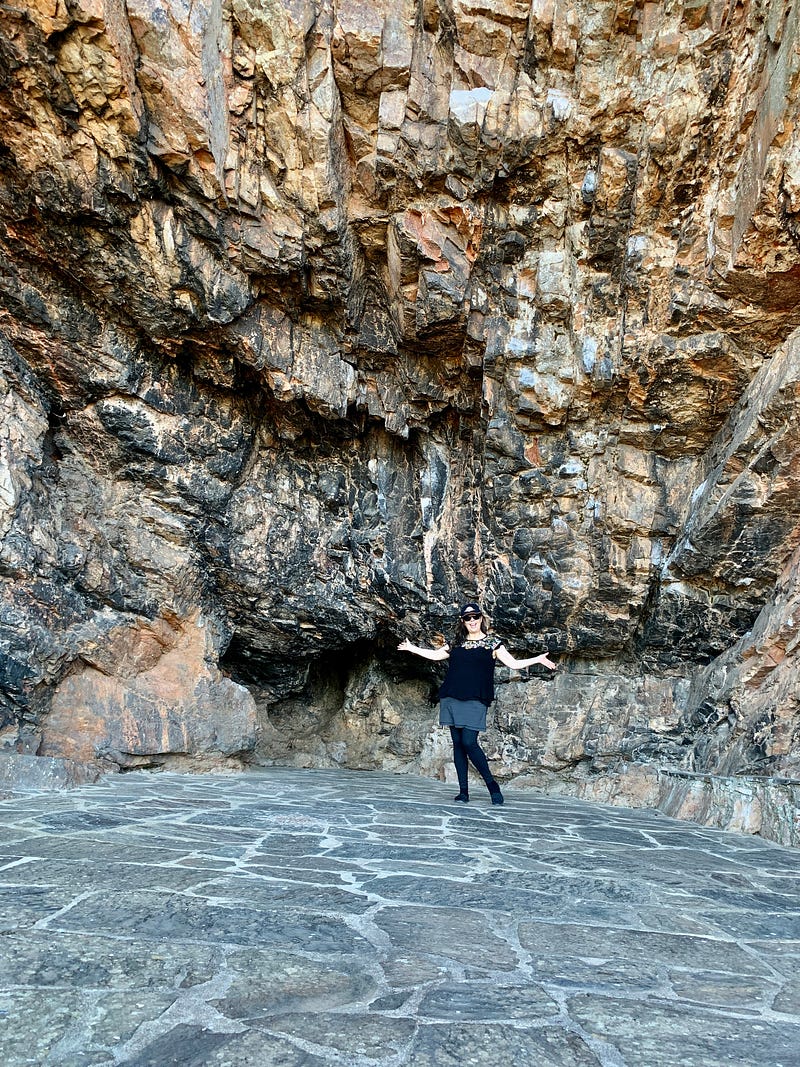
Much to Teresa’s delight, on the back side of the castle we found the hidden cave! Though not clearly visible in the photo, back at the rear of the overhang there is an opening into a small tunnel one could crawl through, into the darkness. One could, but neither of us opted for that particular adventure on this particular day. Teresa was convinced her dad must have wriggled inside in the wild and free days of his childhood — before he was sent to the city and put to work.
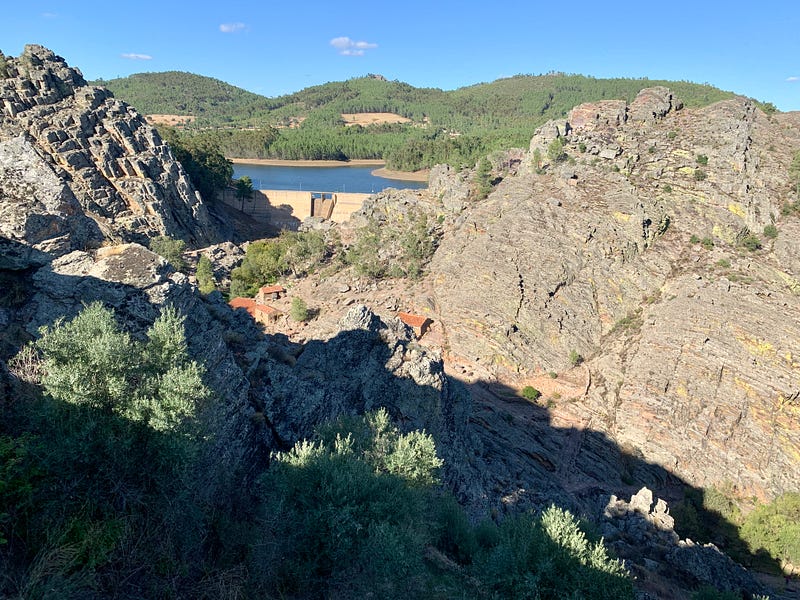
Down the valley from the cave is the dam and the lake, where the quarry used to be. The steep gorge cut through the rock revealed prehistoric fossils from 480 million years ago. A trail called a ‘Fossil Walk” now winds through the valley and back to the village. The valley has been designated part of the UNESCO Geopark Network. Remarkably, this is the only Portuguese site in the whole geopark network.
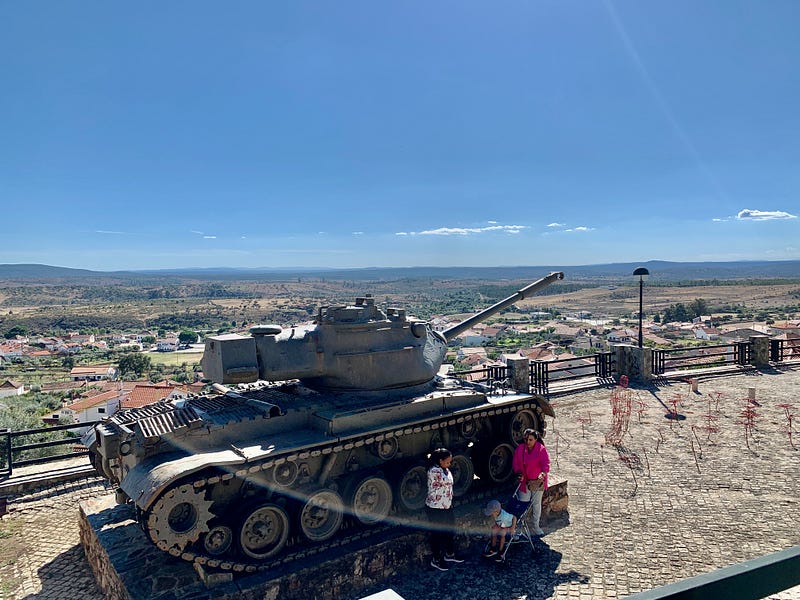
Perhaps the strangest thing we saw in the village was a children’s playground that featured a tank. How cool is that? The photo includes the only child we ever saw in the village:
A geopark, a castle, a museum, a monument, a playground with a tank. Penha Garcia is not without its attractions. It’s not a ghost town. But it is not exactly thriving. Teresa asked around to see if anybody remembered her father’s family. Only one woman said yes — she remembered the mother-in-law of one of the brothers.
From her childhood, Teresa remembered the village as it was — bustling. There were people living in every home. She said it’s sad, now, to see it slowly dying. And yet for her, our visit was a good one. Her memories here are happy ones: she was young and carefree and remembers her paternal grandparents as kind and loving people. Her favorite memory is waking up one morning to have breakfast with her grandmother in the tiny but cozy and immaculate kitchen. Her grandmother asked her if she wanted milk in her coffee, and then stepped outside to milk the goat. Nothing will ever compare to that cup of coffee.
I wonder if perhaps they should build a second monument in Penha Garcia — and the innumerable Portuguese rural villages like it — in honor of children of all the emigrants who have returned to reconnect with the land of their childhood. They are the ones who fullfilled the hope of their parents for a better life as strangers in a strange land.