avatarYour Health Master.

Free AI web copilot to create summaries, insights and extended knowledge, download it at here

3548

Abstract

a persistent, dull ache that might be felt across the head or more specifically in the temples, forehead, or back of the head.</p><h2 id="45c8">· Pressure Sensation</h2><p id="a3b5">Many persons who experience tension headaches say that they feel as though a vice or a tight band is pressing their head.</p><h2 id="1f95">· Bilateral Pain</h2><p id="993b">Although they might be one-sided, tension headaches frequently affect both sides of the head. Tension headaches typically have mild to moderate intensity, which makes them less incapacitating than migraines.</p><p id="b044">Sensitivity to light, sensitivity to sound, nausea, and vomiting are not typical symptoms of tension headaches, in contrast to migraines.</p><p id="2166">Tension headaches can be chronic, which occur often over a long period of time, or episodic, which occur less frequently but still cause pain.</p><h1 id="e11a">Diagnosis</h1><figure id="de72"><img src="https://cdn-images-1.readmedium.com/v2/resize:fit:800/0*6Qu5UJmR0wzQju6l"><figcaption>Photo by <a href="https://unsplash.com/@accuray?utm_source=medium&amp;utm_medium=referral">Accuray</a> on <a href="https://unsplash.com?utm_source=medium&amp;utm_medium=referral">Unsplash</a></figcaption></figure><p id="45f9">· The clinical diagnosis of tension headaches entails a thorough medical history and physical examination.</p><p id="42dc">· The patient’s headache history, any probable triggers, and any family history of headaches are frequently brought up by medical specialists.</p><p id="202f">· To rule out any underlying diseases, further tests like CT scans or MRI may in some circumstances be advised.</p><h1 id="67d6">Management and Treatment</h1><p id="b187">In order to effectively treat tension headaches, various lifestyle modifications, home remedies, and, occasionally, medical procedures are used.</p><p id="4150">Here are a few typical tactics:</p><h2 id="ab96">Changes to One’s Way of Life</h2><p id="c78c">The following lifestyle changes help a lot of patients in relieving their tension headaches:</p><h2 id="d923">Stress Management</h2><p id="2a69">Learning the following relaxation techniques can be quite beneficial in managing stress:</p><p id="e44f">· Deep breathing</p><p id="aaf9">· Meditation</p><p id="76b7">· Yoga</p><h2 id="fd9d">Exercise Frequently</h2><p id="b7d3">· Regular physical activity can help ease stress in the muscles and improve general well-being.</p><p id="e160">· Sleep hygiene is important for managing tension headaches, so make sure you get enough good sleep.</p><p id="e3e3">· Establish a pleasant resting environment and have a regular sleep routine.</p><h2 id="5ba6">Make Dietary Adjustments</h2><p id="80cc">Avoiding well-known triggers like caffeine and alcohol and keeping a regular eating schedule can both be beneficial.</p><h2 id="97df">Use Self-Assist Methods Like Cold and Heat Therapy</h2><p id="7bb2">Applying a cold pack to the forehead or a warm compress to the neck will help relax stiff muscles.</p><h2 id="6f65">Apply Relaxation methods</h2><p id="4264">Progressive muscular relaxation is a relaxation technique that can help with headache relief and muscle tension.</p><h2 id="a2a7">Over-the-Counter Drugs</h2><p id="2cc3">· Painkillers that don’t require a prescription, such as acetaminophen, aspirin, or ibuprofen, can aid with headache discomfort.</p><p id="1e15">· Use them with caution as excessive use may result in headaches from prescription misuse.</p><p id="dd62">· Improve your posture by being mindful of it, especially when sitting f

Options

or long periods of time.</p><p id="e830">· Making ergonomic changes to your workstation can be advantageous.</p><h2 id="4c25">Get Prescribed Medicines</h2><p id="c2b7">A healthcare professional may suggest prescribed drugs in cases of chronic or severe tension headaches such as:</p><p id="14e6">· Muscle relaxants</p><p id="7b2c">· Tricyclic antidepressants</p><p id="087f">· Anti-anxiety medications</p><h2 id="9677">Counseling</h2><p id="65e4">For people whose tension headaches are intimately linked to emotional stress, the following psychological treatments can be helpful.</p><blockquote id="00ed"><p>· Cognitive-behavioral therapy (CBT)</p></blockquote><blockquote id="a37c"><p>· Biofeedback.</p></blockquote><h2 id="f8a5">Alternative Medicine</h2><p id="994b">· Alternative treatments like acupuncture, chiropractic adjustments, or herbal supplements can provide comfort for some people.</p><p id="8b2c">· It’s imperative to go over these alternatives with a medical professional.</p><p id="b093">· Preventive interventions may be suggested for people who have frequent tension headaches.</p><p id="dfa5">· These could consist of over-the-counter remedies, dietary additions, or adjustments to one’s way of living that are intended to lessen the frequency and severity of headaches.</p><h1 id="3781">When to Seek Medical Help?</h1><figure id="e9b9"><img src="https://cdn-images-1.readmedium.com/v2/resize:fit:800/0*alOW8FvJSqWn9ivE"><figcaption>Photo by <a href="https://unsplash.com/@impulsq?utm_source=medium&amp;utm_medium=referral">Online Marketing</a> on <a href="https://unsplash.com?utm_source=medium&amp;utm_medium=referral">Unsplash</a></figcaption></figure><p id="777c">Even while tension headaches are mostly nothing to worry about, there are a few instances where seeing a doctor is absolutely necessary:</p><h2 id="51ab">Acute and Sudden Headaches</h2><p id="f820">Go for an emergency medical assistance if you experience a sudden, severe headache that is not like your typical tension headache because it could be an indication of a more serious problem.</p><h2 id="e10d">Increasing Intensity and Frequency</h2><p id="4194">It’s time to see a doctor for a comprehensive review if your tension headaches start to happen more frequently or get worse.</p><h2 id="0c59">Neurological symptoms</h2><p id="271e">Headaches accompanied by neurological symptoms such as confusion, loss of consciousness, slurred speech, or weakness in any part of your body should be treated urgently.</p><h1 id="8212">Conclusion</h1><p id="5b33">For many people, tension headaches are a frequent and frequently reoccurring source of discomfort.</p><p id="4b6a">Although they are not usually as incapacitating as migraines, their persistence and capacity to interfere with daily life bring attention to them.</p><p id="c9a4">People with tension headaches must understand the causes, signs, and treatment options for their condition in order to find some relief and enhance their life’s quality.</p><p id="cbf2">Combining lifestyle adjustments, self-help techniques, and, when necessary, medical therapies can help people effectively manage and lessen their headaches.</p><p id="12a5">It’s crucial to speak with a healthcare professional if you experience frequent or severe tension headaches in order to explore customized treatment options and rule out any underlying medical conditions.</p><p id="ec9e"><i>Thanks a lot for reading this article. Kindly throw your feedback and share it with your friends if you find it helpful.</i></p></article></body>

Tension Headaches-Symptoms, Diagnosis, and Treatment

Photo by Sander Sammy on Unsplash

Tension headaches are one of the most typical types of headaches. Innumerable people of all ages and backgrounds are suffering from these headaches. Commonly, tension headaches are referred to as stress headaches.

Although tension headaches may not be as incapacitating as migraines, they can nevertheless have a substantial negative impact on a person’s quality of life.

A thorough grasp of tension headaches, including its causes, symptoms, diagnosis, and treatment options, is the goal of this study.

What are Tension Headaches?

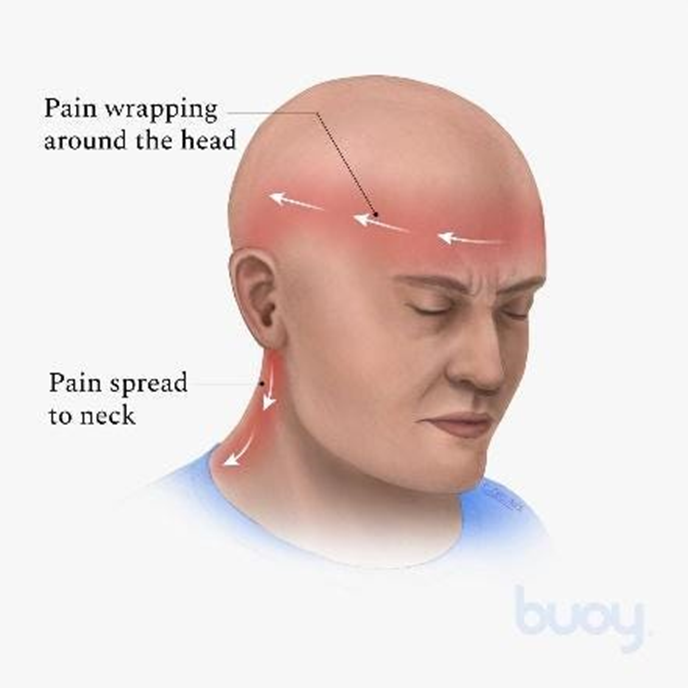
A tight band is frequently used to describe the dull, aching pain that characterizes tension headaches, typically affecting both sides of the head.

Contrary to migraines, tension headaches frequently lack the traditional signs and symptoms of aura, nausea, and vomiting.

Additionally, they normally do not cause a throbbing or pulsing pain.

Location of Tension Headaches

The following anatomical picture highlights the exact positions of these headaches:
Causes

The following are some common causes of tension headaches:

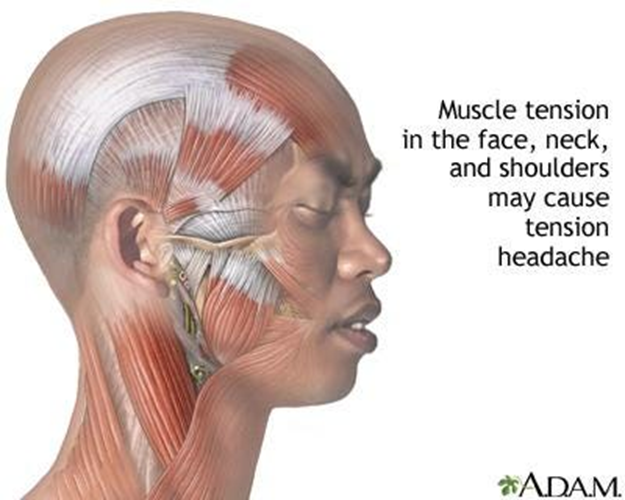
Muscle Tension

Muscle tension is the most widely recognized theory for the origin of tension headaches.

Long-term tension or anxiety can cause the muscles in your neck, shoulder, and scalp to tense up, giving you a familiar headache.

This strain may also result in muscle trigger points that radiate discomfort to the head.
Environmental Factors

The following few environmental factors might cause tension headaches:

· Bright lights

· Loud noises

· Weather alterations

Additionally, bad posture, particularly while using a computer or spending a lot of time sitting still, can cause muscle strain, which in turn can cause headaches.

Emotional Stress

Tension headaches are significantly influenced by emotional stress.

Muscle tension can develop due to anxiety, depression, and other psychological issues, which can result in headaches.

Lifestyle Behaviors

Lifestyle habits can also exacerbate stress headaches:

· Inadequate sleep

· Irregular eating schedules

· Excessive caffeine or alcohol usage.

Symptoms

The following are some of the common symptoms of these headaches:

· Dull Aching Pain

The main symptom is a persistent, dull ache that might be felt across the head or more specifically in the temples, forehead, or back of the head.

· Pressure Sensation

Many persons who experience tension headaches say that they feel as though a vice or a tight band is pressing their head.

· Bilateral Pain

Although they might be one-sided, tension headaches frequently affect both sides of the head. Tension headaches typically have mild to moderate intensity, which makes them less incapacitating than migraines.

Sensitivity to light, sensitivity to sound, nausea, and vomiting are not typical symptoms of tension headaches, in contrast to migraines.

Tension headaches can be chronic, which occur often over a long period of time, or episodic, which occur less frequently but still cause pain.

Diagnosis
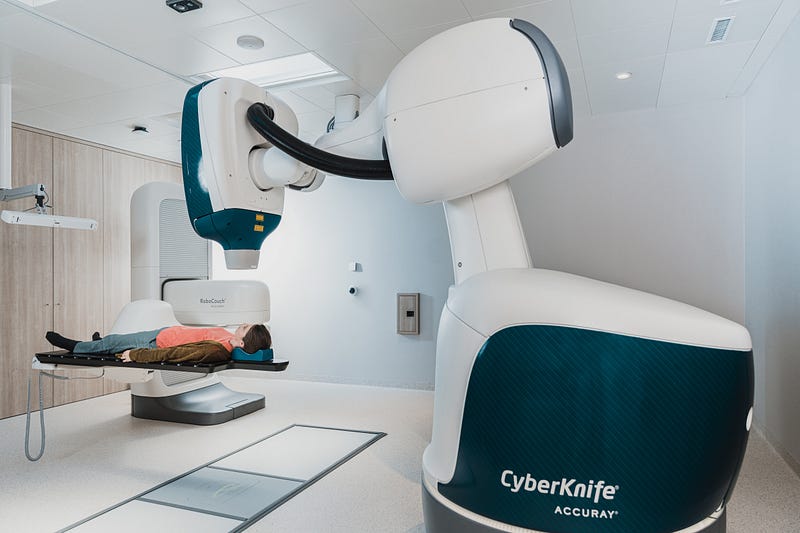
Photo by Accuray on Unsplash

· The clinical diagnosis of tension headaches entails a thorough medical history and physical examination.

· The patient’s headache history, any probable triggers, and any family history of headaches are frequently brought up by medical specialists.

· To rule out any underlying diseases, further tests like CT scans or MRI may in some circumstances be advised.

Management and Treatment

In order to effectively treat tension headaches, various lifestyle modifications, home remedies, and, occasionally, medical procedures are used.

Here are a few typical tactics:

Changes to One’s Way of Life

The following lifestyle changes help a lot of patients in relieving their tension headaches:

Stress Management

Learning the following relaxation techniques can be quite beneficial in managing stress:

· Deep breathing

· Meditation

· Yoga

Exercise Frequently

· Regular physical activity can help ease stress in the muscles and improve general well-being.

· Sleep hygiene is important for managing tension headaches, so make sure you get enough good sleep.

· Establish a pleasant resting environment and have a regular sleep routine.

Make Dietary Adjustments

Avoiding well-known triggers like caffeine and alcohol and keeping a regular eating schedule can both be beneficial.

Use Self-Assist Methods Like Cold and Heat Therapy

Applying a cold pack to the forehead or a warm compress to the neck will help relax stiff muscles.

Apply Relaxation methods

Progressive muscular relaxation is a relaxation technique that can help with headache relief and muscle tension.

Over-the-Counter Drugs

· Painkillers that don’t require a prescription, such as acetaminophen, aspirin, or ibuprofen, can aid with headache discomfort.

· Use them with caution as excessive use may result in headaches from prescription misuse.

· Improve your posture by being mindful of it, especially when sitting for long periods of time.

· Making ergonomic changes to your workstation can be advantageous.

Get Prescribed Medicines

A healthcare professional may suggest prescribed drugs in cases of chronic or severe tension headaches such as:

· Muscle relaxants

· Tricyclic antidepressants

· Anti-anxiety medications

Counseling

For people whose tension headaches are intimately linked to emotional stress, the following psychological treatments can be helpful.

· Cognitive-behavioral therapy (CBT)

· Biofeedback.

Alternative Medicine

· Alternative treatments like acupuncture, chiropractic adjustments, or herbal supplements can provide comfort for some people.

· It’s imperative to go over these alternatives with a medical professional.

· Preventive interventions may be suggested for people who have frequent tension headaches.

· These could consist of over-the-counter remedies, dietary additions, or adjustments to one’s way of living that are intended to lessen the frequency and severity of headaches.

When to Seek Medical Help?

Photo by Online Marketing on Unsplash

Even while tension headaches are mostly nothing to worry about, there are a few instances where seeing a doctor is absolutely necessary:

Acute and Sudden Headaches

Go for an emergency medical assistance if you experience a sudden, severe headache that is not like your typical tension headache because it could be an indication of a more serious problem.

Increasing Intensity and Frequency

It’s time to see a doctor for a comprehensive review if your tension headaches start to happen more frequently or get worse.

Neurological symptoms

Headaches accompanied by neurological symptoms such as confusion, loss of consciousness, slurred speech, or weakness in any part of your body should be treated urgently.

Conclusion

For many people, tension headaches are a frequent and frequently reoccurring source of discomfort.

Although they are not usually as incapacitating as migraines, their persistence and capacity to interfere with daily life bring attention to them.

People with tension headaches must understand the causes, signs, and treatment options for their condition in order to find some relief and enhance their life’s quality.

Combining lifestyle adjustments, self-help techniques, and, when necessary, medical therapies can help people effectively manage and lessen their headaches.

It’s crucial to speak with a healthcare professional if you experience frequent or severe tension headaches in order to explore customized treatment options and rule out any underlying medical conditions.

Thanks a lot for reading this article. Kindly throw your feedback and share it with your friends if you find it helpful.

Tension Headache
Healthcare
Medical Assistance
Healthy Lifestyle
Headache
Recommended from ReadMedium