
Ten Ways Not to Die Driving in Costa Rica
The road to paradise is not paved…with anything.
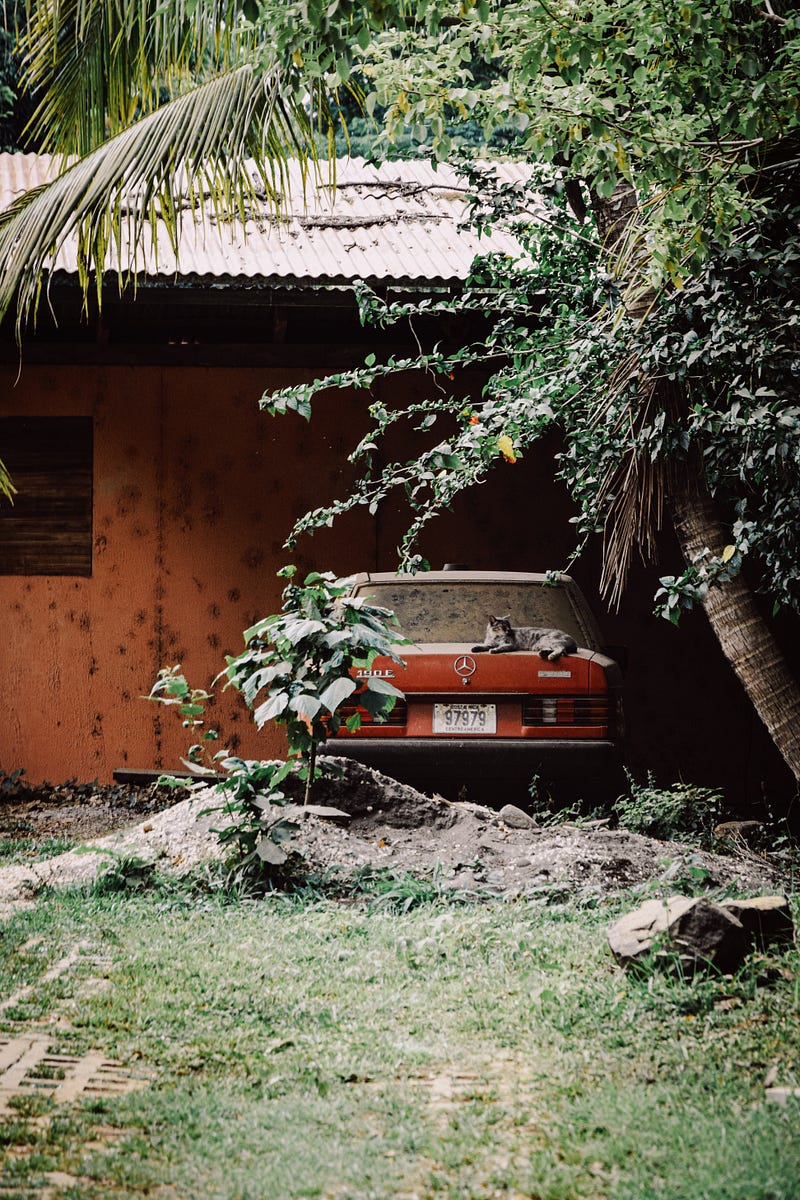
While motor vehicle-related deaths in Costa Rica are relatively low, 746 in 2020, accidents in Costa Rica will be time-consuming and expensive. You’d definitely rather spend that time and money on the beaches, the food, and experiencing the wildlife. Drive safely.
Costa Rican driving is…well…interesting. It can easily be treacherous and deadly, but if you use good judgment you’ll probably be just fine. The roads in Costa Rica are certainly not what this Long Island native was used to, but there are a few things you’ll notice right away.
The speeds, of course, are Kilometers per hour a.k.a. kilometros. At its fastest, I only remember the speed limit reaching 80 kph on any road between San Jose and Playa Flamingo. It’s about 50 miles per hour which is about the normal maximum for most roads, countrywide. Some more developed highways have 90 or 100kph limits, although they are few and far between. On these roads, 80 kph is plenty fast enough. Add in some Costa Rican drivers, all the motorcycles, and some torrential rain, and you’ll quickly understand why.
The roads in Costa Rica are terrible. Here are ten things to look out for if you’ll be driving:
- There are a ton of motorcycles and neither they nor other cars and trucks wait for a broken yellow or white to pass you. They just go around you whenever and wherever they want, day or night, rain or shine.
- Each town has a school in it so you can expect a few large speedbumps and a speed limit decrease to 25 kph. You’ll see signs that say “Reductor” ~ Speed Bump and “Escolar” = School.
- Police vehicles and emergency personnel always seem to have their lights on. You only have to pull over if the sirens are on.
- “Ceda El Paso” means, Yield. Usually, a few meters before a one-lane bridge or road is where you’ll see this sign. It’s also written right on the road sometimes. It either means your lane is ending or there is a one-lane section immediately ahead and you must yield to oncoming traffic.
- Make sure you have plenty of gas. There are parts of Costa Rica where a gas station is tough to come by. In an extreme pinch, you can ask a local if there’s someone who sells gas from a tank.
- Google Maps is great these days, but not perfect. Many locals prefer Waze. Most businesses and resorts just send pins with coordinates. There are no real marked addresses and most often, no street signs! Because of this, you will not always be able to stay on paved roads. If you leave the main roads, it will often feel like you’re driving on the moon. Be careful of giant potholes, go slow, and try not to go off the road.
- Do not attempt to pass through moving water unless you’re sure you can get through. Many cars in Costa Rica are equipped for this. Rental cars are not. Also, sometimes rivers simply block bridges. Sometimes there are alternate routes through private property but you may have to pay the owners a toll.
- Many intersections have no traffic devices. There’s no way to describe how to do this. You just have to get the feel for it. I grew up driving through Long Island and NYC so it brings out a bit of the old behavior but there’s no road rage here. Everyone seems to just go with the flow. If you hear a beep, it’s usually someone letting you know they’re letting you go first!
- Parking in cities or towns may require you to park on the side of the road. Many of the roads have large, 2–3-foot-deep drainage ditches right on the sides. My son fell into one and got pretty banged up. Mind the gap, y’all!
- Parking in or near a public attraction can be chaotic. Local-looking dudes off the street will start directing you to the sides of the roads and charge you to park. Oftentimes, this happens in public lots. The guy charging you could just be the first guy to get to the car. In these cases, they are not the owners of the lot or even employed by the city! We spoke to the Police about this, and they said there’s nothing they can do but if you don’t pay them, they may do something to your vehicle. We paid a guy 4000 Colones (about $6) for a spot right on the beach. It was fine.
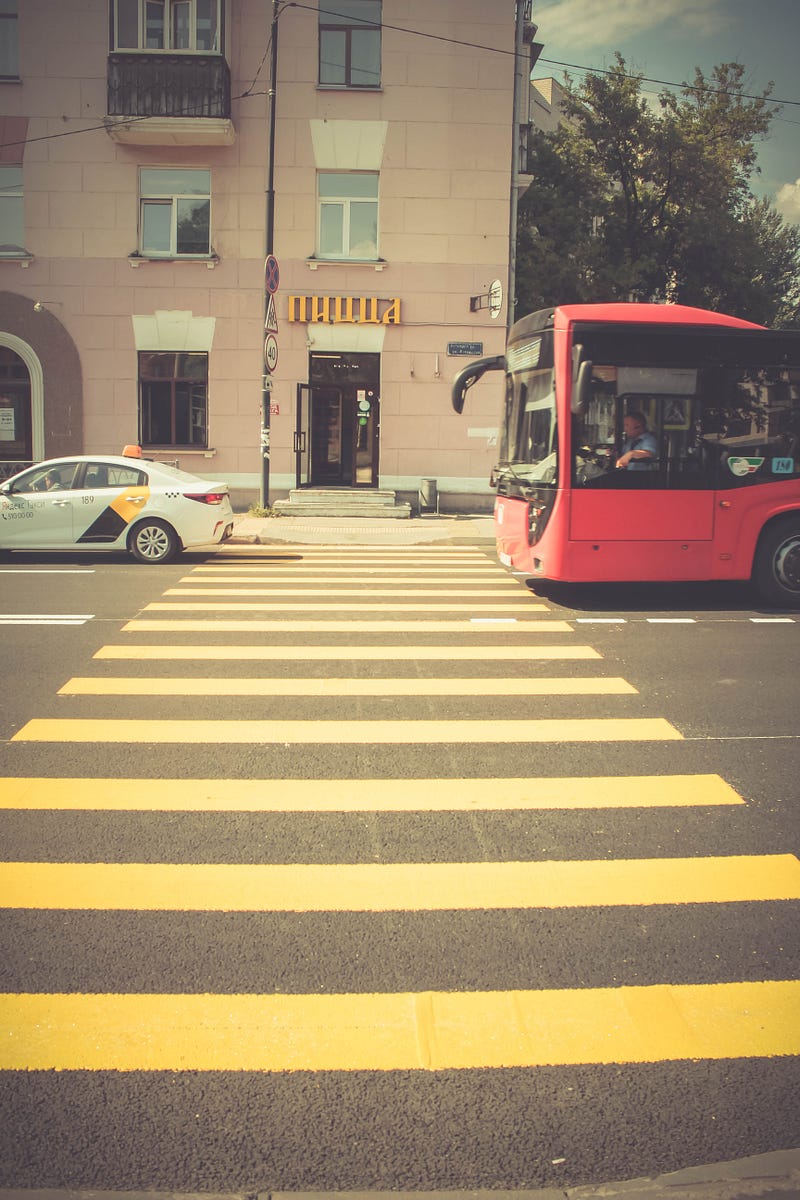
Public Transportation
If this doesn’t sound appealing to you, keep something in mind. From what we’ve experienced, over the four total weeks, I’ve spent in the country, the bus system in Costa Rica is excellent.
Manual Antonio National Park and the city of Quepos are very popular destinations. Between both places, it’s about a 15-minute drive and along the way, there are tons of things to do. The bus costs 380 Colones (about 50 cents) and arrives at each stop along the main roads throughout the area every ten minutes or so. You can load a surfboard, a family, or just yourself and get about anywhere you need to locally in about 30 minutes. The same, or similar can be said for other cities and towns we’ve been to.
Final Thoughts
Driving in Costa Rica gets easier in some ways but not in others. You can hone your skills, keep a level head and make good decisions…and still struggle. There’s not much you can do about it if you must drive. I usually do not take the extra car insurance on the rental but I’d suggest it in Costa Rica, especially if it’s your first time.
Ultimately, as with anywhere you travel, be careful and use good judgment and you’ll be able to acclimate. We did!
Pura Vida!
Thank you for reading! I write about how I see the world through my husband/father/investor/headcase-shaded glasses. Please consider following me on Medium. Subscribe to receive an alert each time I publish.


