0 concerts in 25 countries.</p><p id="d7d6">The band currently consists of 11 musicians from 10 countries, carrying music from the streets to the stage to the hearts of people. These musicians come from many different countries and cultures, but through music, they speak the same language.</p><p id="6334">‘La Bamba’ is my favourite <i>foreign</i> language song. In this video watch out for Los Lobos’s David Hidalgo and Cesar Rosas. Accompanying them are musicians from Argentina, Australia, Colombia, Congo, Cuba, Mali, Mexico, Serbia, and the USA.</p><p id="4746">4. ‘<b>An Ubhal As Airde’ — Runrig</b></p>
<figure id="d8f6">
<div>
<div>
<img class="ratio" src="http://placehold.it/16x9">
<iframe class="" src="https://cdn.embedly.com/widgets/media.html?src=https%3A%2F%2Fwww.youtube.com%2Fembed%2FK62sxZw-Qes%3Ffeature%3Doembed&display_name=YouTube&url=https%3A%2F%2Fwww.youtube.com%2Fwatch%3Fv%3DK62sxZw-Qes&image=https%3A%2F%2Fi.ytimg.com%2Fvi%2FK62sxZw-Qes%2Fhqdefault.jpg&key=a19fcc184b9711e1b4764040d3dc5c07&type=text%2Fhtml&schema=youtube" allowfullscreen="" frameborder="0" height="480" width="854">
</div>
</div>
</figure></iframe></div></div></figure><p id="b054">Someone comments about this YouTube video and wisely asks: “Why is this not Scotland’s national anthem?”</p><p id="cfb6">I can imagine the Scottish Rugby Union fans singing this before a game against the <i>auld enemy</i>, England, thus creating an unbelievable atmosphere in the Murrayfield stadium before the match.</p><p id="391a">Runrig are from the Isle of Skye and were founded in 1973. They took their name from a historic system of farming that was used for hundreds of years in the Highlands & Islands, in fact in much of Britain. Each landholder had several strips of land that were not contiguous.</p><p id="e192">5. ‘<b>Vana (The Children)’ — The Bhundu Boys</b></p>
<figure id="d8a6">
<div>
<div>
<img class="ratio" src="http://placehold.it/16x9">
<iframe class="" src="https://cdn.embedly.com/widgets/media.html?src=https%3A%2F%2Fwww.youtube.com%2Fembed%2FgAU2mcY1So0%3Ffeature%3Doembed&display_name=YouTube&url=https%3A%2F%2Fwww.youtube.com%2Fwatch%3Fv%3DgAU2mcY1So0&image=https%3A%2F%2Fi.ytimg.com%2Fvi%2FgAU2mcY1So0%2Fhqdefault.jpg&key=a19fcc184b9711e1b4764040d3dc5c07&type=text%2Fhtml&schema=youtube" allowfullscreen="" frameborder="0" height="480" width="640">
</div>
</div>
</figure></iframe></div></div></figure><p id="738a">I have BBC radio DJ, and one-time BBC TV Old Grey Whistle Test presenter, Andy Kershaw to thank for introducing me to African rock music. In the 1980s Andy toured Africa with a cassette recorder capturing whatever sounds he could.</p><p id="6225">Kershaw was a big supporter of The Bhundu Boys, a Zimbabwean band that played a mixture of chimurenga music with American rock and roll, disco, country, and pop influences. Their music is about liberation, social justice, and the struggle for human rights and political dignity.</p><p id="debc">6. ‘<b>Mai Varamba’ — Oliver Mtukudzi</b></p>
<figure id="400d">
<div>
<div>
<img class="ratio" src="http://placehold.it/16x9">
<iframe class="" src="https://cdn.embedly.com/widgets/media.html?src=https%3A%2F%2Fwww.youtube.com%2Fembed%2Fx6TNkbdAK6U%3Ffeature%3Doembed&display_name=YouTube&url=https%3A%2F%2Fwww.youtube.com%2Fwatch%3Fv%3Dx6TNkbdAK6U&image=https%3A%2F%2Fi.ytimg.com%2Fvi%2Fx6TNkbdAK6U%2Fhqdefault.jpg&key=a19fcc184b9711e1b4764040d3dc5c07&type=text%2Fhtml&schema=youtube" allowfullscreen="" frameborder="0" height="480" width="640">
</div>
</div>
</figure></iframe></div></div></figure><p id="a1d7">I’ve no idea what Oliver Mtukudzi is singing about. I’m hypnotized listening to the repetitive guitar riff. For some reason, in my mind’s eye, I see Ry Cooder playing a Strat, and I often drift off into a doze listening to the captivating lyrics.</p><p id="447b">Oliver was a Zimbabwean businessman, philanthropist, human rights activist, a UNICEF Goodwill Ambassador for the Southern Africa Region, and a damn fine musician.</p><p id="c3f8">7. ‘<b>Monie’ — Kanda Bongo Man</b></p>
<figure id="fa50">
<div>
<div>
<img class="ratio" src="http://placehold.it/16x9">
<iframe class="" src="https://cdn.embedly.com/widgets/media.html?src=https%3A%2F%2Fwww.youtube.com%2Fembed%2F-U1xChwBlbE%3Ffeature%3Doembed&display_name=YouTube&url=https%3A%2F%2Fwww.youtube.com%2Fwatch%3Fv%3D-U1xChwBlbE&image=https%3A%2F%2Fi.ytimg.com%2Fvi%2F-U1xChwBlbE%2Fhqdefault.jpg&key=a19fcc184b9711e1b4764040d3dc5c07&type=text%2Fhtml&schema=youtube" allowfullscr
Options
een="" frameborder="0" height="480" width="640">
</div>
</div>
</figure></iframe></div></div></figure><p id="9381">Championed by BBC DJ’s, John Peel and Andy Kershaw in the late 1980s, Kanda’s music saw him become a leading ambassador of popular African culture around the world.</p><p id="bd98">I can feel the energy, optimism, and happiness in Kanda’s music. His exhilarating performances are exciting and energetic, and deeply rooted in the Congolese tradition. It’s a fun, sunshine experience.</p><p id="e684">8. ‘<b>Non, je ne regrette rien’ (meaning ‘No, I do not regret anything’) — Edith Piaf</b></p>
<figure id="65f2">
<div>
<div>
<img class="ratio" src="http://placehold.it/16x9">
<iframe class="" src="https://cdn.embedly.com/widgets/media.html?src=https%3A%2F%2Fwww.youtube.com%2Fembed%2FQ3Kvu6Kgp88%3Ffeature%3Doembed&display_name=YouTube&url=https%3A%2F%2Fwww.youtube.com%2Fwatch%3Fv%3DQ3Kvu6Kgp88&image=https%3A%2F%2Fi.ytimg.com%2Fvi%2FQ3Kvu6Kgp88%2Fhqdefault.jpg&key=a19fcc184b9711e1b4764040d3dc5c07&type=text%2Fhtml&schema=youtube" allowfullscreen="" frameborder="0" height="480" width="640">
</div>
</div>
</figure></iframe></div></div></figure><p id="3f0d">In 1960 this recording spent seven weeks at #1 on the French Singles Chart. Piaf dedicated the song to the Foreign Legion. At the time Algeria was fighting to gain its independence from France. The bitter conflict didn’t end until 1962 when Algeria finally became an Independent country.</p><p id="5481">The French Legionnaires were eventually defeated but left their barracks singing the song. It has now become part of the Foreign Legion heritage and is sung when they are on parade.</p><p id="e03a">9. ‘<b>Voila’ — Francoise Hardy</b></p>
<figure id="8a72">
<div>
<div>
<img class="ratio" src="http://placehold.it/16x9">
<iframe class="" src="https://cdn.embedly.com/widgets/media.html?src=https%3A%2F%2Fwww.youtube.com%2Fembed%2F1JrL2NwAd10%3Ffeature%3Doembed&display_name=YouTube&url=https%3A%2F%2Fwww.youtube.com%2Fwatch%3Fv%3D1JrL2NwAd10&image=https%3A%2F%2Fi.ytimg.com%2Fvi%2F1JrL2NwAd10%2Fhqdefault.jpg&key=a19fcc184b9711e1b4764040d3dc5c07&type=text%2Fhtml&schema=youtube" allowfullscreen="" frameborder="0" height="480" width="854">
</div>
</div>
</figure></iframe></div></div></figure><p id="613d">During the 1960s most English schoolboys studied French and had to do French homework. Most English boys also had a crush on French singer Francoise Hardy. I thought if I listened to her songs it might help me understand the French language better. But it was impossible to concentrate on homework whilst listening to her breathy lyrics.</p><p id="db84">10. ‘<b>The Counter-clockwise Circle Dance’ — <i>Ly-O-Lay Ale Loya</i></b></p>
<figure id="7fa8">
<div>
<div>
<img class="ratio" src="http://placehold.it/16x9">
<iframe class="" src="https://cdn.embedly.com/widgets/media.html?src=https%3A%2F%2Fwww.youtube.com%2Fembed%2FMlF7-F0gxpc%3Ffeature%3Doembed&display_name=YouTube&url=https%3A%2F%2Fwww.youtube.com%2Fwatch%3Fv%3DMlF7-F0gxpc&image=https%3A%2F%2Fi.ytimg.com%2Fvi%2FMlF7-F0gxpc%2Fhqdefault.jpg&key=a19fcc184b9711e1b4764040d3dc5c07&type=text%2Fhtml&schema=youtube" allowfullscreen="" frameborder="0" height="480" width="640">
</div>
</div>
</figure></iframe></div></div></figure><p id="c83a">Sacred Spirit was a German musical project by Claus Zundel, Ralf Hamm, and Markus Staab, featuring music of electronic, new age, world, and ambient genres.</p><p id="c64a"><i>Sacred Spirit: Chants and Dances of the Native Americans</i> were released in 1994. It reached the Top Ten and charted for twenty-seven weeks in the UK Album charts, selling over 300,000 albums.</p><p id="6794">My favourite track is this one — ‘Ly-O-Lay Ale Loya’. Back in the day I’d repeatedly listen to it on headphones whilst sipping a smokey Lagavulin single malt whisky. Heaven indeed!</p><p id="4265">Below is Rodrigo S-C’s story — My Ten Favorite Songs in a Language I Don’t Speak</p><div id="5583" class="link-block">
<a href="https://readmedium.com/my-ten-favorite-songs-in-a-language-i-dont-speak-ec64a974b876">
<div>
<div>
<h2>My Ten Favorite Songs in a Language I Don’t Speak</h2>
<div><h3>Except for one…and a half</h3></div>
<div><p>medium.com</p></div>
</div>
<div>
<div style="background-image: url(https://miro.readmedium.com/v2/resize:fit:320/1*2JqFgarkokl4RA7XmaYSwQ.png)"></div>
</div>
</div>
</a>
</div></article></body>
Ten Favourite Songs in a Language I Don’t Speak
Some of them I understand, but mostly it’s all Greek to me
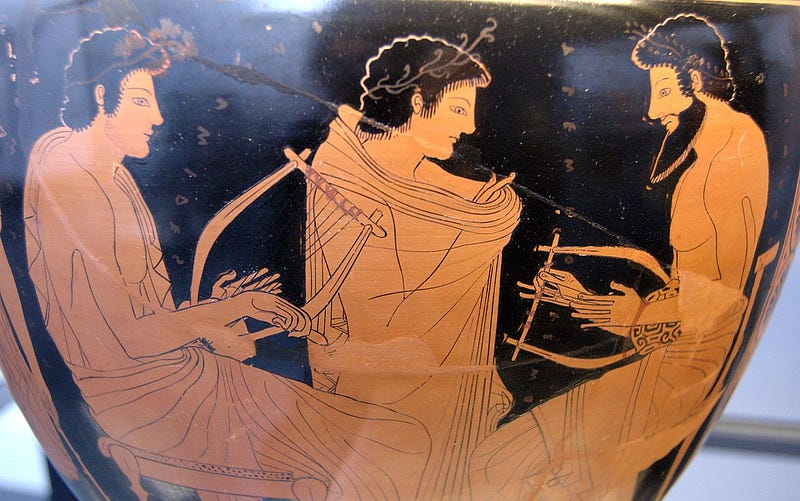
Image by Bibi Saint-Pol CCA-SA in the Public Domain via Wikimedia Commons
Rodrigo S-C asked music fans to contribute to the challenge Ten Favourite Songs in a Language I Don’t Speak and tag him. I’ve obliged and I hope he is delighted with my selection. He said he got the idea from Paul Combs, and so it goes on. Paul likes to do lists of Ten, usually all Springsteen but managed his Ten Songs without resorting to The Boss.
‘Jole Blon’ — Harry Choates
Harry Henry Choates was an American music fiddler and the most popular Cajun musician of his day. Known as the ‘Godfather of Cajun Music’, in 1946 he had a huge Country hit with his song ‘Jole Blon’.
‘Jole Blon’ has been sung with both Cajun French and English romantic lyrics as well as nonsense lyrics with references to the dirty rice and filé gumbo of Cajun cuisine.
It is said Choates, who suffered from chronic alcoholism, sold the rights to ‘Jole Blon’ for $100 and a bottle of whiskey. He died of the effects of his alcoholism on 17 July, 1951.
2. ‘Jole Blon’ — Waylon Jennings
In 1958 Buddy Holly paid for the great Sax player King Curtis to fly down to Clovis, New Mexico from New York City to record some songs with him, and Buddy’s protege, Waylon Jennings. Once Buddy’s ‘Reminiscing’ and Waylon’s ‘When Sin Stops’ were in the can, they decided to have a bit of fun with ‘Jole Blon’.
Buddy had seen Moon Mullican perform the song in a bar in Odessa, Texas, and liked the song. The only problem was Waylon didn’t understand the Cajun words and had trouble pronouncing them correctly.
So in a tight situation, he did what all great professionals do, ad-libbed, and just got on with it, with King Curtis playing some cool licks during the confusion. It ain’t Cajun. It’s sung in a language of pure gibberish that I don’t understand, but it’s catchy and I like it!
3. ‘La Bamba’ — Playing For Change — Song Around The World
Playing For Change’s mission is simple: To inspire and connect the world through music.
They believe that music has the power to break down boundaries and overcome the differences that divide us. To date, the Playing For Change Band has played over 400 concerts in 25 countries.
The band currently consists of 11 musicians from 10 countries, carrying music from the streets to the stage to the hearts of people. These musicians come from many different countries and cultures, but through music, they speak the same language.
‘La Bamba’ is my favourite foreign language song. In this video watch out for Los Lobos’s David Hidalgo and Cesar Rosas. Accompanying them are musicians from Argentina, Australia, Colombia, Congo, Cuba, Mali, Mexico, Serbia, and the USA.
4. ‘An Ubhal As Airde’ — Runrig
Someone comments about this YouTube video and wisely asks: “Why is this not Scotland’s national anthem?”
I can imagine the Scottish Rugby Union fans singing this before a game against the auld enemy, England, thus creating an unbelievable atmosphere in the Murrayfield stadium before the match.
Runrig are from the Isle of Skye and were founded in 1973. They took their name from a historic system of farming that was used for hundreds of years in the Highlands & Islands, in fact in much of Britain. Each landholder had several strips of land that were not contiguous.
5. ‘Vana (The Children)’ — The Bhundu Boys
I have BBC radio DJ, and one-time BBC TV Old Grey Whistle Test presenter, Andy Kershaw to thank for introducing me to African rock music. In the 1980s Andy toured Africa with a cassette recorder capturing whatever sounds he could.
Kershaw was a big supporter of The Bhundu Boys, a Zimbabwean band that played a mixture of chimurenga music with American rock and roll, disco, country, and pop influences. Their music is about liberation, social justice, and the struggle for human rights and political dignity.
6. ‘Mai Varamba’ — Oliver Mtukudzi
I’ve no idea what Oliver Mtukudzi is singing about. I’m hypnotized listening to the repetitive guitar riff. For some reason, in my mind’s eye, I see Ry Cooder playing a Strat, and I often drift off into a doze listening to the captivating lyrics.
Oliver was a Zimbabwean businessman, philanthropist, human rights activist, a UNICEF Goodwill Ambassador for the Southern Africa Region, and a damn fine musician.
7. ‘Monie’ — Kanda Bongo Man
Championed by BBC DJ’s, John Peel and Andy Kershaw in the late 1980s, Kanda’s music saw him become a leading ambassador of popular African culture around the world.
I can feel the energy, optimism, and happiness in Kanda’s music. His exhilarating performances are exciting and energetic, and deeply rooted in the Congolese tradition. It’s a fun, sunshine experience.
8. ‘Non, je ne regrette rien’ (meaning ‘No, I do not regret anything’) — Edith Piaf
In 1960 this recording spent seven weeks at #1 on the French Singles Chart. Piaf dedicated the song to the Foreign Legion. At the time Algeria was fighting to gain its independence from France. The bitter conflict didn’t end until 1962 when Algeria finally became an Independent country.
The French Legionnaires were eventually defeated but left their barracks singing the song. It has now become part of the Foreign Legion heritage and is sung when they are on parade.
9. ‘Voila’ — Francoise Hardy
During the 1960s most English schoolboys studied French and had to do French homework. Most English boys also had a crush on French singer Francoise Hardy. I thought if I listened to her songs it might help me understand the French language better. But it was impossible to concentrate on homework whilst listening to her breathy lyrics.
10. ‘The Counter-clockwise Circle Dance’ — Ly-O-Lay Ale Loya
Sacred Spirit was a German musical project by Claus Zundel, Ralf Hamm, and Markus Staab, featuring music of electronic, new age, world, and ambient genres.
Sacred Spirit: Chants and Dances of the Native Americans were released in 1994. It reached the Top Ten and charted for twenty-seven weeks in the UK Album charts, selling over 300,000 albums.
My favourite track is this one — ‘Ly-O-Lay Ale Loya’. Back in the day I’d repeatedly listen to it on headphones whilst sipping a smokey Lagavulin single malt whisky. Heaven indeed!
Below is Rodrigo S-C’s story — My Ten Favorite Songs in a Language I Don’t Speak