Free AI web copilot to create summaries, insights and extended knowledge, download it at here
2546
Abstract
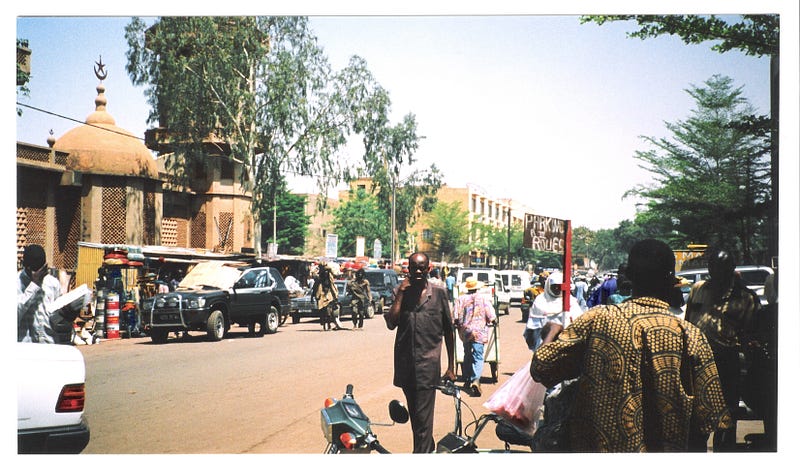
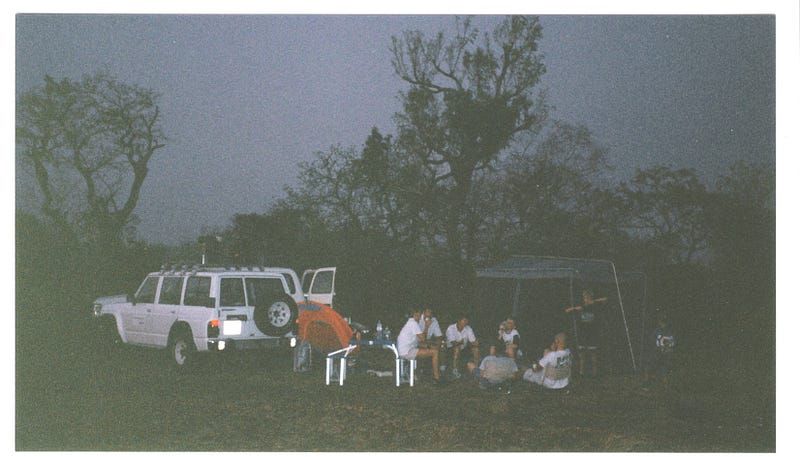
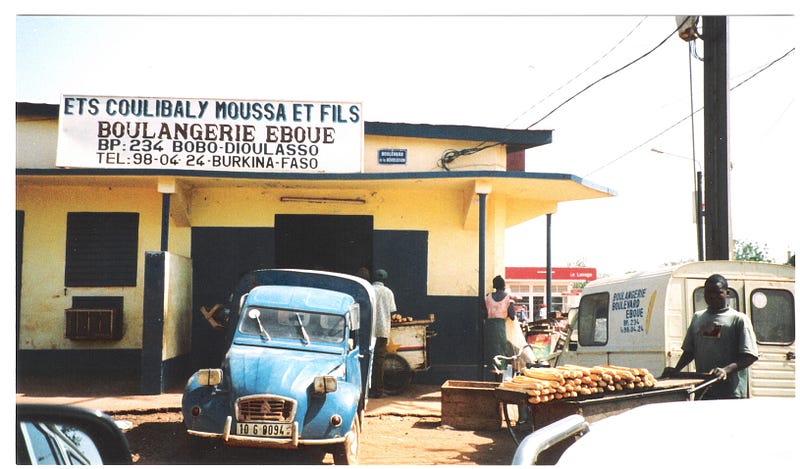
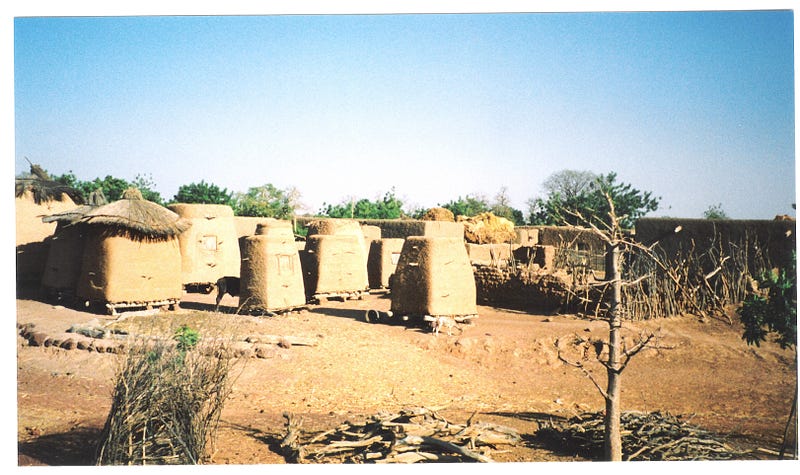
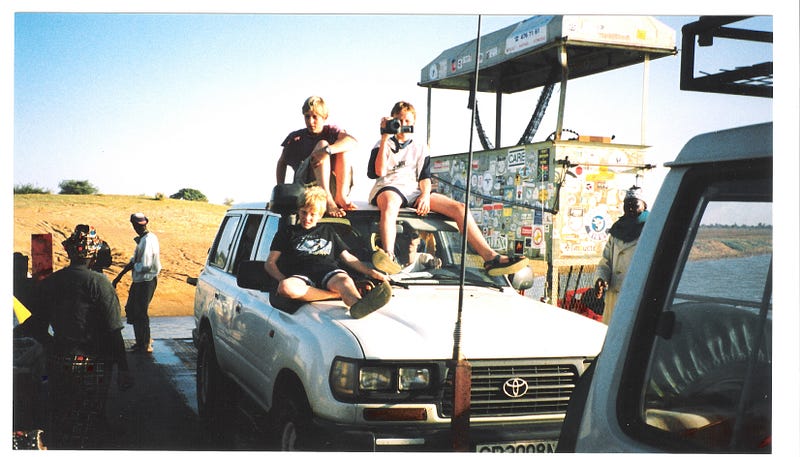
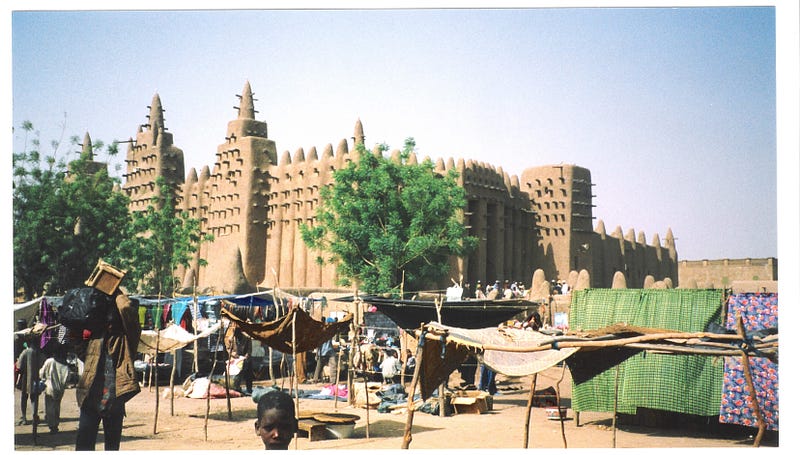
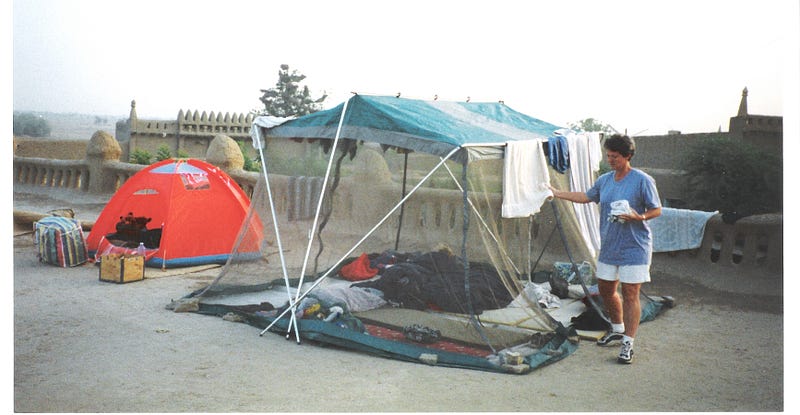
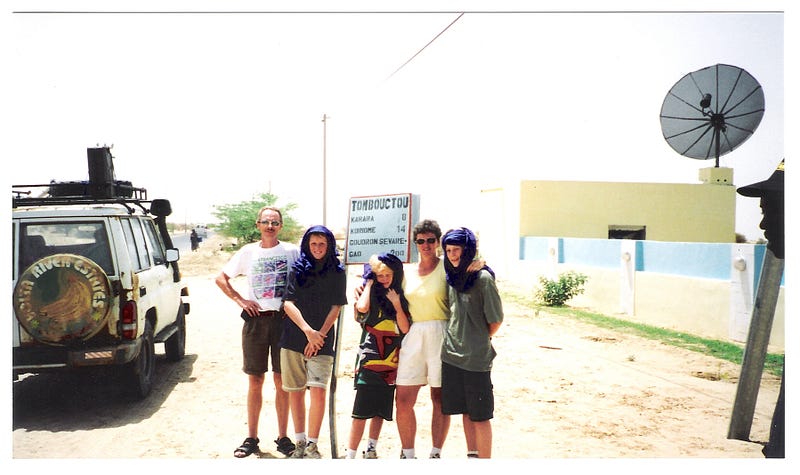
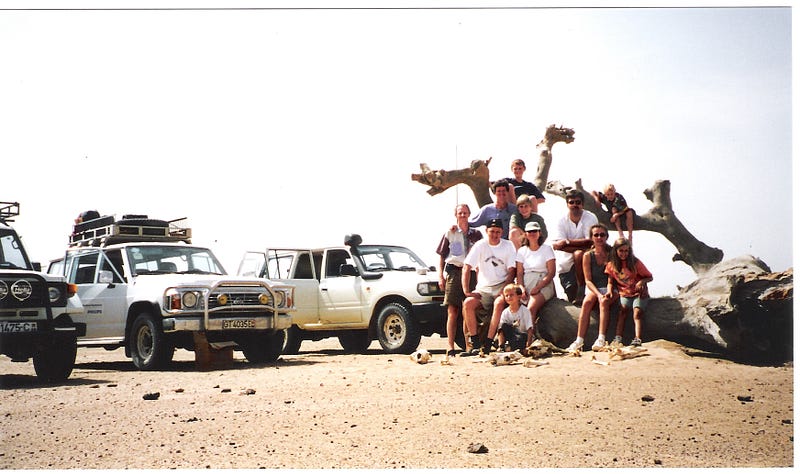
nions and we hit the road towards the West of the country, towards the town of Bobo-Dioulasso.</p><figure id="8e12"><img src="https://cdn-images-1.readmedium.com/v2/resize:fit:800/1*VipT-PZBsqCJBRxXo9SmTQ.jpeg"><figcaption>First dinner together, in the African bush. © Ron Smit, 1999</figcaption></figure><p id="e462">Bobo-Dioulasso was a hot and dusty provincial capital, with a very French colonial feel, in spite of all that.</p><figure id="0d08"><img src="https://cdn-images-1.readmedium.com/v2/resize:fit:800/1*GvrcttB0bC00-jz-s-LGQQ.jpeg"><figcaption>Vehicles and shops and baguettes in Bob-Dioulasso — all tres Francais. (And the bread was fantastic!) © Ron Smit, 1999</figcaption></figure><p id="3b2a">Away from the cities and towns, we were immersed back into the “real Africa”, where people lived in small villages or communities, where everything seemed to be constructed out of mud and thatch, all in slightly different shades of brown, under a hot blue sky.</p><figure id="0d27"><img src="https://cdn-images-1.readmedium.com/v2/resize:fit:800/1*YodKalsCXJEKvURyVbkrTQ.jpeg"><figcaption>Grain (and presumably other food) storage, in little mud structures, suspended above the ground. Meat is kept alive to preserve it — as evidenced by the goat in the foreground. © Ron Smit, 1999</figcaption></figure><p id="547a">The countryside looks very dry, we were in the Sahel, on the southern edge of the Sahara Desert. However, there were a couple of large rivers to cross. The first one was the Bani river, on the way to Djenne.</p><figure id="119f"><img src="https://cdn-images-1.readmedium.com/v2/resize:fit:800/1*7gZXGAi9k0HU6RpV_OcpAg.jpeg"><figcaption>My offspring perched on our the Landcruiser, on the ferry across the Bani river. © Ron Smit, 1999</figcaption></figure><figure id="50bf"><img src="https://cdn-images-1.readmedium.com/v2/resize:fit:800/1*0fUz1xjOuQc_-DjtKbSLcA.jpeg"><figcaption>The magnificent mosque in Djenne, entirely built out of mud and sticks. And surrounded by stalls where anything could be bought. © Ron Smit, 1999</figcaption></figure><p id="a760">Just about everything in Djenne was constructed out of mud, including that grans, famous mosque in the picture above, the houses and shops, and even the hotel.</p><figure id="606d"><img src="https://cdn-images-1.readmedium.com/v2/resize:fit:800/1*JwKTvkYagLRmG8zCm_dzng.jpeg"><figcaption>The hotel was very dark and hot inside, we obtained permission to camp on the roof. © Ron Smit, 1999</figcaption></figure><figure id="ade0"><img src="https://cdn-images-1.r
Options
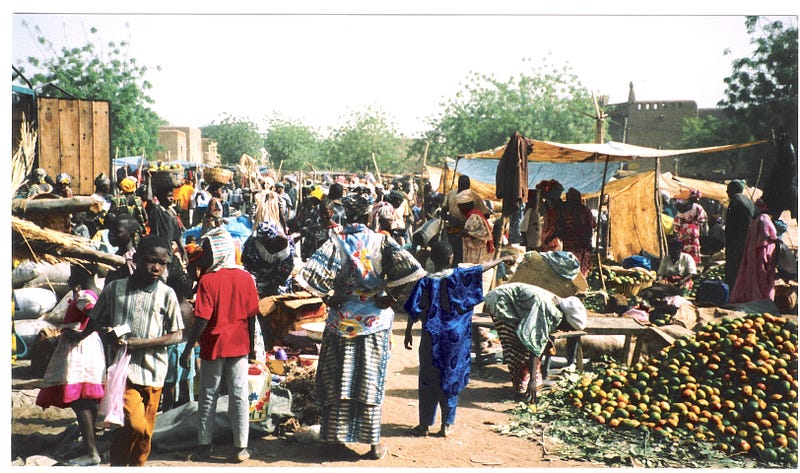
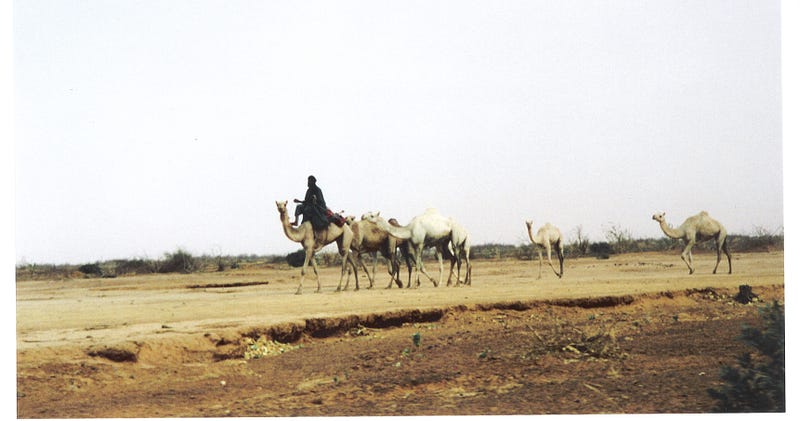
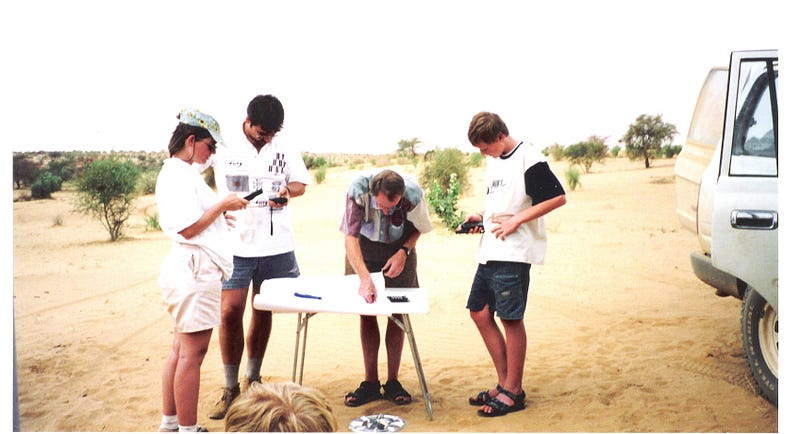
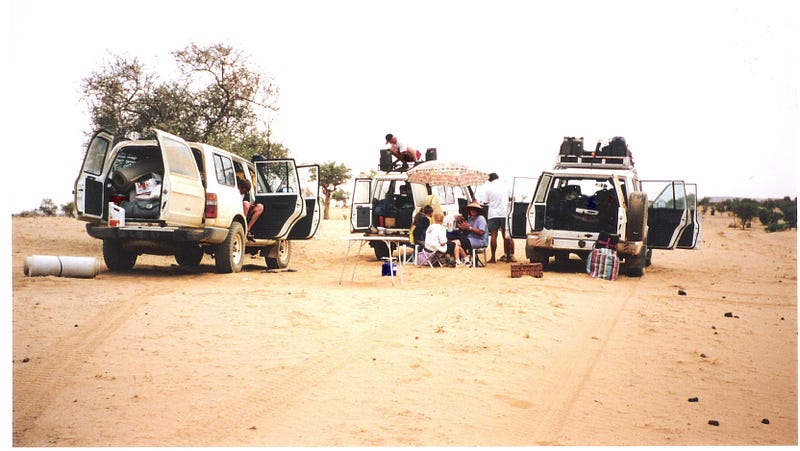
eadmedium.com/v2/resize:fit:800/1*AWrIgEwVTTpuTilBuEYigQ.jpeg"><figcaption>Vegetable and fruit shopping in Djenne. Check out that mountain of mangoes! © Ron Smit, 1999</figcaption></figure><p id="53e5">After departing from Djenne, we headed towards Mopti, on the Niger river, which also had to be crossed by ferry. Then onwards through the sand, towards Tombouctou.</p><figure id="afba"><img src="https://cdn-images-1.readmedium.com/v2/resize:fit:800/1*ooNifEfzmOAVKQrqKCiY-g.jpeg"><figcaption>How some of the locals travel and transport stuff. We actually saw one such caravan where the camels were all carrying huge slabs of salt. © Ron Smit, 1999</figcaption></figure><figure id="9cc1"><img src="https://cdn-images-1.readmedium.com/v2/resize:fit:800/1*ZfYzjiFxCajYz4U-TFbbfw.jpeg"><figcaption>Navigating through the Sahel: One lady, two men, one boy, 3 GPS units, one paper map. What could possibly go wrong? Can I call this a road trip if there was actually no road for part of the way? © Ron Smit, 1999</figcaption></figure><figure id="4c5a"><img src="https://cdn-images-1.readmedium.com/v2/resize:fit:800/1*u8ZfGyv7H_gLIh-gKZHdUg.jpeg"><figcaption>Stopped for lunch. It might look as if we were on a beach, but the sea was VERY far away! © Ron Smit, 1999</figcaption></figure><p id="dbca">And finally, we made it to Tombouctou. Some people that we’ve met elsewhere in the world, seemed to think that it was a make-believe exotic place that only exists in Donald Duck comics, but it is a place with a fascinating history, that I may discuss elsewhere, later.</p><figure id="a8f0"><img src="https://cdn-images-1.readmedium.com/v2/resize:fit:800/1*Va4o7m7Uv5SyQJ-S58XmOQ.jpeg"><figcaption>Evidence that we made it. My family and I, in Tombouctou. © Ron Smit, 1999</figcaption></figure><figure id="d62f"><img src="https://cdn-images-1.readmedium.com/v2/resize:fit:800/1*U-zDYqSRR6XAvk3TE9Au-A.jpeg"><figcaption>Our team, somewhere in the desert. © Ron Smit, 1999</figcaption></figure><p id="213a">I plan to write a much longer story about this expedition one day. Perhaps a small book? But I need time, I need to decipher some of my scribbled notes made during the trip, and I need access to pictures made by fellow travelers. Perhaps it will become a joint effort, who knows.</p><p id="80c0">But I wanted to give a little taster of our trip to Tombouctou. Hope you liked the pictures! Can you almost feel the sun on the skin and taste the dust between your teeth? It all comes back to me when I look at pictures like these.</p></article></body>