
Tell-tale Signs That Your Child is Being Bullied
Is the sudden change in behavior just growing pains or are these signs your child is being bullied?
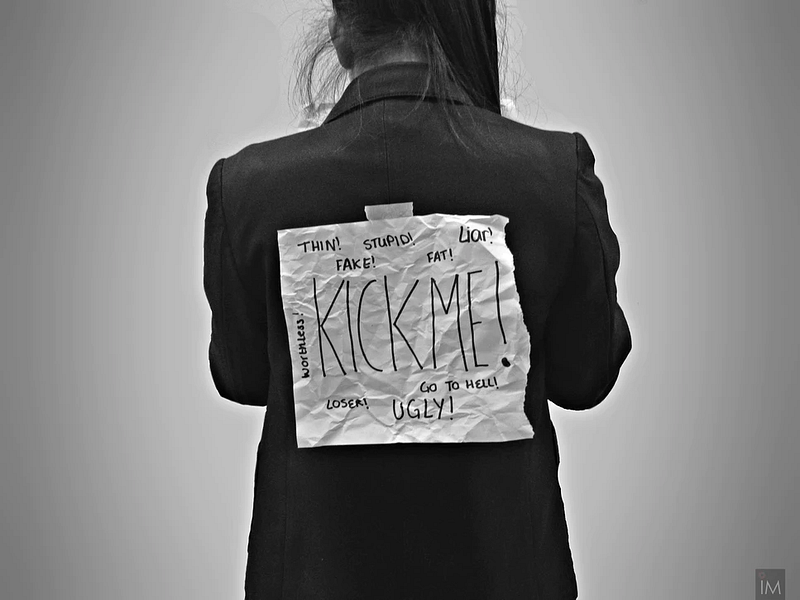
I met up with my girl group from high school a few months ago (BC — before Covid-19). One of them invited a common friend — someone I wasn’t particularly close with growing up. In that coffee session with the girls, we did something we haven’t done in years. We talked about high school.
I loved and hated my high school experience. I met the most amazing women there. They are still my closest friends 26 years later. I don’t remember much about that time in my life because it has almost been 3 decades, but what I can’t forget is the feeling that I had every time I stepped into my old alma mater. I always felt so small.
My girls and I have gone through so much over the years — love, heartbreak, marriage, children, separation, migration. They know that the girl I was thirty years ago is far from who I am now. So, suddenly being thrown in a social situation with someone who only knows me from high school was quite jarring. Reliving the high school drama, even more so. We got to talking about some things we remember from back then. She mentioned seeing me on the stairs crying. Apparently, I was rocking myself back and forth saying: “They don’t like me. They hate me. I can’t take this anymore.” I laughed it off thinking I could never be that melodramatic. I don’t even recall that ever happening.
It wasn’t until days later when my daughter came home from school extra grumpy that I realized what that old high school classmate was talking about. My daughter was in a mood because somebody accidentally stepped on her hand while they were on the mat that day. The behavior change is very evident in my little girl every time something upsets her, so we talk about it.
My parents and the school must have seen some major behavioral changes in me when I was young. I don’t exactly know what happened or when it happened, but I think I was bullied in high school. I remember my grades plummeting at some point. I was on top of my class all throughout my younger years. Then in high school, I started to get failing grades. I also got into drinking. I barely ate, barely slept, and lost so much weight. I also came home with “accidental” cuts on my arms and inner thighs.
So, some time in the middle of my freshman year in high school, I was forced to see the school’s guidance counselor weekly. I had to do that for four years. They never told me why I had to go, but if I tried to skip out on a session they would call me over the school’s public address system to remind me of my session.
It was an all-girls’ school. I was a nerd and an easy target. I acted out when I was bullied. So, the adults did something about it. However, it’s not always as straightforward as that. Not all bullied kids will exhibit extreme changes like I did, so it’s important to watch out for signs of bullying.
Bullying Statistics:
Bullying is a serious problem in the United States. In its 2019 report, the National Center for Education Statistics reports:
- One out of every five students report being bullied (20.2%)
- A higher portion of females report being bullied at school than males (24 vs 17%)
- More males are being physically bullied than females (6% vs 4%)
- However, there was a higher percentage of females being subjected to rumors than males (18% vs 9%)
- More females are also being excluded from activities on purpose (7% vs 4%)
- 41% of students who reported being bullied think that it would happen again
- Only 46% of bullied students notified an adult at school about the incident.
- The top reasons for bullying were physical appearance, race/ethnicity, gender, disability, religion, and sexual orientation.
Signs of Bullying
According to the Center for Disease Control, students who experienced bullying are at an increased risk for depression, anxiety, sleep difficulties, lower academic achievement, and dropping out of school.
Students who report frequent bullying others and those who are frequently bullied, are also at an increased risk for suicide-related behavior, said the CDC in another report.
Given the effects of bullying, identifying the red flags early on is extremely important. Experts say these are the signs to look out for:
- School avoidance — It’s not just Monday blues. There may be a good reason your child is trying to avoid school. According to Donna Love-Clark, a school bullying expert and prevention advisor from Houston, “Mondays are the most common day for wanting to avoid school,” she says. “Kids tend to feel safer at home on the weekends, and the idea of going back on Monday is difficult for them.” To avoid school, kids who are bullied often complain about headaches, stomach aches, feeling sick even faking illness.
- Lost or destroyed items — StopBullying.gov says that another warning sign exhibited by bullied children is lost or destroyed clothing, books, electronics, or jewelry. Your kid might ask you for money or may even steal money from you to replace the items that have gone missing.
- Unexplained injuries — If your child comes home with bruises and cuts they cannot explain, it may be a sign that they are being bullied physically.
- Changes in eating and sleeping habits — Bullied kids may start skipping meals or binge eating. Worrying about what might happen to them at school can cause a lack of sleep or nightmares. They might come home hungry because they didn’t eat lunch in school.
- Declining grades — This could be a result of school avoidance. Some bullied kids end up losing interest in schoolwork, which results in poor academic performance. The stress and worry may also be causing them to lose focus.
- Withdrawing from social situations — They may be spending time with their usual set of friends or have started avoiding social situations. This is generally related to self-esteem issues.
- Irrational anger — Kids who are having problems with peers become agitated. The pent-up feelings may be misdirected to people at home when they can’t properly express themselves in school.
- Other self-destructive behavior — This could include self-harm or suicide ideation.
If your child is in distress, it is best to get help right away. Talk to them to understand what’s happening. You can also help find ways to prevent it from recurring such as, discussing the issue with the school. Many schools have a zero-tolerance policy for bullying. Counseling is also a good option.


