
Telemedicine: To Stay or Not to Stay?
There is a recent increase in interest in telemedicine’s potential for improving clinical trials, but is this what patients want?
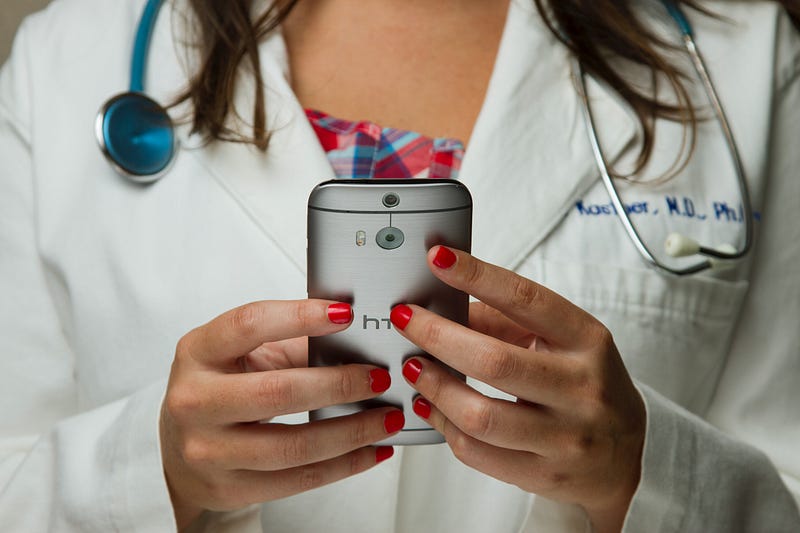
For patient appointments and the delivery of health care, telemedicine or remote visits have historically been used. The importance of telemedicine is generating a buzz today in clinical trials. What else is driving pharma’s shift toward decentralized trials with the prospect of greater access to testing and decreased attrition?
At the heart of the push to carry out decentralized clinical research is patient-centricity.
One of the most significant obstacles to admission and retention in clinical trials is the patient’s geographic location and/or socioeconomic status. Telemedicine tackles this while increasing the possibility of the increased diversity of patients as well. This provides a more accurate representation of a given population of diseases and how, within that population, an investigational medicinal product can function.
Improving the therapeutic operating quality of new drugs makes it faster for patients.
Telemedicine in clinical research allows patients to connect with researchers and treating physicians more effectively, which is what patients want.
They don’t want to join a trial and be left to wait for some human contact to come to an end; they want to feel like part of a team through the trial. Far from generating a sense of remoteness, decentralized telemedicine trials will keep patients from becoming disconnected by creating more timely and customized contact points.
The big question is whether people still want to take part in clinical trials from their own homes.
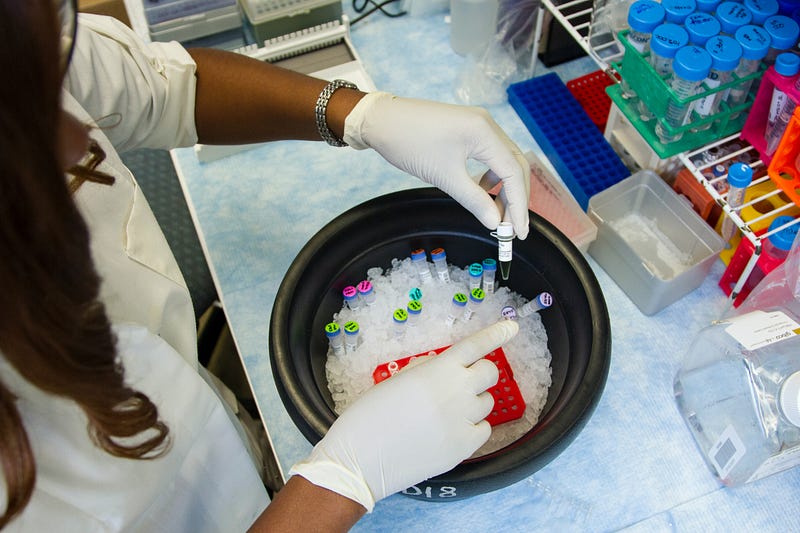
Pharmaceutical companies, medical service agencies, and technology associations have gathered patient input from diverse epidemic fields and geographies with identical outcomes.
One of the most common and clear signals from these surveys is that patients need an acceptable compromise between participating in the clinical trial and life.
Patients often want a ‘human’ experience. They quickly get bored with conventional methods of gathering data, such as surveys, which is why attrition is considerable in survey-based studies. Capturing data by surveys is not natural or normal.
The telemedicine network makes it a “human conversation” to gather robust and reliable data while still keeping users involved.
The potential goal is for an integrated method that does not require testing assistants to receive permission or gather data. Patients will be able to sign in, show interest in a study, watch a study video, complete a teleconference form if they want to move forward, and then answer any required questions using a chatbot. A goal is an agile machine that is much like human-to-human experiences.
Telemedicine does not appear to be much of a concern in clinical trials. The remote part of a visit is not necessarily the perfect option for everyone. Face-to-face experiences with doctors and research teams are one of the most significant factors in patient involvement. We need to consider where patient demographic, and which technology-based contact would be more advantageous and not be suitable for specific patient involvement.
Another possible challenge is that the patient-centered trial approach is a comparatively recent idea in clinical practice.
Initially, it could be time-consuming and burdensome to set up a new platform and use sites and patients on a new system or computer to allow remote data collection.
When planning virtual visits to clinical trials, we need to consider whether carefully the benefits outweigh the costs and workload required to introduce a new model.
Possible telemedicine drawbacks in clinical trials could be linked to education, telemedicine techniques, and interactive software and research methods. All of this will be in addition to the standard preparation specifications for the trial.
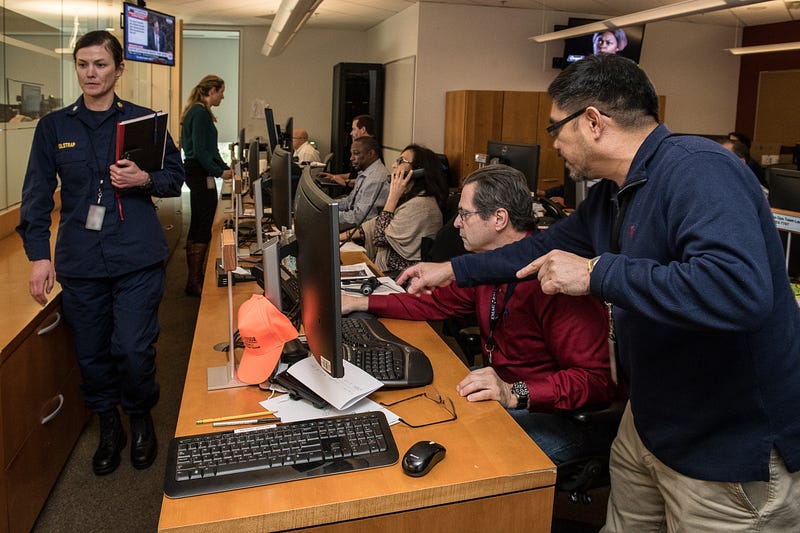
As Covid-19 set in, patients became familiar with technology sooner. They will require it. Today, we are beginning to see the pattern in our culture. Who’s going to the bank? Hardly anyone; we’re doing it all online. Healthcare and clinical research have lagged in this respect, but people no longer want to go to the pharmacy for a prescription or participate in a study. The more people see the advantages of telemedicine, the more they demand it.
Telemedicine seems to be both patient-centric and researcher-/physicist-centric, but how exactly does the industry step forward with this model?
Decentralization is one of the main developments in clinical research and health care in general. Health care is now driving the use of telehealth. From now on, sponsors and investigators need to aggressively pursue patient-centric clinical trial models to make trials more available, more comfortable, and more effective.

Pro et Contra?
Susanne Gydesen, Chief Physician and Consultant Specialist in Psychiatry, Denmark.
In clinic and research situations, both patients/participants and doctors/investigators experience a distance in personal contact. It is individually how that will influence the conversation’s communication and outcome, and thus the purpose of the meeting.
It is not always easy to make relevant tests and investigations virtually, which you then may easily neglect (due to new routine) or postpone to the patient’s GP. Who takes care of the follow-up, and what about the validity? Younger people may, in general, find virtual contact naturally and OK. It may help you initiate “come” and keep appointments for busy people of different kinds. For older, uneducated, and unsafe people, the use of IT is often a barrier. And if forced into the situation, the contact usually ends up with a telephone call and a shorter consultation. Also, the older person is often handicapped with a reduced hearing, which further complicates the conversation and the contact’s validity.
In the future, maybe a mixture of physical and virtual contacts may be a standard solution?
In many studies, there is already a tradition to see participants initially, on-demand, in between, and at the end — cost-effectiveness for all.
In clinical practice, virtual contacts have taken a substantial increase due to the Covid situation. Earlier insecurity of the possibilities and proper use of IT in communication with patients is partly overcome, and patients and doctors shall find an appropriate and individualized level together.
If you want more stories like this or different topics, let me know here!
Orit Rindner is a writer, tour operator, patient advocate, and human mom of 3 Miniature Bull Terriers living in Israel. Having worked many years in the tourism industry and due to COVID-19, Orit left the tourism industry and went to work in Pharma to further and spread her patient advocacy. You can find her on Facebook and Instagram.