
TRAVEL WRITING CHALLENGE
Tel Aviv — Paris Of The Middle East
A to Z of my favorite travel destinations — T is for Tel Aviv

It’s probably not the first place people think of when they are considering their favorite place in the world. It’s busy. It’s loud. It’s expensive… very expensive. And it’s in Israel and carries all the baggage that goes along with that —the politics, the violence, and the threat of war.
But it is very close to the top of my list of favorite cities in the world.
When I planned my extended travels I wanted to visit the Middle East but I wasn’t sure how far to venture. The Arab Spring had just ended in Egypt so I felt relatively safe there for a few weeks. And so far things were quiet in Jordan and Israel. I spent several days in Jordan and loved Amman, Wadi Rum, The Dead Sea, and especially Petra.
Some friends I had made in Egypt warned me not to go to Israel because they said another Intifada (Arab uprising against Israel) was coming. My family also wasn’t very happy about me going there. The Middle East is always under the threat of war and violence, at least that’s how it seems to people in the west.
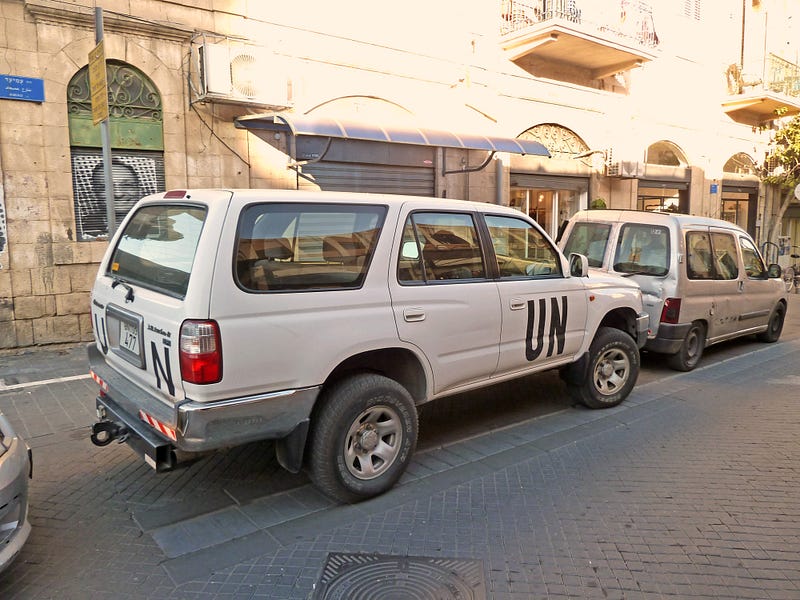
I booked my June trip, planning to stay a week, but I also had a plane ticket I could change at any time, so if I needed to I would be able to get out fast.
It wasn’t needed.
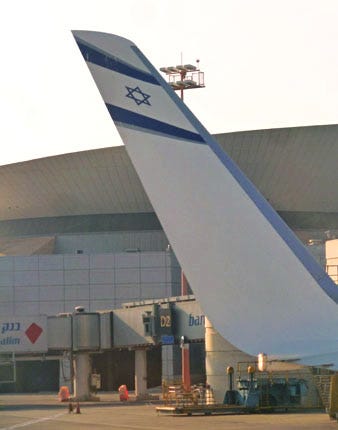
A worker from the guest house where I would be staying picked me up at the airport. On the drive into the city, I was wide-eyed taking it all in. This was not what I expected at all. This was a modern cosmopolitan city, with some old, very old buildings mixed in.
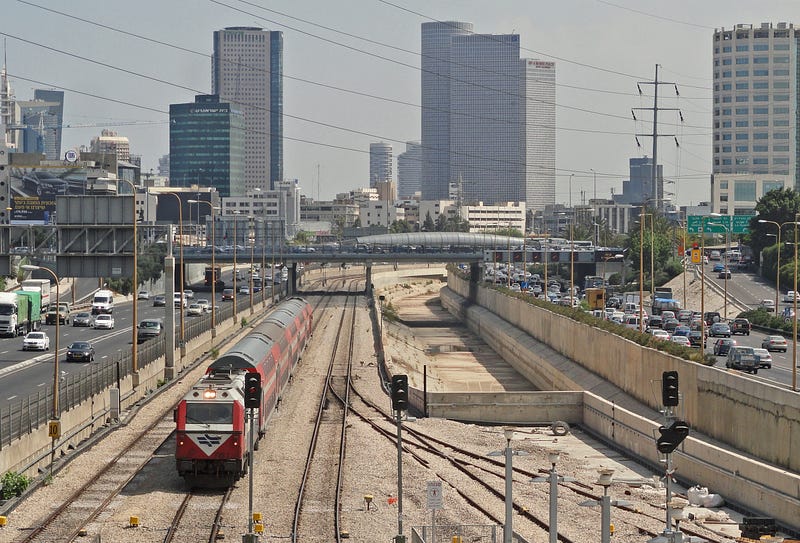
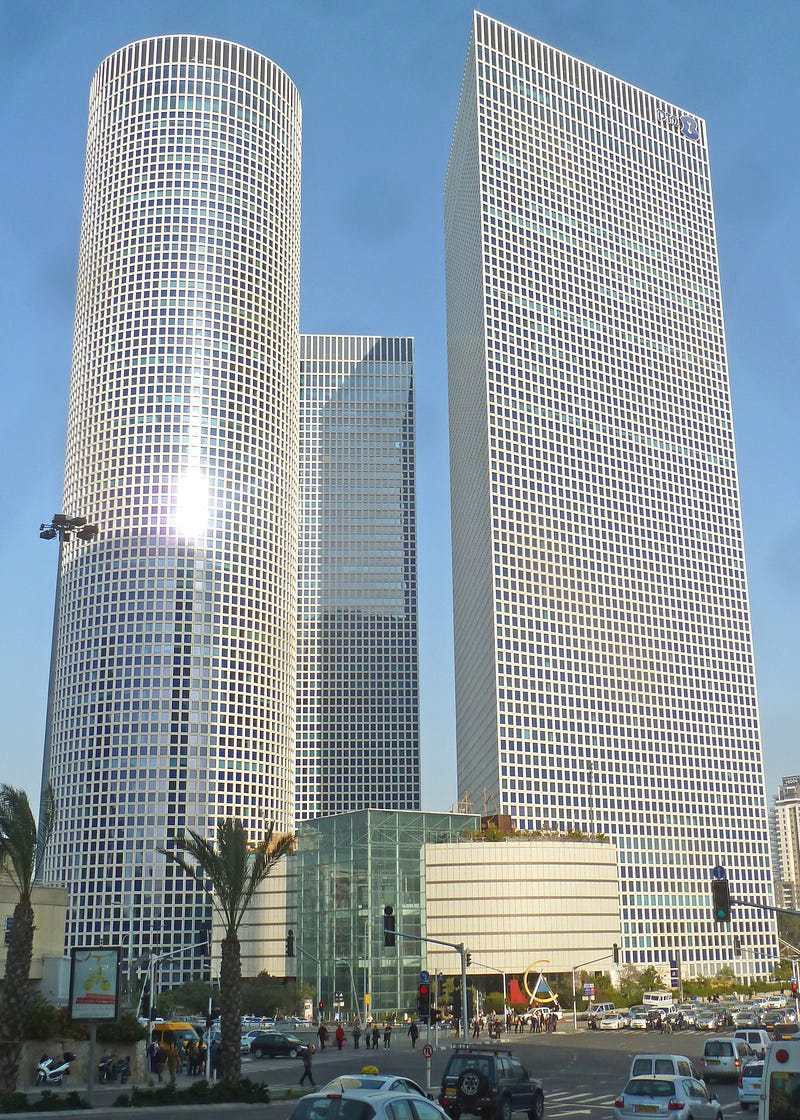
As we drove through the streets I saw the magnificent Bauhaus-style architecture everywhere. I fell in love with Tel Aviv before I even set foot on its soil.
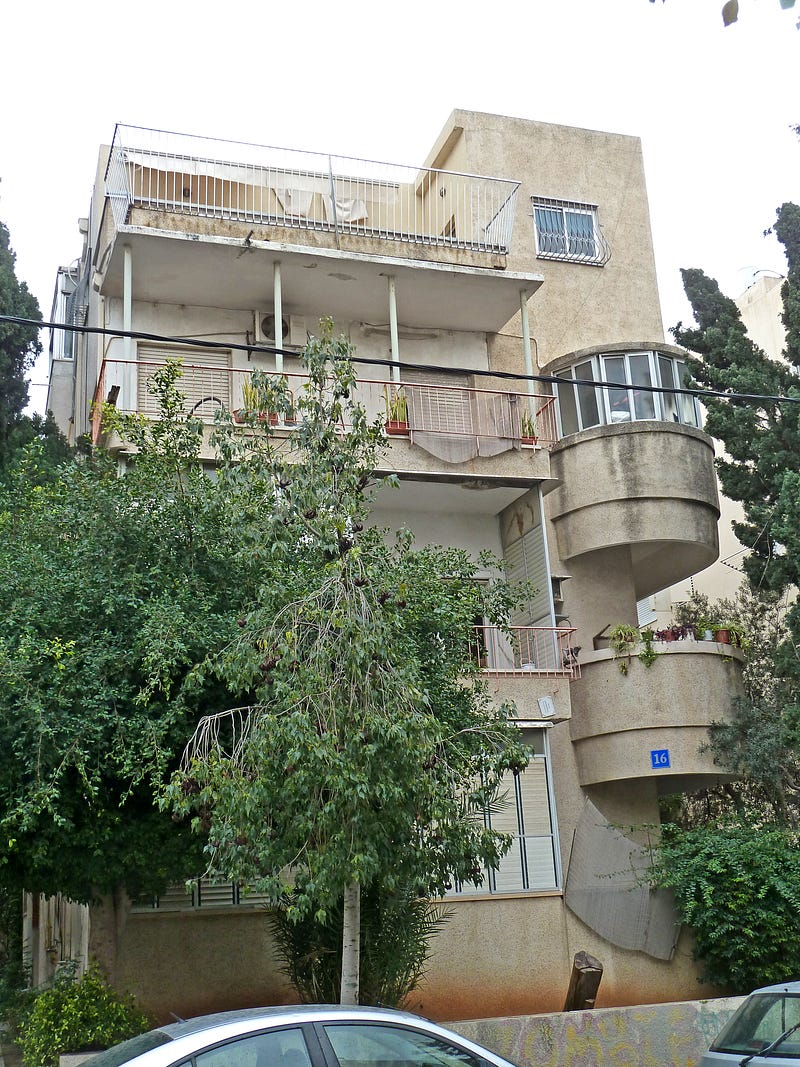
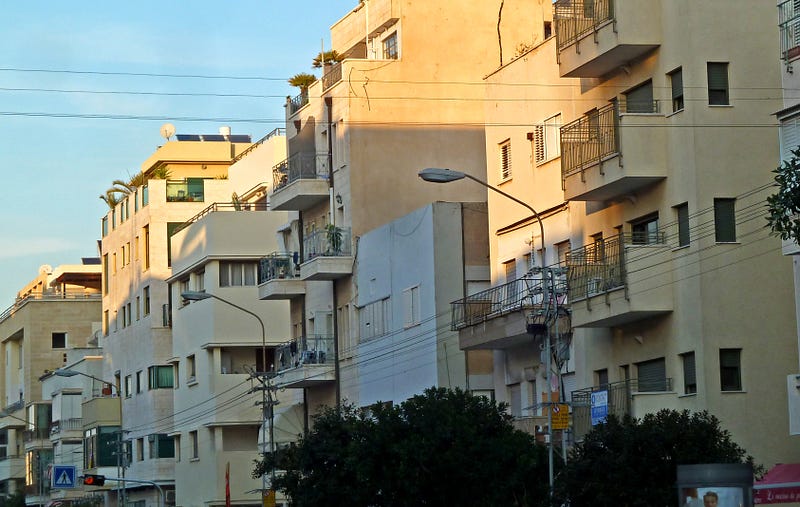
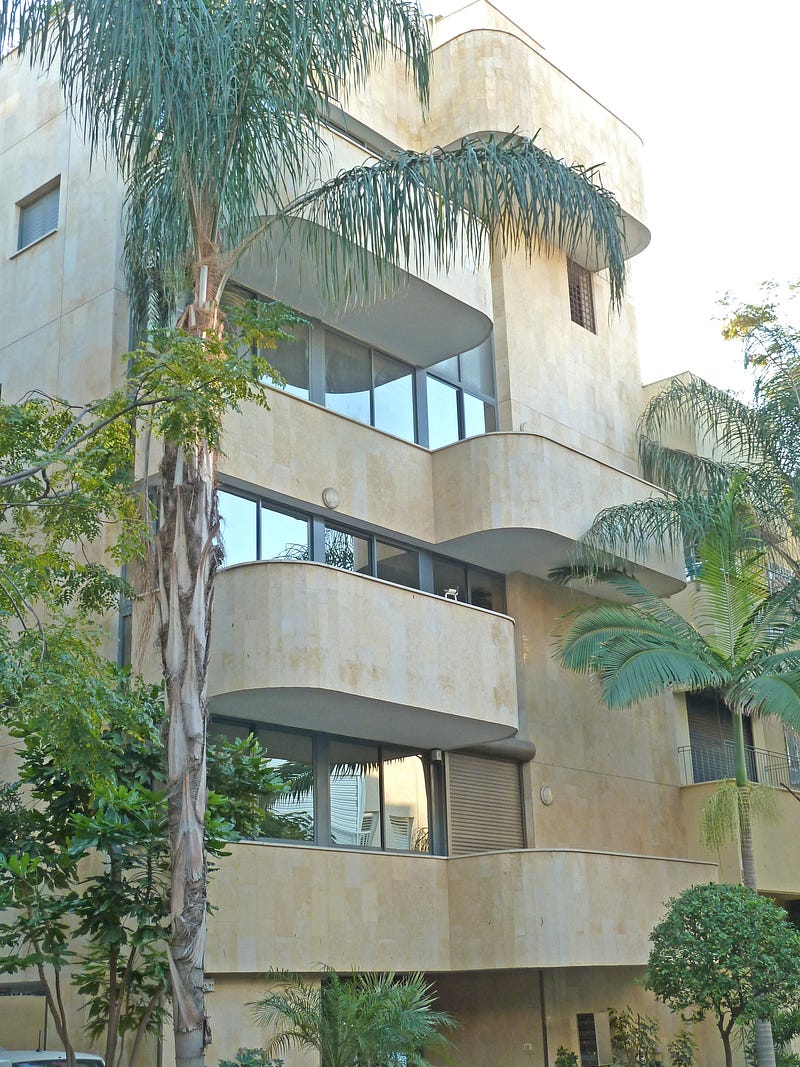
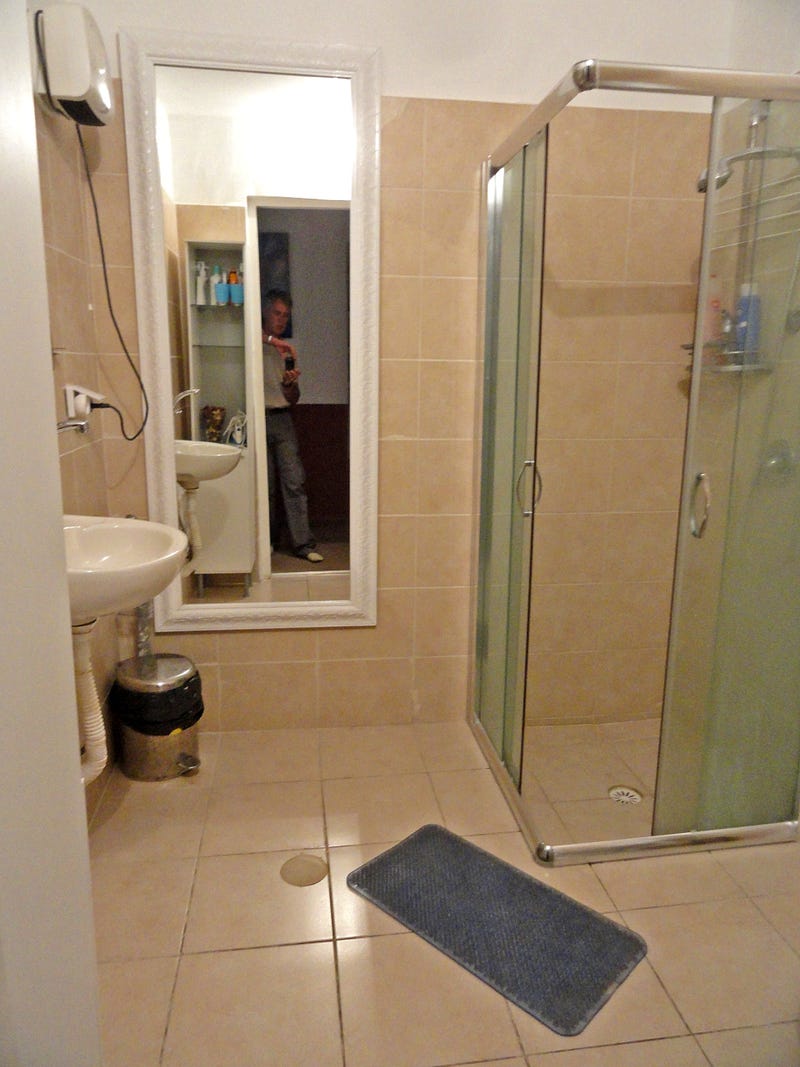
I wouldn’t be staying in one of those beautiful white or cream-colored examples of unique minimalist architecture. We drove through an alleyway to the guesthouse. It was nothing exciting. Small with the dorm rooms upstairs. I had a basement “suite,” a small, narrow room with just enough room for a single bed, a tv (all in Hebrew), and best of all, my own bathroom. All for about $100USD per night (a bargain in Tel Aviv.)
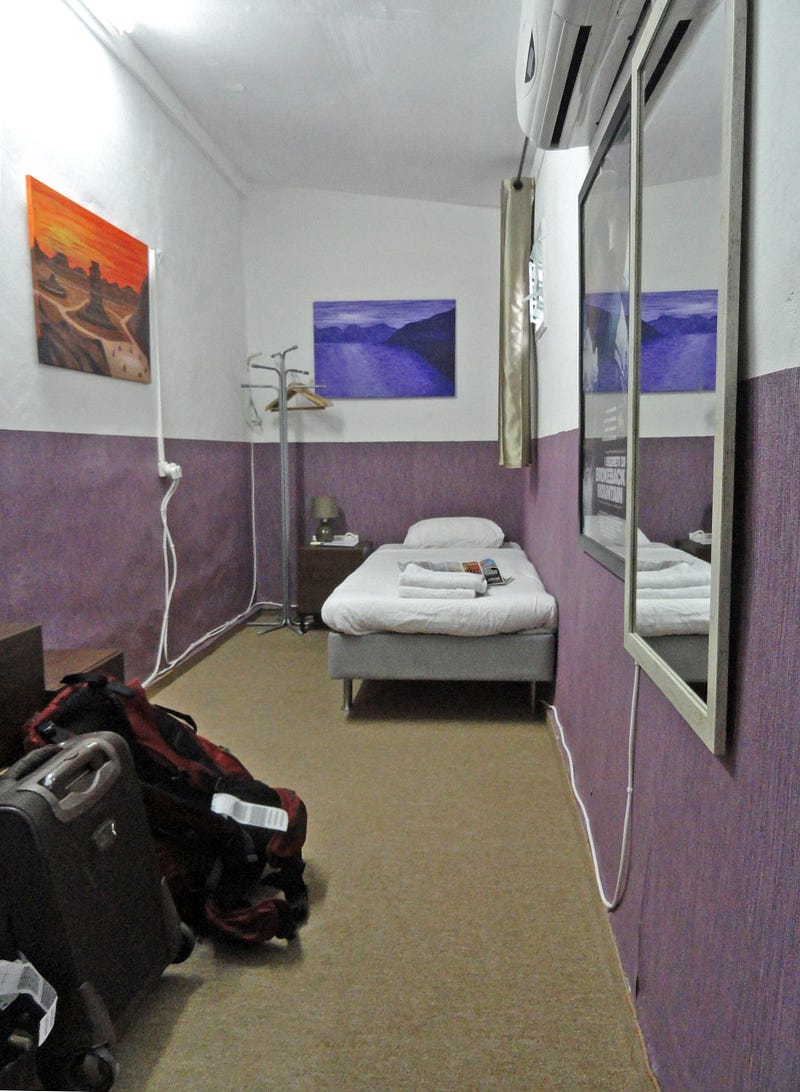
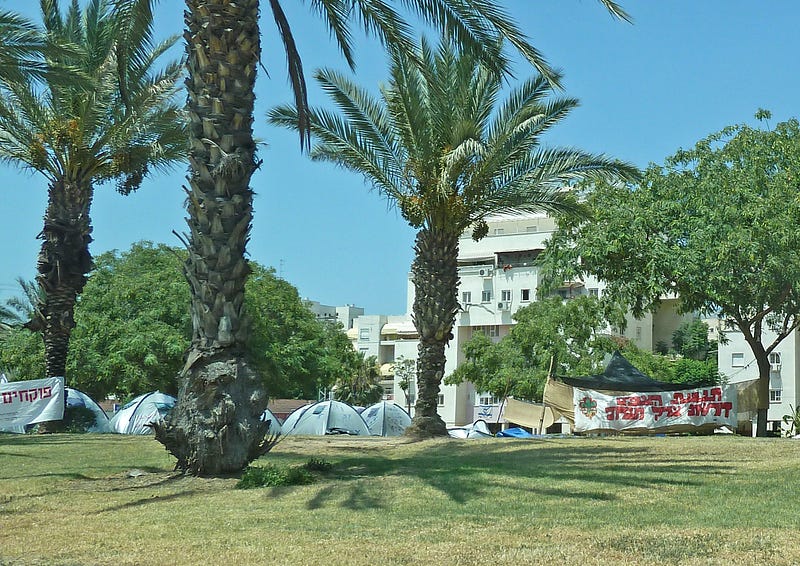
Tel Aviv is one of the most expensive cities in the world, especially when it comes to housing and accommodation. If you want to stay or live near the action, it is going to cost you an arm and a leg. I wasn’t surprised to see tent cities springing up in parks all over the city
By the time we got to the guesthouse, it was sweltering outside as the late afternoon sun was getting lower on the horizon. I quickly dumped my bag and headed out. I was a little worried about getting lost in the maze of sidestreets that wind their way around Shuk Hacarmel or Carmel Market. So I headed away from the market, to the beach. I didn’t have a phone with Google Maps to help me get around.
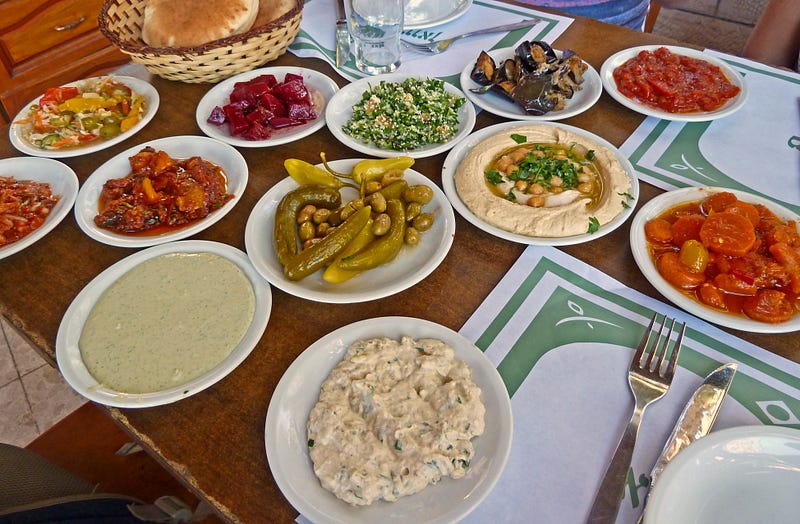
Tel Aviv has something for everyone. It is a feast for the eyes and the stomach. There are so many world-class restaurants scattered throughout the city featuring every kind of food you can imagine. Yes if you are craving pork you can even find that in Tel Aviv. (A Jewish Israeli friend told me she wouldn’t eat a hamburger because “we don’t eat pork.” I had to explain that a burger is all-beef.) I’ve mentioned it before, but my favorite thing in Israeli restaurants is the platter of salads and dips they bring you as soon as you sit down.
The beaches are something that Tel Aviv is well known for. A stretch of white sand spans the Israeli western coast along the Mediterranean. Tel Aviv boasts a gorgeous shoreline with several beaches, each featuring its own individual character.
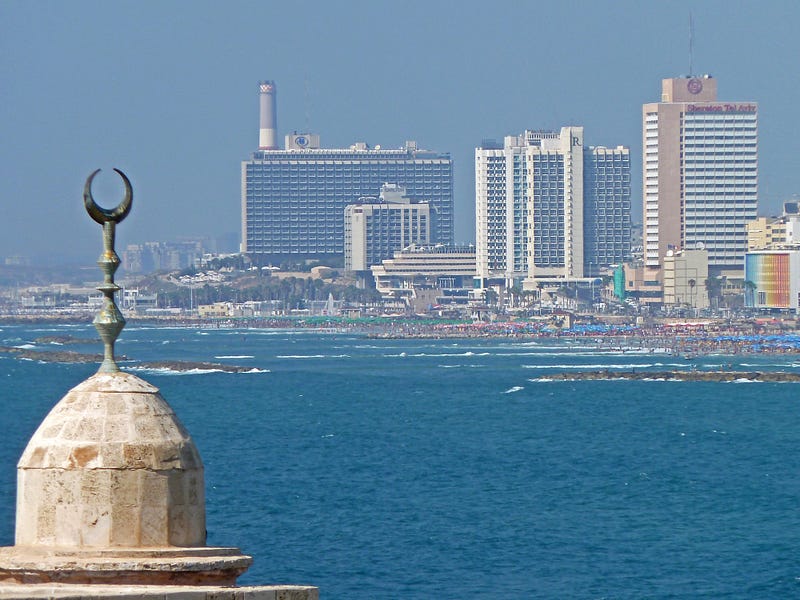
One of the largest is Gordon Beach with a wide boardwalk full of restaurants serving fresh seafood and Israeli classics by day and beer and cocktails at night.
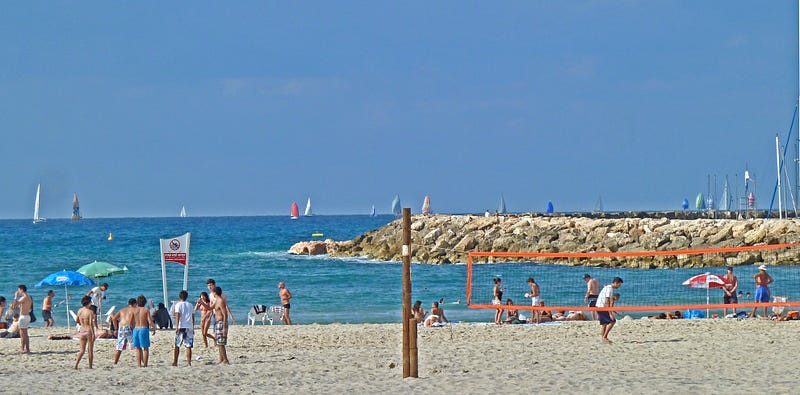
Up the strip is Frishman Beach (they are all named after the streets that lead to them) which is the main family beach. It has an extra wide patch of white sand, also a large part of the waterfront is protected and shallow so it’s good for kids. You can rent chairs and umbrellas at Frishman, or work out on the fitness trail. This was the beach that was closest to the apartment where I eventually moved to.
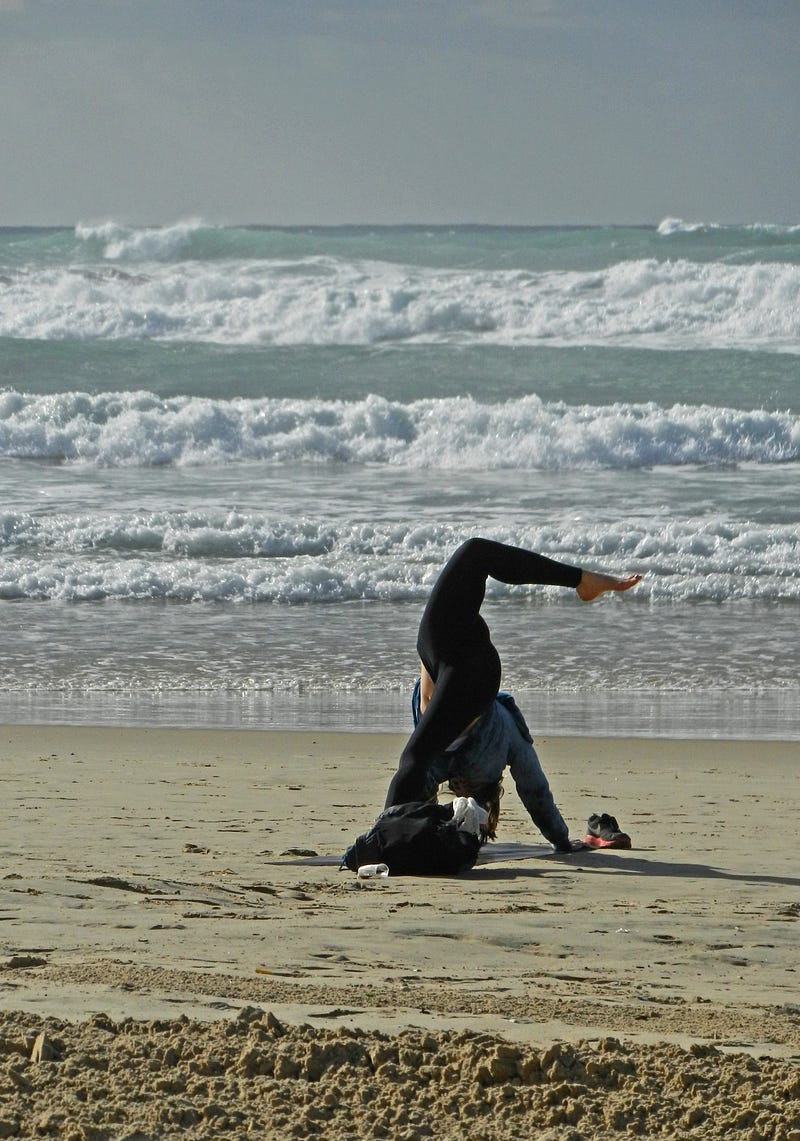
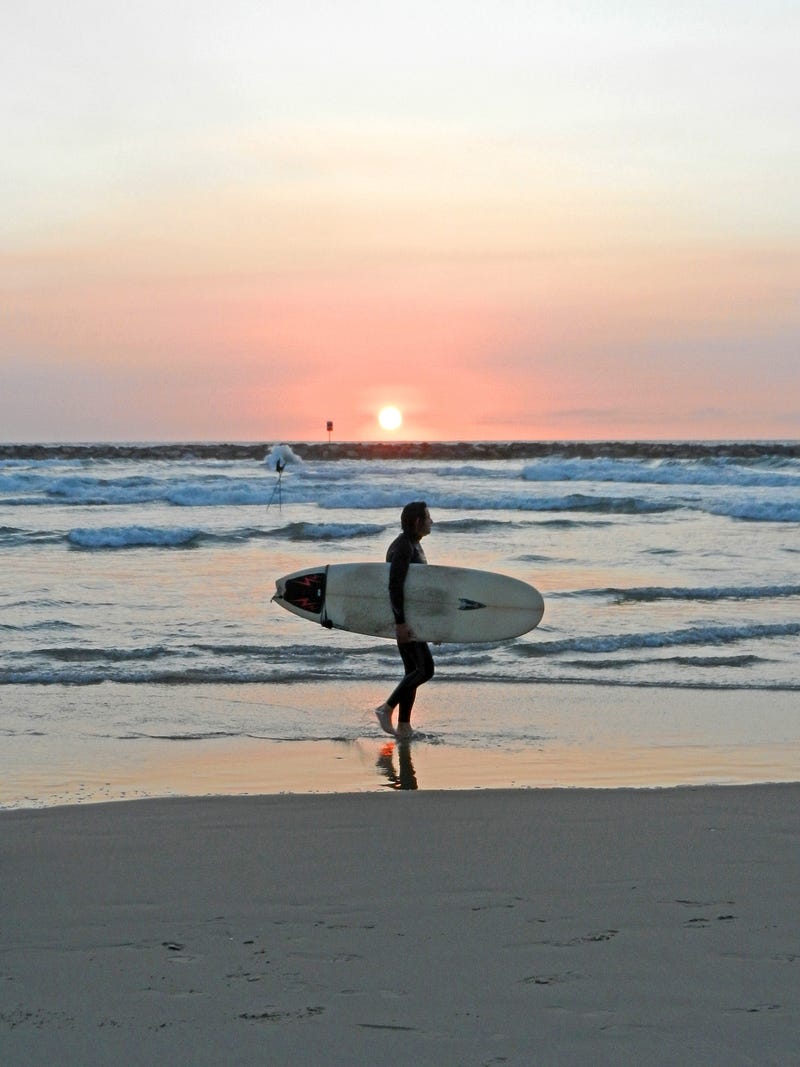
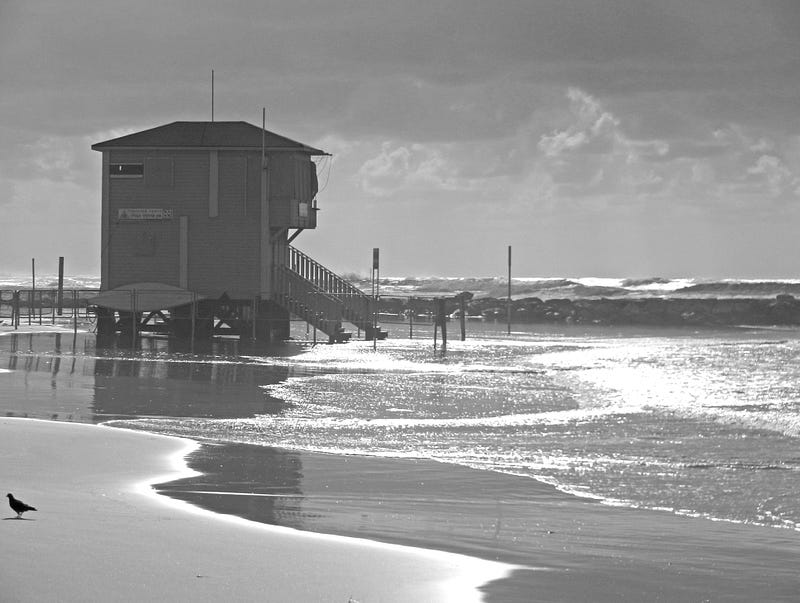
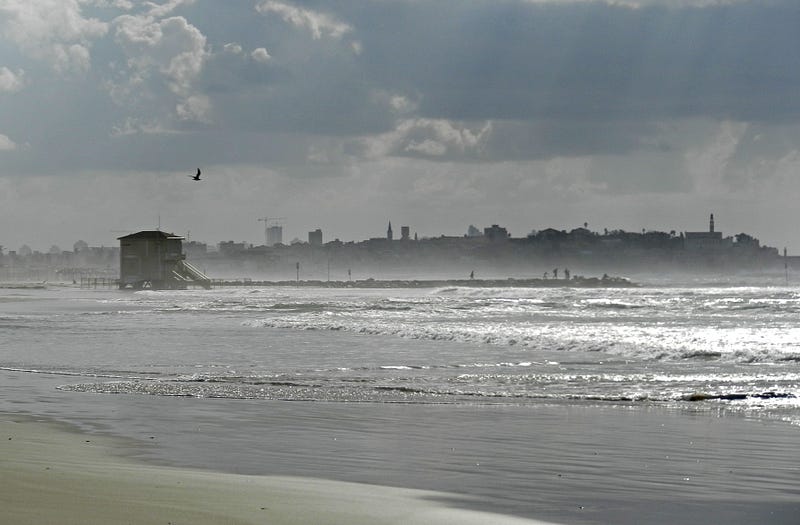
Next door is Bograshov Beach. It’s a very busy beach and often crowded, so it’s one I avoided a lot. But on a cool, stormy day it was a beautiful beach for photography.
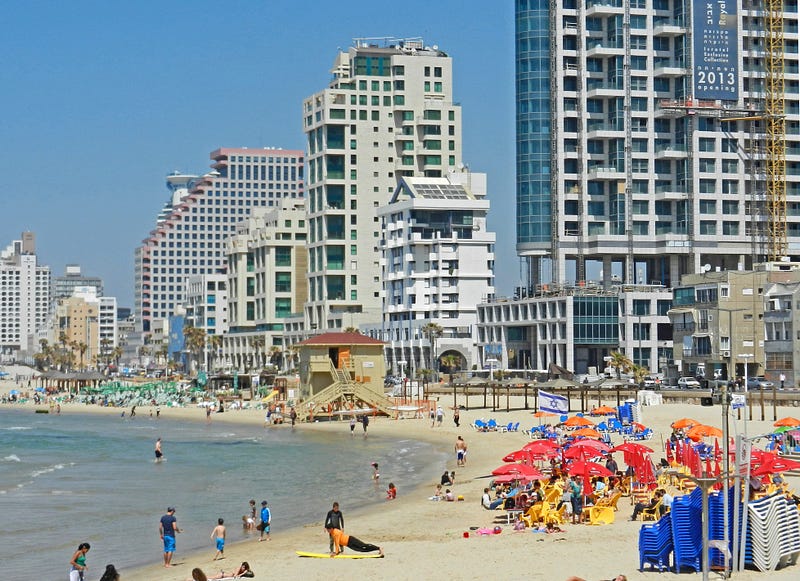
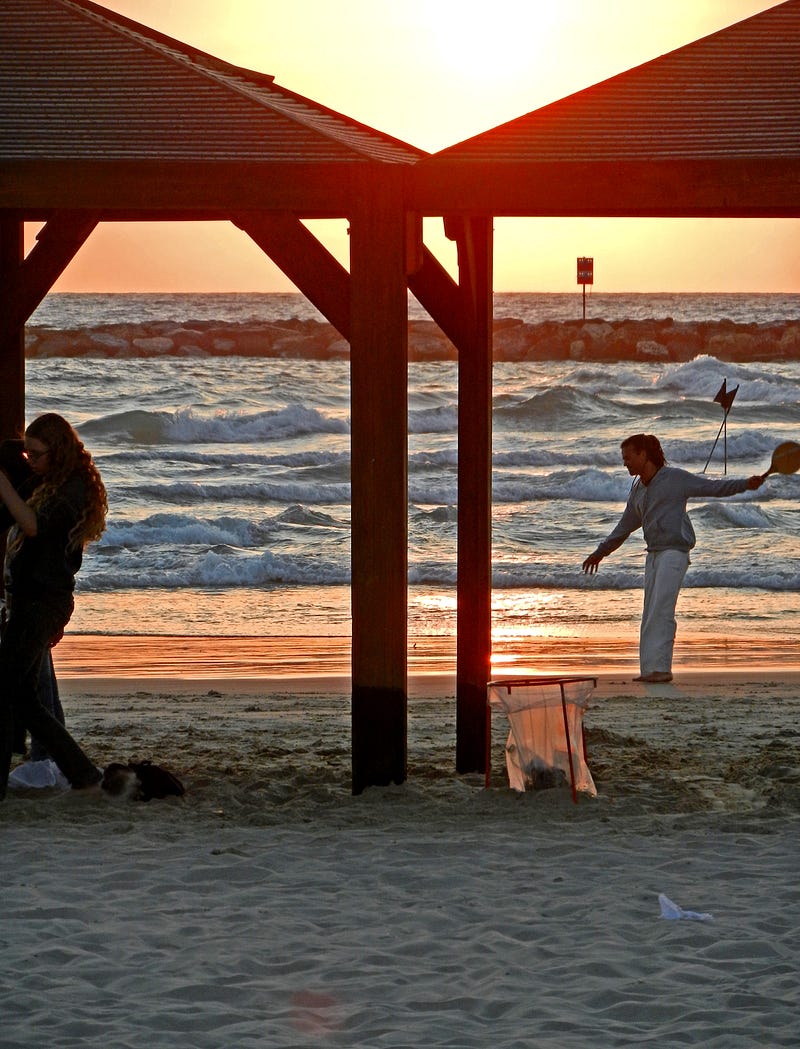
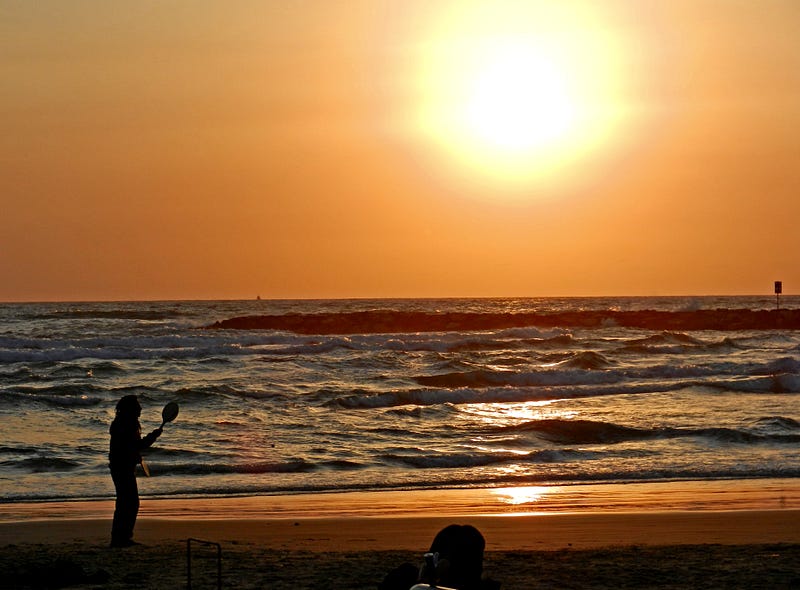
Another beach I avoid is Jerusalem Beach. It’s the beach where it’s hard to hear a conversation over the constant click-clack of the Matkot games going on all around you. It’s like paddleball with no real rules except to keep the ball in the air, passing it back and forth with the other player. The constant sound drove me nuts. It’s also dangerous to try to walk down the beach between games without getting hit by the hard rubber ball.
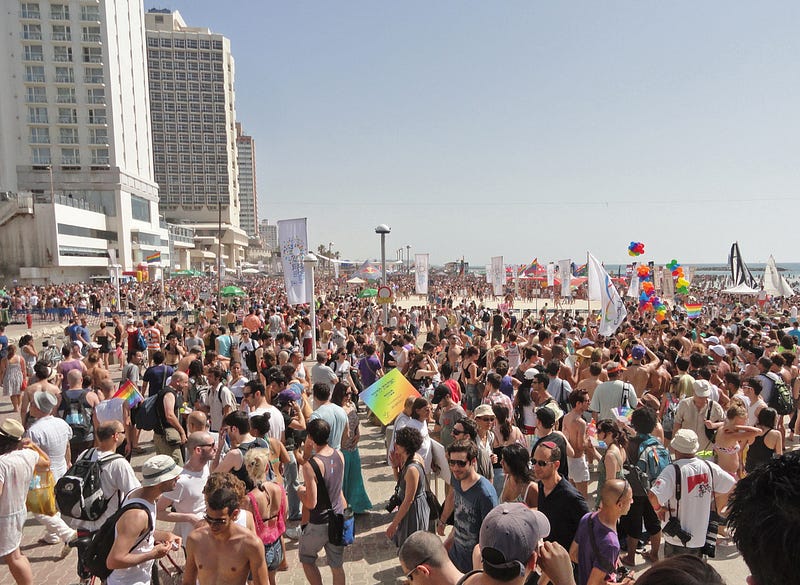
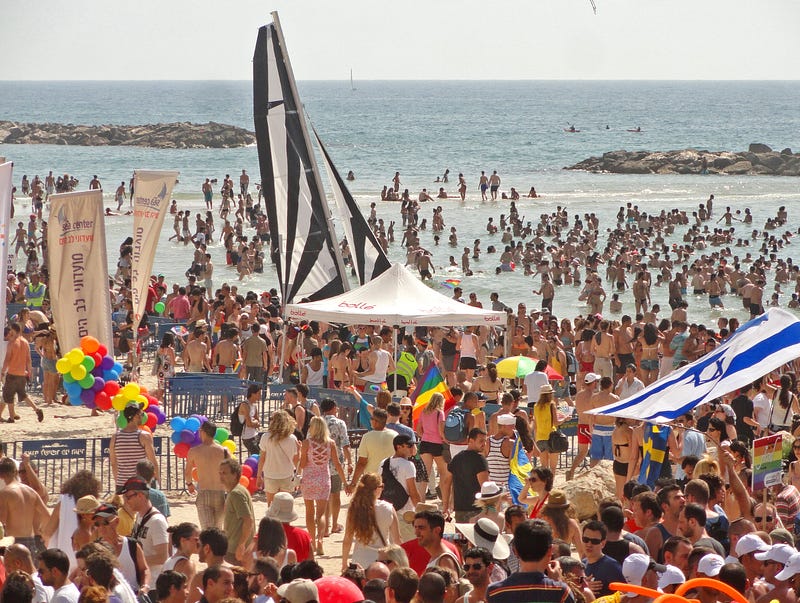
Probably the hippest beach and one known for its parties and its water sports is Hilton Beach. You can take windsurfing or kayaking lessons. It’s also known as the gay beach, with a very liberal crowd of beachgoers. Rent a beach chair and an umbrella and a waiter will come around and take your food or drink orders. There are also places you can dine in, to get out of the hot Israeli sun.
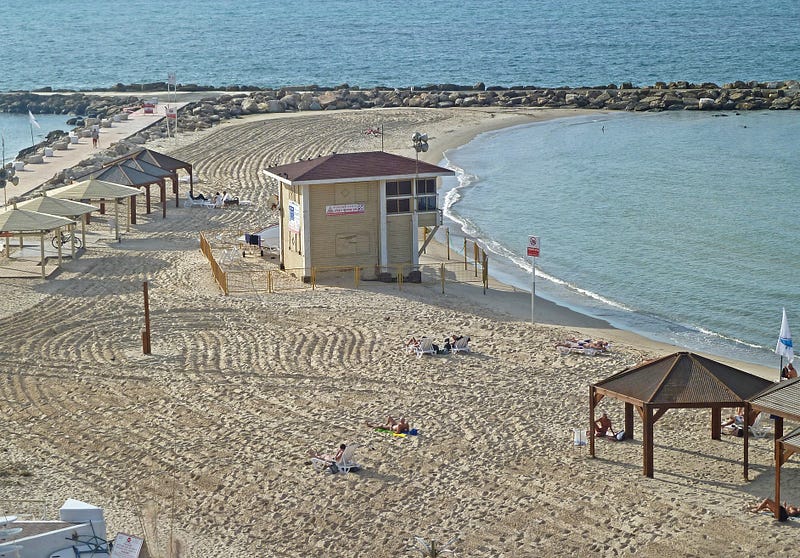
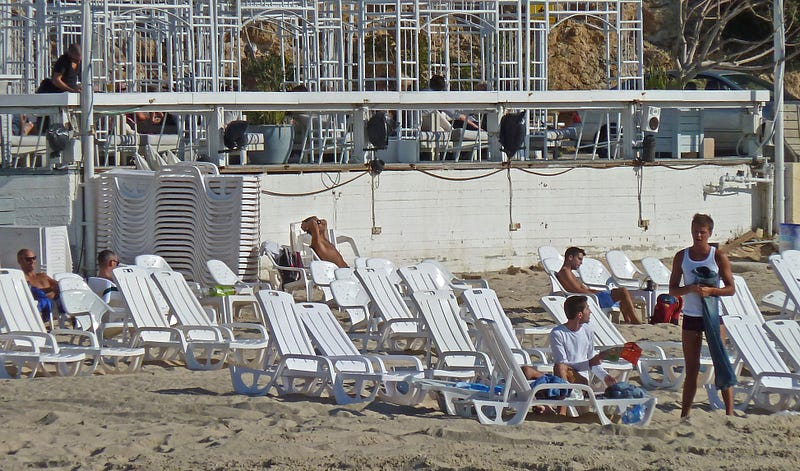
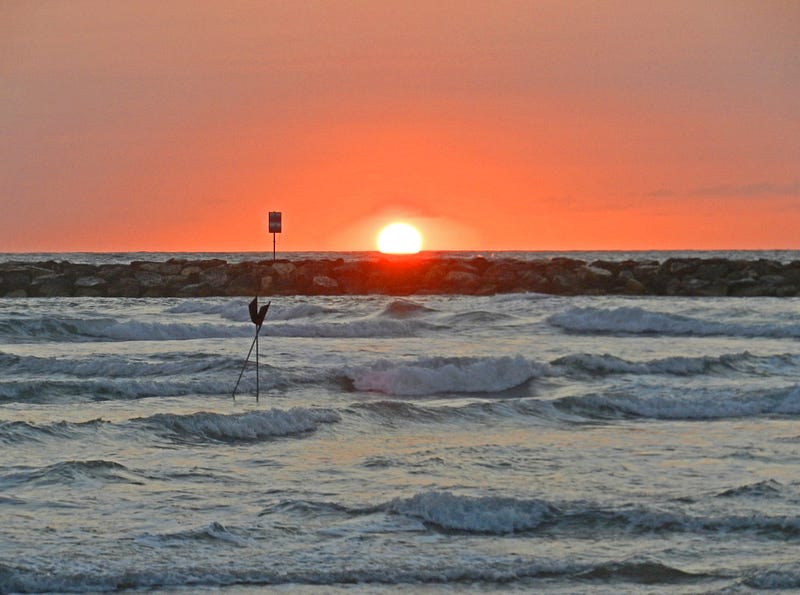
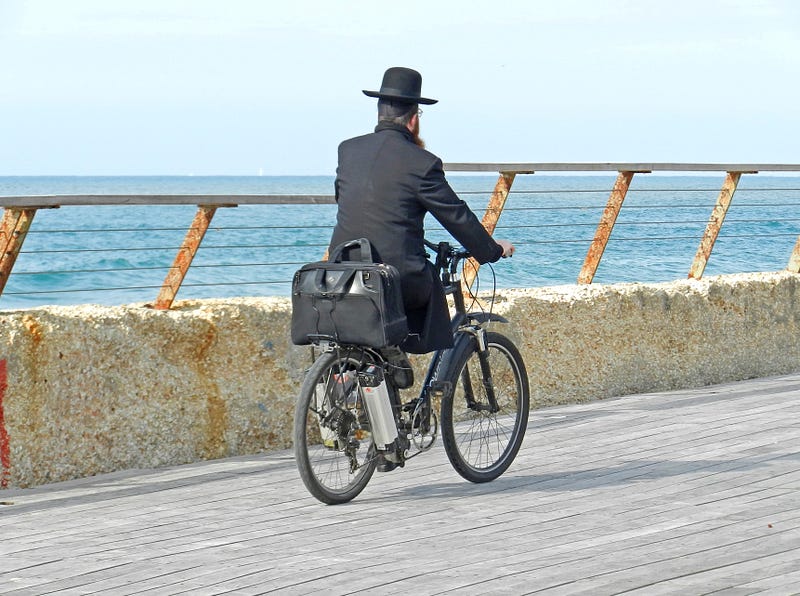
Next to Hilton beach is the walled beach compound, Metzitzim Beach, restricted for Orthodox Jews. Males and Females sunbath separately, kept out of sight from each other and from the other beachgoers, by a tall wood fence.
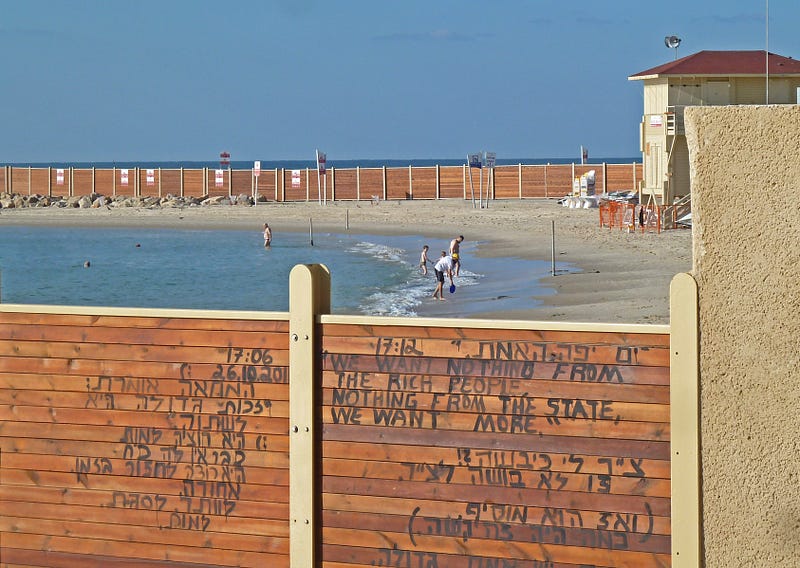
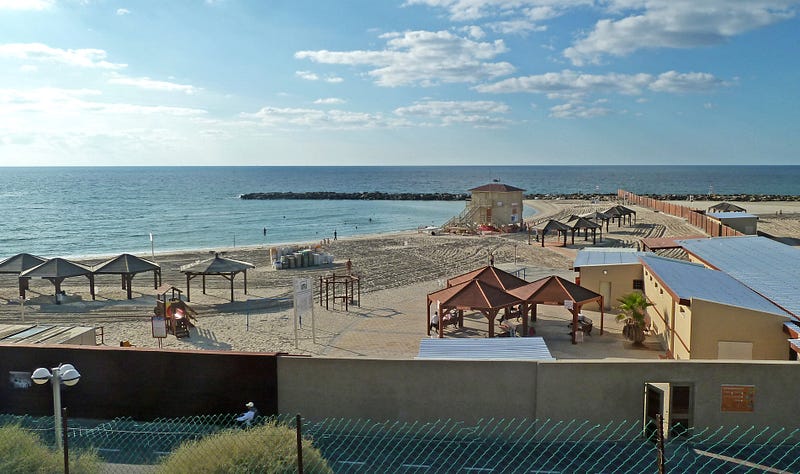
Something to remember if you plan to visit, if you don’t like crowds, stay away from ALL of the Tel Aviv Beaches on Pride Weekend. They are packed all along the waterfront both in and out of the water.
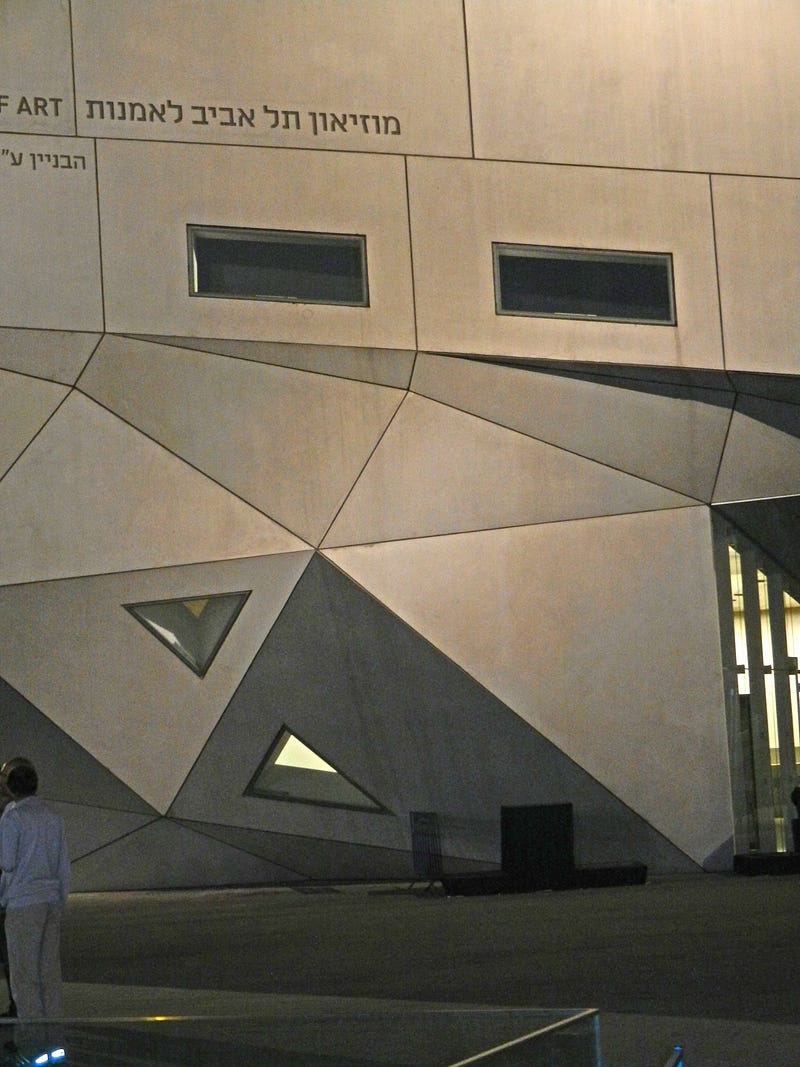
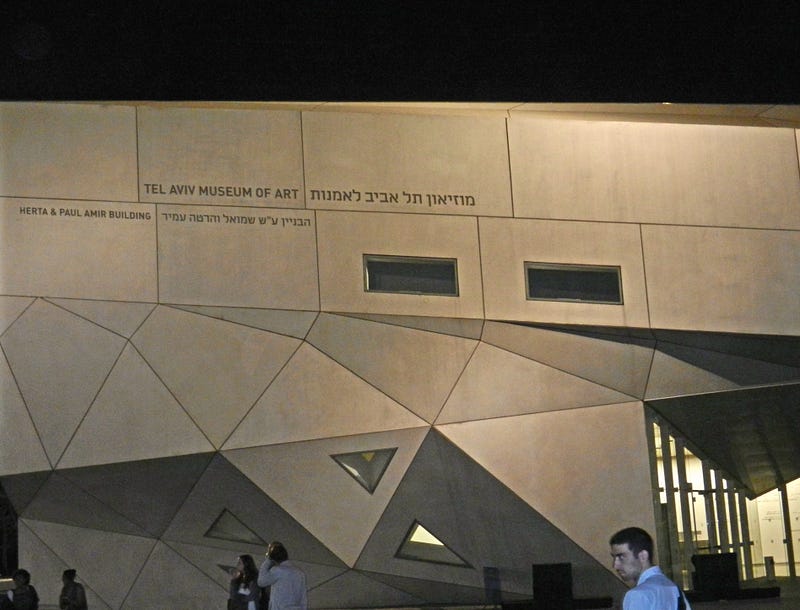
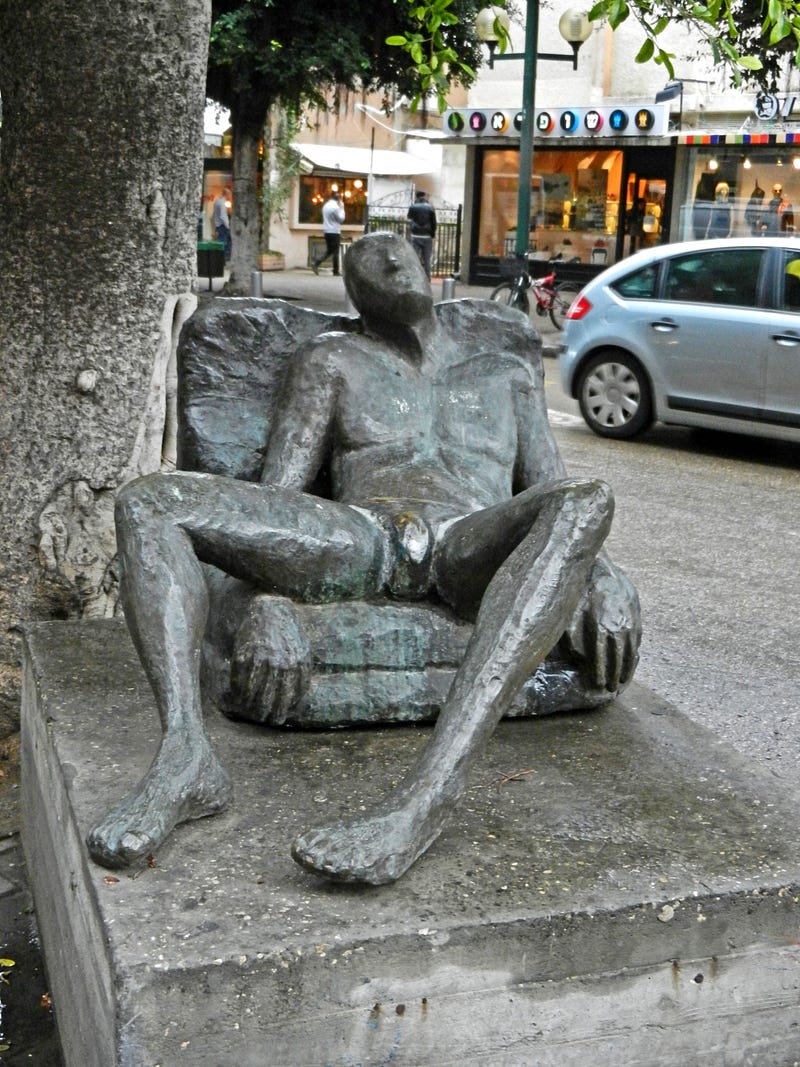
While Jerusalem is the political, religious, and financial center of Israel, Tel Aviv is the Tech and startup hub for much of the Middle East. It’s also a center for the arts with numerous galleries and museums. Street art is also more creative and not as political as I found in Jerusalem.
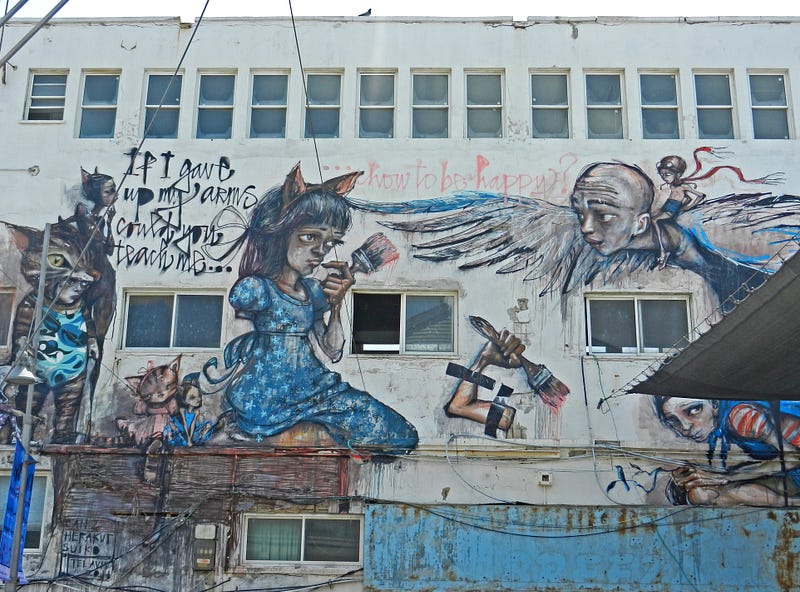
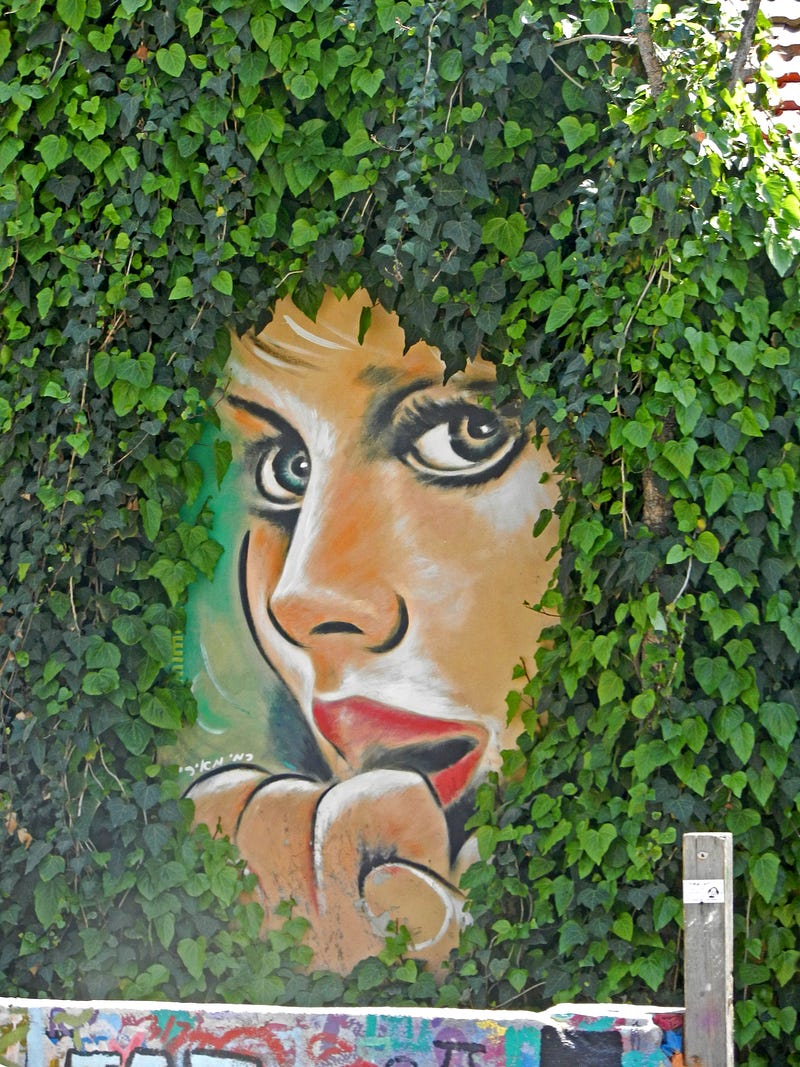
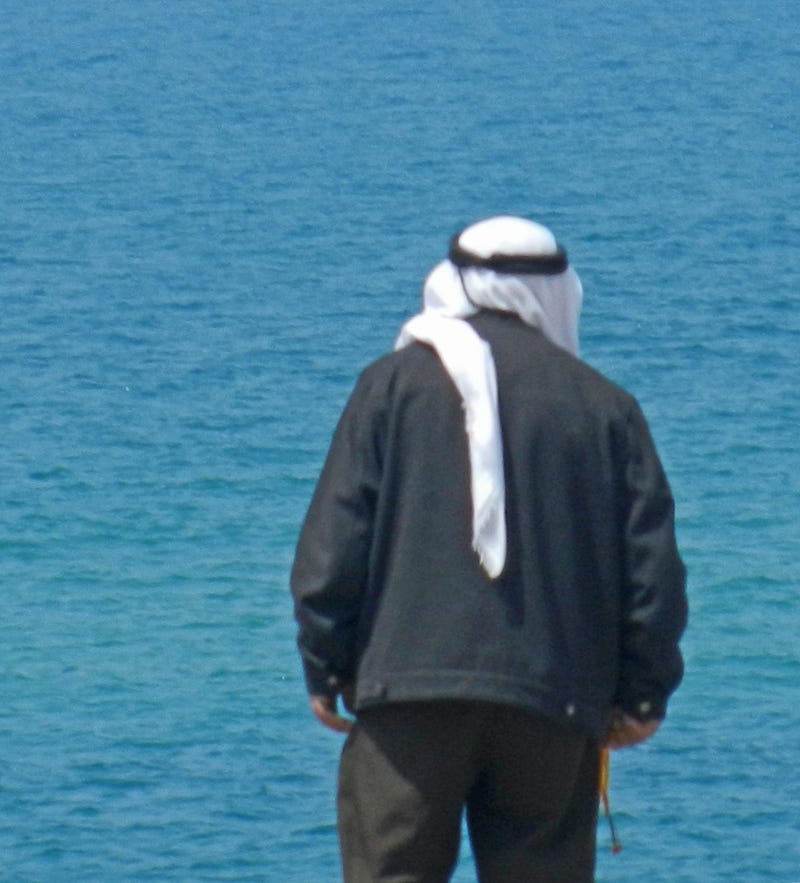
I wanted to explore old Tel Aviv and mingle among the people who live there, both Arabs and Jews. A good place to do that is Carmel Market or Shuk HaCarmel. It’s always a very crowded place with the smells and flavors of the Middle East and the loud din of the crowd mixing Hebrew and Yiddish along with Arabic and English and French and Russian. On Fridays, before Shabbat and before holidays it would be packed with shoppers.
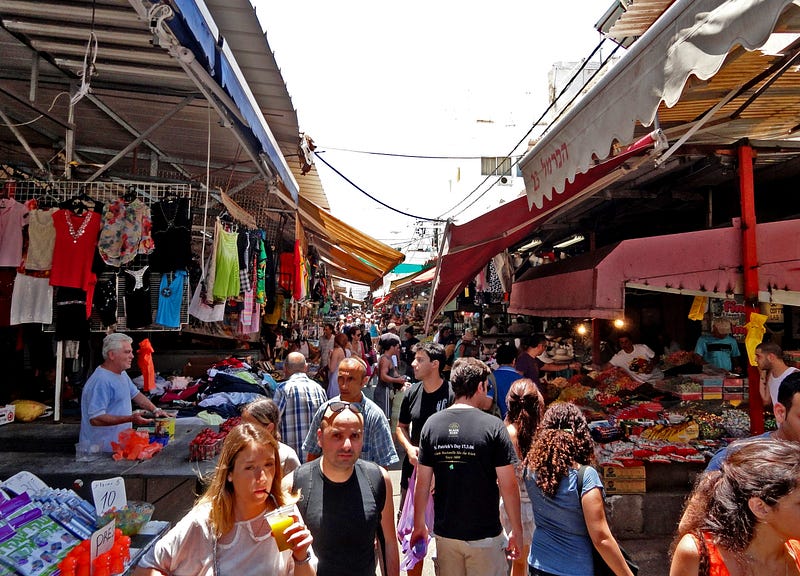
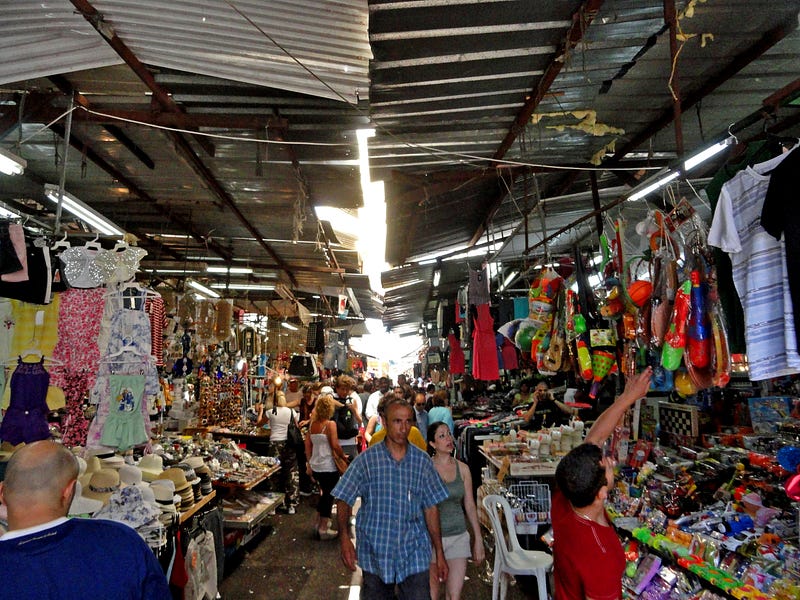
Everything is sold there. From clothing to pans and dishes to pickled fish to fruits and vegetables to kosher meat and challah bread.
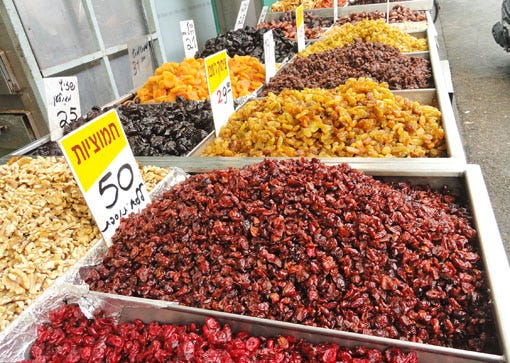
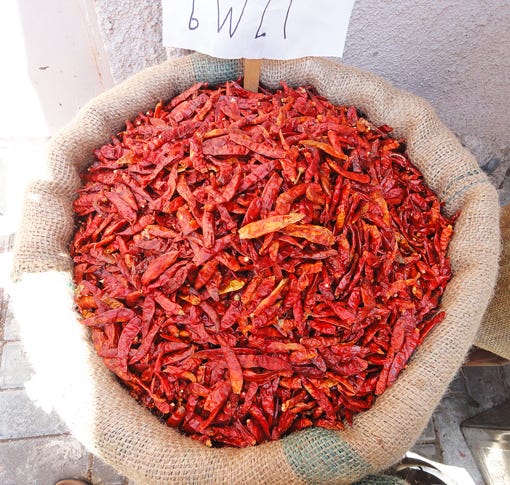
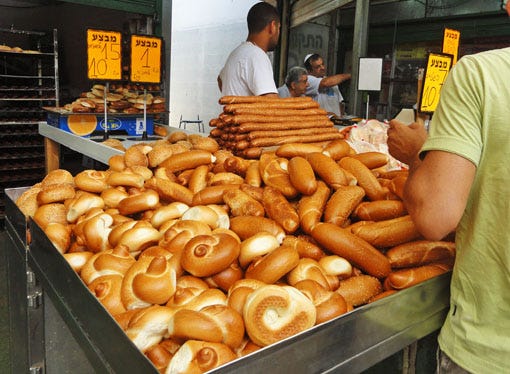
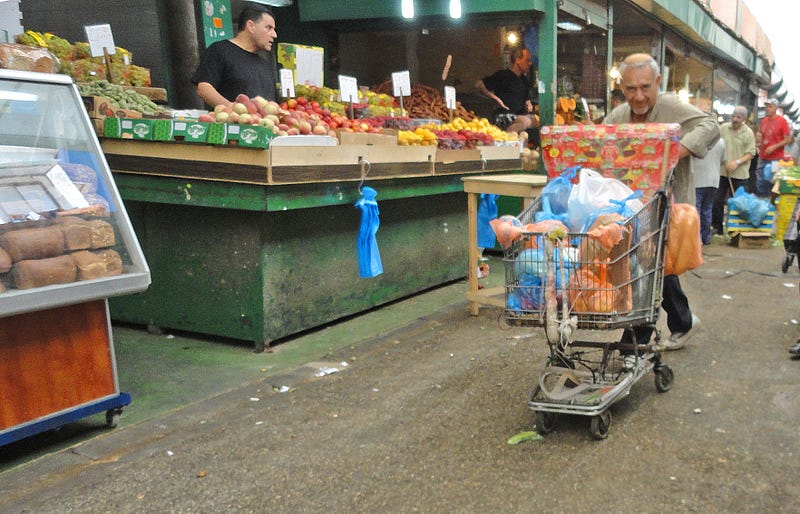
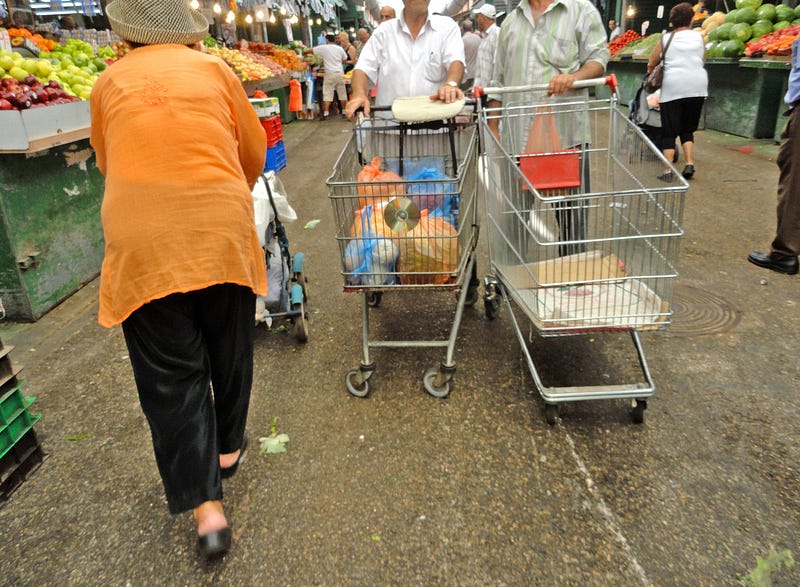
In the streets fanning out from the market, there are more shops to browse. There are high-end stores, some selling designer goods or you can stroll about 10 minutes away to Dizengoff Center, a large downtown shopping mall. Be prepared to show the armed security guards at the doors inside any backpacks or bags. They check everyone, even children.
This brings me to the biggest question I get asked when it comes to Israel.
How safe is it?
It is safe. I usually felt safer on the streets there than I have in my own hometown. But there is always the understanding, just below the surface, that there could be a terror attack or even war at any time. I learned to ignore the hype in the west as I found that most Jews and Arabs in Tel Aviv get along well, and live and work side-by-side.
Some of the stories I heard were horrific.
But as I learned after returning home to Toronto, terrorists can strike anywhere.
War is another story. Growing up in Canada, I never had to worry about some foreign army attacking my home and family. But in Israel that is a constant concern. It doesn’t stop people from going about their day-to-day business. It is what it is.
As tensions heated up in 2012, and Gaza’s missiles were getting closer to Tel Aviv, I made the decision to leave.
I had been living in Tel Aviv for almost a year and a half. After I fell in love with the city, I decided to stay there and use it as my base to continue my travels. I was in the Middle East, close to Africa, Southern Europe, and Asia. I wanted a place where I could slow down.
Non-stop travel is not as easy as it looks.
So in the fall of 2012, the building where I was living, in the suburb of Ramat Gan, didn’t have a safe room. Most homes and buildings have a room, usually in the middle on the lowest floor, where people can get protection in the event of an attack. When the sirens started and the rockets got closer, I had to run down 3 flights of stairs to the basement, the strongest part of the building, and wait underneath the staircase with the other building residents until the sirens stopped. Then there would be a sigh of relief and everyone would simply go back to doing what they were doing before the sirens started.
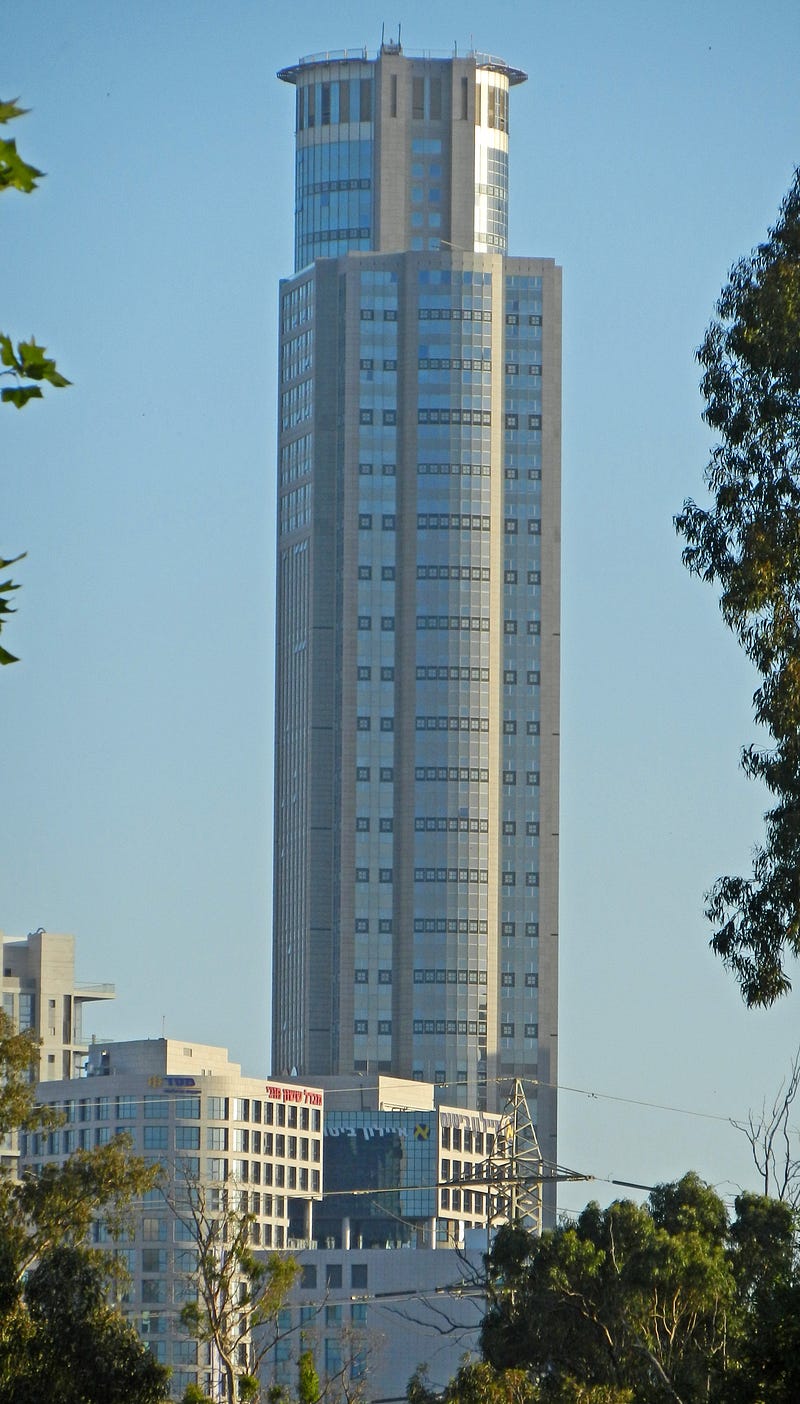
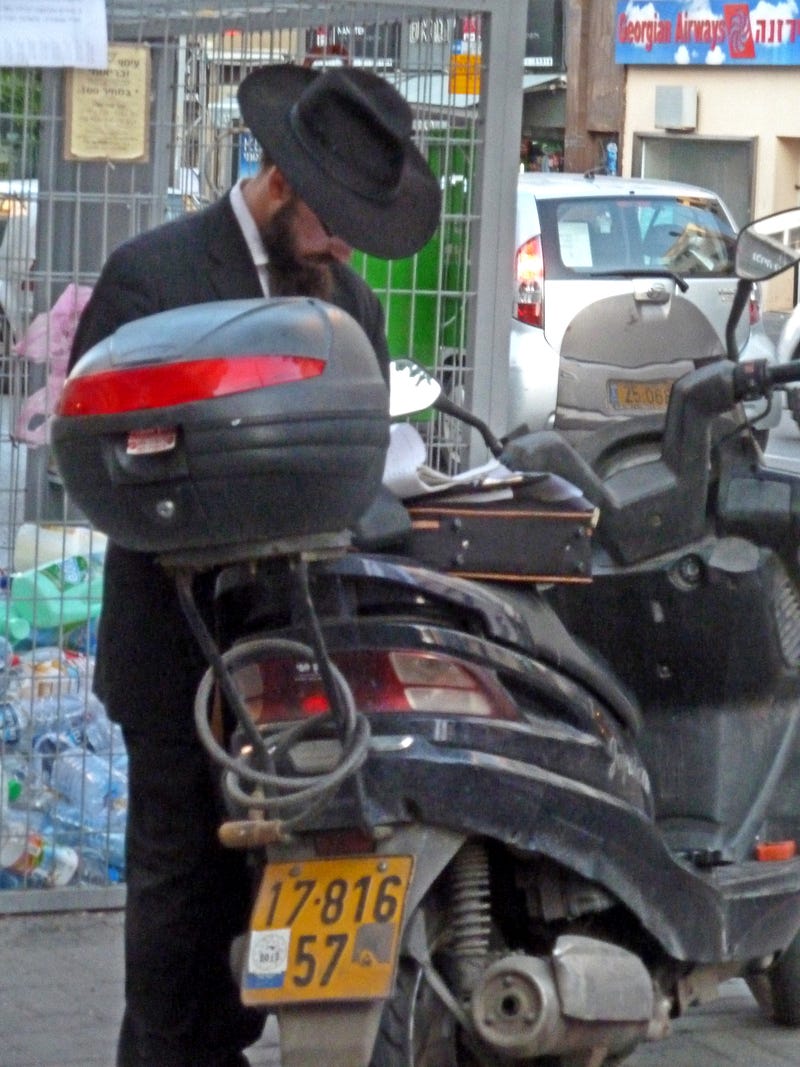
The situation is very fluid and moves from an extreme threat to virtually no threat. The chances of something happening while you are there for a week or two or three is slim. Just pay attention to the warnings and the news out of the region. Take some of it with a grain of salt.
And if you have a chance to visit Tel Aviv, you may fall in love with it.
But not everyone is a fan. Adrienne Beaumont had a completely different experience there.
Thank you for reading. For more of my favorite travel destinations, you can check out my list of stories: