
Technology, Opiate of the Masses
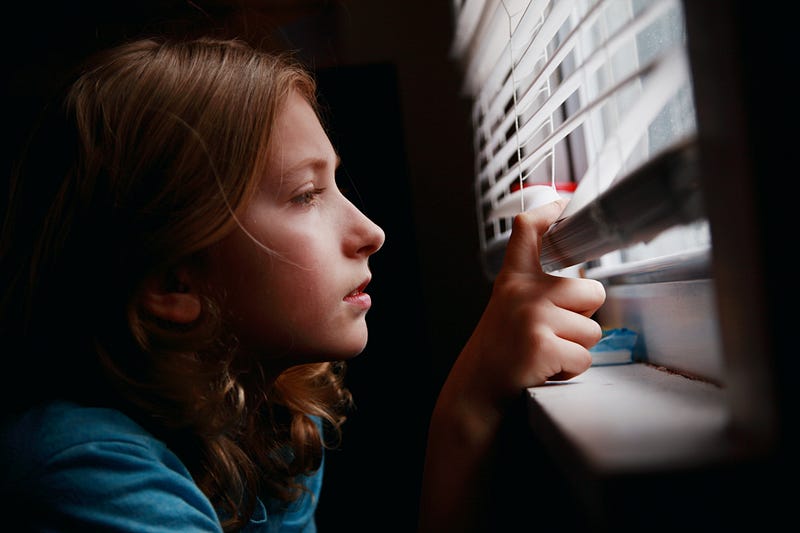
I must confess, I am one of the lucky ones. I am in America, one of the hardest-hit countries. But my family and close friends remained unhurt by COVID. My finances are reasonably secure, and I can lock down and stay separate from the world.
For all intents and purposes, I am under house arrest. My connection to most other people is through the Internet. I have not seen friends in person, visited a store, or eaten at a restaurant in months. Not that I even liked stores. But I miss them. Our food is delivered. Our other packages quarantine for two or three days before we open them. For the first time since March, I recently visited a building that was not mine. It was a medical clinic, for a prescribed blood draw. I stared at the Finding Nemo stickers on the walls as the technician, whose mask was loose, drew blood. Afterward, having seen her loose mask, I changed my clothes, showered, and quarantined my handbag as I again entered my hermetically sealed world.
Living through this time is like taking the old world and replacing it with a simulation. I don’t really see what is happening outside, because I don’t go anywhere. Mostly I just sit in my home connected to the Internet. And even the Internet still feels new. It feels like I can suddenly vicariously travel anywhere in the world. I write to people in the Middle East, thousands of miles away. I watch events that are now live-streamed. I wish I could actually travel the way I did before. I hope to be able to travel again. Sometimes I think about the days not so long ago, and wonder whether they can ever come back. Airplane trips. Subway rides. Hell, I even rode the subway without a mask. My New York City apartment I left to lock down in my family’s home in suburbia. Seeing strangers and near-strangers, without even thinking about a mask. Sometimes I cry.
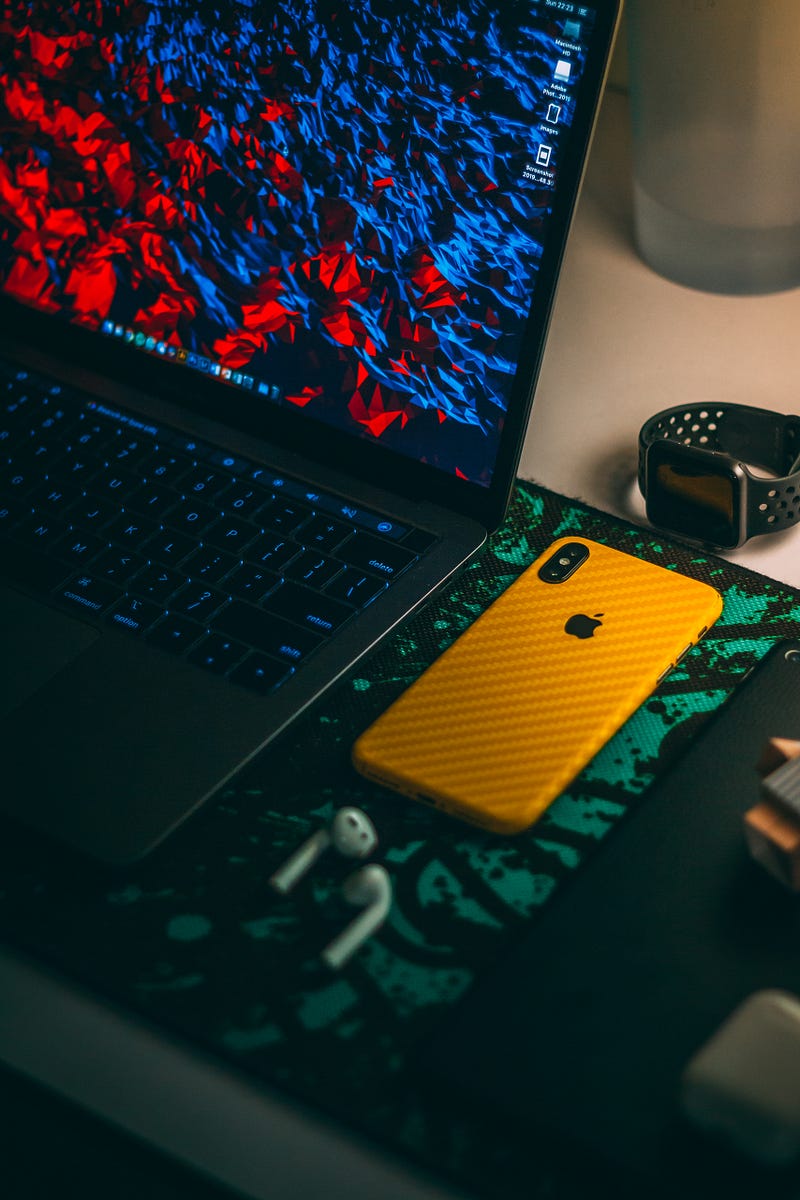
It is still surreal. To a great extent, I am able to retreat to a place of my own imagination. As a child, this was almost my fantasy — finding places and venues for my interests. Much of the time, I am so absorbed in my escape, I scarcely notice that I am homebound. But it is also frightening. It feels almost weightless. The channels I chose were nice, happy, and peaceful, oases of tranquility in the eye of the storm of some of the world’s most contentious geopolitical conflicts. These are my reality. And I’m proud to say, these are my votes for what should become the reality. But are they votes, or escapism?
Technology is the opiate of the masses. I am like an opium addict. These are my opium dreams.
And sometimes I fear for our country. I wonder what will pop my bubble — will it be civil unrest? Those people live in different social media worlds from mine, worlds I rarely enter and when I enter, I fight. The maintainers of social media have great power, and with that power comes great responsibility. I do not trust them to hold the fabric of society together. I fear that our simulations are headed on a collision course, toward destruction.
If I go down, I will go fighting. And so I studied technology, and run this.
“’What do you fear, lady?’…
“’A cage,’ she said. ‘To stay behind bars, until use and old age accept them, and all chance of doing great deeds is gone beyond recall or desire.’
“’Too often have I heard of duty,’ she cried. ‘But am I not of the House of Eorl, a shieldmaiden and not a dry-nurse? I have waited on faltering feet long enough. Since they falter no longer, it seems, may I not now spend my life as I will?’”
-J.R.R. Tolkien, The Return of the King


