avatarM Aslam Waheed

Free AI web copilot to create summaries, insights and extended knowledge, download it at here

3037

Abstract

before the disease goes too far. Precision drugs can one day be used to apply a cure to a unique human genome. Gene editing techniques are also being studied to potentially cure disease or reverse age-related mutations.</p><h1 id="fa1f">Simulation of longevity in nature</h1><p id="7004">In addition to disease control, researchers are studying natural species that exhibit rare traits such as mild aging or extreme longevity.</p><p id="3d5e">Turtles, for example, can live for more than 150 years without signs of physical deterioration. Scientists are studying biological mechanisms that allow these animals to remain functional for a long time and regenerate tissues.</p><figure id="4023"><img src="https://cdn-images-1.readmedium.com/v2/resize:fit:800/0*Lt1skvBL1pKqkxhC"><figcaption>Photo by <a href="https://unsplash.com/@aronvisuals?utm_source=medium&amp;utm_medium=referral">Aron Visuals</a> on <a href="https://unsplash.com?utm_source=medium&amp;utm_medium=referral">Unsplash</a></figcaption></figure><p id="46f9">Results from species that have been magnified over a long lifetime can help develop treatments that mimic these natural mechanisms. For example, hypoxic regulation limits oxygen loading by allowing the body to enter survival mode.</p><p id="f727">Studies have shown that this can stimulate tissue regeneration and increase the life expectancy of mice. The inclusion of so-called “survival genes” in humans through interventions such as fasting or medicines can have similar benefits.</p><h1 id="27fb">Promise and risk of life extension</h1><p id="e0d2">A fundamental extension of a person’s health period (the time he or she spends a good health period) can lead to many social benefits. Living longer, healthier, and with your loved ones is a valuable wish for many.</p><p id="d8d8">Delaying or preventing diseases in old age can also reduce healthcare costs and lead to economic savings. Longevity provides a more productive and experienced workforce, allowing people to pursue more ambitious projects or goals.</p><figure id="f177"><img src="https://cdn-images-1.readmedium.com/v2/resize:fit:800/0*WzfODJdXx4Im2MOo"><figcaption>Photo by <a href="https://unsplash.com/@stevenrsl?utm_source=medium&amp;utm_medium=referral">Steven Roussel</a> on <a href="https://unsplash.com?utm_source=medium&amp;utm_medium=referral">Unsplash</a></figcaption></figure><p id="f8da">However, a dramatic increase in life expectancy leads to many ethical challenges. There are concerns that only wealthy individuals will have access to potentially expensive opportunities to extend their lives, exacerbating existing inequalities.</p><p id="25fd">Longer life expectancy could put a strain on social safety nets, pension systems, and the health system if not properly planned. We may also need to rethink traditional life stages and careers based on short lives.</p><figure id="1230"><img src="https://cdn-images-1.readmedium.com/v2/resize:fit:800/0*tk76_1YFIfrWuJ9U"><figcaption>Photo by <a href="https://unsplash.com/@grstocks?utm_s

Options

ource=medium&utm_medium=referral">GR Stocks</a> on <a href="https://unsplash.com?utm_source=medium&amp;utm_medium=referral">Unsplash</a></figcaption></figure><p id="7fc1">There are also philosophical questions surrounding the idea of immortality. Will infinite life expectancy make our lives less meaningful if it is not limited by the final mortality rate? Or could immortality allow us to leave a greater legacy?</p><p id="e164">Some fear that aging and death are inevitable aspects of undisturbed human disease. Others argue that it should be a moral duty to end suffering from a debilitating illness in old age.</p><p id="dac2" type="7">“Follow me on LinkedIn, facebook, Youtube, Twitter, and Instagram.”</p><p id="be60">I hope you’ll find this story <b><i>“Interesting and Surprising”</i></b>. <a href="https://medium.com/@aslamwaheed/subscribe"><b>Subscribe</b></a><b> </b>to my newsletter for such interesting and lovely poems and stories.</p><p id="0433"><b><i>You may also like:</i></b></p><div id="b7cb" class="link-block"> <a href="https://aslamwaheed.medium.com/ancient-practices-modern-health-treatment-536619593319"> <div> <div> <h2>Can Ancient Practices Hold the Key to Modern Health?</h2> <div><h3>Far from relics of the past, these traditional practices may offer solutions to modern health challenges if integrated…</h3></div> <div><p>aslamwaheed.medium.com</p></div> </div> <div> <div style="background-image: url(https://miro.readmedium.com/v2/resize:fit:320/0*vKp1Ei3V6MY1m-U4)"></div> </div> </div> </a> </div><div id="fbc5" class="link-block"> <a href="https://aslamwaheed.medium.com/machines-conquer-humanity-ai-e5ad603907ae"> <div> <div> <h2>Will Machines Liberate or Conquer Humanity?</h2> <div><h3>Hope or Horror? The Unforeseen Impact of AI</h3></div> <div><p>aslamwaheed.medium.com</p></div> </div> <div> <div style="background-image: url(https://miro.readmedium.com/v2/resize:fit:320/0*IwTgrfrKohftZsys)"></div> </div> </div> </a> </div><div id="6d7f" class="link-block"> <a href="https://aslamwaheed.medium.com/technology-affects-generation-recreation-fa47cffc620e"> <div> <div> <h2>How Technology Affects Intergenerational Recreation?</h2> <div><h3>Is tech the secret sauce to bridging the generation gap in recreation?</h3></div> <div><p>aslamwaheed.medium.com</p></div> </div> <div> <div style="background-image: url(https://miro.readmedium.com/v2/resize:fit:320/0*VXMD01Z1_bO7EDeQ)"></div> </div> </div> </a> </div><p id="e67b"><b><i>Happy Learning. </i></b>😊😇</p></article></body>

Beyond human life

Can Technology Deceive Death?

Pushing the boundaries of human longevity
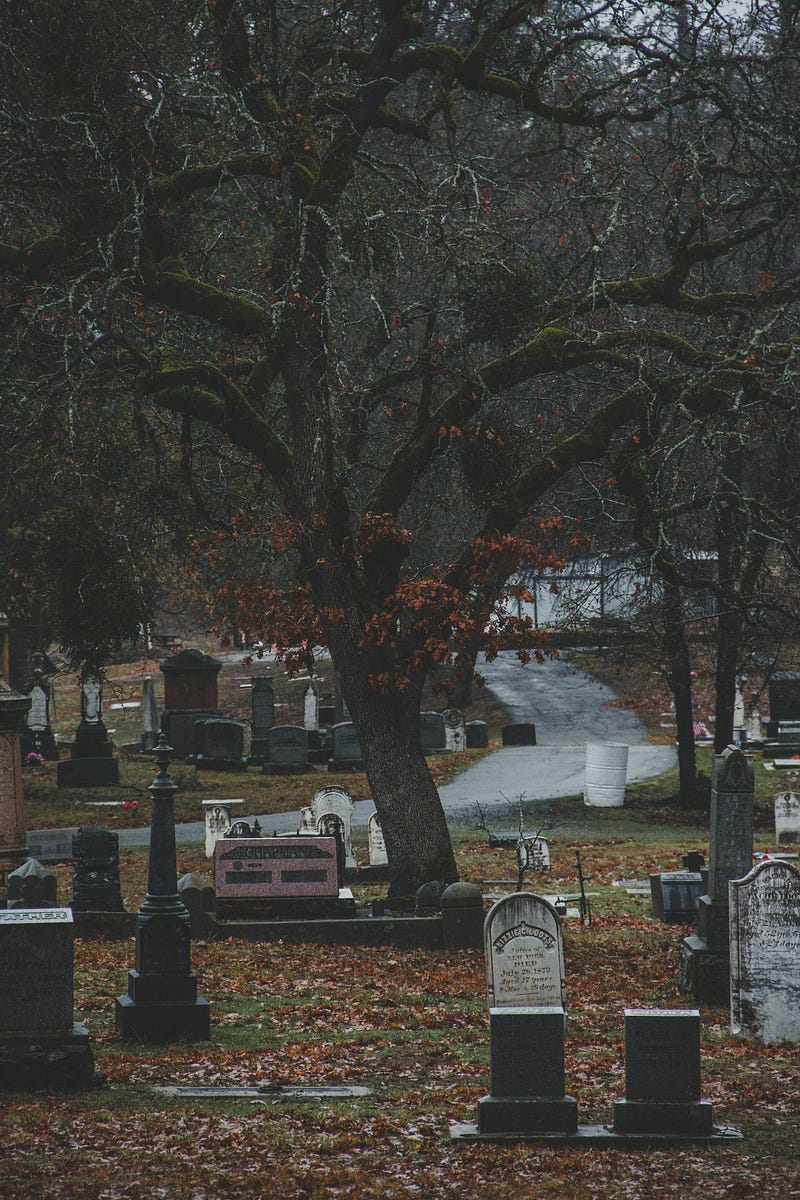
Photo by Zach Lezniewicz on Unsplash

From the very beginning of human civilization, we were fascinated by the concept of immortality and how to extend our lives beyond normal limits. Modern science and technology offer a glimpse into a future where death is not inevitable.

In this story, we will look at cutting-edge research and new technologies that aim to prolong human life and even sustain humans. We will also look at philosophical, ethical, and practical issues arising from the prospect of a significant increase in life expectancy or uncertain life expectancy.

Photo by Jon Butterworth on Unsplash

To defeat the disease of aging

Many scientists believe that the first step in fundamentally extending human life expectancy is the treatment and prevention of diseases that are the main causes of aging and death.

These include neurodegenerative diseases such as cardiovascular diseases, cancer, diabetes, and Alzheimer’s.

Photo by Sandy Millar on Unsplash

Researchers are making progress in understanding the underlying biological mechanisms of aging.

For example, the shortening of telomeres, the protective caps at the ends of DNA strands, is thought to cause aging at the cellular level. Scientists are investigating whether telomeric expansion could promote longevity.

Other targeted therapies hope to eliminate the aging “zombie cells” that lose function but remain in older tissues.

Photo by Bruno Aguirre on Unsplash

The powerful diagnostic tools of genetics and artificial intelligence promise early detection and prevention before the disease goes too far. Precision drugs can one day be used to apply a cure to a unique human genome. Gene editing techniques are also being studied to potentially cure disease or reverse age-related mutations.

Simulation of longevity in nature

In addition to disease control, researchers are studying natural species that exhibit rare traits such as mild aging or extreme longevity.

Turtles, for example, can live for more than 150 years without signs of physical deterioration. Scientists are studying biological mechanisms that allow these animals to remain functional for a long time and regenerate tissues.

Photo by Aron Visuals on Unsplash

Results from species that have been magnified over a long lifetime can help develop treatments that mimic these natural mechanisms. For example, hypoxic regulation limits oxygen loading by allowing the body to enter survival mode.

Studies have shown that this can stimulate tissue regeneration and increase the life expectancy of mice. The inclusion of so-called “survival genes” in humans through interventions such as fasting or medicines can have similar benefits.

Promise and risk of life extension

A fundamental extension of a person’s health period (the time he or she spends a good health period) can lead to many social benefits. Living longer, healthier, and with your loved ones is a valuable wish for many.

Delaying or preventing diseases in old age can also reduce healthcare costs and lead to economic savings. Longevity provides a more productive and experienced workforce, allowing people to pursue more ambitious projects or goals.

Photo by Steven Roussel on Unsplash

However, a dramatic increase in life expectancy leads to many ethical challenges. There are concerns that only wealthy individuals will have access to potentially expensive opportunities to extend their lives, exacerbating existing inequalities.

Longer life expectancy could put a strain on social safety nets, pension systems, and the health system if not properly planned. We may also need to rethink traditional life stages and careers based on short lives.

Photo by GR Stocks on Unsplash

There are also philosophical questions surrounding the idea of immortality. Will infinite life expectancy make our lives less meaningful if it is not limited by the final mortality rate? Or could immortality allow us to leave a greater legacy?

Some fear that aging and death are inevitable aspects of undisturbed human disease. Others argue that it should be a moral duty to end suffering from a debilitating illness in old age.

“Follow me on LinkedIn, facebook, Youtube, Twitter, and Instagram.”

I hope you’ll find this story “Interesting and Surprising”. Subscribe to my newsletter for such interesting and lovely poems and stories.

You may also like:

Happy Learning. 😊😇

Life
Technology
Death
Humanity
Thinking
Recommended from ReadMedium