
Tech Career :- It’s All about the Willingness to Learn & Adapt
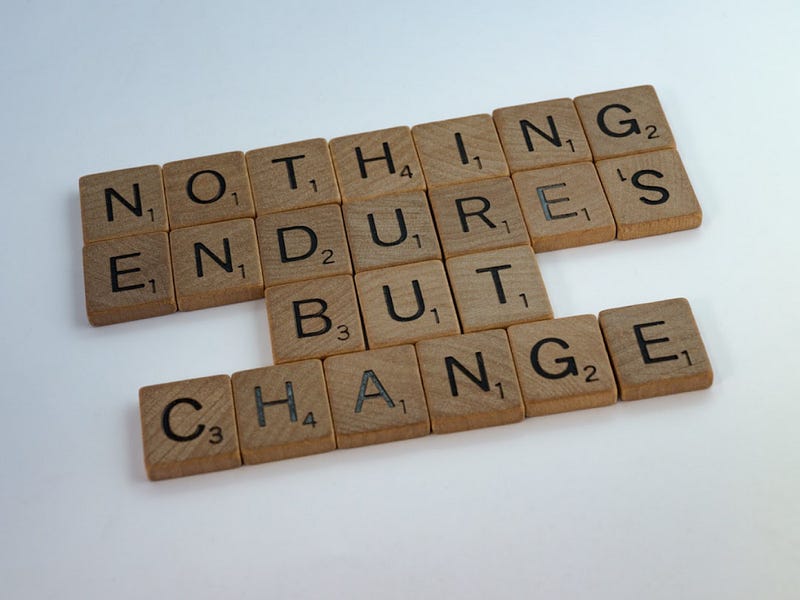
As an early career software developer, I admired the people who seemed to have an in-depth knowledge of the technologies and systems they work at. I worked hard, studied harder. I wanted to become like them some day. Quickly within a year I had an understanding – It wasn’t that these senior folks were a know-it-all. Nobody is. People just learn, grow and adapt as the situation demands. Some of us adapt much quicker than the others, giving us a head start.
Taking a Step Back
As I started to become more experienced, I knew what mattered was that how willing you were to learn new skills – whether technological or soft skills. Both play an important role.
If you are a really strong technical engineer who likes going in-depth and working out solutions – It’s an asset. But that doesn’t help when you encounter a high severity issue today and you want it resolved within a day. What matters then is how well you respond in the pressure situations – delegating, looping in the people who are the experts and taking a step back. You need not always be the expert, you can learn from someone else along the way while also ensuring that the deadlines are met and features are rolled out on time.
Letting Others Be Right
Similarly, it is of utmost importance at times to admit to yourself that you are wrong, and that someone else’s idea is better and has better scalability, reliability and user experience considerations than yours. This means you must learn some of the chapters from the other person’s playbook on how they are approaching things. You need not always be right. As long as you are involving the right folks to provide you feedback on your design choices, and the end product is able to possess the right features it is great! And ofcourse you need to learn and adopt the strategies next time.
Ability to Tackle Bugs
So your manager entrusted you with a new and critical feature. You completed the implementation and sent it for testing. But no, that is not the end of it, making sure all test cases are covered by automated test suites and manual testers is also your responsibility. Priotitizing, consulting product managers and UX designers for inputs on the bugs. Making the stakeholders aware of technical complexities surrouding some of them is all your responsibility. Figuring out midway paths between user experiences and engineering feasibility to ensure that the project moves forward and fixing all the prioritized issues is all in your kitty.
Releases & Maintenance
So you completed the bug fixing cycle. What is next? Is your job done? No, it isn’t. As a Senior Engineer your job on a project is never done. You now need to take the project to completion, ensure it gets launched to the end users without any hiccups. How do we do this? Discuss with all stakeholders, get all approvals be it legal, UX, Product and ensure the project meets the quality bar required for a production launch. If stakeholders raise concerns, evaluate them thoughtfully, sit with them and figure out a mitigation plan.
Now the project/feature is launched, users start using it. They then come across bugs or file new enhancement requests. The next step is to prioritize them along with the product and UX inputs and fix them.
Giving others an opportunity to Grow.
Every aspect is important, it is very important to grow a team and help them learn what you have learnt. So, allowing junior members to take the lead and handle the situations above is a part of our own growth. The satisfaction to see some of your own team members come out with flying colors handling the situations is awesome and cherishable. At times they will falter, and you will need to hold their hands and help them stabilize. This doesn’t mean that you involve yourself so deeply that you take the credit away from them. It just means you slightly nudge them towards the right direction and then let them take the path you showed. Sometimes slightly more than a nudge would be required. At that point its on you to decide whether you want your stay in the sidelines or if you want to overstep. Either way, the project is the first priority.