
Teaching Self Improvement Makes You Feel like a Butt-Naked Weirdo
Am I nothing but a stupid guru?
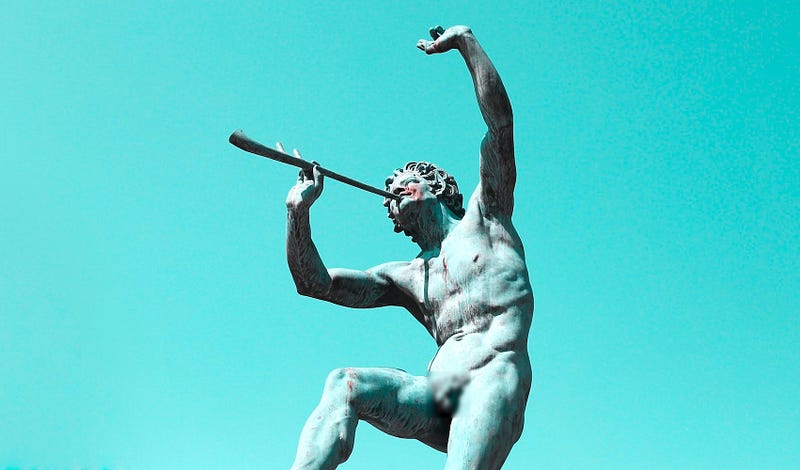
Writing about self-improvement makes me feel like I need a shower.
It’s a bizarre field. Sometimes I wonder whether Hollywood will make a movie about this weird time in history where we give each other advice on how to live a better life and improve ourselves.
It’s strange when you zoom out. It’s a little creepy.
Sometimes I have nightmares that I’m Oprah but the complete opposite.
Who am I to teach?
What makes any of us qualified to write about self-help?
What I’ve learned is we all are. Self-help isn’t being some guru or thinking you’re the smartest man/woman in the room.
Self-improvement is about sharing your life experience and extracting the tools and thoughts that help you live better.
Your stories are unique, the lessons are cliche.
All of us have a library of life experiences, therefore, we’re all qualified to speak about self-improvement in our own way. We learn more from real-life experiences than we do from consuming dry facts. Stories have emotion.
Emotion is how lessons stick to your gorgeous brain without you realizing it.
There’s no one way to live. Steal tools and ideas from everyone.
Hasn’t it all been said before?
A lot of the self-help genre is full of platitudes. You’ve heard them a billion times. It’s not about saying anything new.
It’s about adding nuances. We know we need to exercise every day and eat healthy. Yet it’s too easy not to.
When you listen to a story about a health transformation things are different — especially if the story comes from a person similar to you.
That’s what I’ve managed to do with some of my writing. Many readers can relate to what it’s like to want to quit a job or battle mental illness.
So when I say something cliche like “your net-worth equals your network” it rubs the reader up differently. This opportunity extends beyond my work.
Why can’t you become that familiar person for another type of reader?
Hint: You can.
Other self-improvement creators feel the same
Feeling like a butt-naked weirdo writing about self-improvement is something other creators such as Sean Kernan and Ayodeji Awosika have experienced.
It’s a weird genre. Even politicians use a bit of self-improvement these days to get their messages to gel better.
The fact self-improvement feels so weird is because it takes vulnerability to do it well. You have to be willing to put yourself out there and share those stories from your life that randomly make you want to delete them at 3 am.
Just because it feels uncomfortable, doesn’t make it bad.
Discomfort is where the real truth is found. Writing self-improvement helps unlock your own truth while assisting the reader in finding theirs.
Double whammy!
It can feel like a cult/religion
Continuous improvement. 1% better each day. Flow states. Masterminds. Networking groups.
From the outside, I could see how self-help looks like a cult. Go to a Tony Robbins event and the idea of a cult isn’t that far from the truth.
None of it is a cult though.
Self-improvement is addictive because it works. When you make progress your happiness increases. So if self-improvement is the source of that progress then you’ll go running back for more. Makes sense.
Everything is a cult these days. Social media influencers are cult leaders. Brands such as Apple turn customers into a cult with fierce loyalty. Your political beliefs are cultish.
I accidentally even joined the vaxxer cult and preached the brilliance of Pfizer to randos on the street.
“Go there for a jab, jab, jab. Life gets better when you can breathe without a bat virus stuck in your throat.”
A cult is just a strong belief in a strategy that works. Self-help improves lives.
What about the bad self-improvement advice?
Self-improvement comes from people’s experiences.
Not all solutions will be right for you. This is the biggest criticism of self-improvement — but it’s a dumb one.
You don’t have to use all advice. The point of self-improvement is to experiment and try stuff. Borrow tips from different people. Customize a technique so it works for you. Dismiss whatever you want.
No one is forcing you to get into a flow state or practice incantations in the mirror until your mother thinks you’re possessed by the devil.
You do you.
Make this your goal
If you want to dabble in the self-improvement world like I do, then try this mindset. Don’t worry about being right or getting everyone to agree with your philosophies.
Just have a goal to make people think.
If we think, then even if we ignore you, our lives are better off.
Final Thought
Self-improvement is the dumbest label on Earth. Labels limit humanity and try to take complex topics and put them into simple containers.
Self-improvement is just learning.
If learning is evil then the world has bigger problems than self-help.
It’s okay to want to become a better person than you were a year ago. Traditional self-improvement, no matter how taboo it is, can help you do it.
Join my email list with 50K+ people for more helpful insights.


