
Tea: Expectation versus Reality
Tea is the most popular beverage drink in the world next to water.
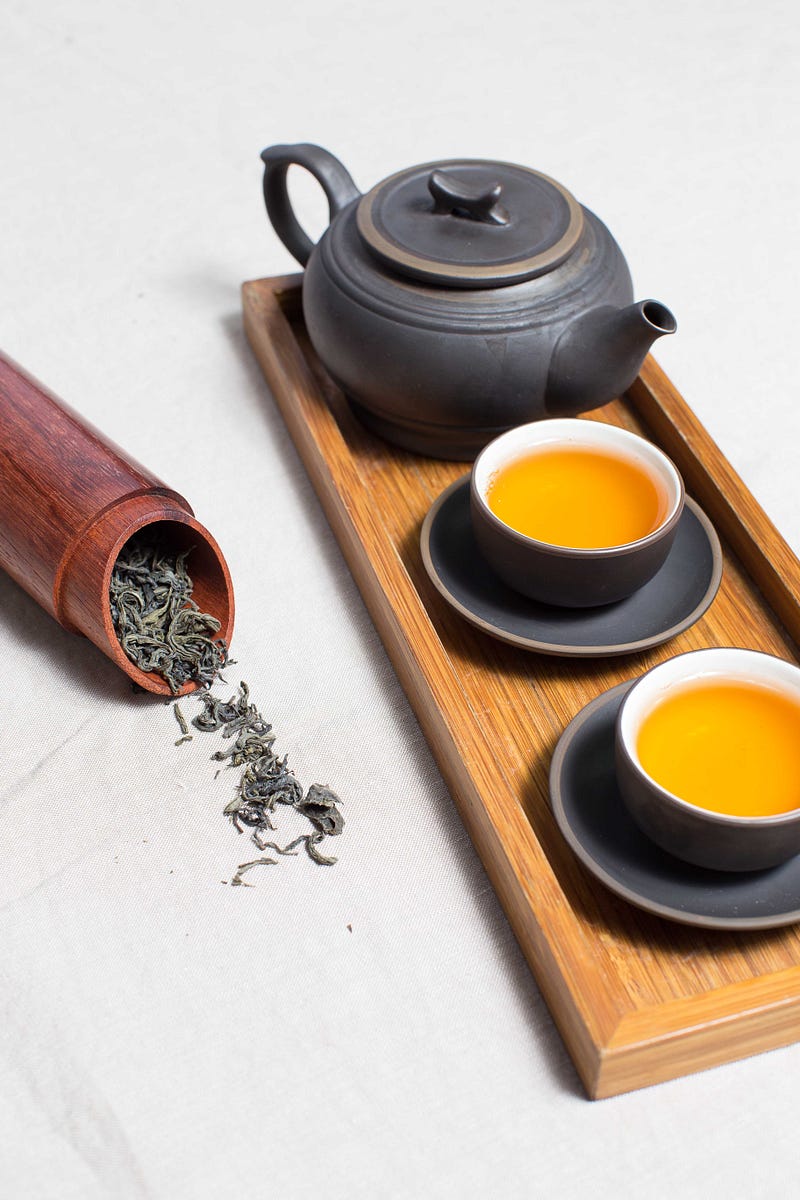
The United Kingdom is known to be a nation of tea drinkers, usually black tea, and people often laugh at their teeth coloured from too much tannin in tea. Tannin is a chemical compound found in most plant and are responsible for the discolouration of utensils, as well as in teeth. That was before the teeth whitening procedure anyway.
I am not sure whether The UK, actually drinks more tea than The Chinese, although I know the Chinese drink more green and other herbal infusions, and less of the black tea variety.
The History Of Tea
- Legend said tea was accidentally discovered in 2737 BC when the servant of Chinese Emperor, Shen Nung was boiling drinking water under a tree of Camellia Sinensis. It happened that one of the leaves dropped inside the boiling water, and the result is now an enjoyable beverage we now call tea.
Types of Teas Available
- There are seven main speciality types of tea, Black, Green, White, Yellow, Oolong, Herbal (has many variations), and Fermented tea.
- All teas are from the main source, Camillia Sinensis tree, a type of shrub native to East Asia, but now cultivated virtually all over the world to make tea easily available to virtually everyone, irrespective of where they live.
The variation in the type of tea depends on how teas are picked or harvested and processed at different stages of oxidation. The oxidation process is where the leaves are exposed to moist oxygen-rich air in a controlled condition.
- People generally use the term ‘’tea’’ for various types of plant infusion, like the corn silk, bitter leaves, mint leaves, hibiscus flower and others too numerous to mention. People all over the world do experiment with edible leaves and flowers native to them and call them tea.
- Tea contains loads of polyphenols, especially catechins and epicatechin. Polyphenols help regulate blood sugar glucose level. Processing destroys the polyphenols in tea, so green and white tea which is the least processed contains more polyphenols than black tea (the most processed).
- Tea also contains flavonoid which helps against free radicals in preventing clogged arteries, cancer and heart diseases.
- Tea has caffeine and theanine, which is good for the brain by heightening mental alertness. These two molecules work in direct opposition to each other. Caffeine stimulates while theanine calms.
Theanine is a water-soluble amino acid found in tea leaves and has a relaxation effect on the central nervous system.
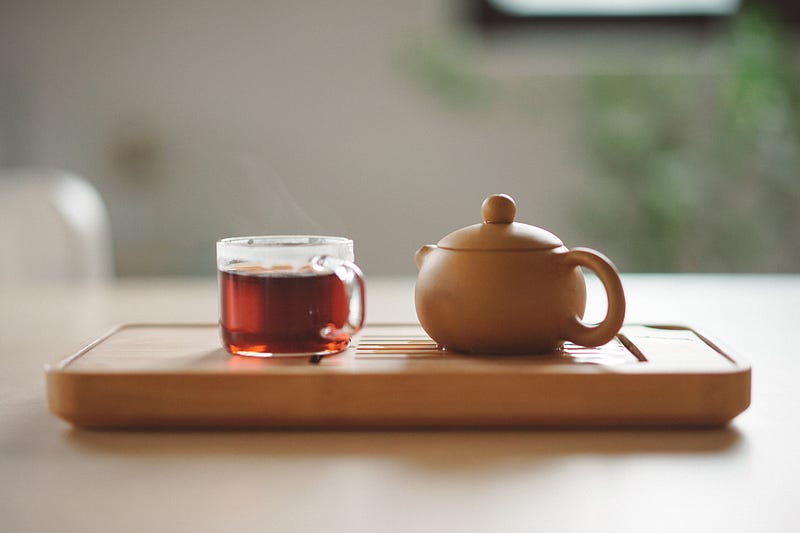
The most desirable health benefits are from Green and White Tea.
Black Tea
- is the most oxidised tea and also the most popular tea. It is gone through long processing to give it the rich dark flavour. It is usual to name black tea from the region in which it is grown and processed, like the Assam tea from India. Some black teas are blended to give a special taste. A popular example in the UK is Earl Grey tea, a black tea with added Bergamot oil.
Green Tea
- is dried and rolled after harvesting, and undergone minimal oxidation process, to give it the light delicate taste. It is deemed to be the most beneficial of all the teas after white tea because of its antioxidants properties. The most common green tea in Western countries is Jasmine, which has been scented with Jasmine flowers.
Oolong Tea
- varies in oxidation processes between black and green tea. The rolling and oxidation processes are done up to five times intermittently to reach perfection before gentle heat is applied to slow down enzyme action. So the taste and purity in Oolong tea vary greatly with how it is processed.
Fermented Tea
- is where the already processed tea leaves are further fermented to give it rich dark, flavour. The fermentation can take days, months or years, and the length will affect the taste and price. It is generally believed that the longer the leaves age, the better in health benefits. A good example is a Pu-erh tea popular in East Asia.
Yellow Tea
- is popular in the East, where the oxidation process stops when the tea leaves give a distinct yellow look.
White Tea
- is usually made from the young tea plants, harvested just before the buds open up. It then dried and left to naturally withered. This ensures minimal processing. White tea is the most form of natural tea, where all the antioxidant is preserved.
Herbal Teas
- are not really tea in the real sense, as they are not from Camillia Sinensis tree, but are infusions of various plants and flowers that people steep and enjoy as beverages. A good example is mint tea steep from mint leaves.
Adverse Effects Of Tea
- As in everything else, there are some risks associated with drinking tea, from taking too much to mixing with other ingredients.
- The side effect is usually from the caffeine in the tea and the individual tolerance level to caffeine. Risks include increased urination, irregular heartbeat, nervousness, sleeplessness, restlessness to a mild headache. All these are the effect of caffeine addiction in the body.
- The major risk in drinking tea is malabsorption of some vitamins and minerals, especially iron. It is believed the tannin in tea can bind to iron, making it difficult for the iron to be absorbed in the body.


