Summary
The web content presents a tanka poem titled "Left Alone," reflecting on the solitude of a person's final moments in contrast to a life previously filled with love.
Abstract
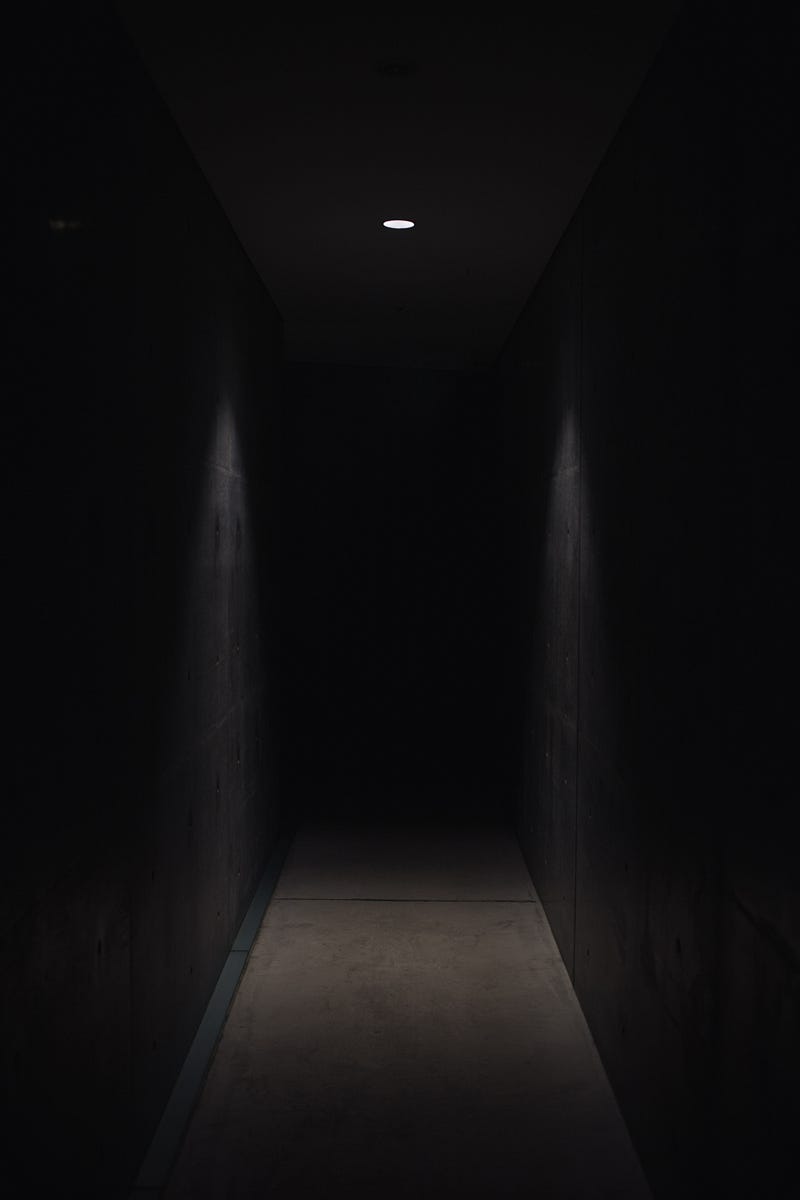
The article features a poignant tanka poem that contemplates the stark contrast between a life once surrounded by loved ones and the stark isolation experienced at the moment of death. The poem, accompanied by a fitting photograph, describes a deathbed scene where the only sounds are the echoes of the dying person's coughs against the backdrop of lifeless "stones and bricks." This setting underscores the "fatal twist" of existence, as the individual faces the end without the comforting presence of those they cherished, leaving a sense of incompleteness and lack of closure. The poem's structure adheres to the traditional Japanese tanka form, with five lines and a syllable pattern of 5–7–5–7–7.
Opinions
- The poem conveys a sense of tragic irony in the juxtaposition of a life filled with love and a death experienced in solitude.
- The author likely believes that the absence of loved ones at the end of life can profoundly affect one's sense of peace and closure.
- The use of the tanka form suggests a deliberate choice to express complex emotions within a concise and structured format, highlighting the precision and depth of the theme.
- The accompanying image by Charles Deluvio is chosen to visually echo the poem's themes of isolation and the starkness of mortality.