avatarOliver Ding

Summary

The website content introduces several typologies developed by an information architect for various applications, including activity systems, project engagement, knowledge categorization, interpersonal interactions, and attachments.

Abstract

The article titled "#TalkThree 18: Typology, Typology, and Typology" discusses the importance of typology as an intermediary knowledge tool that bridges theoretical research with practical domain applications. The author, an information architect, shares their recent work on creating typologies to curate data, design information structures for websites and apps, and facilitate learning. Over the past few weeks, the author has developed new typologies such as "A Typology of Activity," "A Typology of Project Engagement," "A Typology of Knowing," "A Typology of Interpersonal Interactions," and "A Typology of Attachments," with some being identified as quasi-typologies. Each typology is accompanied by diagrams and detailed explanations, and they are linked to further reading on the author's projects and frameworks, such as the Anticipatory Activity System, the Developmental Project Model, the "Flow — Story — Model" metaphor, the ARCH framework, and the Attachance Framework.

Opinions

  • The author considers typology as a crucial intermediate knowledge for connecting theoretical research and practical domain work.
  • Typologies are used by the author to curate data and information, as well as to design the structure of websites and apps.
  • The author views typologies as tools for learning new knowledge and has collected various typologies for this purpose.
  • Some of the typologies presented are considered by the author to be quasi-typologies, indicating they may not fully conform to the conventional understanding of typologies.
  • The author has a personal interest in typologies, as evidenced by their active development and application in their work.
  • The article suggests that the author's typologies are dynamic, with the potential to evolve into more comprehensive models, such as the "Flow — Story — Model" metaphor being proposed as a new model of the mind or cognition.
  • The author values visual representation in their typologies, as shown by the inclusion of diagrams for each typology discussed.
  • The author encourages further exploration of the presented typologies by providing links to additional resources and detailed explanations.

#TalkThree 18: Typology, Typology, and Typology

Typology is a typical knowledge container

Photo by Kelly Sikkema on Unsplash

Typology is a typical knowledge container in many fields. Typology is a great tool for learning and using theories. We can consider typology as a type of intermediate knowledge for connecting theoretical research and domain practice. As an information architect, I create typologies for curating data and information and designing websites and app structures. I also collect typologies for learning new knowledge.

In the past several weeks, I developed sereval new typologies:

  • A Typology of Activity (Nov 4, 2022)
  • A Typology of Project Engagement (Nov 3, 2022)
  • A Typology of Knowing (Oct 28, 2022)
  • A Typology of Interpersonal Interactions (Oct 1, 2022)
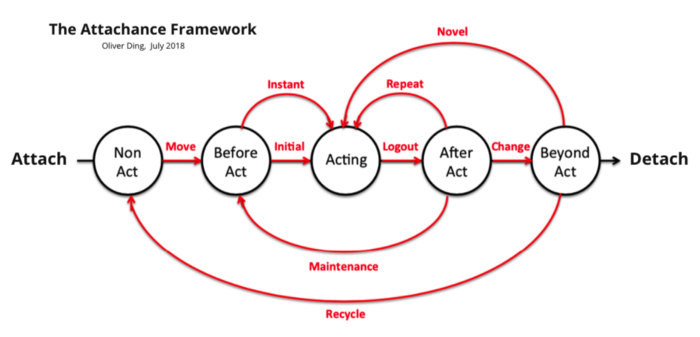
  • A Typology of Attachances (Sept 9, 2022)

In fact, some of the above typologies are quasi-typologies.

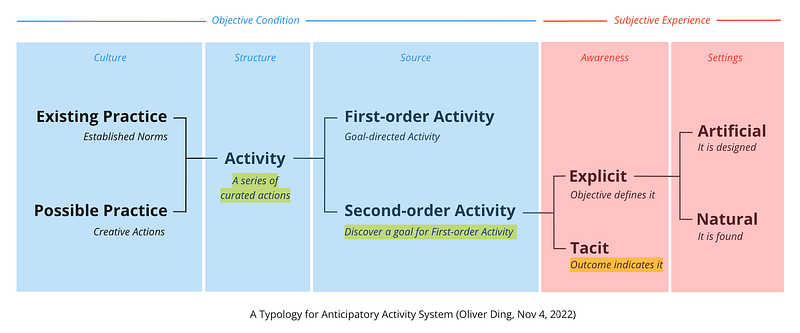
A Typology for Anticipatory Activity System

  • Nov 4, 2022

The above diagram is a new typology of Activity. It was developed for the Anticipatory Activity System project.

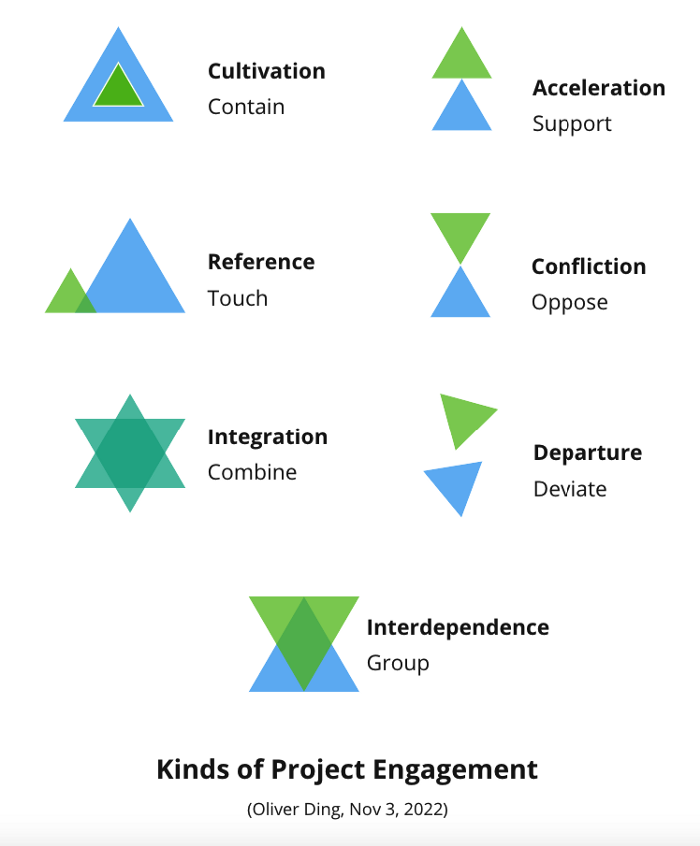
A Typology of Project Engagement

  • Nov 3, 2022

The above diagram expands the Developmental Project Model from one diagram into a diagram network. You can find more details in Kinds of Project Engagement.

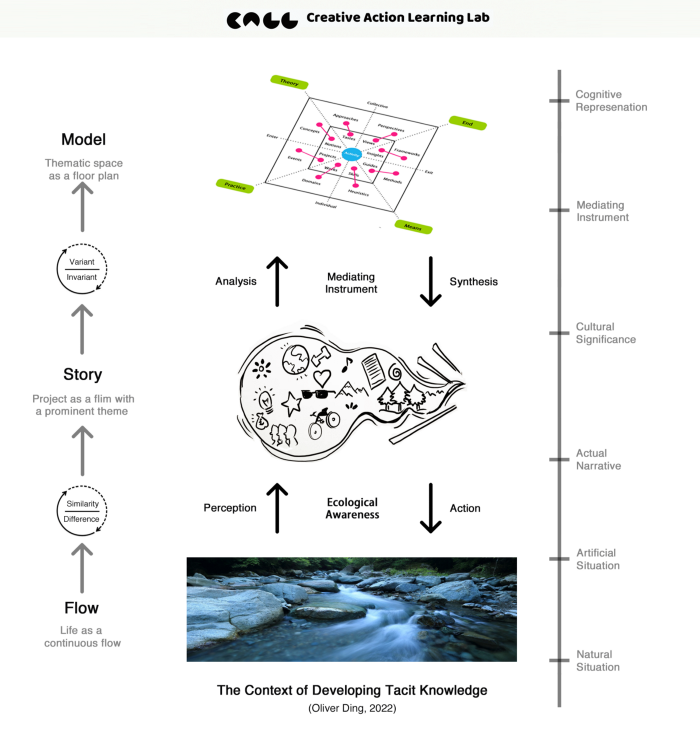
A Typology of Knowing

  • Oct 28, 2022

The above diagram is the “Flow — Story — Model” metaphor. Though the original title is called the Context of Developing Tacit Knowledge, I think it should be my new model of the mind or cognition.

Based on the diagram, I developed a typology of Knowing. For example, Ecological Awareness.
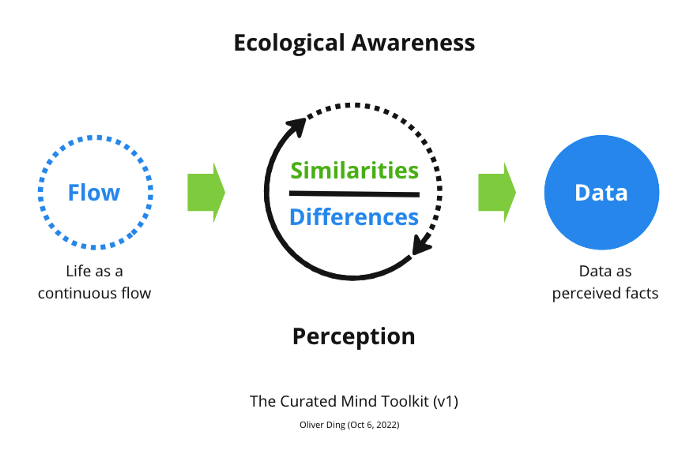
You can find more in The Curated Mind Toolkit (v1.0).

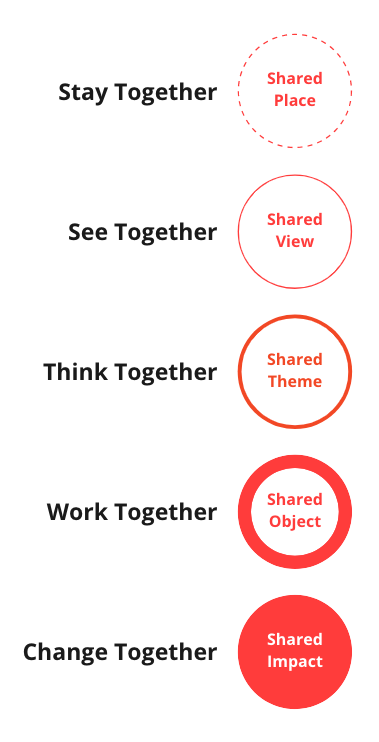
A Typology of Interpersonal Interactions

  • Oct 1, 2022

The above diagram is the basic model of the ARCH framework. You can find more details in ARCH: A Visual Language of Interpersonal Interactions and Collaborative Project Engagement.

A Typology of Attachances

  • Sept 9, 2022

The above diagram is originally called Ecological Transformation. Its original purpose was to develop a framework for reflecting on my work experience in Interaction Design.

Based on the above model, I identified 9 types of Attachances. See the red words and red lines.

You can find more details in The Attachance Framework (2018) and Thematic Engagement.

Typology
Recommended from ReadMedium