Talking Down to People Won’t Convince Them
How elitism cripples the Left
I used to wonder why conservatives and Republicans called middle-class liberals “elites.” They were usually referring to academics and entertainers, maybe Hollywood celebs, not to people with real power. If professors and actors are ‘elite,’ what do you call billionaires and heads of corporations who actually run the world?
Well, last month, I learned firsthand where conservatives’ anger at the people they call elites comes from. I found myself on the incorrect side of a wedge issue, and I got slammed by my online friends in just the ways I’ve seen liberals and “progressives” slam white Trump supporters. Now I can see one reason the Left/Right divide keeps widening, even while the 0.1% sink the rest of us into poverty together.
It happened when I expressed skepticism about the shutdowns imposed in the name of stopping the spread of COVID-19. I’m on a leftist public health listserv, a googlegroup with about 2,500 doctors, public health officials, and educators. A few colleagues and I questioned whether a large-scale quarantine of healthy people was really the best approach.
I won’t debate the issues here; you might be on either side of this argument, and that’s OK. The point is how the group reacted.
Insulting and shaming
Some people agreed with our questions, but most commenters smeared us. Our views were called racist. We were called privileged, because we could afford to hide out from the virus and others could not. How people knew what we could and could not afford is beyond me, and which side of this debate was the privileged people’s side isn’t clear. But “privileged” is a term thrown around a lot by progressives to discredit opposing views.
We were called ignorant, because to believe as we did, we must not know the facts. We were called science deniers.
Some called us conspiracy theorists, if we thought that the public health response was being manipulated to enrich the 1%. We were paranoid if we thought the lockdown might be engineered to strengthen the surveillance state.
The nasty language, the sense of superiority, the insulting tone sounded familiar. It reminded me of the comments I see all the time from progressive friends about conservatives, Trump supporters, and less-educated white people. They are dismissed in just these ways: racist, stupid, privileged, science-denier. People who question government or corporate media narratives are paranoid conspiracy theorists.
It does not feel good to be on the receiving end of that language. The people doing the insulting clearly think they are smarter or better-informed than those they criticize. This is where the charges of elitism come from.
How the Left became elite
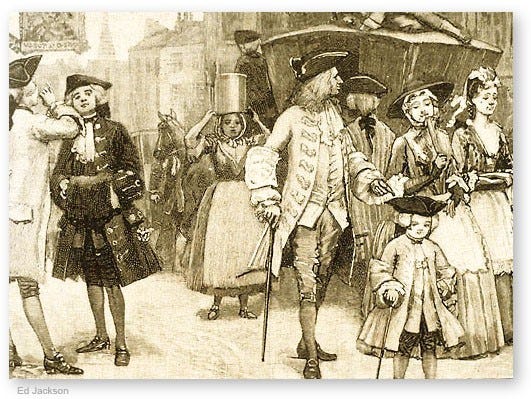
If I had known more history, I wouldn’t have been surprised by this cultural turn. According to historian Patrick Brantlinger, the term “elite” has long meant educated, cultured people, and not necessarily the rich and powerful. For centuries, educated people have considered themselves the elite who needed to teach the ignorant masses what to think. Of course, many of these elites came from the wealthy classes, but not all.
Then, in the 20th century, with the rise of mass media and broadcast news, everyone had access to information, at least to the narratives approved by the 1%. Educated people were no longer seen as the source of all knowledge.
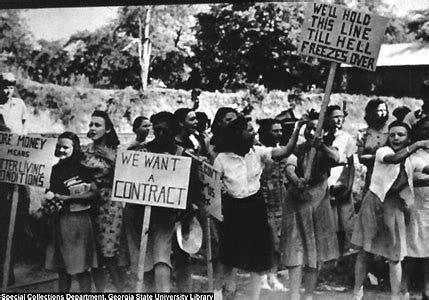
For 150 years, the Left had come from the working class, and most Leftists were not well-educated. After World War II, newly-prosperous American workers — at least many of the white ones — moved Right, becoming conservative suburban patriots.
Meanwhile, America’s wealth allowed much of the middle class to go to college and learn to talk the elite’s language. They also learned the Leftist ideas much of the world took for granted, but which much of the American working class had abandoned. Leftist movements became more middle-class, more centered on college campuses, more elite.
And now we have social media, where all ideas are created equal. Information true and false can be shared with a click. So, it’s become easy for billionaires to play on people’s natural distrust of others. They can easily whip up hatred just by telling different groups different stories, as they do on CNN, Fox, MSNBC, and other corporate media every day.
While people are sure that others’ media lies, they tend to believe their own preferred sources are telling the truth. We are literally living in different worlds depending on our information source.
More concerned with racism than health
Unfortunately, the Left consistently plays into those tactics of division. From the beginning of the pandemic, I had noticed the majority of the COVID posts on my listserv. Very few were about health measures people, agencies, or governments could take. Very few posts advocated for public health’s getting more involved in the economic relief side of the crisis.
Instead, they were demanding more detailed case information on who was getting COVID and who was dying from it, with more complete statistics on race. While accurate information is good, how will this particular information help us deal with a massive social and public health crisis now?
We already know Black, Native American, and Latino people have worse health outcomes, and we know why. Worse living and working conditions, more stress, less access to good food, and worse medical care will do that to you. It’s the same with COVID-19 as it is with diabetes, the subject of my book and this article. Why is proving these disparities again such a priority?
As the late, great, Bruce Dixon of Black Agenda Report wrote, the oppressive conditions that Black Americans suffer the most are also suffered by most working-class people to varying degrees. If we united, we could change things. That is why our rulers depend on dividing people to continue their rule.
As Krystal Ball, host of the show Rising, on TheHill.com says, “The media makes money turning us against each other.” So why are we helping them? Is it so we feel smarter or more virtuous?
The Right is not better, just different
It’s not as if the Right communicate better or are less divisive. Far from it; they’re equally insulting, just not as patronizing. They call people “libtards”; they call anyone to the left of Mitch McConnell a communist. Some of them routinely threaten violence.
We need to stop the insulting and dismissing of other views and learn to treat others with respect. Stop calling them stupid or privileged for having a different view of the world. Maybe then, we can realize how we’re all being played, and take some power back from the true elites.
— — — — — — — — — — — — — — — — — — — — — — -
Thanks for reading! Follow me on Twitter, on Facebook, or my blog The Inn by the Healing Path.