avatarJewel Allen

Free AI web copilot to create summaries, insights and extended knowledge, download it at here

3026

Abstract

of a Gentoo penguin mom and chick at Port Lockroy, where the popular Penguin Post Office is located.</figcaption></figure><p id="f648">In all, I took 1,199 photos with all my camera equipment, along with several videos with the GoPro. My iPhone 13 Pro was the leader at 928 photos, while I took 271 with my Sony Zv-E10 mirrorless.</p><p id="8f31">The reason for the dramatic difference between the iPhone and the Sony photo numbers was <i>convenience</i>. Even with its smaller size and lesser weight than DSLR cameras, the Sony wasn’t as easy to whip out, especially since my iPhone could already take great photos.</p><p id="dd50">Additionally, Antarctica’s scenery begs for landscape shots and the 70 mm just didn’t afford me as much flexibility. If I didn’t have my iPhone I would have been wishing for a lens like my husband’s, an 18–400. Though I would have liked it in the more compact mirrorless style.</p><p id="ddc0">I ended up taking a lot of my landscape shots and even wildlife shots (see the leopard seal above) with my iPhone 13 Pro and took mainly wildlife ones with my Sony. The mirrorless camera excelled in shots with that nice creamy bokeh blur in the background.</p><figure id="5fa0"><img src="https://cdn-images-1.readmedium.com/v2/resize:fit:800/1*kamv_QzbC_IWQMqXogWZ-A.jpeg"><figcaption>Image of a Patagonian Yellow Finch taken by the Author at Tierra del Fuego National Park in Ushuaia, Argentina, before embarking on the Antarctic cruise. This photo exemplifies the capability of the Sony ZV-E10 in taking good wildlife shots using the auto background blur mode.</figcaption></figure><figure id="fded"><img src="https://cdn-images-1.readmedium.com/v2/resize:fit:800/1*CO_Y9rz9f9SXqYVcxzcwGg.jpeg"><figcaption>Image of a fur seal taken by the Author with the Sony ZV-E10.</figcaption></figure><p id="9a38">I stopped using the waterproof camera after a dozen shots as they weren’t as crisp as I liked. Besides, I could only manage handling my phone and Sony camera, realistically speaking, since I am not an octopus.</p><p id="7b76">Sure, the GoPro was nice to have. I used it in the water for the Polar Plunge and a few Zodiac rides, but frankly? It’s a bit of an overkill. Especially since I could take great video footage with my phone.</p><p id="af21">Also, here’s the thing. Your photos are only as good as your creativity and luck. We had been watching humpback whales for some time from the ship deck, and whaddayaknow, in a split second, one of them breached right under my nose, their massive bulk soaring out of the water in an arc and back in.</p><p id="078c">Just as I had turned off my phone camera from video recording.</p><p id="c2c3">Yes, believe me, it made me heartsick. But now, weeks later, I think I’m finally getting over it.</p><p id="98e7">Lastly, I was glad I brought my monopod walking stick. I used it once for the Sony, but it came in most handy as an actual walking stick as we hiked on slick switchback trails to the penguin rookeries.</p><h2 id="4328">How I kept my came

Options

ras protected</h2><p id="d489">Throughout the trip, the crew emphasized that on all our Zodiac outings, we needed to be prepared for all sorts of weather. During Antarctica’s summer (October to March), it could be sunny one moment, and then stormy the next.</p><p id="b3ec">As it happened, we lucked out. The day temperature rarely dipped lower than the 20s, the wind was rare, and it was sunny most of the time. The few times we experienced snow flurries included karaoke night while we were on board the ship.</p><p id="b862">On the first couple of days, I brought a dry bag into the Zodiac for the Sony. After that, I left the bag in my cabin and simply slung the camera around my neck. I kept my phone securely tethered around my neck in a bag/wallet crossbody. The cold / moisture/condensation wasn’t an issue for us in late February to early March.</p><h2 id="b29b">So…is a cell phone camera enough?</h2><figure id="7229"><img src="https://cdn-images-1.readmedium.com/v2/resize:fit:800/1*nfD23VrokHJUCTochPv49g.jpeg"><figcaption>Image of an Adelie penguin looking out to sea, taken by the Author with an iPhone 13 Pro. The iPhone excelled in taking crisp, vivid landscape photos.</figcaption></figure><figure id="eb2c"><img src="https://cdn-images-1.readmedium.com/v2/resize:fit:800/1*_Ki6owieRzlcnkrGFkOzAA.jpeg"><figcaption>Image of a Gentoo penguin with the backdrop of a glacier mountain taken with an iPhone 13 Pro by the Author.</figcaption></figure><p id="0c7f">With today’s advanced cell phone technology, if you choose to not bring a DSLR or mirrorless camera to Antarctica, you should be fine — as long as your phone camera takes crisp pictures and videos. Nothing beats its ease in capturing a landscape, close-up and video sometimes in rapid succession.</p><p id="6e5d">That said, a versatile 18–200 to 300 mm lens on a mirrorless or DSLR camera body, as a side camera or a backup, would be worth taking along. My husband’s Nikon D5200 DSLR, with its 18–400 mm lens, worked great, allowing him to capture a wide range of close-ups and landscapes without having to change out lenses.</p><p id="2c05"><i>Thank you for reading!</i></p><p id="29e6"><i>Check out my book, <a href="https://a.co/d/06wgznf">Antarctica: A Travel Journal</a>, which features my favorite Antarctic photos along with my daily journal entries. Watch my videos on my <a href="https://www.youtube.com/@authorjewelallen/featured">Youtube channel</a>.</i></p><p id="bc3e"><i>Check out my <a href="https://www.amazon.com/stores/Jewel-Allen/author/B00OKUHD9C">novels</a> and my <a href="https://www.amazon.com/stores/Jewel-P.-Allen/author/B08W8DKNXK">quick guides to writing and publishing fast for profit</a>.</i></p><p id="74ab"><i>To get access to UNLIMITED stories from all the amazing Medium writers, you can also consider signing up to become a Medium member. If you sign up using <a href="https://medium.com/@jewelallen/membership">my referral link</a>, I’ll receive a small commission (at no extra cost to you).</i></p></article></body>

Taking Photos in Antarctica

Is a cell phone camera enough?
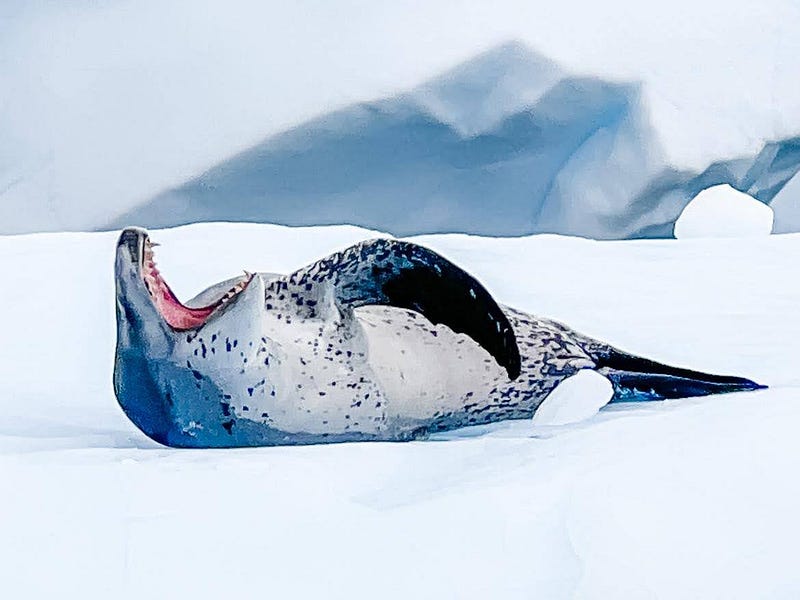
Image of a yawning Leopard Seal taken by the Author on an iPhone 13 Pro.

Almost as important to me that I had the appropriate cold-weather layers for my two-week cruise through Antarctica was bringing sufficient camera gear.

I knew, mainly due to cost, that the trip I took to the White Continent in February of 2023 could very well be my only chance to travel there. I wanted to make sure I could get quality photos.

In a lucky strike of serendipity before the trip, my husband and I lunched with my husband’s friend, Scott, who has been on an Antarctica cruise. I plied him with questions about camera gear.

Did you use a tripod? If you had to choose one lens to bring, what would it be? How did you protect your camera gear in the Zodiac? What camera did your wife bring?

His answers: There was no need to bring a tripod — there simply is no time to set up one more piece of camera gear. A 70–200 mm lens was the most versatile. He put his camera in a dry bag. He also advised that we should keep our cameras in our bags and not take them out right away at the ship, so as to avoid condensation. His wife solely used her iPhone.

What I brought
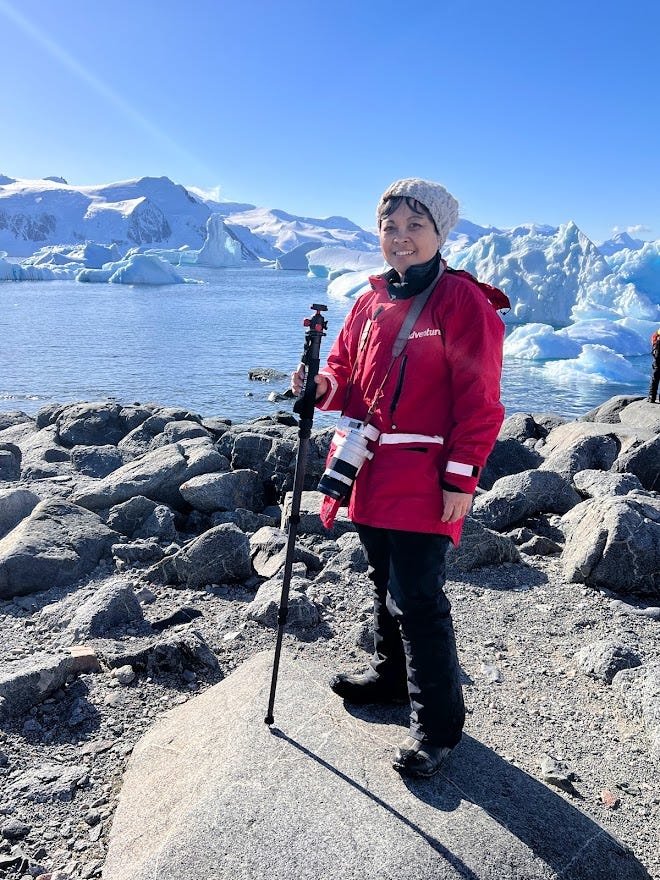
Image, courtesy of Drew Allen, of the Author with her Sony ZV-E10 camera around her neck and monopod walking stick in hand, in the cruise-issued parka.

A few weeks before our conversation with my husband’s friend, I had searched for a new camera to replace my Nikon DSLR whose batteries tended to get stuck in the chamber. I decided to get a white Sony ZV-E10 mirrorless camera and a white (more light gray, really) Sony 70–200 mm lens. I loved how much more compact and light it was, perfect for travel.

I had also gotten a GoPro Hero 11 for our Philippine trip in December and so I brought it along. I figured it would come in handy for the Polar Plunge and tooling around in the Zodiacs.

I brought a little point-and-shoot Nikon waterproof camera, just in case. And of course, I had my cell phone, an iPhone 13 Pro. Finally, although Scott said a tripod was unnecessary, I brought a monopod that could double as a walking stick.

What I actually used
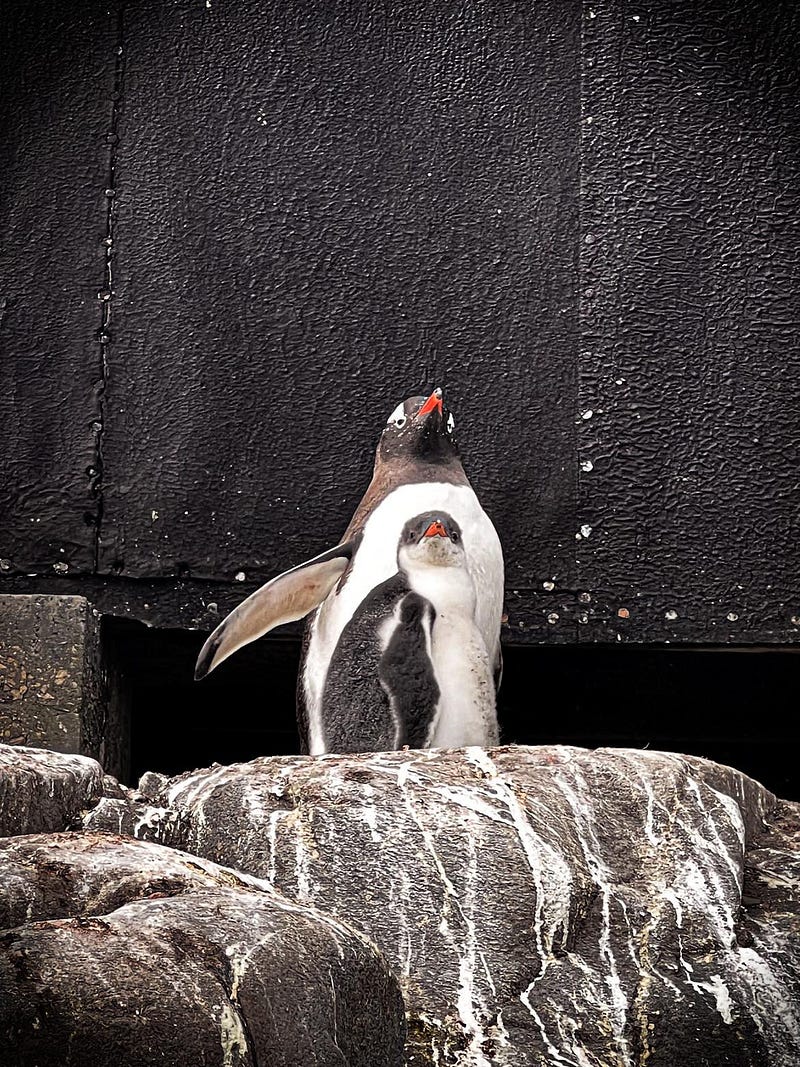
Image taken by the Author with an iPhone 13 Pro of a Gentoo penguin mom and chick at Port Lockroy, where the popular Penguin Post Office is located.

In all, I took 1,199 photos with all my camera equipment, along with several videos with the GoPro. My iPhone 13 Pro was the leader at 928 photos, while I took 271 with my Sony Zv-E10 mirrorless.

The reason for the dramatic difference between the iPhone and the Sony photo numbers was convenience. Even with its smaller size and lesser weight than DSLR cameras, the Sony wasn’t as easy to whip out, especially since my iPhone could already take great photos.

Additionally, Antarctica’s scenery begs for landscape shots and the 70 mm just didn’t afford me as much flexibility. If I didn’t have my iPhone I would have been wishing for a lens like my husband’s, an 18–400. Though I would have liked it in the more compact mirrorless style.

I ended up taking a lot of my landscape shots and even wildlife shots (see the leopard seal above) with my iPhone 13 Pro and took mainly wildlife ones with my Sony. The mirrorless camera excelled in shots with that nice creamy bokeh blur in the background.
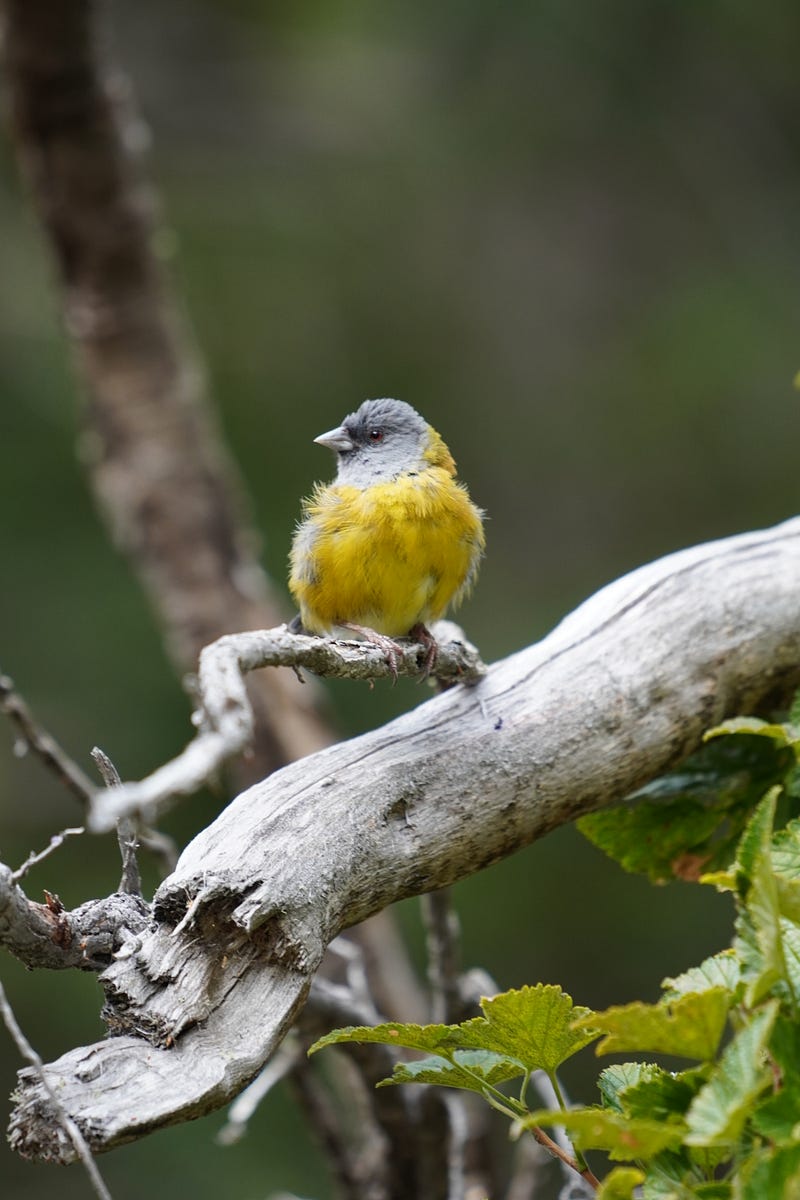
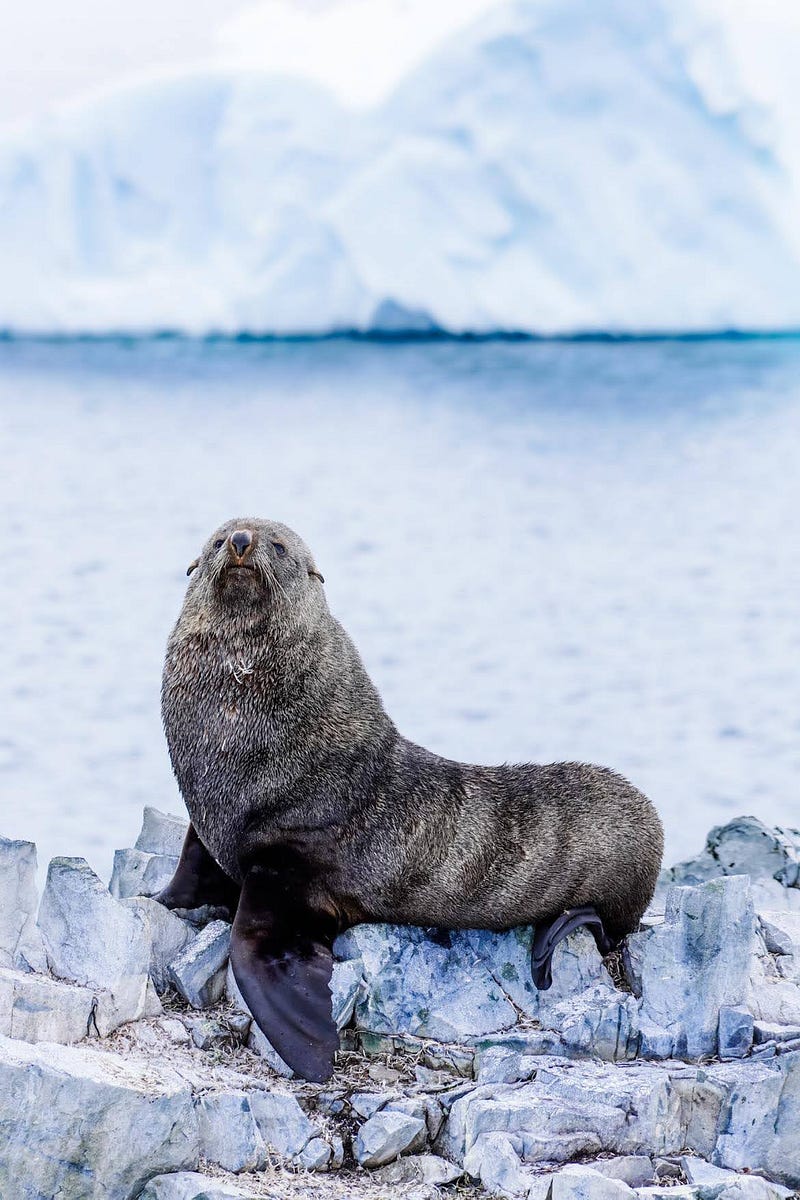
Image of a Patagonian Yellow Finch taken by the Author at Tierra del Fuego National Park in Ushuaia, Argentina, before embarking on the Antarctic cruise. This photo exemplifies the capability of the Sony ZV-E10 in taking good wildlife shots using the auto background blur mode.
Image of a fur seal taken by the Author with the Sony ZV-E10.

I stopped using the waterproof camera after a dozen shots as they weren’t as crisp as I liked. Besides, I could only manage handling my phone and Sony camera, realistically speaking, since I am not an octopus.

Sure, the GoPro was nice to have. I used it in the water for the Polar Plunge and a few Zodiac rides, but frankly? It’s a bit of an overkill. Especially since I could take great video footage with my phone.

Also, here’s the thing. Your photos are only as good as your creativity and luck. We had been watching humpback whales for some time from the ship deck, and whaddayaknow, in a split second, one of them breached right under my nose, their massive bulk soaring out of the water in an arc and back in.

Just as I had turned off my phone camera from video recording.

Yes, believe me, it made me heartsick. But now, weeks later, I think I’m finally getting over it.

Lastly, I was glad I brought my monopod walking stick. I used it once for the Sony, but it came in most handy as an actual walking stick as we hiked on slick switchback trails to the penguin rookeries.

How I kept my cameras protected

Throughout the trip, the crew emphasized that on all our Zodiac outings, we needed to be prepared for all sorts of weather. During Antarctica’s summer (October to March), it could be sunny one moment, and then stormy the next.

As it happened, we lucked out. The day temperature rarely dipped lower than the 20s, the wind was rare, and it was sunny most of the time. The few times we experienced snow flurries included karaoke night while we were on board the ship.

On the first couple of days, I brought a dry bag into the Zodiac for the Sony. After that, I left the bag in my cabin and simply slung the camera around my neck. I kept my phone securely tethered around my neck in a bag/wallet crossbody. The cold / moisture/condensation wasn’t an issue for us in late February to early March.

So…is a cell phone camera enough?
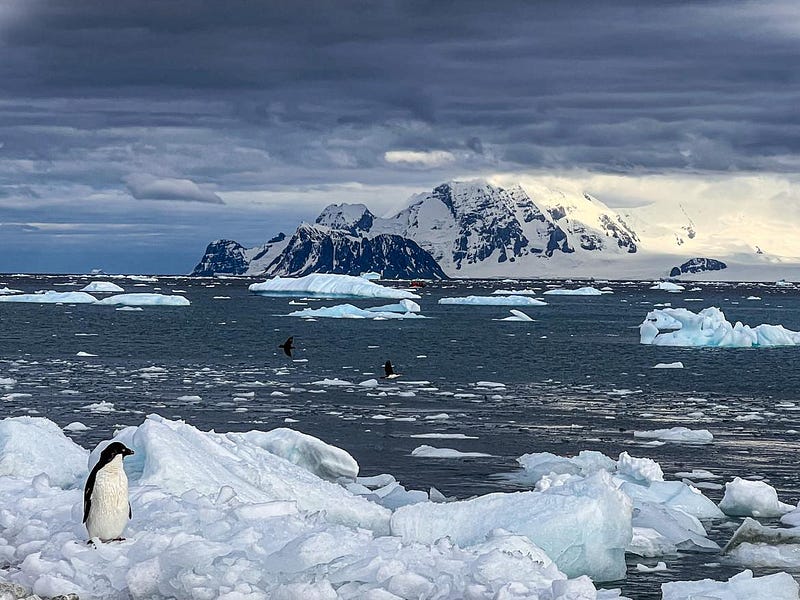
Image of an Adelie penguin looking out to sea, taken by the Author with an iPhone 13 Pro. The iPhone excelled in taking crisp, vivid landscape photos.
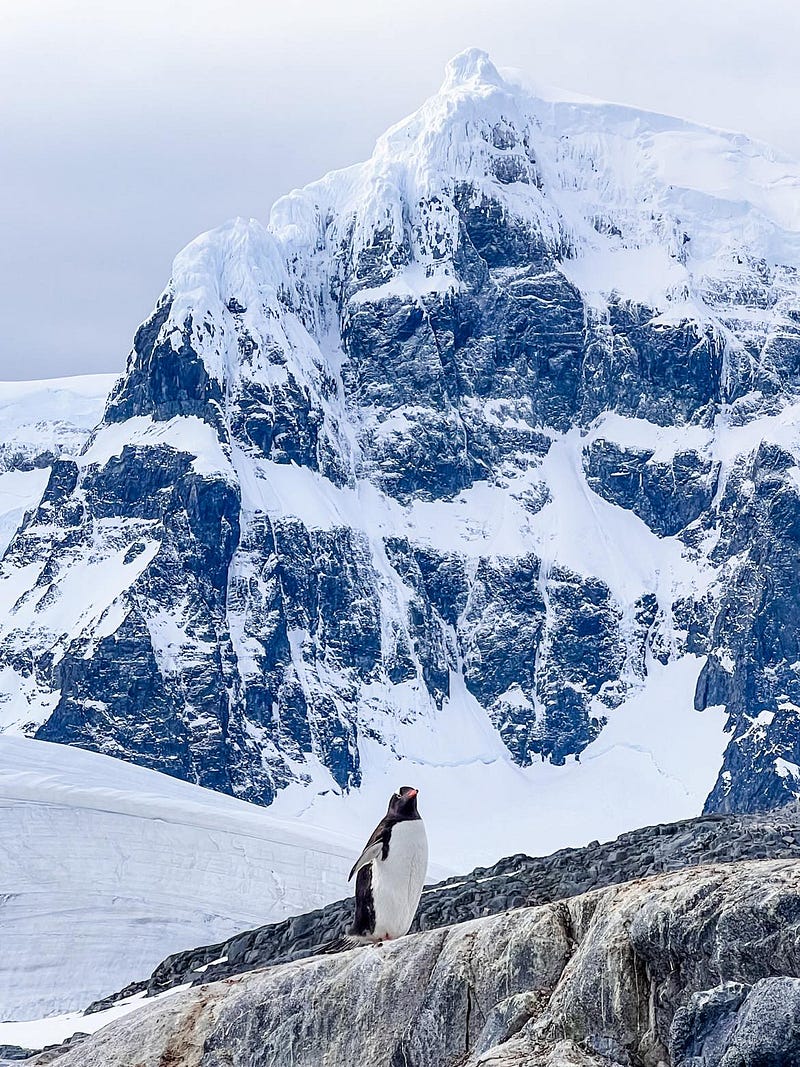
Image of a Gentoo penguin with the backdrop of a glacier mountain taken with an iPhone 13 Pro by the Author.

With today’s advanced cell phone technology, if you choose to not bring a DSLR or mirrorless camera to Antarctica, you should be fine — as long as your phone camera takes crisp pictures and videos. Nothing beats its ease in capturing a landscape, close-up and video sometimes in rapid succession.

That said, a versatile 18–200 to 300 mm lens on a mirrorless or DSLR camera body, as a side camera or a backup, would be worth taking along. My husband’s Nikon D5200 DSLR, with its 18–400 mm lens, worked great, allowing him to capture a wide range of close-ups and landscapes without having to change out lenses.

Thank you for reading!

Check out my book, Antarctica: A Travel Journal, which features my favorite Antarctic photos along with my daily journal entries. Watch my videos on my Youtube channel.

Check out my novels and my quick guides to writing and publishing fast for profit.

To get access to UNLIMITED stories from all the amazing Medium writers, you can also consider signing up to become a Medium member. If you sign up using my referral link, I’ll receive a small commission (at no extra cost to you).

Travel
Traveling Tips
Antarctica
Photography
Photos
Recommended from ReadMedium