
Experience Life, Then Take the Picture
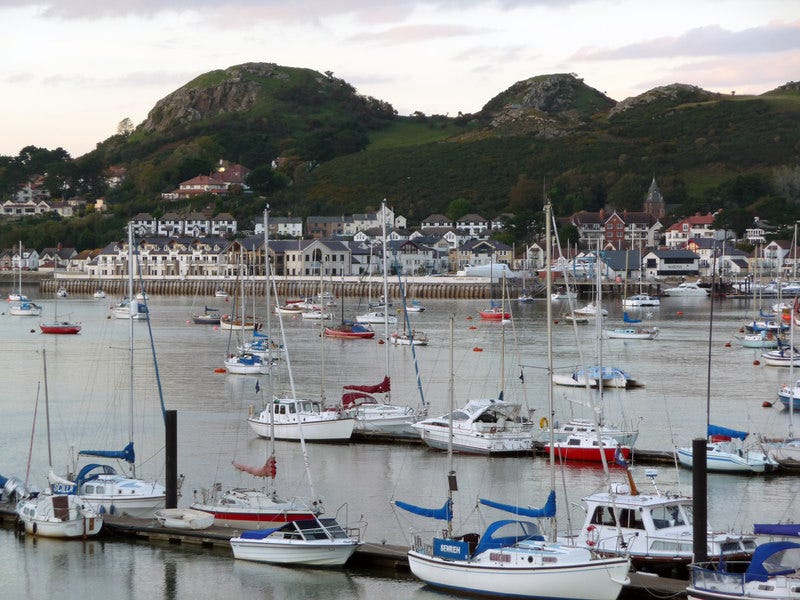
We had stayed in this tiny village called Deganwy, which has a population of less than 4000. The Great Orme loomed on the horizon of our guesthouse. I had to climb it. Although I didn’t see an official trail from the main road, I knew the best, and fastest, route was straight up an unbeaten path.
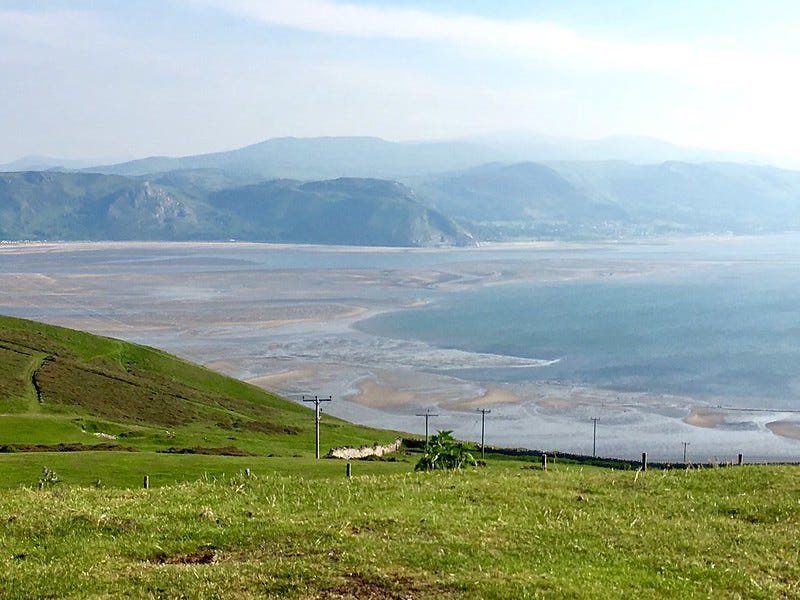
It took me about 10 minutes to get up the cliff, but once I arrived, I knew it was worth it. It was a magnificent view at the top of the Irish Sea with the Welsh villages below. It was lush and green, and I couldn’t tell if my chest was throbbing from exhilaration or exhaustion.
I opened my arms and did a Maria Von Trapp twirl from Sound of Music. The smell, the touch of grass — all of my senses were heightened. Magnificent. I couldn’t imagine a place so beautiful. I had to capture the moment with my camera. When I reached into my pocket for it, I noticed the camera had been left on. The battery was dead.
I had no evidence, no way of capturing the scene. Thankfully, 10 years later, someone else did.
Before social media flourished, my previous job as a television news photographer required me to see life through my one-inch viewfinder. As I arrived at each news story, I would picture in my head how the story would look on the air. I visualized what shots I would need to get and what kind of sound would enhance the story. There were very few times that I could experience a story because I was always in a hurry to get the shots back to the station for the 11:00 news.
Although I no longer have a deadline, I still think about “the story.” When I come upon something worth capturing, I have to stop myself sometimes. Can I just experience this beauty for one moment without thinking about how it will look on Instagram? Is my ruminating on a clever post or a popular hashtag ruining the perfection of the moment? Can I stop editorializing and just sit with what is in front of me?
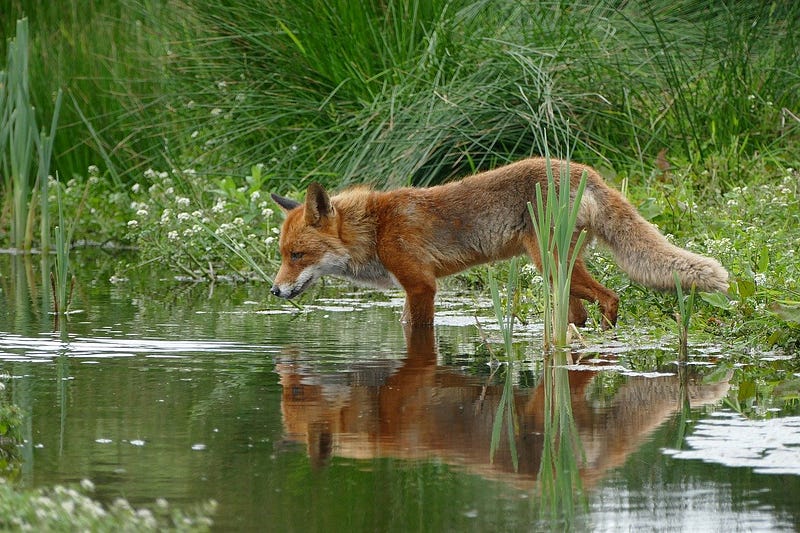
I’ve had to practice some restraint. At least four mornings a week, I see a fox while I walk my dogs. I’ve been wanting to capture it with my camera for months, but I just can’t manage my DSLR and two curious Shih Tzus at the same time. So instead, the fox, whom I call “Boniface,” just watches us pass by. We have a bit of a bond by now.
There is also a white deer in the woods. I suppose I could act like a paparazzi and try to stalk it each day, but it eludes me. It only makes an appearance every few weeks. It always comes as a pleasant surprise, and as much as I want to capture it on my camera, I just have a moment with it until it runs into the woods.
While I was paddleboarding on a river that meets the Atlantic Ocean, a school of dolphins crossed my path. Perhaps they had ventured up the river because the pandemic significantly reduced the boat traffic. Either way, I gasped because I hadn’t come so close to the dolphins before. My GoPro wouldn’t pick them up on the video, and my cellphone was tucked away in my dry bag. So I just stopped paddling and watched them swim.
The photographer in me hated missing these opportunities to capture these beautiful beings. Sometimes my excitement in trying to capture a moment can disrupt it. Other times I begin an internal dialogue, creating a play-by-play of the situation. When I’m alone without a camera, I’m compelled to stay in that moment and allow it to breathe and take root.
Experiencing things for what they are is the heart of mindfulness. You don’t try to capture them. You don’t try to change them. You don’t let your comments about them pull you down a different road. Like the dolphins, moments will come, then you allow them to go when it’s time. You don’t become attached to a moment in the past.
Our lives are lived best before we think to post about them.
Similarly, when you want something to happen, it can elude you. The expectation of what might (or might not) come can cause anxiety and suffering. Like the white deer, some moments come when you least expect them. These pleasant surprises are gifts, so it’s important not to waste them by grasping them.
Our lives are lived best before we think to post about them. This is a lesson first learned at The Great Orme, but I had continued allowing my attachments and expectations to interfere with my experiences. These days, Boniface reminds me to experience things as they are. The post isn’t necessary.


